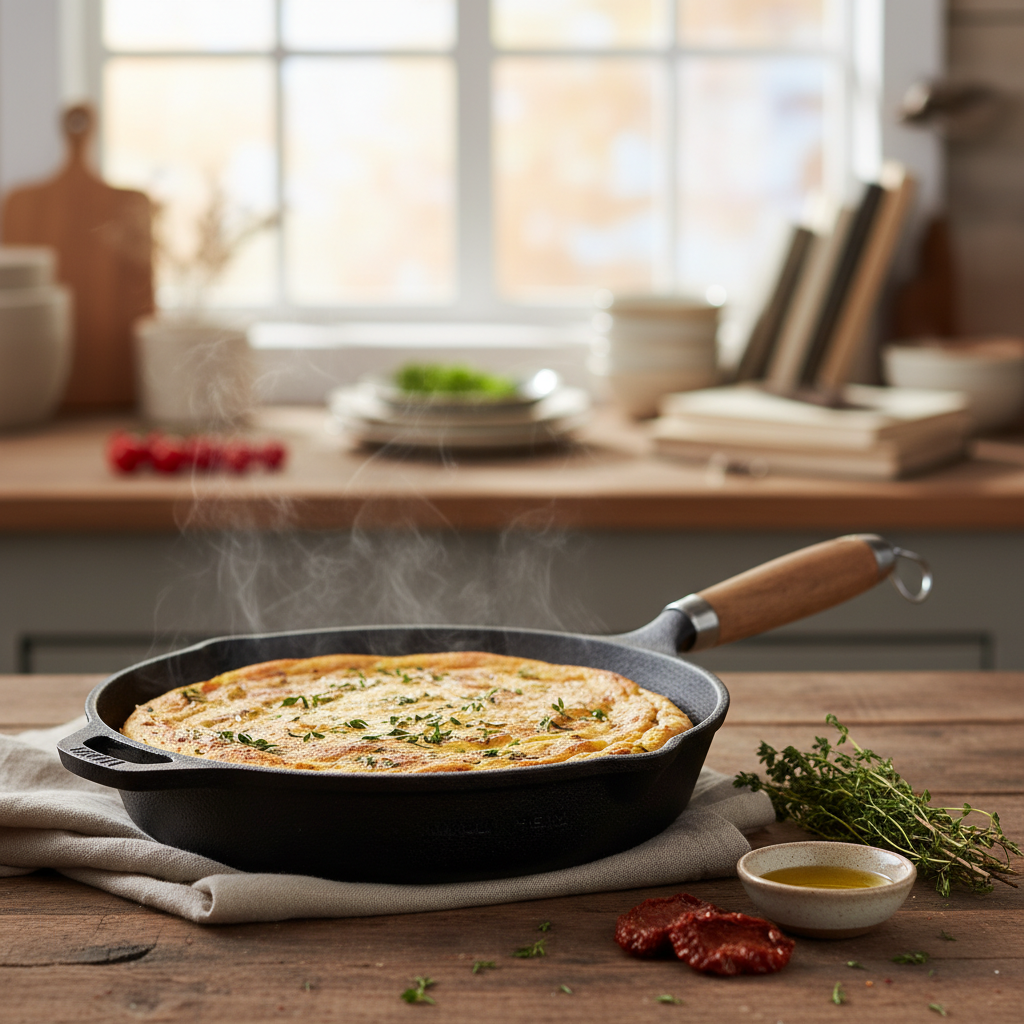
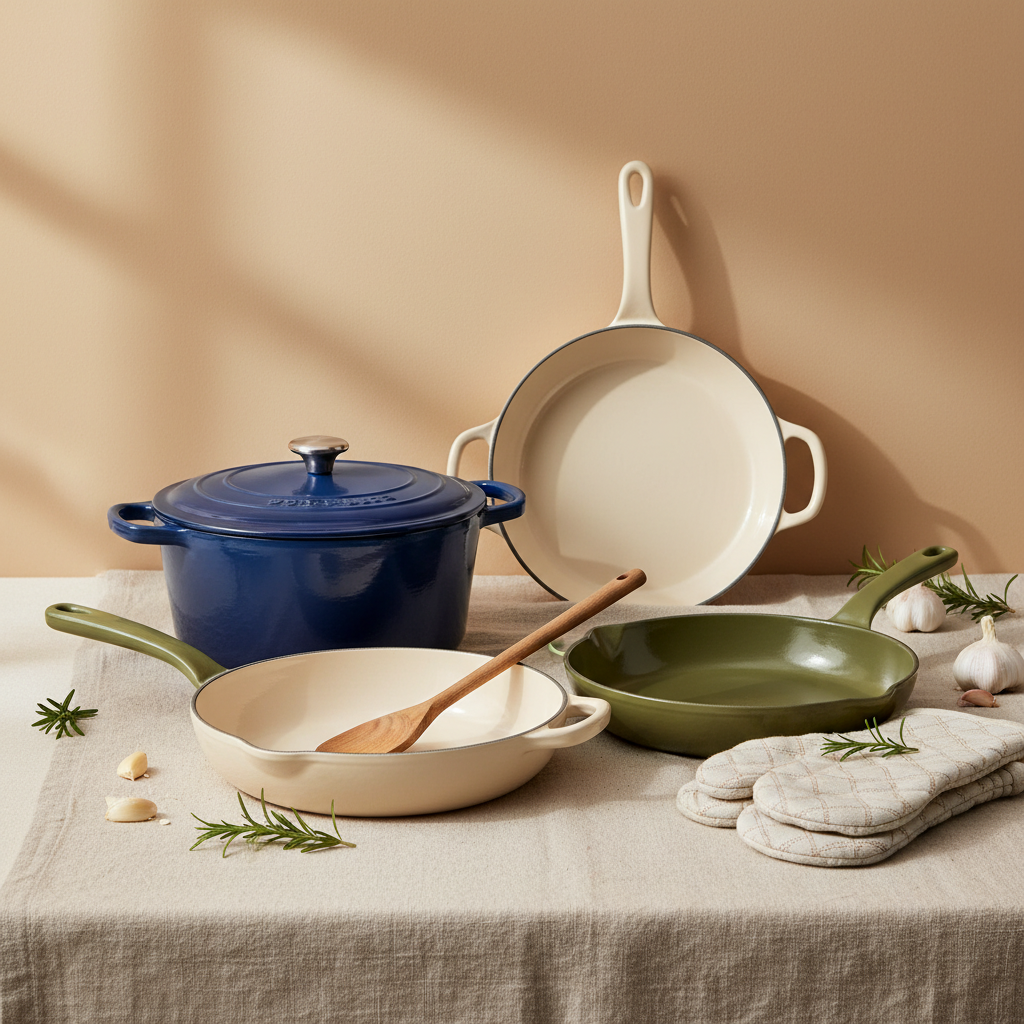
Preseasoned cast iron cookware has become a staple in kitchens worldwide, prized for its durability, versatility, and ability to retain heat. From rustic campfires to gourmet restaurants, this time-tested cooking method offers a unique culinary experience. Its resurgence in popularity reflects a growing appreciation for quality, sustainability, and connection to traditional cooking techniques. Understanding the nuances of preseasoned cast iron is essential for both novice cooks and seasoned chefs seeking to elevate their cooking.
The global demand for reliable and long-lasting cookware is steadily increasing, especially in areas prioritizing sustainable living and traditional culinary practices. According to a report by the World Bank, a growing middle class in developing nations is driving the demand for higher-quality kitchenware. Preseasoned cast iron addresses this need by offering an affordable, durable, and versatile cooking solution. The material's inherent ability to distribute heat evenly also reduces energy consumption during cooking.
However, proper care and maintenance are vital for maximizing the benefits of preseasoned cast iron. Many consumers are unaware of the best practices for seasoning, cleaning, and storing their cast iron cookware, leading to issues such as rust and sticking. Addressing this knowledge gap is crucial for ensuring long-term satisfaction and promoting the continued use of this sustainable and effective cooking method.
The Enduring Appeal of Preseasoned Cast Iron
The enduring popularity of preseasoned cast iron isn't simply nostalgia. It's a testament to its unparalleled functionality and remarkable longevity. Unlike non-stick coatings that degrade over time, a properly seasoned cast iron pan develops a natural, non-stick surface that improves with use. This makes it an incredibly versatile cooking tool suitable for searing, frying, baking, and even slow cooking.
Beyond its cooking prowess, preseasoned cast iron connects us to culinary history. For generations, cooks have relied on this durable material, passing down recipes and techniques. Choosing cast iron is a statement about valuing quality, tradition, and a slower, more mindful approach to cooking – a welcome contrast to the fast-paced modern world.
Defining Preseasoned Cast Iron
Preseasoned cast iron refers to cookware made from cast iron that has undergone a factory process of applying and baking layers of oil to the surface. This process creates a preliminary polymerised oil layer, offering a degree of non-stick protection and rust resistance straight out of the box. Traditionally, cast iron required extensive seasoning by the user before it could be used effectively.
The connection to modern industry lies in the advancements in manufacturing and oil technologies that make efficient and consistent preseasoning possible. ISO standards regarding material composition and quality control are often applied in the production of cast iron cookware, ensuring a consistent product. This ease of use has broadened the appeal of cast iron, attracting a wider range of cooks.
However, it’s important to note that factory preseasoning is a starting point. Further seasoning, through regular cooking and proper maintenance, continues to improve the pan's performance and lifespan. It’s this ongoing interaction between the cook and the cookware that truly unlocks the potential of preseasoned cast iron.
Key Factors: Why Choose Preseasoned Cast Iron?
Durability: Cast iron is renowned for its exceptional strength and ability to withstand high temperatures. A well-maintained cast iron pan can last for generations, becoming a treasured heirloom. Unlike other cookware materials that warp or degrade over time, cast iron becomes more robust with use.
Heat Retention & Distribution: Cast iron's dense composition allows it to retain heat exceptionally well, ensuring consistent cooking temperatures. It also distributes heat evenly across the cooking surface, eliminating hot spots and promoting uniform browning and searing. This is particularly advantageous for slow-cooking and maintaining temperature for delicate sauces.
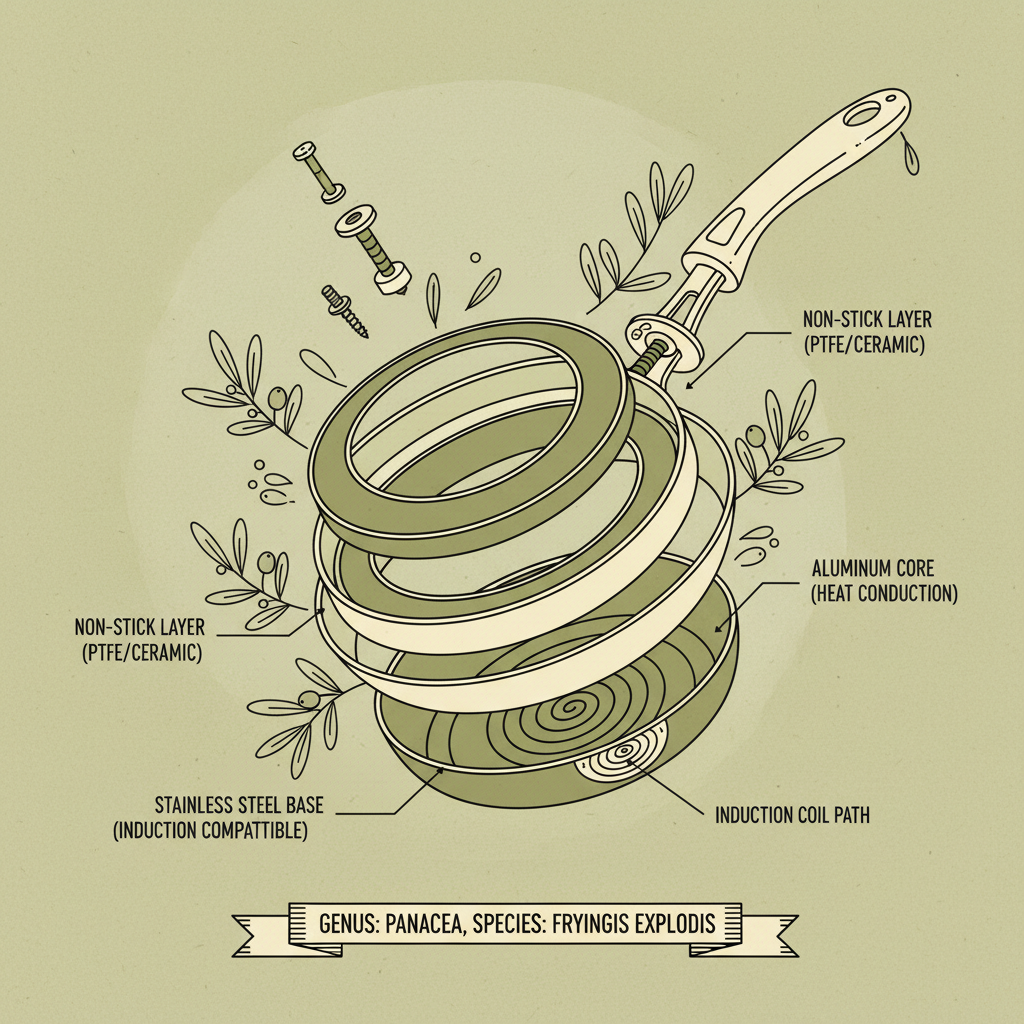
Versatility: Preseasoned cast iron can be used on a variety of heat sources – stovetop, oven, campfire, and even induction cooktops (depending on the model). Its versatility makes it an ideal choice for both indoor and outdoor cooking. From frying chicken to baking cornbread, the possibilities are endless.
Global Applications and Versatile Use Cases
The use of preseasoned cast iron extends far beyond the home kitchen. In many rural communities, particularly in developing countries, cast iron is valued for its ability to withstand harsh conditions and provide reliable cooking solutions where access to electricity or gas may be limited. It's a staple in open-fire cooking and traditional cuisines.
In remote industrial zones, like mining camps or research stations, cast iron cookware offers a durable and dependable option for feeding large crews. Its ruggedness and ability to withstand frequent use make it well-suited for demanding environments. In post-disaster relief operations, the durability of cast iron can be a lifesaver, providing a reliable means of preparing food when other options are unavailable.
Gourmet restaurants worldwide are embracing the unique qualities of cast iron for searing meats, baking artisanal breads, and creating dishes with a rustic, home-style appeal. Chefs appreciate its ability to impart a distinctive flavor and texture to food, enhancing the overall dining experience.
Preseasoned Cast Iron Performance Metrics
Advantages and Long-Term Value Proposition
From a cost perspective, while the initial investment in preseasoned cast iron may be slightly higher than some other cookware options, its exceptional lifespan and minimal maintenance requirements make it incredibly economical over the long term. Unlike non-stick pans that need frequent replacement, a well-cared-for cast iron pan can last for decades.
The sustainability benefits are also significant. Cast iron is a highly recyclable material, reducing its environmental impact. Furthermore, its ability to distribute heat efficiently minimizes energy consumption during cooking. Choosing cast iron is a responsible and eco-conscious decision.
Future Trends and Innovations in Cast Iron
Innovative seasoning techniques utilizing plant-based oils and advanced polymerization processes are emerging, promising even more durable and naturally non-stick surfaces. These advancements aim to minimize the need for synthetic coatings and enhance the overall cooking experience.
The integration of smart technology, such as embedded temperature sensors and Bluetooth connectivity, is also being explored. This could allow cooks to monitor cooking temperatures in real-time and receive alerts on their smartphones, ensuring optimal results.
Furthermore, a renewed focus on lightweight cast iron designs, utilizing thinner walls and optimized construction, is making cast iron cookware more accessible and easier to handle, appealing to a broader range of users.
Challenges and Sustainable Solutions
A common challenge with preseasoned cast iron is the potential for rust if not properly maintained. This often stems from inadequate drying after washing or improper storage. Educating consumers on best practices for care is crucial.
Another concern is the weight of cast iron, which can be a deterrent for some users. As mentioned, lightweight designs are addressing this issue. Furthermore, promoting the long-term benefits and durability of cast iron can help justify the initial weight.
Sustainable sourcing of raw materials and responsible manufacturing processes are also essential. Manufacturers are increasingly prioritizing environmentally friendly practices, such as using recycled iron and minimizing energy consumption during production.
Summary of Challenges and Solutions for Preseasoned Cast Iron
| Challenge |
Severity (1-10) |
Potential Solution |
Implementation Cost (Low/Medium/High) |
| Rust Formation |
7 |
Consumer Education & Protective Coatings |
Low |
| Weight & Handling |
6 |
Lightweight Alloy Development & Ergonomic Designs |
Medium |
| Uneven Seasoning |
5 |
Improved Factory Seasoning Processes |
Medium |
| Cleaning Difficulty |
4 |
Promote Gentle Cleaning Methods & Seasoning Restoration |
Low |
| Sourcing of Raw Materials |
3 |
Utilize Recycled Iron & Sustainable Mining Practices |
High |
| Perception of Maintenance |
5 |
Simplify Maintenance Guides & Promote Ease of Use |
Low |
FAQS
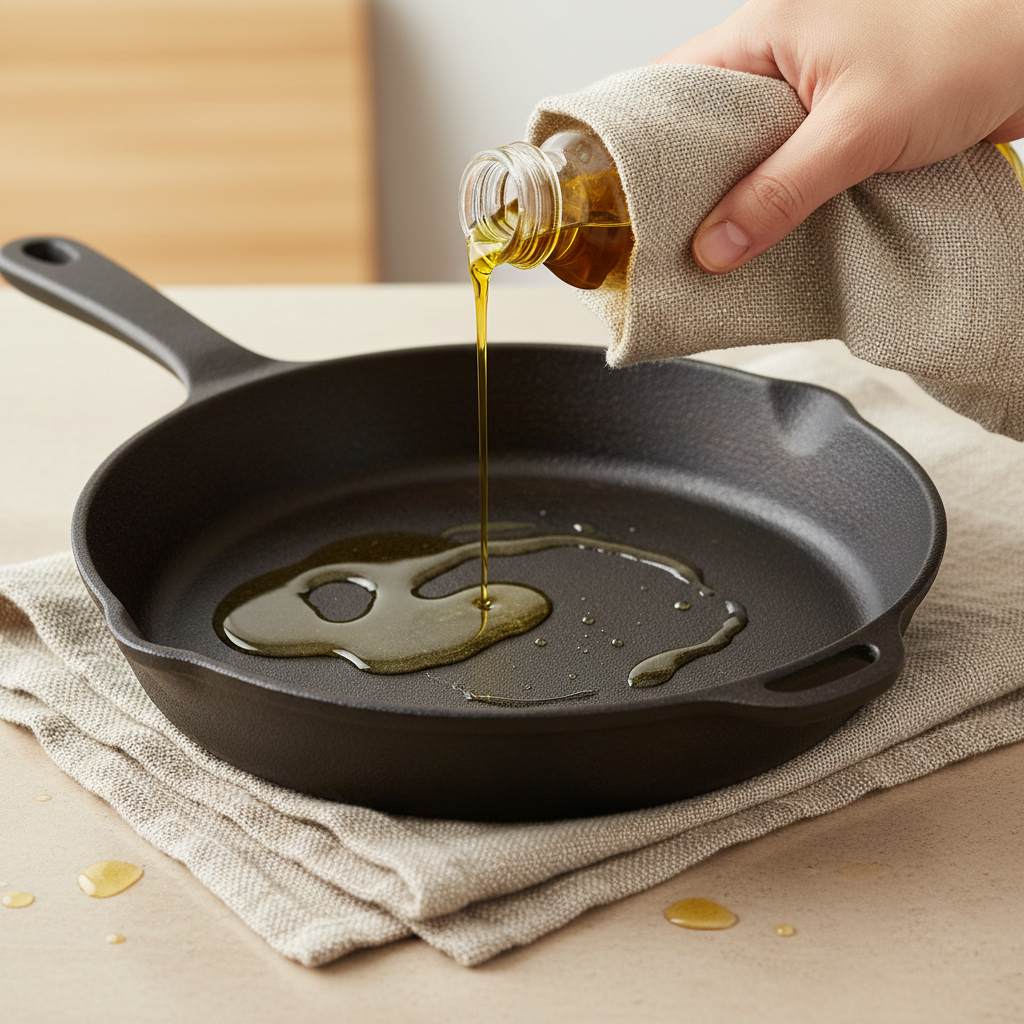
While your pan comes preseasoned, enhancing the seasoning is key. Apply a very thin coat of cooking oil (flaxseed, canola, or vegetable oil work well) to the entire pan, inside and out. Then, bake it upside down in a 350-400°F (175-200°C) oven for one hour. Repeat this process 2-3 times to build a solid foundation. The goal is to create a thin, polymerized layer of oil, not a sticky residue. Regular cooking also contributes to seasoning over time.
Rust is the enemy of cast iron! To prevent it, always thoroughly dry your pan after washing. You can place it on a warm burner to ensure complete evaporation. Then, apply a very light coat of oil. Avoid letting the pan air dry, as moisture can lead to rust. If rust does appear, scrub it off with steel wool, re-season the pan, and ensure it’s thoroughly dried and oiled afterward.
Traditionally, soap was avoided, as harsh soaps could strip the seasoning. However, modern dish soaps are generally milder and can be used in moderation. Avoid prolonged soaking and abrasive scrubbers. Rinse thoroughly and dry immediately. If you're concerned, sticking to hot water and a gentle brush is always a safe bet. The key is to re-oil after washing.
Cast iron excels at searing meats, baking breads, frying chicken, and slow-cooking stews. Its heat retention makes it ideal for dishes that require consistent temperatures. Avoid cooking highly acidic foods (like tomatoes) for extended periods initially, as they can break down the seasoning. As the seasoning builds up, you can cook acidic foods without issue.
Whether or not a cast iron pan is suitable for an induction cooktop depends on the manufacturer and the specific pan. Induction cooktops require cookware with a magnetic base. Most cast iron pans are magnetic, but it's always best to check the product description or test it with a magnet before use.
If your seasoning is flaking, it likely needs to be rebuilt. First, thoroughly clean the pan, removing any loose seasoning. Then, apply a thin coat of oil and bake it in the oven as described in the initial seasoning process. You may need to repeat this several times to restore a smooth, durable seasoning. Don't be discouraged – restoring seasoning is a common part of cast iron ownership.
Conclusion
In conclusion, preseasoned cast iron represents more than just a cooking tool; it embodies a legacy of quality, durability, and culinary tradition. Its unique properties, from exceptional heat retention to natural non-stick capabilities, make it a versatile and valuable addition to any kitchen. Embracing cast iron is a step towards a more sustainable and connected cooking experience.
Looking ahead, continued innovation in seasoning techniques and lightweight designs will further enhance the appeal of cast iron. By prioritizing responsible manufacturing and educating consumers on proper care, we can ensure that this time-tested cookware continues to thrive for generations to come. Visit our website at www.hapichefcastiron.com.com to explore our range of high-quality cast iron cookware and learn more about its benefits!