


Choosing the Right Cookware A Guide to Hapich Cast Iron for Culinary Excellence
Choosing the Right Cookware: A Guide to Hapich Cast Iron
Selecting the right cookware is essential for any home chef or professional cook. From sautéing to baking, the tools you use directly impact the quality and enjoyment of your meals. This article focuses on the benefits of cast iron cookware, highlighting why Hapich Cast Iron stands out as a premier choice. We’ll explore the material’s unique qualities, discuss different types of cast iron cookware, and offer guidance on maintenance to ensure longevity. Investing in quality cookware is an investment in your culinary experience.
The Benefits of Cast Iron Cookware
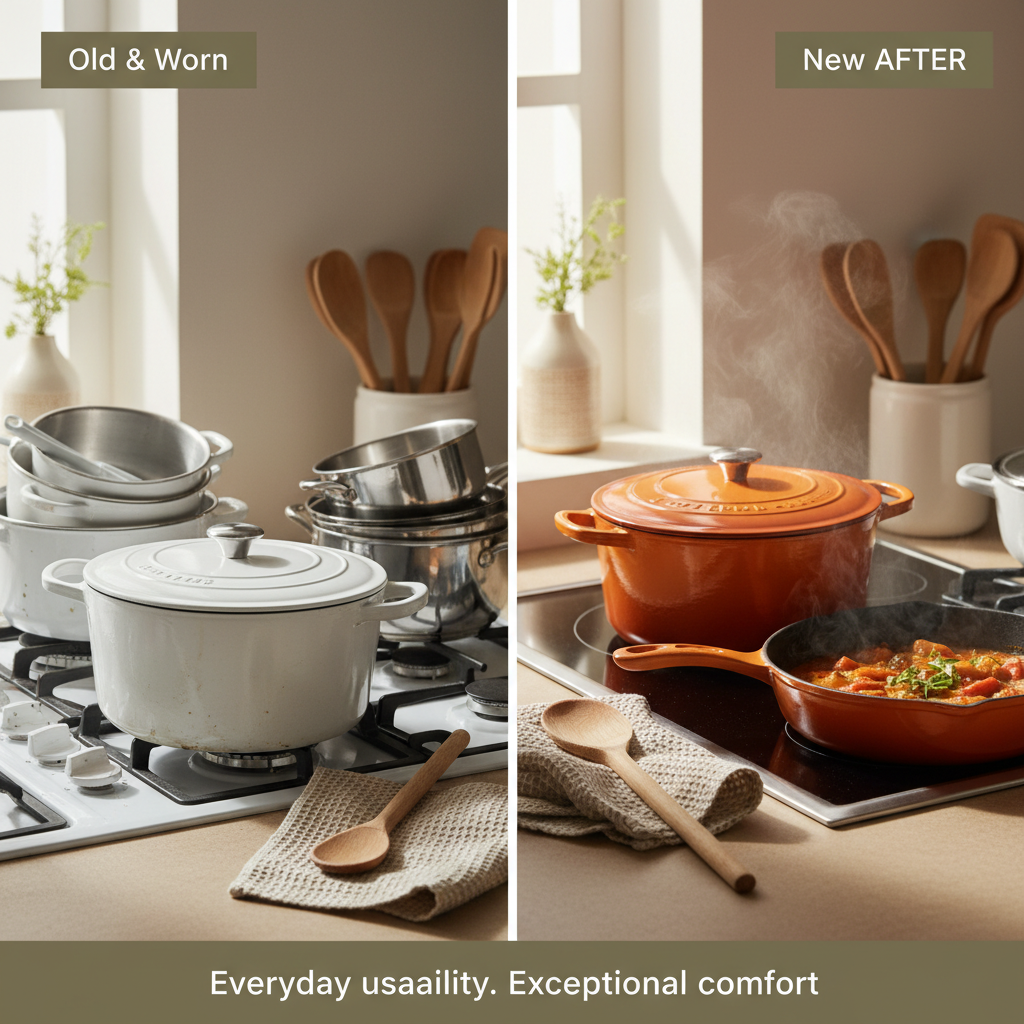
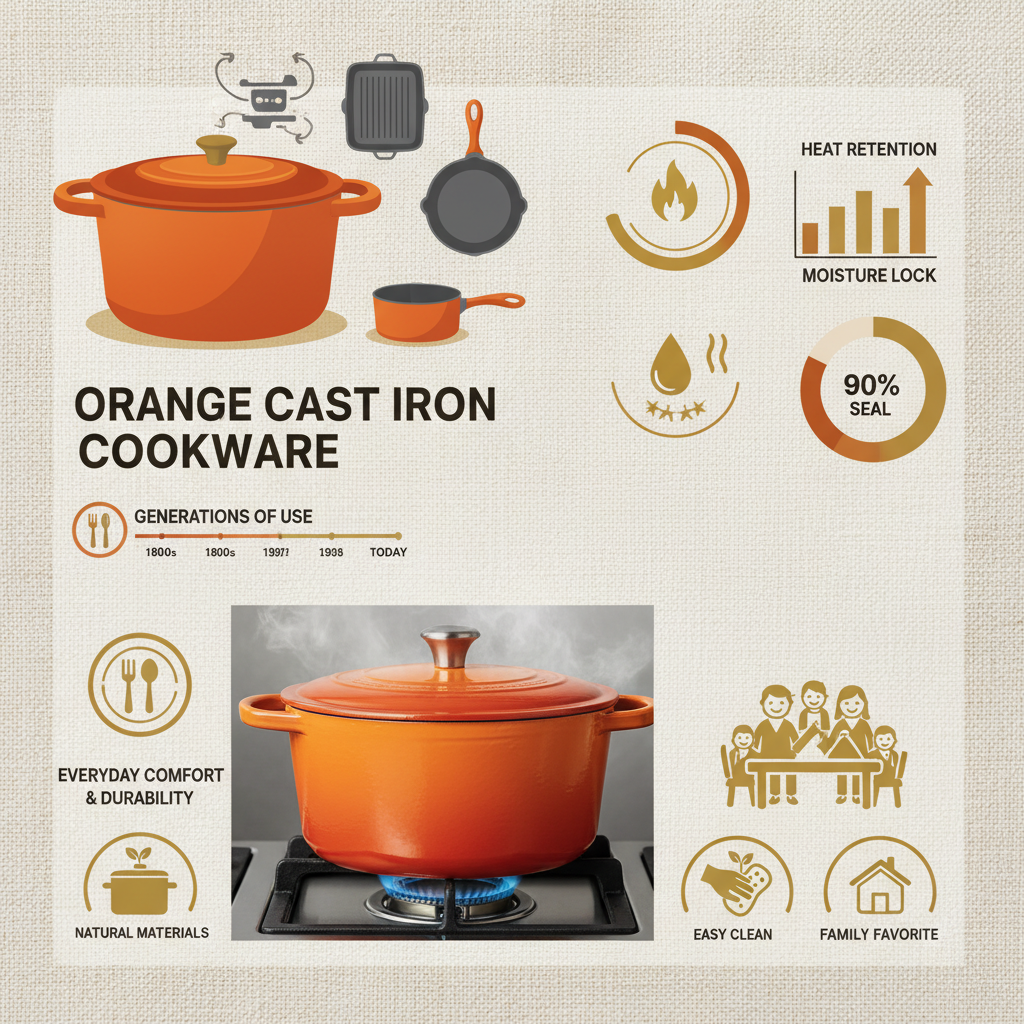
Cast iron cookware is renowned for its exceptional heat retention. This property ensures even cooking, eliminating hot spots and resulting in consistently delicious meals. Unlike other materials, cast iron can withstand very high temperatures, making it ideal for searing meats and achieving a perfect crust. Furthermore, cast iron is incredibly durable; with proper care, it can last for generations. It’s also naturally non-stick – the more seasoned it becomes, the less food sticks to the surface. The versatility of cast iron allows it to be used on various cooktops, including induction, and even over open flames. Hapich Cast Iron leverages these benefits to create high-quality, long-lasting cookware.
Key Highlights: Exceptional heat retention, even cooking, durable, naturally non-stick, versatile for various cooktops.
Types of Cast Iron Cookware
Cast iron cookware comes in various forms, each suited for different culinary tasks. Skillets are perhaps the most versatile, perfect for frying, sautéing, and baking. Dutch ovens are excellent for slow cooking, braising, and making soups. Griddles provide a large, flat surface for pancakes, bacon, and grilled sandwiches. Woks, though less common, offer a unique shape ideal for stir-frying. Hapich Cast Iron offers a comprehensive range of these cookware options, each crafted to deliver exceptional performance. Choosing the right type depends on your cooking style and preferences.
Cast Iron Types:
• Skillets: Versatile for frying, sautéing, and baking.
• Dutch Ovens: Ideal for slow cooking and braising.
• Griddles: Perfect for pancakes and grilled items.
• Woks: Best for stir-frying.
Comparing Cast Iron to Other Cookware Materials
While various cookware materials are available, cast iron distinguishes itself through its unique characteristics. Compared to stainless steel, cast iron retains heat much better, resulting in more even cooking. Unlike non-stick cookware, cast iron doesn’t contain potentially harmful chemicals and becomes increasingly non-stick with seasoning. While lighter than cast iron, aluminum doesn't offer the same durability or heat retention. Hapich Cast Iron provides a superior alternative, combining the benefits of cast iron with modern manufacturing techniques.
Caring for Your Cast Iron Cookware
Maintaining cast iron cookware is relatively simple. Avoid harsh detergents, as they can strip away the seasoning. Instead, use warm water and a soft sponge. Dry the cookware immediately and apply a light coating of oil to prevent rust. Regular seasoning, involving baking the oiled cookware in the oven, reinforces the non-stick surface. Hapich Cast Iron provides detailed care instructions with each product.
Conclusion: Invest in Quality Cookware with Hapich Cast Iron
Choosing cast iron cookware is a decision that enhances your cooking experience for years to come. Its durability, heat retention, and natural non-stick properties make it a superior choice. Hapich Cast Iron offers a wide selection of high-quality cast iron cookware, backed by exceptional craftsmanship and customer service. Invest in Hapich Cast Iron, and elevate your culinary creations!
Frequently Asked Questions (FAQs)
What is seasoning, and why is it important for cast iron?
Seasoning is the process of baking layers of oil onto the surface of the cast iron. This creates a natural, non-stick coating and protects the metal from rust. It’s important because it enhances the cookware's performance, making it easier to cook with and clean. A well-seasoned skillet will require less oil for cooking and will prevent food from sticking. Regular seasoning is key to maintaining a high-quality cooking surface. The seasoning will improve with consistent use.
Can I use soap on my cast iron cookware?
While traditionally discouraged, mild dish soap can be used sparingly on well-seasoned cast iron cookware. The key is to use a mild soap, avoid scrubbing aggressively, and dry the cookware thoroughly immediately after washing. Prolonged soaking or harsh detergents should still be avoided, as they can damage the seasoning. Always re-oil the skillet after washing.
Is cast iron cookware safe for all stovetops?
Yes, cast iron cookware is incredibly versatile and safe for use on all stovetops, including gas, electric, ceramic, and induction. Its ability to retain heat makes it particularly effective on these surfaces. However, be mindful of the potential for scratching glass or ceramic cooktops – lift and avoid sliding the cast iron across the surface. Hapich Cast Iron is designed to work seamlessly with all cooktop types.
How do I remove rust from my cast iron cookware?
If rust appears on your cast iron cookware, don’t worry, it can be removed! Start by scrubbing the rust with steel wool or a stiff brush. Wash the cookware with warm, soapy water and dry it thoroughly. Then, re-season the skillet by applying a thin coat of oil and baking it in the oven at 350°F (175°C) for an hour. This will restore the protective seasoning layer. Regular maintenance will help prevent rust from forming in the first place.
-
How to Choose and Maintain the Perfect Frying Pan for CookingNewsApr.16,2026
-
Mastering the Art of Cooking with a Dutch Oven GuideNewsApr.09,2026
-
Exploring the World of Casseroles A Kitchen Essential for Flavorful MealsNewsApr.07,2026
-
Discover Premium Wholesale Cast Iron Cookware for Your Business NeedsNewsMar.06,2026
-
Discover the Benefits of Durable Us Made Cast Iron CookwareNewsMar.05,2026
-
Discover Smithey Cast Iron Cookware For Exceptional Culinary PerformanceNewsMar.04,2026
-
Discover the Allure of Scandinavian Cast Iron Cookware for Modern KitchensNewsMar.03,2026