


How to Choose and Maintain the Perfect Frying Pan for Cooking
Mastering the Art of Cooking with the Perfect Frying Pan
Whether you are a professional chef or a home cooking enthusiast, the quality of your cookware can make or break a meal. A high-performance frying pan is more than just a tool; it is the foundation of searing, sautéing, and frying. From achieving the perfect golden-brown crust on a steak to flipping delicate crepes, the material and construction of your pan determine the heat distribution and food release. In this guide, we will explore how to choose the best pan for your kitchen and why investing in premium materials is essential for long-term culinary success.
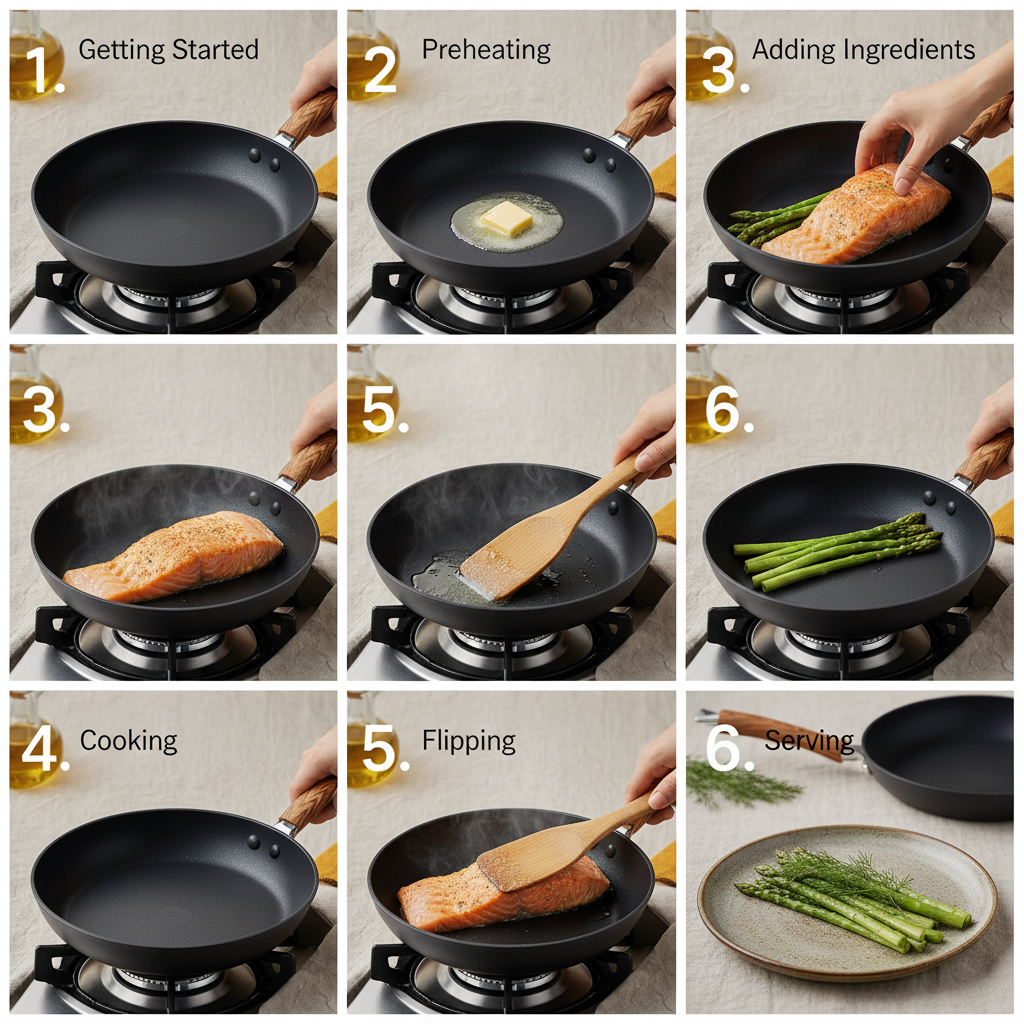
Choosing the Right Material for Your Frying Pan
Not all pans are created equal. The material of your frying pan dictates how it reacts to heat and how much maintenance it requires. Cast iron is beloved for its incredible heat retention and durability, making it ideal for searing. Stainless steel offers a sleek look and high-heat capability without reacting to acidic foods. Meanwhile, non-stick surfaces are perfect for eggs and delicate fish. Understanding these differences allows you to match the tool to the technique, ensuring consistent results every time you step into the kitchen.
Pro Tip: If you want a pan that lasts a lifetime and improves with age, cast iron is the gold standard. Its ability to be "seasoned" creates a natural non-stick surface that is completely chemical-free.
Comparing Popular Frying Pan Types
When deciding which frying pan to purchase, it helps to look at a side-by-side comparison of performance and maintenance. While non-stick pans are convenient for beginners, they often wear out within a few years. In contrast, heavy-duty pans like cast iron or carbon steel can be passed down through generations. The choice ultimately depends on whether you prioritize ease of cleanup or culinary versatility.
Essential Maintenance for Your Frying Pan
Owning a high-quality frying pan is only half the battle; knowing how to care for it ensures it performs optimally for years. For cast iron, avoid using harsh soaps that strip the seasoning. Instead, use warm water and a brush. Always dry your pan immediately to prevent rust. For stainless steel, a bit of vinegar or baking soda can remove stubborn burnt-on food. By following a consistent care routine, you maintain the surface integrity and heat efficiency of your cookware.
The Science of Heat Distribution in a Frying Pan
Why do some pans have "hot spots" while others heat evenly? It comes down to thermal conductivity and mass. A thick-bottomed frying pan absorbs more energy and distributes it more evenly across the cooking surface. This is why cast iron is superior for searing meat—it doesn't drop in temperature when a cold piece of protein hits the surface. Understanding this science helps you control your heat settings more effectively, preventing food from burning in one area while remaining raw in another.
Technical Specifications: What to Look For
When browsing for a new frying pan, don't just look at the price. Check the technical specifications to ensure it meets your needs. Consider the handle material (ergonomic vs. oven-safe), the weight of the pan, and the compatibility with your stovetop (induction, gas, or electric). Below is a typical specification table for a professional-grade cast iron pan to use as a reference.
Versatile Applications: From Stove to Oven
The true power of a premium frying pan is its versatility. A cast iron pan, for example, can start on the stovetop to sear a steak and then move directly into the oven to finish roasting. This "one-pan" approach not only simplifies the cooking process but also keeps the meat juices contained, enhancing the final flavor. Whether you are making a frittata, frying chicken, or baking a cornbread, the right pan transforms the way you cook.
Conclusion: Elevate Your Kitchen with a Quality Frying Pan
Investing in a high-quality frying pan is an investment in your health and the quality of your food. By choosing the right materials and maintaining them properly, you can enjoy professional-level cooking results in the comfort of your own home. Don't settle for disposable cookware—choose durability, efficiency, and timeless performance. Your culinary journey deserves the best tools available.
Frequently Asked Questions (FAQs)
How do I season my cast iron frying pan?
Seasoning is the process of baking oil into the metal to create a natural non-stick layer. First, clean your pan and dry it completely. Apply a very thin layer of unsaturated cooking oil (like flaxseed or grapeseed oil) to the entire surface. Wipe away any excess oil so the pan doesn't look greasy. Place the pan upside down in an oven preheated to 450°F (230°C) for about an hour. Let it cool slowly in the oven. Repeating this process several times will build a deep, durable patina that prevents food from sticking and protects the iron from rust.
Can I use a cast iron frying pan on an induction stove?
Yes, cast iron is naturally magnetic, which makes it perfectly compatible with induction cooktops. However, because cast iron is heavy and sometimes has a slightly uneven bottom, it is recommended to slide the pan into place rather than dragging it to avoid scratching the glass surface of your induction hob. Additionally, cast iron takes longer to heat up than aluminum, so it is best to heat the pan gradually on a medium setting to ensure even temperature distribution across the base.
Why is my food sticking to my frying pan?
Food usually sticks due to two reasons: temperature or surface quality. If the pan isn't hot enough, the proteins in the food bond to the metal instead of searing. This is known as the "Leidenfrost effect"—wait for the oil to shimmer or a drop of water to dance on the surface before adding food. For cast iron, sticking may indicate that the seasoning has worn down. In this case, a re-seasoning process is required. For non-stick pans, sticking often means the coating has degraded, and it may be time to replace the pan for safety and performance.
Is it safe to cook acidic foods in a cast iron pan?
For a well-seasoned pan, cooking acidic foods (like tomato sauce) for short periods is generally fine. However, long-term simmering of acidic ingredients can eat away at the seasoning layer and give the food a slightly metallic taste. If you are making a slow-cooked tomato stew, a stainless steel pan is a better choice. If you use cast iron, just be prepared to touch up the seasoning with a light coat of oil after the meal to ensure the protective barrier remains intact.
-
Mastering the Art of Cooking with a Dutch Oven GuideNewsApr.09,2026
-
Exploring the World of Casseroles A Kitchen Essential for Flavorful MealsNewsApr.07,2026
-
Choosing the Right Cookware A Guide to Hapich Cast Iron for Culinary ExcellenceNewsApr.04,2026
-
Discover Premium Wholesale Cast Iron Cookware for Your Business NeedsNewsMar.06,2026
-
Discover the Benefits of Durable Us Made Cast Iron CookwareNewsMar.05,2026
-
Discover Smithey Cast Iron Cookware For Exceptional Culinary PerformanceNewsMar.04,2026
-
Discover the Allure of Scandinavian Cast Iron Cookware for Modern KitchensNewsMar.03,2026