


Mastering the Art of Cooking with a Dutch Oven Guide
Mastering the Art of Cooking with a Dutch Oven
Whether you are a seasoned chef or a home cooking enthusiast, the dutch oven is an indispensable tool that brings versatility and efficiency to any kitchen. Known for its heavy walls and tight-fitting lid, this pot is designed to maintain a steady temperature, making it perfect for everything from slow-braised stews to artisanal sourdough bread. In this guide, we will explore why this piece of cookware remains a timeless favorite and how you can maximize its potential to create restaurant-quality meals at home. Understanding the physics of heat distribution in a dutch oven is the first step toward culinary mastery.
Why Every Kitchen Needs a High-Quality Dutch Oven
The primary appeal of a dutch oven lies in its superior heat retention. Unlike thin stainless steel pans, the thick cast iron construction ensures that heat is distributed evenly across the bottom and sides. This prevents "hot spots" that often lead to burnt food. Furthermore, the heavy lid traps steam and moisture inside, creating a self-basting environment that keeps meats tender and flavorful. From searing proteins on the stovetop to roasting vegetables in the oven, the versatility of the dutch oven reduces the need for multiple pots, simplifying your cooking process and cleanup.
Pro Tip: Always preheat your pot on low to medium heat to ensure an even temperature before adding your oils or fats; this prevents sticking and ensures a perfect sear.
Cast Iron vs. Enameled Dutch Oven: Which One to Choose?
When shopping for a dutch oven, you will likely encounter two main types: raw cast iron and enameled cast iron. Raw cast iron is prized for its high-heat tolerance and ability to be "seasoned," making it naturally non-stick over time. On the other hand, enameled options are coated in a glass-like porcelain finish, which eliminates the need for seasoning and allows for the cooking of acidic foods (like tomato sauces) without reacting with the metal. Choosing between them depends on whether you prioritize rugged durability or ease of maintenance.
Best Uses for Your Dutch Oven
The magic of a dutch oven is its ability to transition seamlessly from the stovetop to the oven. This makes it the ultimate tool for braising—where meat is seared at high heat and then simmered slowly in liquid. Additionally, it has become the gold standard for home bakers. By heating the pot in the oven, you create a steam-filled chamber that mimics a professional deck oven, resulting in a crispy, golden crust on sourdough loaves. Beyond that, it's ideal for deep-frying, making large batches of soup, or even roasting a whole chicken.
Essential Dutch Oven Maintenance Tips
To ensure your dutch oven lasts for generations, proper care is essential. For enameled pots, avoid using metal utensils that could scratch the surface; instead, opt for silicone or wooden tools. For raw cast iron, never leave the pot soaking in water, as this leads to rust. Always dry it immediately and apply a light layer of oil. Avoid "thermal shock"—putting a screaming hot pot into cold water—as this can cause the cast iron to crack or the enamel to peel. With a little effort, your cookware becomes an heirloom.
Quick Care Checklist:
• Use wooden or silicone utensils to protect the finish
• Hand wash with mild soap; avoid harsh scrubbers
• Dry completely before storing to prevent moisture buildup
• Season raw cast iron periodically to maintain non-stick properties
Product Specifications for the Perfect Dutch Oven
When selecting the right size dutch oven, consider your household size and typical recipes. A 4-quart pot is generally sufficient for side dishes or couples, while a 6 to 7-quart pot is the "sweet spot" for families and baking bread. The weight of the pot is a key indicator of quality; a heavier pot usually means thicker walls and better heat distribution. Below are the standard specifications you should look for when investing in professional-grade cast iron.
Conclusion: Elevate Your Cooking with the Right Tools
Investing in a high-quality dutch oven is more than just buying a pot; it's about embracing a slower, more flavorful approach to cooking. Whether you choose the ruggedness of raw cast iron or the elegance of an enameled finish, the results are the same: consistent heat, tender textures, and rich flavors. By following proper maintenance and exploring its diverse applications, you can transform your daily meals into culinary experiences. Visit Hapiche Cast Iron to find the perfect companion for your kitchen today.
Frequently Asked Questions (FAQs)
Can I use a dutch oven on an induction cooktop?
Yes, most cast iron dutch ovens are compatible with induction cooktops because they are made of ferromagnetic materials. However, since cast iron has a rougher surface than stainless steel, it is recommended to slide the pot into place rather than dragging it to avoid scratching your glass cooktop. The heavy base of the pot provides excellent contact with the induction surface, ensuring efficient heat transfer.
How do I know if my dutch oven is properly seasoned?
A properly seasoned raw cast iron dutch oven will have a smooth, slightly glossy, and dark appearance. The most practical test is to fry an egg or sear a piece of meat; if the food slides easily across the surface without sticking, your seasoning is in good shape. If you notice food sticking or see gray patches of bare metal, it is time to apply another layer of oil and bake it in the oven to rebuild the polymer layer.
Can I put an enameled dutch oven in the dishwasher?
While some manufacturers claim their enamel is dishwasher-safe, it is strongly recommended to hand wash your enameled dutch oven. Dishwasher detergents are often abrasive and can dull the polished finish of the enamel over time. Additionally, the high heat and movement within a dishwasher can increase the risk of the pot chipping if it hits other dishes. A soft sponge and warm soapy water are all you need to keep it looking new.
What is the best way to remove burnt-on food from the bottom?
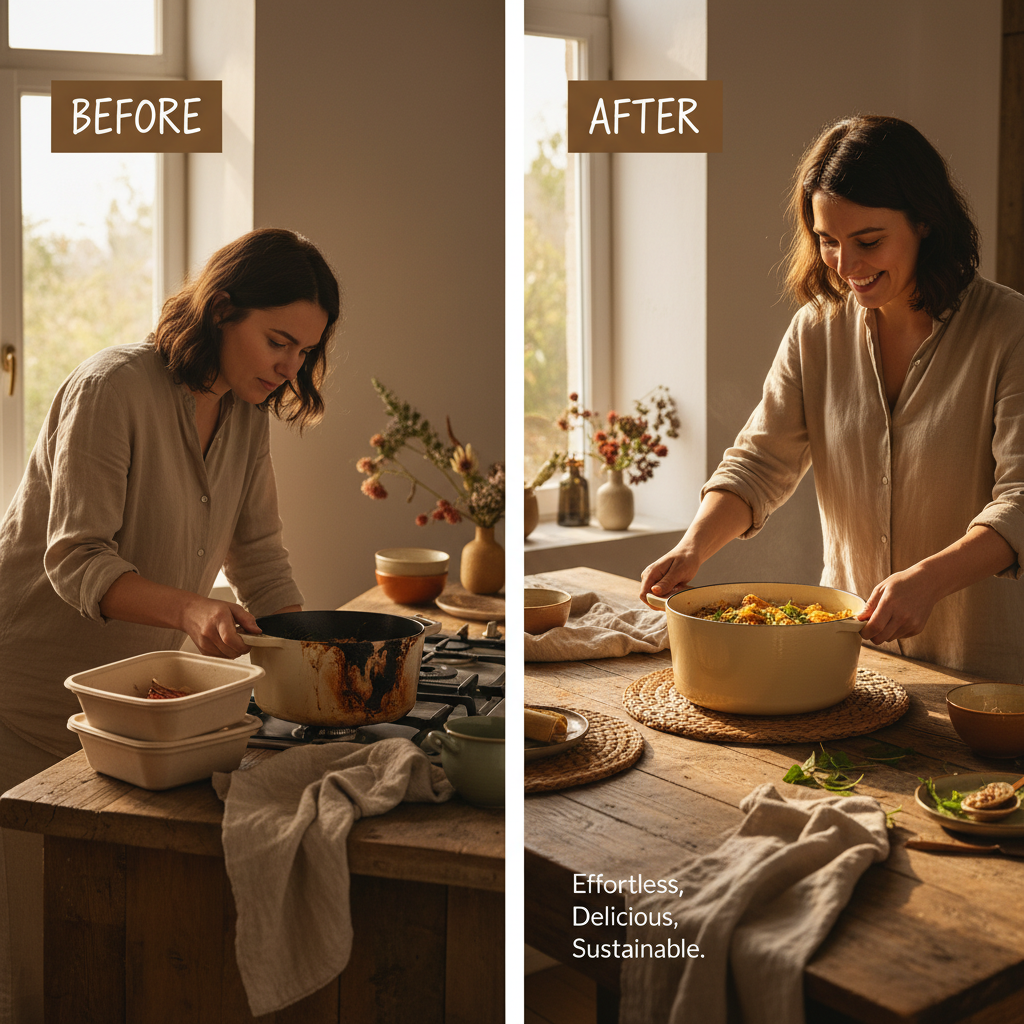
For enameled pots, avoid steel wool. Instead, fill the pot with water and a bit of baking soda, then simmer it on the stove for 10-15 minutes. This will loosen the residue, allowing you to wipe it away with a sponge. For raw cast iron, you can use a chainmail scrubber or a coarse salt scrub. Simply pour a generous amount of coarse salt into the pot with a small amount of oil and scrub with a paper towel until the burnt bits are lifted. Always re-season the pot after a deep scrub.
-
How to Choose and Maintain the Perfect Frying Pan for CookingNewsApr.16,2026
-
Exploring the World of Casseroles A Kitchen Essential for Flavorful MealsNewsApr.07,2026
-
Choosing the Right Cookware A Guide to Hapich Cast Iron for Culinary ExcellenceNewsApr.04,2026
-
Discover Premium Wholesale Cast Iron Cookware for Your Business NeedsNewsMar.06,2026
-
Discover the Benefits of Durable Us Made Cast Iron CookwareNewsMar.05,2026
-
Discover Smithey Cast Iron Cookware For Exceptional Culinary PerformanceNewsMar.04,2026
-
Discover the Allure of Scandinavian Cast Iron Cookware for Modern KitchensNewsMar.03,2026