• Cookware
  • cast iron cookware
  • Cast iron skillet

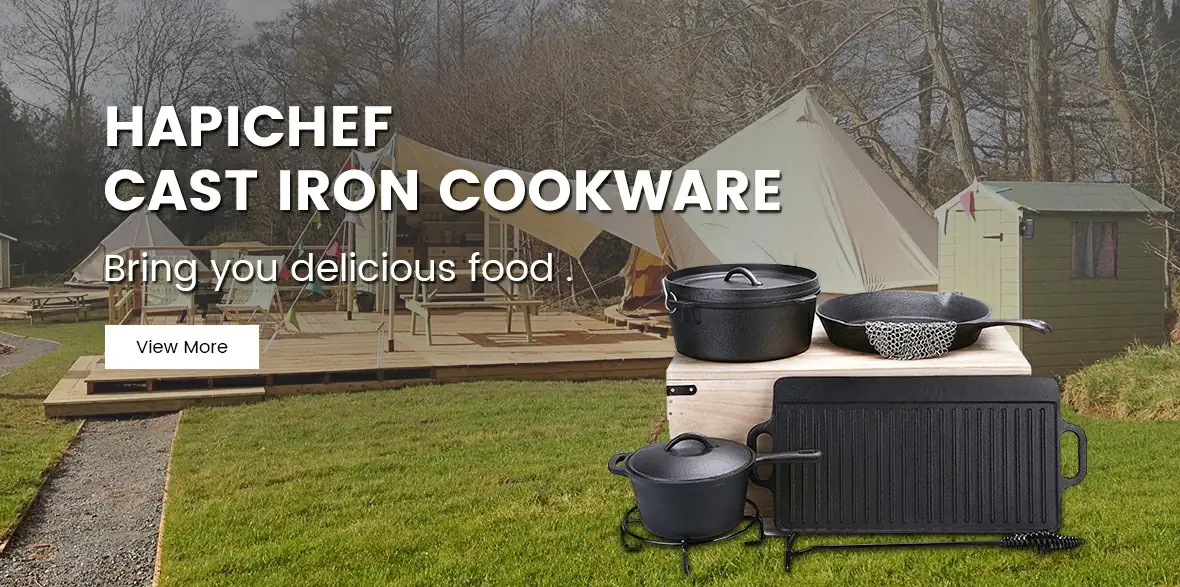
WELCOME TO HAPICHEF CAST IRON COOKWARE FACTORY

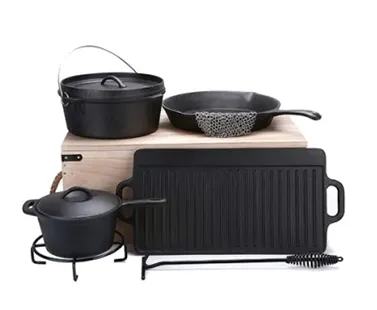
Hapichef Cookware is a leading professional cast iron cookware manufacturer from China. Situated in the Hebei Province, our factory's strategic location near Beijing ensures efficient production and distribution. Our extensive types of cast iron cookware products includes cast iron dutch ovens, cast iron casseroles, cast iron frying pans, cast iron skillets, cast iron grill pans, cast iron roasters, cast iron stew pots, cast iron works, cast iron bakeware, cast iron grill plates, and cast iron carbon stoves. we specialize in providing top-notch cast iron cookware wholesale, catering to the diverse needs of our clientele with a commitment to excellence in quality and craftsmanship.

Shop By Category
Our news

  • Optimizing Thermal Mass and Geometry in Heavy-Duty Cast Iron Cookware

    Optimizing Thermal Mass and Geometry in Heavy-Duty Cast Iron Cookware

    Investing in a standard cast iron casserole 24cm is crucial for chefs aiming to master long-duration braising and low-moisture slow cooking. The relationship between pan geometry, liquid evaporation rates, and iron thickness dictates the ultimate flavor profile and moisture retention of complex culinary dishes.

    The Ergonomics and Engineering of the 24cm Volume Standard

    In culinary engineering, the 24cm liquid volume threshold represents the optical balance between vessel weight and surface-to-volume ratio. Pans constructed within this dimension offer optimal radiant surface area for reduction sauces while remaining manageable for kitchen staff. The heavy iron lid creates a continuous self-basting cycle: condensation accumulates on micro-structures on the lid's interior and drips evenly back into the food matrix.

    Quality Assurance in Modern Cast Iron Foundries

    The integrity of cast iron cookware depends entirely on the underlying smelting and molding technology. Premium manufacturers utilize dual induction furnaces and automated casting systems to eliminate internal porosity and structural micro-cracks. When evaluating an enameled cast iron soup pot, quality control teams conduct digital hydraulic universal testing alongside molding sand performance analysis to ensure impact resistance and thermal shock stability across extreme temperature gradients.

    Proactive Maintenance Protocol for Commercial Kitchens

    • Preheat vessels gradually over low-to-medium heat to prevent micro-fissures in enamel coatings.
    • Use non-abrasive silicone or wooden utensils to preserve vitreous surface coatings.
    • Allow cookware to cool naturally to room temperature prior to submersion in wash water.

    Sourcing High-Specification Cast Iron Products

    Understanding factory equipment—such as DISA casting lines and multi-stage shot blasting units—enables commercial buyers to identify high-grade cookware capable of enduring rigorous commercial use without warping or chipping.

  • The Material Synergy of Cast Iron and High Borosilicate Glass in Modern Kitchens

    The Material Synergy of Cast Iron and High Borosilicate Glass in Modern Kitchens

    Utilizing microwavable glass mugs and thermal-resistant cookware alongside heavy-duty cast iron creates a powerful synergy in modern culinary environments. While cast iron is celebrated for its unmatched heat retention and searing capabilities, high borosilicate glassware and dense ceramic dinnerware fill the vital operational gaps of rapid temperature transition, visual clarity, and non-reactive food storage. Understanding how these materials interact allows home cooks and professional chefs alike to build a more versatile, long-lasting kitchen inventory.

    Thermal Performance: Balancing Heat Retention and Rapid Thermal Adaptation

    Cast iron excels at absorbing and holding massive amounts of thermal energy, making it ideal for high-heat searing, deep frying, and slow braising. However, its high thermal mass makes it slow to respond to quick temperature changes. In contrast, high borosilicate glass—formulated with a low coefficient of thermal expansion (typically around 3.3 x 10^-6 /K)—is uniquely engineered to withstand sudden thermal shock without cracking. When transitioning dishes directly from refrigerator storage to high-heat baking or microwave reheating, borosilicate glass provides a level of thermal agility that dense metals cannot match. This complementary dynamic ensures that heat distribution is optimized across every stage of meal preparation.

    Prep-to-Table Workflow: Integrating Cast Iron Skillets with Glassware and Ceramics

    In contemporary food service and elevated home dining, presentation plays as significant a role as thermal efficiency. While a seasoned cast iron skillet delivers an authentic, rustic aesthetic at the center of the table, serving accompanying sauces, side dishes, and beverages requires non-reactive materials. Pairing heavy cookware with embossed dinnerware sets and crystal-clear glass serving containers balances the visual weight of the meal. Furthermore, because ceramic and borosilicate surfaces are non-porous, they do not absorb acidic flavors, dark pigments, or harsh oils, protecting the purity of delicate sauces and marinades before they are added to cast iron pans.

    Sourcing Standards: Evaluating Durability and Material Safety for Heavy-Duty Cookware Systems

    Building a seamless cookware ecosystem demands strict adherence to manufacturing quality. When specifying glass and ceramic companions for heavy-duty cookware line-ups, brand managers look toward an advanced supplier capable of controlling glass density, edge polishing, and structural uniformity. Superior borosilicate products must be entirely lead-free, BPA-free, and tested for high impact resistance. When procured from a premium manufacturer with rigorous thermal stress testing, these glassware and ceramic pieces match the longevity of traditional cast iron, ensuring a high-performance kitchen setup that endures heavy daily use.

  • The Culinary Thermodynamics: Mastering Heat Retention in Kitchen

    The Culinary Thermodynamics: Mastering Heat Retention in Kitchen


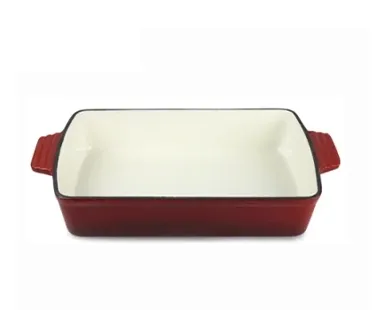
    When selecting a china iron baking pan, culinary professionals know that the secret to a restaurant-quality crust lies entirely in thermal mass. Achieving the perfect "oven spring"—where the dough rises rapidly while developing a deeply caramelized, airy interior—requires equipment that can absorb massive amounts of thermal energy and transfer it consistently through conductive heat.

    Why Thermal Capacity Outperforms Thin Metal

    In the realm of professional cooking, standard aluminum trays lose their heat the moment cold dough is placed upon them. In contrast, high-grade grey cast iron acts as a thermal battery. It stores the oven's ambient heat (often pushing 500°F or more) and releases it forcefully into the base of the food. This extreme heat retention not only prevents the dreaded "soggy bottom" but also withstands intense temperature fluctuations without warping.

    The Evolution of Advanced Manufacturing in Cookware

    The structural integrity required for such extreme heat conditions does not happen by accident; it requires sophisticated metallurgical engineering. Today's global cookware market relies heavily on high-end production facilities equipped with automated DISA casting lines and imported spectrographs for metal analysis. These advanced technological implementations ensure that the wall thickness—typically between 3mm and 5mm—is perfectly uniform, guaranteeing flawless heat distribution.

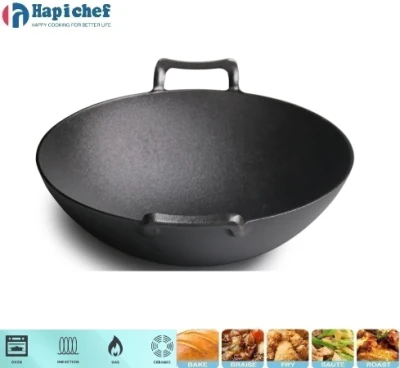
    Sourcing premium equipment means looking toward a reliable cast iron wok supplier or foundry that adheres to strict international testing standards, such as ISO 04531-2018, FDA, and EU LFGB certifications. By maintaining a balance of traditional material strength and cutting-edge vertical injection molding technology, these premium manufacturers deliver culinary tools capable of lasting generations while fulfilling the stringent demands of top global brands.

  • The Evolution of High-Heat Culinary Implements: From Cast Iron to Outdoor Precision

    The Evolution of High-Heat Culinary Implements: From Cast Iron to Outdoor Precision


    Bridging Indoor Tradition with Outdoor Resilience

    When sourcing high quality bbq tools, modern culinary enthusiasts often seek the same rugged longevity found in classic cast iron cookware. The global culinary market has witnessed a significant transition as home chefs move their gourmet aspirations from indoor kitchens to outdoor patios. This shift demands equipment that can withstand the intense, fluctuating temperatures of open-flame cooking without warping, melting, or degrading over time.

    The Science of Thermal Stability in Kitchenware

    In traditional kitchens, cast iron is revered for its unparalleled heat retention and durability. However, when managing food directly over a charcoal fire, the handling instruments must possess equally impressive thermal stability. The industry standard has increasingly leaned towards high-grade chromium-nickel alloys. These materials remain chemically inert even when exposed to highly acidic marinades or extreme heat, ensuring that no metallic tastes or toxic fumes compromise the integrity of the dish.

    Supply Chain Excellence and Material Purity

    Behind every exceptional kitchen tool is a rigorous engineering and manufacturing process. The structural integrity of handling implements—ranging from the precision of the gripping edge to the tension of the spring mechanism—dictates the user's control and safety. Evaluating the market for bbq accessories wholesale reveals that top-tier culinary establishments consistently partner with an advanced supplier to guarantee FDA and LFGB compliance. By focusing on material purity and ergonomic weight distribution, a premium manufacturer bridges the gap between industrial strength and refined culinary finesse.

  • Master the Art of Searing with a Cast Iron Grill Pan

    Master the Art of Searing with a Cast Iron Grill Pan


    Mastering the Art of Searing with a Cast Iron Grill Pan

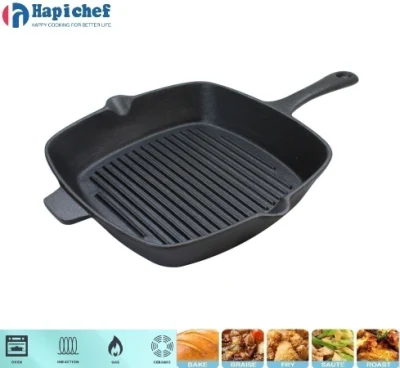
    For any culinary enthusiast or professional chef, achieving that perfect, charred grill mark without an outdoor barbecue can be a challenge. The cast iron grill pan is the ultimate solution, bridging the gap between indoor convenience and outdoor flavor. Known for its incredible heat retention and durability, this kitchen essential transforms ordinary proteins and vegetables into gourmet masterpieces. Whether you are searing a thick ribeye steak or grilling crisp asparagus, understanding the nuances of this tool is key to unlocking professional-grade results in your own kitchen. In this guide, we will explore why cast iron remains the gold standard for indoor grilling.

    cast iron grill pan

    Unmatched Heat Distribution of the Cast Iron Grill Pan

    The secret behind the efficiency of a cast iron grill pan lies in its material density. Unlike aluminum or stainless steel, cast iron absorbs and holds heat with remarkable consistency. This means that when you place a cold piece of meat onto the surface, the pan doesn't suffer a massive temperature drop, allowing for an immediate and deep sear. This process, known as the Maillard reaction, creates the complex flavors and brown crust that define a high-quality grilled meal. To maximize this effect, it is recommended to preheat the pan over medium-high heat for several minutes before adding your ingredients.

    Pro Tip: Always pat your proteins dry with a paper towel before placing them in the pan. Excess moisture creates steam, which prevents the cast iron grill pan from creating those iconic charred stripes.

    Durability and Longevity: A Lifetime Investment

    When you invest in a high-quality cast iron grill pan, you aren't just buying cookware; you are acquiring a family heirloom. These pans are virtually indestructible and, with proper care, actually improve with age. The process of seasoning—layering oil through high-heat polymerization—creates a natural non-stick surface that becomes more resilient over time. Unlike Teflon-coated pans that flake and require replacement every few years, cast iron can be stripped and re-seasoned indefinitely, making it the most sustainable choice for the eco-conscious cook.

    Comparing Cast Iron vs. Other Grill Pan Materials

    Not all grill pans are created equal. While ceramic or non-stick options may offer easier initial cleanup, they cannot compete with the thermal mass of a cast iron grill pan. Ceramic often fails to maintain high heat, resulting in "grey" meat rather than charred meat. Meanwhile, non-stick coatings often break down at the very temperatures required to get a proper sear. Below is a detailed comparison highlighting why cast iron remains the superior choice for serious grilling.

    FeatureCast Iron Grill PanNon-Stick/Ceramic
    Heat RetentionExcellent (Very High)Poor to Moderate
    Max TemperatureExtremely HighLimited (Coating Damage)
    LifespanLifetime / Generational2-5 Years
    Flavor ProfileAuthentic Charred TasteMild / Steamed Effect

    Versatility and Product Specifications of the Cast Iron Grill Pan

    One of the most overlooked aspects of the cast iron grill pan is its versatility. While designed for the stovetop, these pans are often oven-safe, allowing you to sear a steak and then finish it in the oven to reach the perfect internal temperature. They can even be used over an open campfire. To help you choose the right size for your kitchen needs, we have outlined the common specifications available for professional-grade cast iron cookware.

    SpecificationStandard Detail
    Material Composition100% Pure Heavy-Duty Cast Iron
    Compatible Heat SourcesGas, Electric, Induction, Oven, Campfire
    Surface FinishPre-seasoned with natural vegetable oil
    Weight RangeApprox. 2.5kg - 5kg depending on size
    cast iron grill pan

    Essential Care Tips for Your Grill Pan

    To ensure your cast iron grill pan lasts for generations, a few simple care rules must be followed. First, avoid using soap excessively; a soft brush and hot water are usually sufficient to remove food debris without stripping the seasoning. Second, never let the pan air dry. Always dry it immediately with a cloth or on a warm burner to prevent rust. Finally, apply a very thin layer of oil after every use. This maintains the hydrophobic barrier and keeps the surface sleek. Following these steps ensures that your pan remains the most reliable tool in your kitchen.

    How to Season Your Cast Iron Grill Pan Like a Pro

    Seasoning is the process of baking oil into the iron to create a hard, plastic-like film. To season your cast iron grill pan, start by scrubbing it clean and drying it thoroughly. Apply a small amount of high-smoke-point oil (like flaxseed or grapeseed oil) to the entire surface. Use a clean cloth to wipe away any excess oil—too much will lead to a sticky residue. Place the pan upside down in an oven preheated to 450°F (230°C) for one hour. Let it cool naturally in the oven. Repeating this process 2-3 times creates a deep, dark, and non-stick patina that enhances the flavor of everything you cook.

    Conclusion: Elevate Your Kitchen with Cast Iron

    The cast iron grill pan is more than just a piece of cookware; it is a gateway to professional culinary results. By combining immense heat retention, unmatched durability, and a natural non-stick finish, it allows you to bring the smoky, charred essence of an outdoor grill into your indoor kitchen. Whether you are a beginner or a seasoned pro, investing in high-quality cast iron is a commitment to better taste and lifelong utility. Experience the difference today and transform your meals into extraordinary dining experiences.

    Frequently Asked Questions (FAQs)

    Can I use a cast iron grill pan on an induction stove?

    Yes, a cast iron grill pan is naturally ferromagnetic, which makes it perfectly compatible with induction cooktops. Because the iron is a great conductor of magnetic energy, it heats up efficiently. However, since cast iron is heavy and can have a slightly rough bottom, we recommend sliding the pan into place rather than dragging it to avoid scratching your glass cooktop surface.

    Why is my food sticking to the grill pan?

    Food typically sticks to a cast iron pan for two reasons: the pan isn't hot enough, or the seasoning is insufficient. First, ensure you preheat the pan until a drop of water beads up and dances across the surface. Second, if sticking persists, your pan may need a fresh layer of seasoning. Applying a thin layer of oil and heating it in the oven can restore the non-stick properties. Also, avoid moving the meat too early; once the sear is complete, the food will naturally release from the surface.

    How do I remove rust from my cast iron grill pan?

    If your pan develops rust, don't panic—it is easily fixable. Use a piece of steel wool or a stiff brush to scrub away the rusted areas until the raw iron is exposed. Once the rust is gone, wash the pan with mild soap and dry it completely. Immediately apply a layer of seasoning oil and bake it in the oven as described in our seasoning guide. This replaces the protective barrier and prevents future rust. To avoid this in the future, always store your pan in a dry place.

    Is it safe to cook acidic foods in a cast iron grill pan?

    For short durations, cooking acidic foods (like tomatoes or lemon-based sauces) is perfectly fine. However, long-term simmering of highly acidic ingredients can strip away the seasoning and give the food a metallic taste. If you plan to make a slow-cooked tomato glaze in your cast iron grill pan, we recommend re-seasoning the pan afterward to maintain the protective oil layer and ensure the iron remains sealed.

Application Of Products

If you are interested in our products, you can choose to leave your information here, and we will be in touch with you shortly.