


Exploring the World of Casseroles A Kitchen Essential for Flavorful Meals
The Versatile Casserole: A Kitchen Essential
The casserole is a timeless cooking dish, cherished for its ability to deliver flavorful, comforting meals. From bubbling gratins to hearty stews, its versatility knows no bounds. This article will explore the world of casseroles, covering their history, benefits, different types, and how to choose the right one for your kitchen. We'll also delve into the advantages of using cast iron casseroles, a choice favored by many home cooks and professional chefs alike.
A Brief History of the Casserole Dish
The concept of the casserole dates back to ancient times, with evidence of similar dishes appearing in various cultures. However, the modern casserole as we know it gained popularity in the 19th and 20th centuries. The word "casserole" itself comes from the French word "casse-role," meaning "to break a roll." Originally referring to the dish itself, it soon became associated with the method of cooking – layering ingredients and baking them to perfection. Early casseroles were often prepared in earthenware dishes, but as technology advanced, materials like glass, ceramic, and, notably, cast iron became increasingly common.
Did you know? The rise of convenient, pre-packaged foods in the mid-20th century further fueled the casserole's popularity, as it provided a quick and easy way to create a complete meal.
Why Choose a Casserole for Your Meals?
Casseroles offer numerous benefits for home cooks. They're excellent for one-pot meals, minimizing cleanup and saving time. The layering of ingredients creates a harmonious blend of flavors and textures. Casseroles are also incredibly versatile – you can adapt recipes to suit your dietary needs and preferences. Furthermore, they're ideal for making ahead of time, perfect for busy weeknights or entertaining guests. From comforting mac and cheese to hearty shepherd's pie, the possibilities are endless.
Different Types of Casseroles and Their Materials
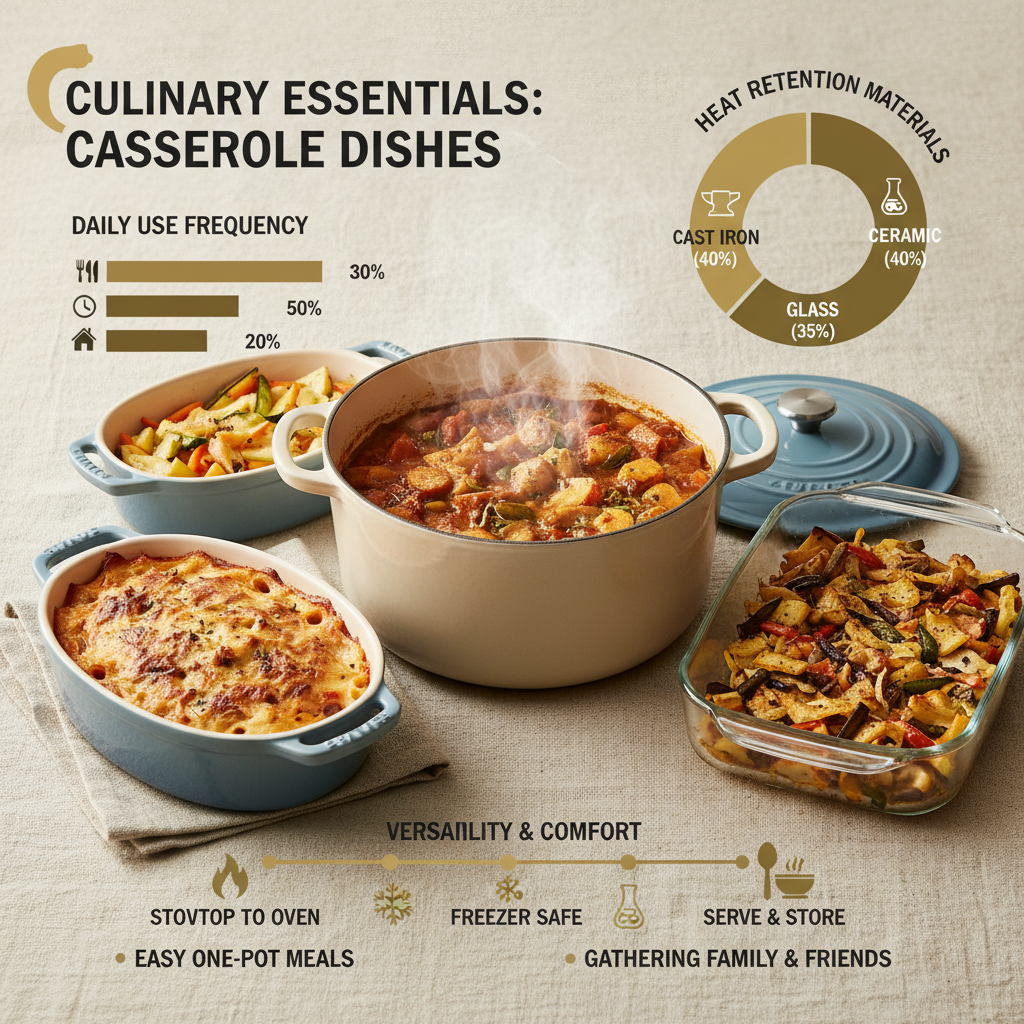
Casseroles come in various shapes, sizes, and materials. Glass casseroles are popular for their ability to show off the layers of food, making them visually appealing. Ceramic casseroles are known for their even heat distribution. However, for superior heat retention and durability, cast iron casseroles stand out. Cast iron excels at maintaining consistent temperatures, resulting in perfectly cooked casseroles with crispy tops and tender interiors. They are also incredibly durable and can last for generations with proper care.
Cast Iron Casseroles: A Superior Choice
When it comes to casseroles, cast iron offers unparalleled benefits. Its exceptional heat retention ensures even cooking and prevents hot spots. The material is incredibly durable, capable of withstanding high temperatures and frequent use. A well-seasoned cast iron casserole also boasts natural non-stick properties, making cleanup a breeze. Furthermore, cast iron casseroles can seamlessly transition from stovetop to oven to table, adding a touch of rustic charm to your dining experience.
Choosing the Right Casserole for You
Selecting the perfect casserole depends on your individual needs and preferences. Consider the size of your family or the number of people you typically cook for. Think about the types of casseroles you plan to make – a deeper dish is ideal for layered recipes, while a wider dish is better for bubbling gratins. If you prioritize durability and even heating, a cast iron casserole is an excellent investment. Don't hesitate to explore different options and find the casserole that best suits your cooking style.
Conclusion: Embrace the Comfort of Casseroles
The casserole is more than just a cooking dish – it's a symbol of comfort, family, and delicious home-cooked meals. Whether you're a seasoned chef or a beginner cook, a casserole will quickly become a staple in your kitchen. Investing in a quality casserole, especially one made from durable cast iron, ensures years of flavorful and satisfying meals. So, embrace the versatility and convenience of the casserole and start creating culinary memories today!
Frequently Asked Questions (FAQs)
How do I properly season a cast iron casserole?
Seasoning a cast iron casserole is crucial for creating a natural non-stick surface and protecting it from rust. Start by washing the casserole with warm, soapy water and drying it thoroughly. Then, apply a thin, even coat of cooking oil (such as vegetable oil or flaxseed oil) to all surfaces, inside and out. Wipe off any excess oil. Place the casserole upside down in a preheated oven at 350°F (175°C) for one hour. Let it cool completely in the oven. Repeat this process several times to build up a robust seasoning layer. Regular use will also help maintain the seasoning.
Can I use metal utensils in a cast iron casserole?
While cast iron is durable, using metal utensils can potentially scratch the seasoning. It's best to use wooden, silicone, or plastic utensils to avoid damaging the surface. Gentle scraping is acceptable, but avoid aggressive scrubbing with metal tools. A well-seasoned cast iron casserole can withstand occasional use of metal utensils, but minimizing their use will help preserve the seasoning for longer.
How do I clean a cast iron casserole?
Avoid soaking a cast iron casserole in water for extended periods, as this can cause rust. After use, scrape away any food residue with a wooden or plastic utensil. Wash the casserole with warm water and a mild dish soap (use sparingly). Dry it thoroughly with a clean towel. If necessary, you can gently heat the casserole on the stovetop to ensure it's completely dry. Apply a thin coat of oil after cleaning to help maintain the seasoning.
Are cast iron casseroles suitable for all stovetops?
Cast iron casseroles are generally suitable for all stovetops, including gas, electric, and induction. However, it's important to be mindful of the potential for scratching glass or ceramic stovetops. Lift and move the casserole instead of sliding it across the surface. Cast iron distributes heat evenly, making it an excellent choice for all types of cooking.
-
How to Choose and Maintain the Perfect Frying Pan for CookingNewsApr.16,2026
-
Mastering the Art of Cooking with a Dutch Oven GuideNewsApr.09,2026
-
Choosing the Right Cookware A Guide to Hapich Cast Iron for Culinary ExcellenceNewsApr.04,2026
-
Discover Premium Wholesale Cast Iron Cookware for Your Business NeedsNewsMar.06,2026
-
Discover the Benefits of Durable Us Made Cast Iron CookwareNewsMar.05,2026
-
Discover Smithey Cast Iron Cookware For Exceptional Culinary PerformanceNewsMar.04,2026
-
Discover the Allure of Scandinavian Cast Iron Cookware for Modern KitchensNewsMar.03,2026