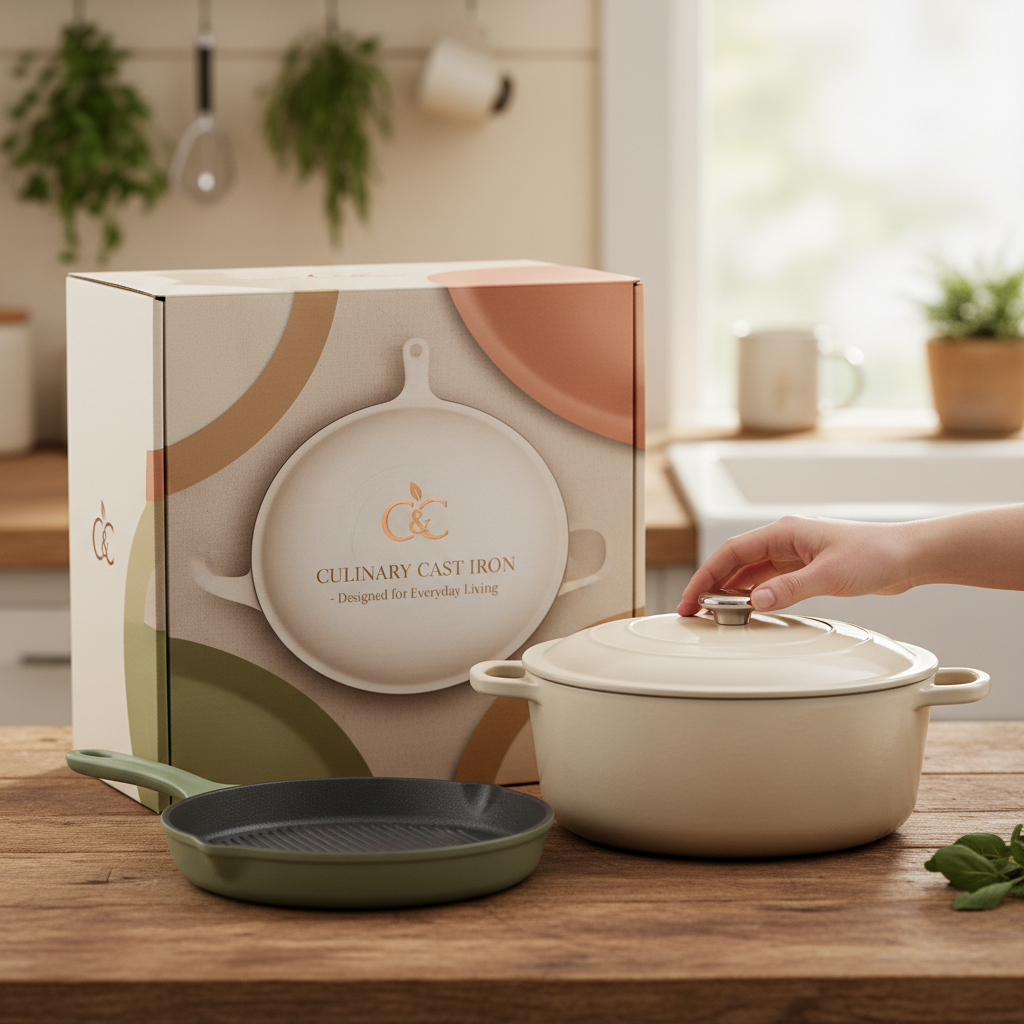
Enamel covered cast iron cookware represents a culinary tradition spanning centuries, increasingly relevant in today's health-conscious and sustainability-focused world. Originally prized for its durability and even heat distribution, this cookware has experienced a resurgence in popularity. Globally, the demand for high-quality, long-lasting kitchenware is steadily rising, fueled by a desire for authentic cooking experiences and a rejection of disposable consumerism. enamel covered cast iron cookware offers a compelling solution, blending timeless craftsmanship with modern lifestyle needs.
The global cookware market is a multi-billion dollar industry, with cast iron representing a significant and growing segment. Factors driving this growth include an increased focus on home cooking, particularly since the pandemic, and a renewed appreciation for traditional cooking methods. Regulations surrounding food safety and material composition are also influencing consumer preferences, favoring materials like cast iron that are naturally inert and free from harmful chemicals. The production and trade of enamel covered cast iron cookware are therefore impacted by international trade agreements and quality standards.
However, challenges remain, including the energy-intensive nature of cast iron production and concerns about lead and cadmium content in some enamel coatings. Addressing these concerns through sustainable manufacturing processes and rigorous quality control is crucial for ensuring the long-term viability and ethical production of enamel covered cast iron cookware. Understanding these complexities is key to making informed purchasing decisions and supporting responsible manufacturers.
The History and Evolution of enamel covered cast iron cookware
The roots of cast iron cookware extend back thousands of years, but the addition of enamel coating is a relatively more recent innovation. Initially developed in Prussia during the 18th century, enamel technology allowed for the creation of cast iron cookware that was both durable and resistant to rust. This breakthrough significantly expanded the usability of cast iron, making it suitable for a wider range of cooking applications. enamel covered cast iron cookware quickly became a staple in kitchens across Europe and eventually spread globally.
Throughout the 19th and 20th centuries, manufacturers refined the enamel coating process, experimenting with different compositions and application techniques to enhance durability and aesthetic appeal. The iconic blue enamel finish, often associated with vintage cookware, became a symbol of quality and craftsmanship. Today, modern enamel formulations offer improved chip resistance and a wider variety of color options, while still maintaining the core benefits of cast iron – exceptional heat retention and even cooking.
Defining enamel covered cast iron cookware
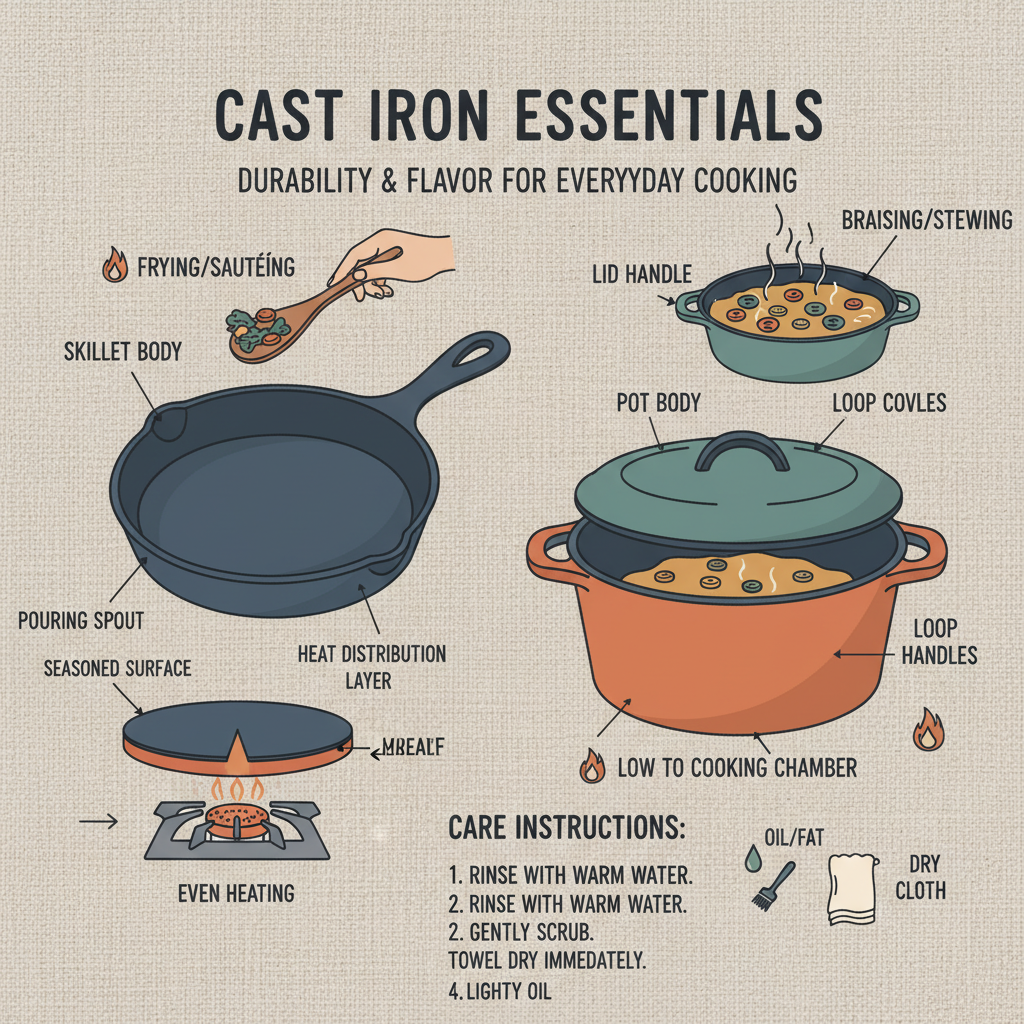
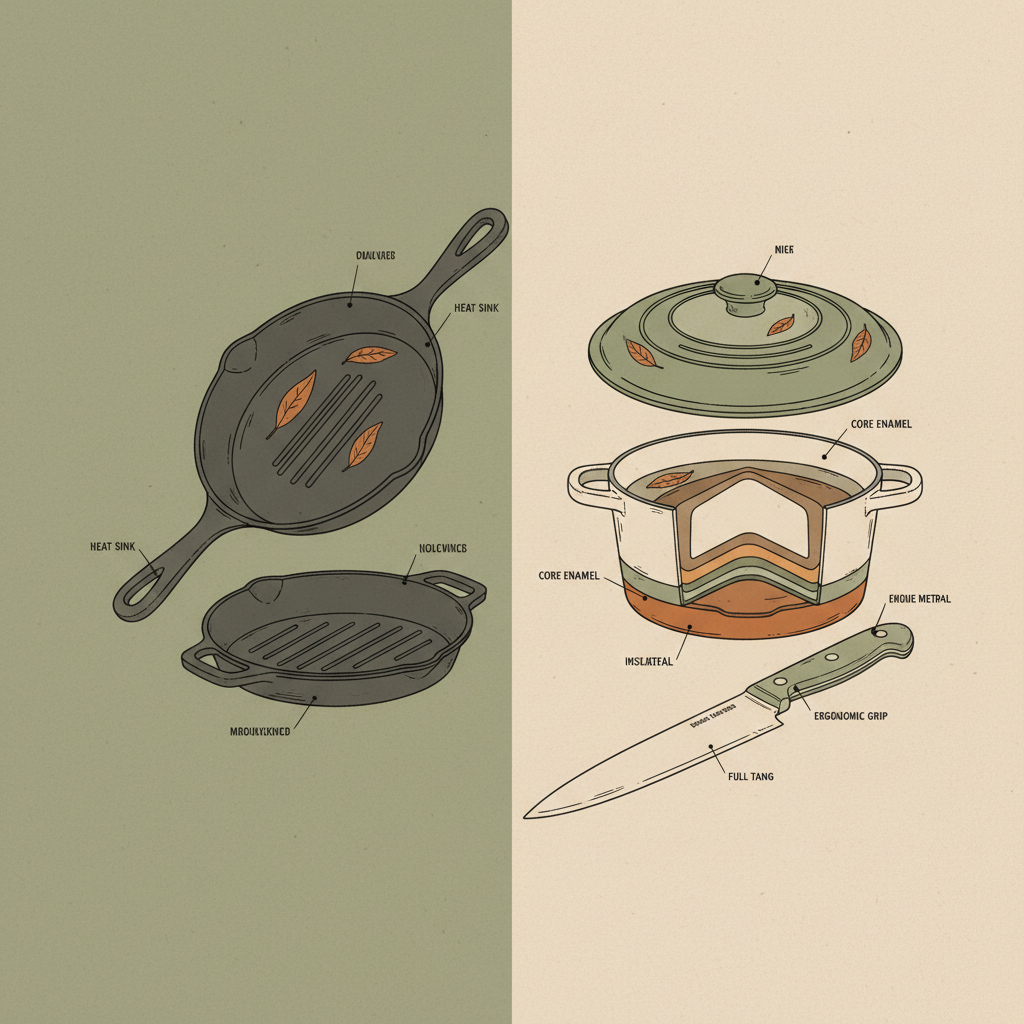
Enamel covered cast iron cookware is fundamentally cast iron cookware – typically made from iron with a high carbon content – that has been coated with porcelain enamel. This enamel coating is a glass-like substance fused to the iron at high temperatures. The cast iron provides exceptional heat retention and distribution, while the enamel coating prevents rusting and imparts a non-reactive cooking surface, making it ideal for acidic foods.
The process of enameling involves carefully cleaning the cast iron surface, applying multiple layers of enamel slurry, and then firing the piece in a kiln. The high temperatures cause the enamel to bond permanently with the iron, creating a smooth, durable finish. This combination of materials results in cookware that is incredibly versatile and can be used on a variety of cooktops, as well as in the oven and even over open flames.
Unlike traditional bare cast iron, enamel covered cast iron cookware requires minimal seasoning, eliminating the need for frequent oiling and maintenance. This convenience, coupled with its exceptional performance, has made it a favorite among both professional chefs and home cooks.
Key Characteristics of enamel covered cast iron cookware
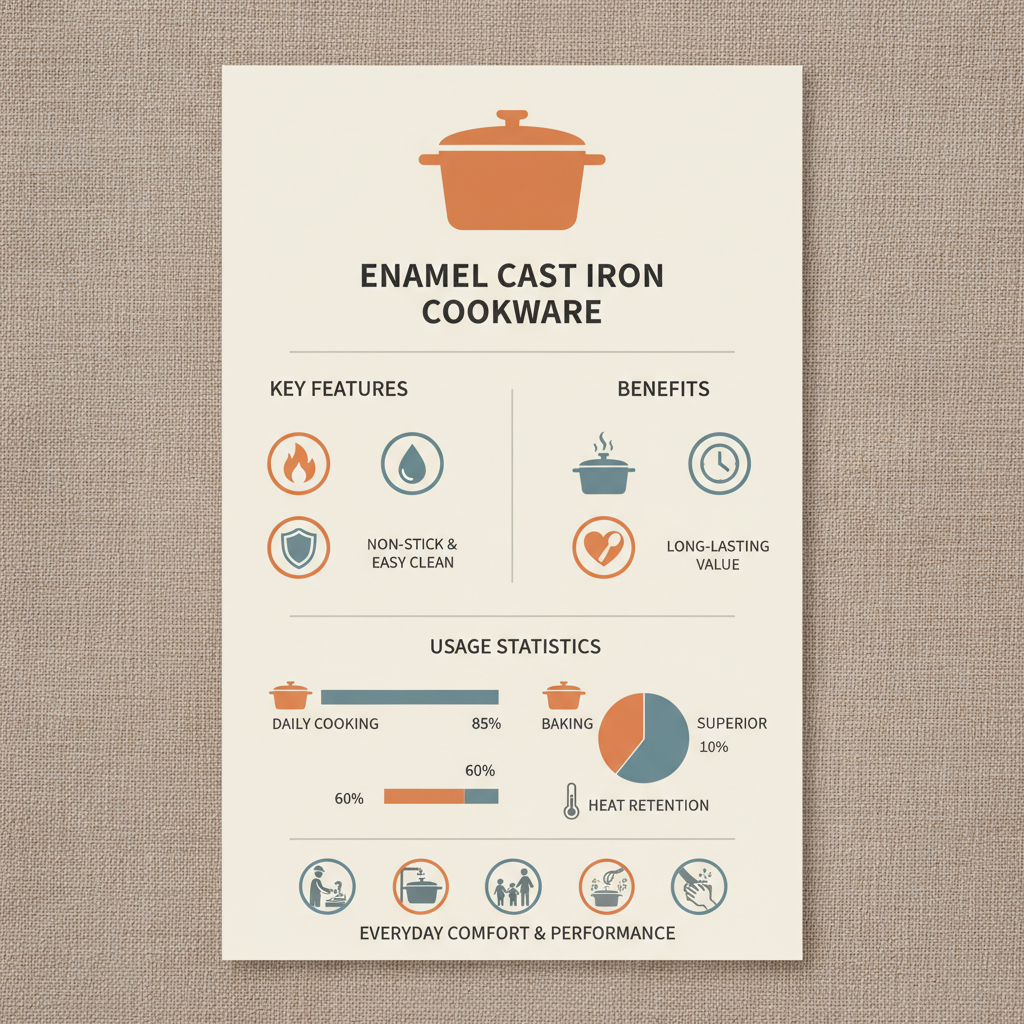
One of the most defining characteristics of enamel covered cast iron cookware is its superior heat retention. Cast iron is a naturally excellent conductor of heat, meaning it heats up slowly but evenly, and then holds that heat for an extended period. This is particularly beneficial for slow cooking, braising, and maintaining consistent temperatures.
Another crucial characteristic is its even heat distribution. Unlike some other cookware materials that can develop hot spots, cast iron distributes heat uniformly across the entire cooking surface, preventing food from burning in certain areas while remaining undercooked in others. This is particularly important for delicate dishes like sauces and custards.
The enamel coating adds further benefits, including rust resistance, a non-reactive cooking surface that won't impart metallic flavors to food, and ease of cleaning. The smooth enamel surface also prevents food from sticking, making it easier to cook with less oil.
Global Applications of enamel covered cast iron cookware
enamel covered cast iron cookware finds application in diverse culinary traditions worldwide. In France, it's integral to classic stews and braises (coq au vin, beef bourguignon). Across the Mediterranean, it’s utilized for slow-cooked tagines and seafood dishes. In the Americas, it’s a favorite for chili, cornbread, and roasting meats.
Its robust nature makes it popular in professional kitchens globally, valued for its durability and performance under demanding conditions. Increasingly, it's also gaining traction in outdoor cooking, used for camping, Dutch oven cooking competitions, and grilling. The versatility of this cookware bridges cultural boundaries.
In regions experiencing food insecurity or disaster relief efforts, durable cookware like enamel covered cast iron can provide a reliable means of preparing nutritious meals. Its longevity and ability to withstand harsh conditions make it a valuable asset in sustainable food systems.
Comparison of Performance Across Different enamel covered cast iron cookware Methods
Advantages and Long-Term Value
The longevity of enamel covered cast iron cookware provides substantial cost savings over time, eliminating the need for frequent replacements. Its durability minimizes waste, aligning with sustainable consumption practices. Beyond financial benefits, the quality of cooking and the enjoyment derived from using well-crafted cookware contribute to a higher quality of life.
From an environmental perspective, its durability reduces the demand for new production, lessening the carbon footprint. Furthermore, responsible manufacturers are increasingly prioritizing sustainable sourcing of materials and minimizing energy consumption during the production process.
Future Trends and Innovations
Ongoing research focuses on improving enamel formulations to enhance chip resistance and expand color options. The integration of smart technology, such as temperature sensors embedded within the cookware, is another emerging trend, allowing for more precise cooking control.
Increased emphasis on sustainable manufacturing practices, including the use of recycled materials and renewable energy sources, will shape the future of the industry. Digital design and 3D printing may enable customized cookware tailored to individual cooking preferences.
Challenges and Sustainable Solutions
A key challenge remains the energy-intensive nature of cast iron production and the potential for heavy metal contamination in some enamel coatings. Addressing these issues requires investment in energy-efficient manufacturing technologies and rigorous quality control measures.
Developing more sustainable enamel formulations, utilizing recycled materials, and implementing closed-loop manufacturing processes are crucial steps towards mitigating environmental impacts. Transparency in sourcing and manufacturing practices is also essential for building consumer trust.
Promoting the repair and restoration of enamel covered cast iron cookware, rather than disposal, further extends its lifespan and reduces waste.
Summary of Challenges and Sustainable Solutions for enamel covered cast iron cookware
| Challenge |
Impact Area |
Sustainability Solution |
Implementation Difficulty (1-10) |
| High Energy Consumption in Production |
Environmental |
Transition to Renewable Energy Sources |
7 |
| Potential for Lead/Cadmium in Enamel |
Health & Safety |
Develop Lead-Free/Cadmium-Free Enamel Formulations |
6 |
| Waste Generation during Manufacturing |
Environmental |
Implement Closed-Loop Recycling Systems |
8 |
| Limited Transparency in Supply Chains |
Ethical Sourcing |
Traceable Supply Chain Management |
9 |
| Durability Concerns (Chip Resistance) |
Product Longevity |
Develop Enhanced Enamel Coatings |
5 |
| Disposal Challenges (End-of-Life) |
Circular Economy |
Promote Repair/Restoration Services |
4 |
FAQS
Enamel covered cast iron offers superior heat retention and even distribution compared to stainless steel, making it ideal for slow cooking and braising. While stainless steel is known for its durability, enamel cast iron provides a naturally non-reactive cooking surface, eliminating concerns about metallic tastes in food. Its weight and heat retention allow for lower cooking temperatures, saving energy and producing more tender results.
Yes, unlike bare cast iron, the enamel coating on enamel covered cast iron cookware prevents acidic foods from reacting with the iron. This eliminates the risk of metallic flavors or leaching of iron into your food. You can safely cook tomato sauces, citrus-based dishes, and other acidic ingredients without any concerns.
Generally, enamel covered cast iron is easy to care for. Avoid using abrasive cleaners or scouring pads, as these can damage the enamel coating. Hand washing with warm, soapy water is recommended. For stubborn food residue, soak the cookware in warm water before cleaning. It’s also best to avoid drastic temperature changes, which can cause thermal shock.
While enamel is durable, using metal utensils with excessive force can potentially chip or scratch the enamel coating over time. We recommend using wooden, silicone, or nylon utensils to prolong the life of your cookware. Gentle use of metal utensils is typically acceptable, but avoid aggressive scraping or digging.
Most enamel covered cast iron cookware is compatible with gas, electric, ceramic, and induction stovetops. However, it’s always best to check the manufacturer’s instructions to ensure compatibility. Avoid using cast iron cookware on glass cooktops if it has a rough or unfinished base, as this could scratch the glass surface.
Small chips in the enamel coating are often cosmetic and don't necessarily affect the functionality of the cookware. However, larger chips or cracks can expose the iron underneath to rusting. In such cases, it’s best to discontinue use to avoid potential contamination. Contact the manufacturer for advice on repair or replacement options.
Conclusion
In conclusion, enamel covered cast iron cookware represents a remarkable blend of tradition and innovation, offering unparalleled performance, durability, and versatility in the kitchen. From its historical roots to its modern applications, this cookware has proven its enduring value as a culinary essential. Its ability to distribute heat evenly, retain warmth, and resist corrosion makes it a superior choice for a wide range of cooking techniques.
Looking ahead, the future of enamel covered cast iron cookware lies in sustainable manufacturing practices, innovative materials, and a renewed appreciation for quality craftsmanship. By embracing these principles, we can ensure that this timeless cookware continues to grace kitchens and enhance culinary experiences for generations to come. Visit our website at www.hapichefcastiron.com to explore our collection and experience the difference.