Cast iron griddles have become a kitchen staple for both home cooks and professional chefs, revered for their exceptional heat retention and versatility. From searing steaks to crafting fluffy pancakes, these griddles offer a cooking experience unlike any other. Their durability and ability to distribute heat evenly make them ideal for a wide array of culinary applications, creating a connection to both traditional cooking methods and modern gastronomic innovation.
The global demand for cast iron griddles is steadily increasing, driven by a renewed interest in sustainable and long-lasting cookware. According to recent market reports, the cookware segment is experiencing substantial growth, with cast iron products leading the charge due to their perceived value and performance. This surge in popularity isn’t just about cooking; it reflects a broader consumer shift toward quality, durability, and a desire to reconnect with the art of cooking.
Beyond the kitchen, cast iron griddles are playing a role in outdoor cooking and even emergency preparedness. Their robustness makes them perfect for camping and tailgating, and their ability to retain heat even over open flames is a significant advantage in survival situations. The versatility and longevity of these griddles position them as more than just cookware; they are a culinary investment.
The Enduring Appeal of cast iron griddles
The resurgence of interest in cast iron griddles is rooted in a desire for cooking tools that are both functional and timeless. Unlike non-stick surfaces that degrade over time, a properly seasoned cast iron griddle can last for generations, becoming a cherished family heirloom. This longevity, coupled with their ability to impart a unique flavor profile to food, has propelled them to the forefront of modern cooking trends.
The appeal of these griddles extends beyond their practicality; they represent a connection to culinary traditions and a rejection of disposable consumerism. The tactile experience of cooking on cast iron – the weight, the heat responsiveness – is profoundly satisfying for many cooks, adding a dimension of enjoyment that’s often missing with modern appliances.
Historical Context and Global Relevance
The history of cast iron griddles dates back centuries, with evidence of iron cookware appearing as early as ancient China. Over time, various cultures adopted and refined the process of casting iron, leading to the development of the griddles we know today. In the United States, cast iron cookware became particularly popular in the 19th and early 20th centuries, favored for its durability and affordability.
Today, cast iron griddles are used globally, with regional variations in design and usage. In Japan, teppanyaki griddles, a form of flat-iron grilling, are a cornerstone of culinary entertainment. Across Europe, they're prized for their ability to create perfectly seared meats and vegetables. The versatility of cast iron has allowed it to integrate seamlessly into diverse culinary traditions worldwide.
The global market for cookware, including cast iron, is projected to reach significant heights in the coming years, driven by factors such as rising disposable incomes and increasing awareness of healthy cooking practices. According to a report by the World Bank, consumer spending on durable goods is on the rise in many developing nations, creating opportunities for growth in the cookware sector.
Defining Features of cast iron griddles
Cast iron griddles are characterized by their composition – typically a high carbon content iron alloy – and their manufacturing process, which involves pouring molten iron into a mold. This process results in a dense, heavy cookware piece that is exceptionally durable and capable of retaining heat for extended periods. The surface of a cast iron griddle, when properly seasoned, develops a natural non-stick patina.
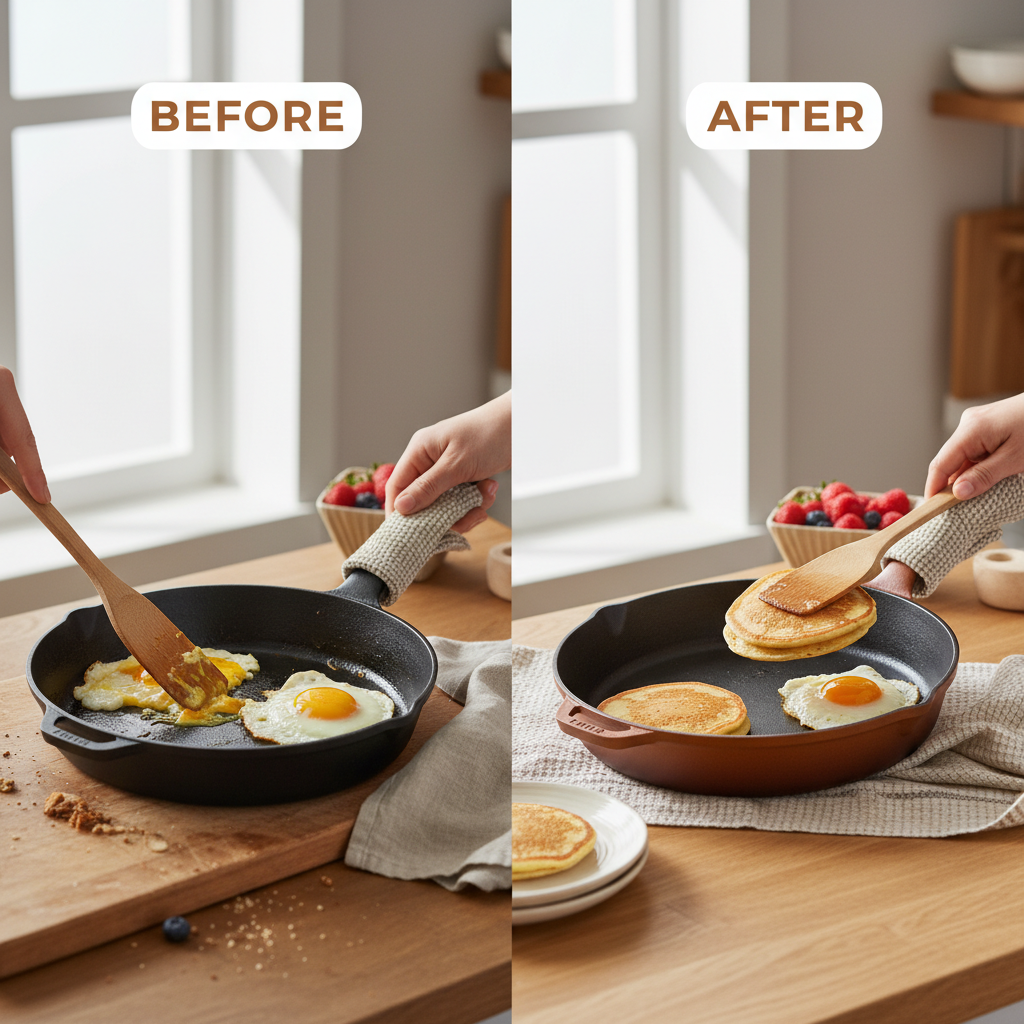
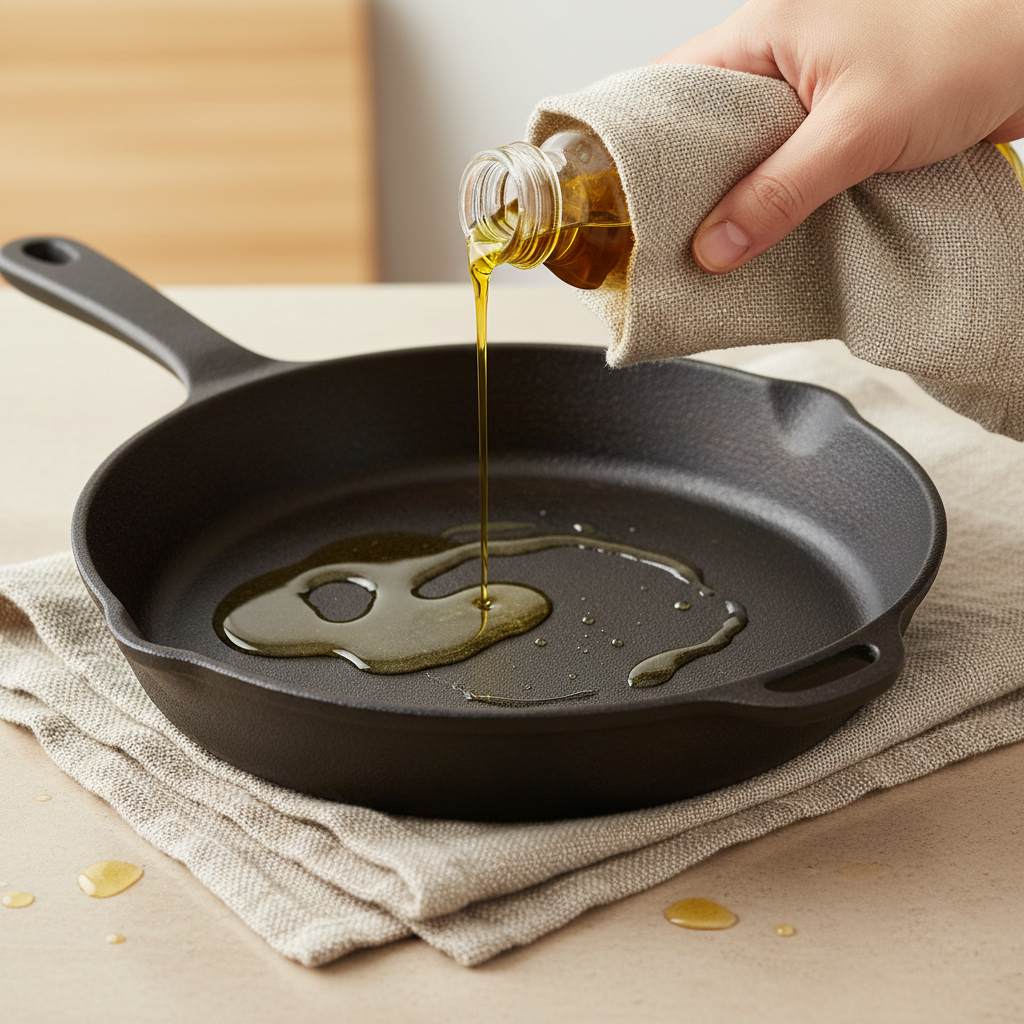
A crucial aspect of a cast iron griddle is the “seasoning” process – the repeated application and baking of oil, which creates a polymerized layer that protects the iron from rust and provides a naturally non-stick cooking surface. This seasoning builds up over time with use, enhancing both the performance and flavor-imparting capabilities of the griddle.
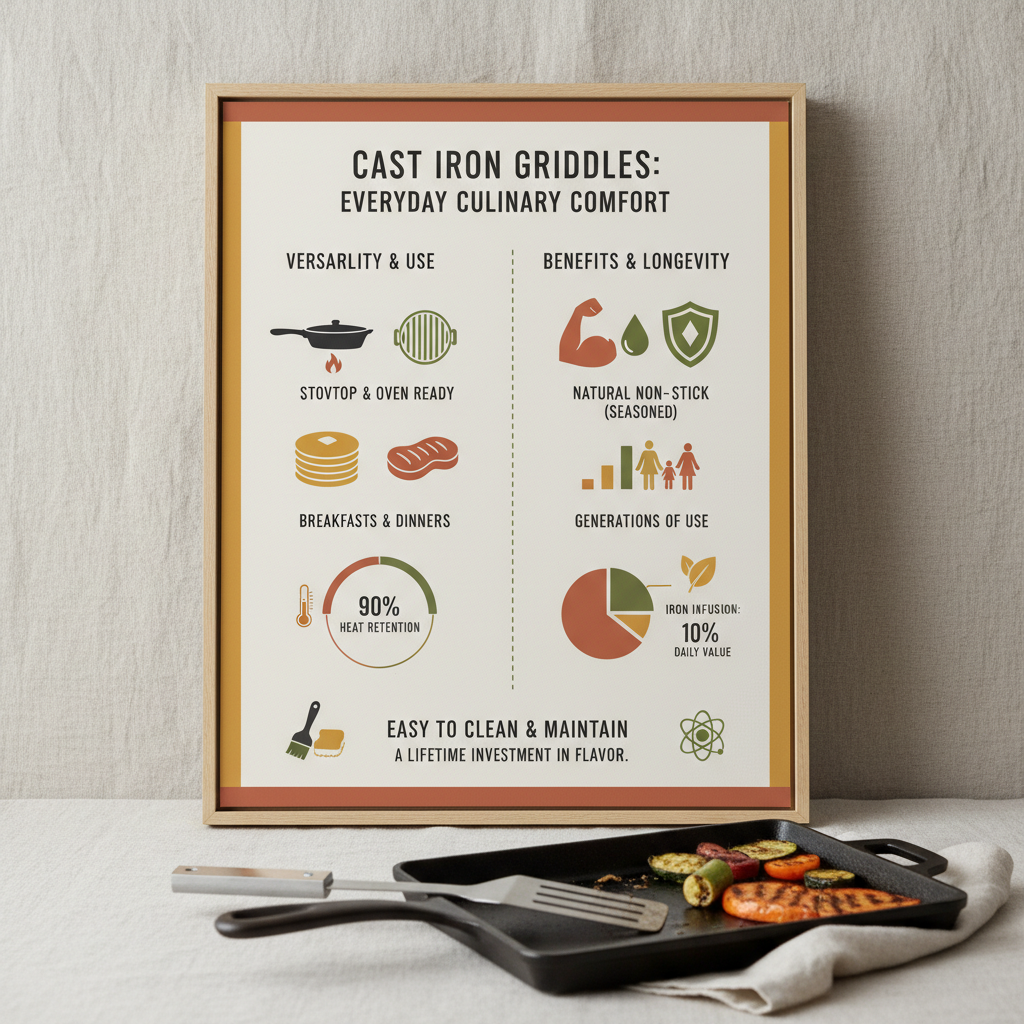
Unlike other types of cookware, cast iron griddles can be used on a variety of heat sources, including stovetops, ovens, campfires, and grills. This versatility, combined with their durability, makes them an invaluable asset in any kitchen or outdoor cooking setup.
Core Components and Performance Attributes
The key to the performance of cast iron griddles lies in their core attributes. Firstly, their exceptional heat retention means they maintain consistent temperatures even when adding cold ingredients, leading to even cooking. Secondly, their ability to distribute heat evenly prevents hot spots, ensuring food cooks uniformly.
Another critical factor is the thermal mass. The substantial weight of cast iron allows it to absorb and store a significant amount of heat, providing a stable cooking environment. The composition also contributes to even heat distribution and superior sear capability.
Cast Iron Griddle Performance Attributes
Diverse Applications and Worldwide Usage
Cast iron griddles find application in a vast range of culinary scenarios. From breakfast staples like pancakes and bacon to sophisticated dishes like seared scallops and steaks, their versatility is unmatched. Many professional chefs favor cast iron for its ability to achieve a perfect sear on meats and vegetables.
In South America, cast iron griddles, known as "planchas", are central to street food culture, used for preparing everything from grilled meats to arepas. In many parts of Asia, similar flat-iron cooking methods have been practiced for centuries, adapting to local ingredients and flavors.
Advantages and Lasting Value Proposition
The advantages of owning a cast iron griddle are numerous. Their longevity means they offer exceptional value over time, potentially lasting a lifetime with proper care. Their heat retention properties translate into energy savings, as they require less energy to maintain cooking temperatures.
Beyond the practical benefits, there's an emotional connection many people have with cast iron. The tradition of passing down a well-seasoned griddle through generations fosters a sense of family history and culinary heritage. Furthermore, the natural non-stick surface reduces the need for oils and fats, promoting healthier cooking.
The durability and minimal maintenance requirements contribute to their sustainability, reducing the need for frequent replacements compared to other types of cookware. This aligns with growing consumer awareness of environmental impact and the desire for long-lasting products.
Future Trends and Innovations in cast iron griddles
The future of cast iron griddles isn’t simply about maintaining the status quo. Innovations in materials and manufacturing are underway, focusing on reducing weight while preserving heat retention. Some manufacturers are exploring the use of alloy combinations to enhance durability and improve seasoning properties.
Digital integration is also emerging as a trend. Smart cast iron griddles with embedded sensors are being developed to provide precise temperature control and cooking guidance via smartphone apps. This combines the traditional benefits of cast iron with the convenience of modern technology.
Sustainability remains a key focus, with increasing efforts to utilize recycled iron and minimize the environmental impact of the manufacturing process. These developments ensure that cast iron griddles will continue to be a relevant and valuable part of the culinary landscape for years to come.
Summary of Future Trends in Cast Iron Griddle Development
| Innovation Area |
Current Status |
Potential Impact |
Timeline (Years) |
| Material Composition |
Researching alloy combinations for lighter weight |
Enhanced portability and ease of handling |
3-5 |
| Smart Technology Integration |
Prototyping griddles with embedded temperature sensors |
Precise cooking control and recipe guidance |
2-4 |
| Seasoning Enhancement |
Developing pre-seasoned griddles with improved non-stick properties |
Reduced maintenance and improved cooking experience |
1-3 |
| Sustainable Manufacturing |
Increasing use of recycled iron in production |
Reduced environmental impact and responsible sourcing |
Ongoing |
| Surface Texture Innovation |
Experimenting with different surface textures for varied cooking needs |
Optimized performance for specific dishes (e.g., searing, grilling) |
2-5 |
| Ergonomic Design |
Improving handle designs for better grip and comfort |
Enhanced user experience and safety |
1-2 |
FAQS
Seasoning a new cast iron griddle involves applying a thin layer of oil (like flaxseed, canola, or vegetable oil) to all surfaces, then baking it upside down in a 350-400°F oven for an hour. Repeat this process 3-4 times to build a strong, protective layer. The key is a very thin coat of oil to avoid stickiness. Properly seasoned cast iron develops a natural, non-stick surface over time with consistent use and re-seasoning as needed.
Rust is the enemy of cast iron! To prevent it, always dry your griddle thoroughly after washing. A light coating of oil after drying helps create a protective barrier. Avoid soaking it in water or letting it sit wet for extended periods. If rust does appear, scrub it off with steel wool, then re-season the affected area. Proper maintenance keeps your griddle in prime condition.
While traditionally discouraged, modern dish soaps are generally safe to use on well-seasoned cast iron. However, use it sparingly and avoid harsh detergents. Immediately rinse and dry the griddle thoroughly after washing to prevent rust. The key is a good seasoning layer that protects the iron from the effects of soap and water. A little soap is fine, but excessive amounts can strip the seasoning.
While metal utensils can be used on a well-seasoned cast iron griddle, using wooden or silicone utensils is recommended to avoid scratching or chipping the seasoning. Sharp edges on metal utensils can damage the protective layer over time. Prioritizing gentle tools helps maintain the non-stick surface and prolong the lifespan of your griddle.
For stuck-on food, try adding water and bringing the griddle to a simmer on the stovetop. This can loosen the debris. A plastic scraper can also be helpful. For particularly stubborn bits, use a chainmail scrubber or a paste of coarse salt and oil. Avoid abrasive cleaners that can strip the seasoning. Remember to re-season the area after cleaning.
Generally, yes, but exercise caution. The weight of a cast iron griddle can potentially crack a glass cooktop. Lift, don’t slide, the griddle to prevent scratching. Avoid dropping it onto the surface. If you have concerns about your cooktop’s durability, it’s best to use the cast iron griddle on a gas burner or outdoors.
Conclusion
Cast iron griddles represent more than just a cooking tool; they embody a legacy of culinary tradition, durability, and versatility. From their historical roots to their modern-day applications, these griddles have consistently proven their value in kitchens around the world. Their ability to retain heat, distribute it evenly, and develop a natural non-stick surface makes them a favorite among both amateur cooks and professional chefs.
Looking ahead, innovations in materials, design, and technology promise to further enhance the performance and convenience of cast iron griddles. As consumer demand for sustainable and long-lasting products continues to grow, the future looks bright for these timeless cooking companions. Visit our website at www.hapichefcastiron.com.com to explore our range of high-quality cast iron griddles and elevate your cooking experience.