The humble cast iron jaffle maker represents more than just a kitchen appliance; it embodies a tradition of simple, satisfying meals enjoyed across generations. From cozy family breakfasts to outdoor adventures, the jaffle maker’s ability to transform basic ingredients into a golden, sealed delight has made it a beloved staple. Its enduring popularity speaks to a desire for accessible, wholesome cooking, and its recent resurgence highlights a growing appreciation for durable, sustainable kitchenware.
Globally, there’s a burgeoning interest in outdoor cooking and ‘slow living’, driving demand for portable and versatile cooking solutions. Simultaneously, concerns around food security and resourcefulness are encouraging individuals to explore self-sufficiency and embrace time-tested cooking methods. The cast iron jaffle maker neatly addresses both these trends, offering a robust, off-grid cooking option that promotes creativity in the kitchen.
Understanding the nuances of cast iron jaffle makers – from material composition and seasoning techniques to their diverse applications – is crucial for maximizing their longevity and achieving optimal results. This knowledge empowers users to embrace a more sustainable and enjoyable cooking experience, moving beyond simple convenience to a connection with culinary heritage.
Introduction to the Cast Iron Jaffle Maker
The cast iron jaffle maker isn’t just a nostalgic throwback; it represents a practical and satisfying cooking method. Its simplicity belies a versatile tool capable of creating everything from classic ham and cheese jaffles to gourmet toasted sandwiches and even dessert pockets. This enduring appeal makes it a captivating subject for exploration.
Beyond the culinary aspect, the durability and sustainability of cast iron resonate with modern consumers. A well-maintained cast iron jaffle maker can last for generations, reducing the need for frequent replacements and minimizing environmental impact – a significant benefit in today’s world.
Defining the Cast Iron Jaffle Maker
A cast iron jaffle maker, at its core, is a two-piece cooking tool crafted from cast iron. These pieces are hinged or connected with a handle, designed to enclose a filling between two heated surfaces. The process involves placing the filled bread within the maker and cooking it over an open flame, stovetop, or even hot coals.
Its connection to modern industry lies in the continued demand for durable, non-toxic cooking equipment. Cast iron, being naturally non-stick when seasoned correctly, offers a healthier alternative to many modern coated cookware options. Furthermore, the simplicity of the design lends itself to mass production, making it accessible to a wide range of consumers.
In humanitarian contexts, the cast iron jaffle maker provides a reliable cooking solution in areas with limited access to electricity or sophisticated kitchen appliances. Its ability to operate over simple heat sources makes it a valuable tool for preparing nutritious meals in challenging environments.
Core Components & Characteristics
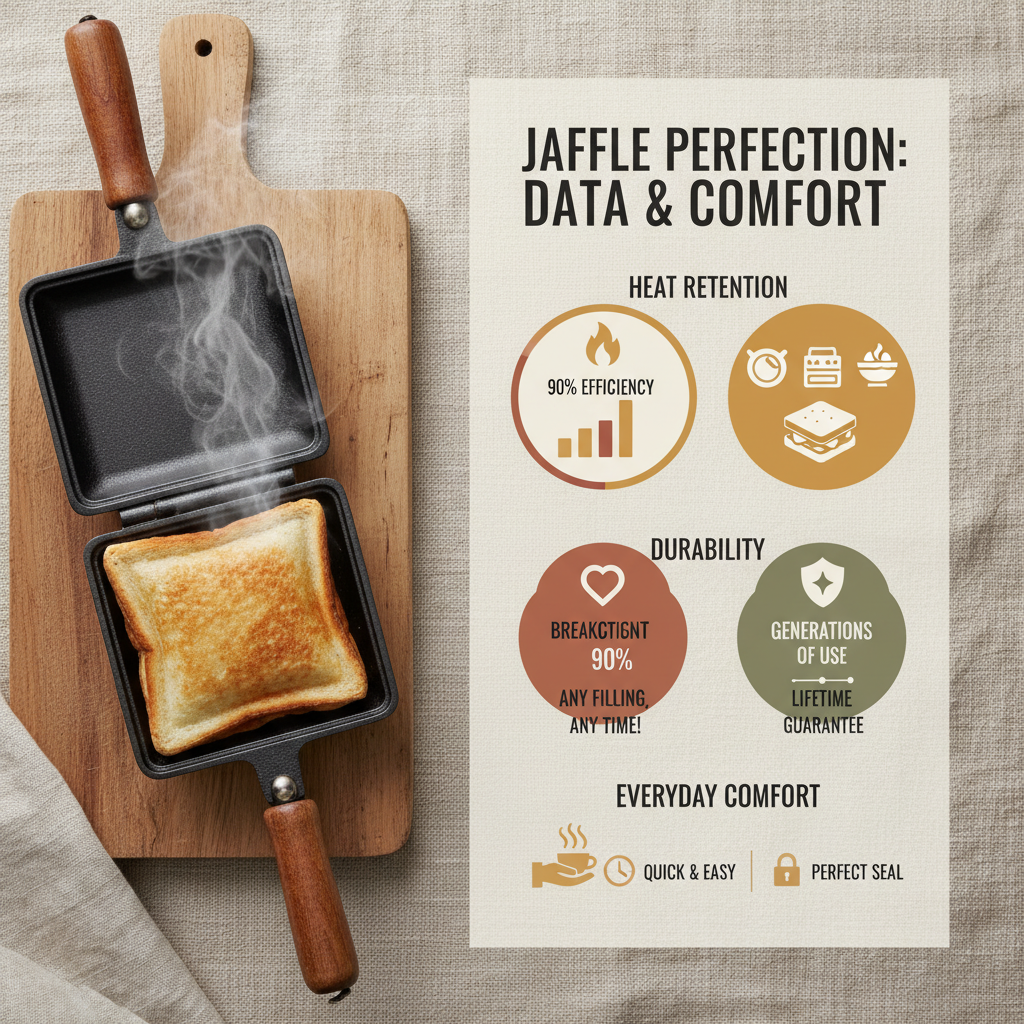
The defining characteristic of a cast iron jaffle maker is its construction material. Cast iron is an alloy of iron, carbon, and silicon, prized for its heat retention and even heating properties. This ensures that the bread is cooked evenly and the filling is heated through, resulting in a perfectly golden and sealed jaffle.
Another crucial aspect is the hinge mechanism or connecting system. Whether it’s a simple screw and bolt or a more elaborate hinge, this component allows for easy opening and closing of the maker, facilitating the filling and removal of the jaffle. A secure hinge is vital for maintaining even pressure during cooking.
Finally, the seasoning of the cast iron is paramount. A properly seasoned surface creates a natural non-stick layer, preventing the jaffle from sticking and making cleaning a breeze. Seasoning involves coating the iron with oil and heating it to create a polymerized surface.
Key Factors Influencing Performance
Heat Retention is arguably the most important factor. Cast iron's exceptional heat retention ensures consistent cooking temperatures, leading to evenly browned jaffles. Variations in iron thickness and composition will affect the speed and evenness of heat distribution.
Seasoning Quality directly impacts the non-stick performance. A well-seasoned surface reduces sticking and simplifies cleaning. Consistent re-seasoning is crucial for maintaining optimal performance and preventing rust.
Cast Iron Jaffle Maker Performance Metrics
Global Applications & Culinary Uses
The cast iron jaffle maker enjoys widespread popularity in Australia and New Zealand, where it’s often associated with outdoor picnics and casual gatherings. Variations exist, including models designed for specific heat sources, like campfires or gas stoves.
In post-disaster relief operations, these makers can provide a reliable means of preparing warm, comforting meals when conventional cooking facilities are unavailable. Their durability and ability to function with limited resources make them invaluable tools in emergency situations.
Advantages & Long-Term Value Proposition
The longevity of a cast iron jaffle maker is a major benefit. With proper care, it can last for decades, even generations, representing a significant cost saving compared to disposable or short-lived alternatives. This durability contributes to sustainability by reducing waste.
From an environmental standpoint, cast iron is a relatively sustainable material, requiring minimal processing. The ability to cook over open flames or alternative heat sources also reduces reliance on electricity or gas, further minimizing its environmental footprint.
The emotional value of a well-used cast iron jaffle maker shouldn’t be underestimated. It often becomes a cherished family heirloom, evoking memories of shared meals and outdoor adventures.
Future Trends & Innovations in Jaffle Making
We're seeing a trend towards integrated temperature control features in newer models. Some manufacturers are exploring designs that incorporate digital thermostats for precise cooking, improving consistency and ease of use.
Material science is also playing a role. Experimentation with different alloys and coatings is aimed at enhancing the non-stick properties of cast iron while minimizing the need for extensive seasoning. The development of lighter-weight cast iron options is also being explored to improve portability.
Sustainability initiatives are driving a focus on recycled cast iron and eco-friendly packaging. Consumers are increasingly seeking products that align with their environmental values, and manufacturers are responding accordingly.
Summary of Cast Iron Jaffle Maker Quality Control
| Material Quality |
Seasoning Effectiveness |
Hinge Durability |
Heat Distribution |
| High Grade Cast Iron |
Factory Pre-Seasoned - 8/10 |
Heavy Duty Steel Hinge |
Excellent and even. |
| Standard Cast Iron |
Requires initial seasoning – 6/10 |
Basic Hinge Design |
Good, but some hot spots. |
| Recycled Cast Iron |
Pre-Seasoned, rustic finish - 7/10 |
Reinforced Hinge |
Consistent heating. |
| Alloyed Cast Iron |
Non-Stick Coating – 9/10 |
Premium Hinge |
Superior heat distribution. |
| Low Carbon Cast Iron |
Minimal Seasoning Required – 7/10 |
Standard Hinge |
Average heat distribution. |
| Thin Cast Iron |
Requires frequent seasoning – 5/10 |
Basic Hinge |
Uneven heating. |
FAQS
Seasoning is key! Start by cleaning the maker thoroughly with warm water and a mild detergent. Dry it completely, then apply a very thin coat of cooking oil (flaxseed, canola, or vegetable oil work well) to all surfaces, inside and out. Bake it upside down in a 350°F (175°C) oven for an hour, then let it cool completely. Repeat this process several times to build up a good base layer. Regular use will continue to improve the seasoning.
Avoid harsh soaps and abrasive cleaners. After use, while still warm, scrape out any food residue with a spatula. Wash with warm water and a soft brush. Dry immediately and thoroughly to prevent rust. A light coating of oil after drying will help maintain the seasoning. Never soak cast iron in water for extended periods.
Yes, you can! However, be mindful of your stovetop material. Glass-top stoves can be scratched by cast iron, so lift the maker rather than sliding it. Ensure the maker is stable and centered on the burner for even heating. Using a lower heat setting initially can help prevent scorching.
A well-seasoned maker is crucial for preventing sticking. Ensure the seasoning is maintained with regular use and re-seasoning if needed. Using a little butter or oil on the bread before placing it in the maker can also help. Avoid overloading the maker with filling, as this can increase the risk of sticking.
The possibilities are endless! Classic fillings include ham and cheese, tomato and cheese, and peanut butter and banana. However, don’t be afraid to experiment with savory options like chicken and pesto or sweet options like Nutella and strawberries. Just avoid overly wet fillings to prevent soggy jaffles.
Yes, cast iron is excellent for campfire cooking! However, use caution. Place the maker on a stable surface and use heat-resistant gloves. Avoid exposing the cast iron to sudden temperature changes, as this can cause it to crack. Regularly check for and remove any embers or ash that may accumulate on the maker's surface.
Conclusion
The cast iron jaffle maker represents a delightful intersection of tradition, functionality, and sustainability. Its enduring appeal stems from its simplicity, durability, and ability to deliver consistently delicious results. From humble family breakfasts to adventurous outdoor cooking, this versatile tool continues to enrich culinary experiences worldwide.
Investing in a cast iron jaffle maker is more than just acquiring a kitchen appliance; it’s embracing a legacy of wholesome cooking and mindful consumption. By understanding its nuances and practicing proper care, you can ensure years of enjoyment and contribute to a more sustainable lifestyle. Visit our website at www.hapichefcastiron.com.com to explore our range of cast iron jaffle makers and elevate your culinary adventures!