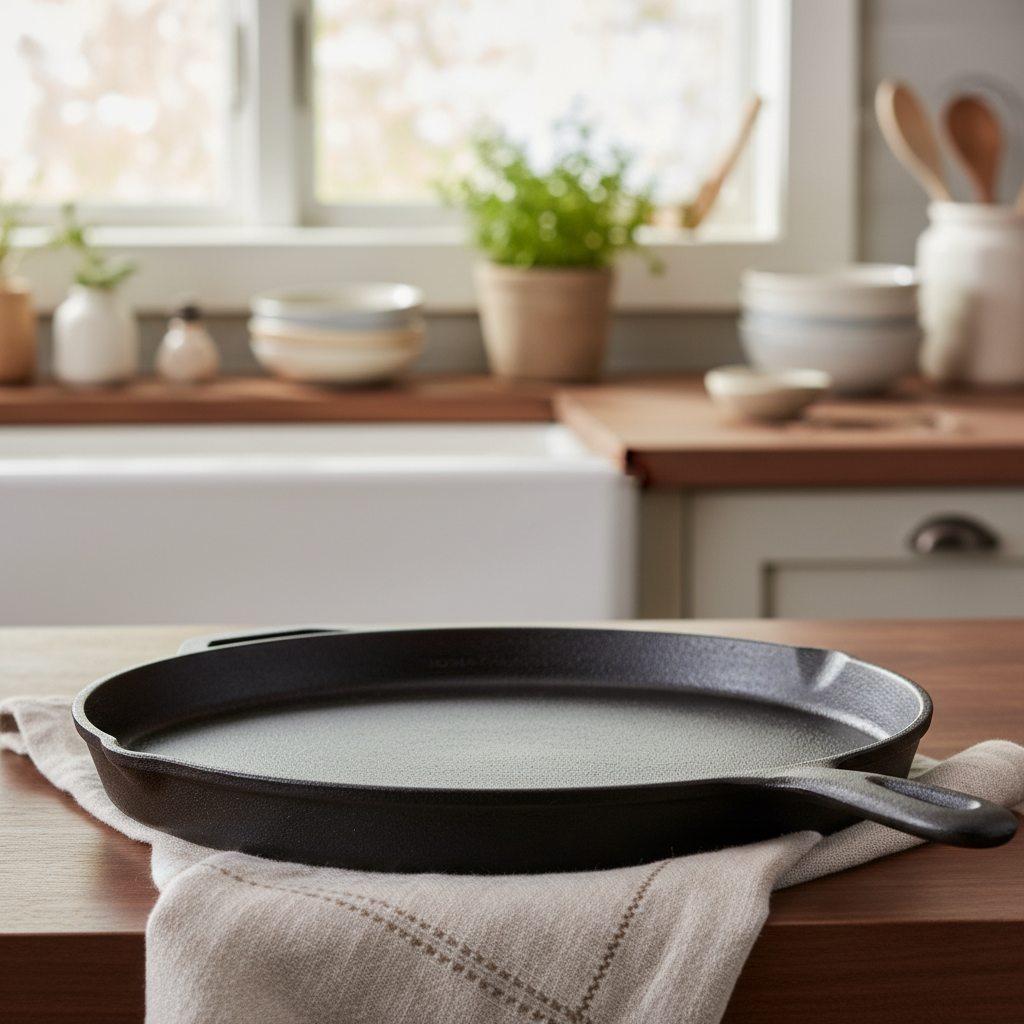
Bakeware, encompassing a wide array of cooking and baking tools, forms the cornerstone of culinary practices globally. From the simplest homes to professional kitchens, quality bakeware dictates not only the ease and efficiency of food preparation but also the outcome and enjoyment of the final product. Understanding the nuances of different bakeware materials, functionalities, and innovations is crucial for both home cooks and industry professionals alike. The global market for bakeware is substantial and continually evolving, driven by changing consumer preferences, technological advancements, and a growing emphasis on healthy eating and home-based cooking.
The demand for bakeware is intricately linked to global demographic shifts, dietary trends, and economic factors. A rising middle class in emerging economies often translates into increased spending on kitchen equipment, including bakeware. Moreover, the popularity of baking shows and online culinary communities fosters a greater interest in baking, subsequently boosting demand. However, challenges such as material sourcing, environmental sustainability, and ensuring product safety remain significant considerations for manufacturers and consumers worldwide.
The increasing focus on healthy lifestyles and ‘home comfort’ post-pandemic has significantly amplified the importance of reliable and versatile bakeware. Whether it’s preparing a quick weeknight meal or indulging in elaborate weekend baking projects, the right tools are essential. This demand extends beyond basic items, fueling innovation in specialized bakeware for specific dietary needs (gluten-free, vegan) and increasingly sophisticated baking techniques.
Introduction to Bakeware
Bakeware is more than just pans and molds; it's a system of tools that translates culinary vision into delectable reality. The evolution of bakeware has mirrored advancements in metallurgy, material science, and cooking techniques, leading to an incredibly diverse range of products available today. From traditional cast iron skillets to non-stick silicone molds, the choices can be overwhelming, yet understanding the fundamental characteristics of each material is key to successful baking and cooking.
The selection of appropriate bakeware directly impacts the outcome of recipes, influencing factors like heat distribution, cooking time, and ease of cleanup. Investing in high-quality bakeware isn't simply about acquiring tools; it's about enhancing the cooking experience, improving results, and fostering a love for creating in the kitchen. This commitment to quality extends to both home cooks and professional chefs, as dependable bakeware is essential for consistency and efficiency.
Defining Bakeware
Bakeware refers to all the cookware specifically designed for use in an oven or similar heated environment. This encompasses a broad category including baking pans (loaf, cake, muffin), baking sheets, roasting pans, pie dishes, casseroles, and specialized molds for individual desserts or pastries. The defining characteristic of bakeware is its ability to withstand high temperatures without warping, melting, or releasing harmful chemicals into food.
While often categorized separately, bakeware is closely related to cookware, with the primary distinction being intended usage. Cookware is generally used on stovetops for boiling, frying, or simmering, while bakeware is primarily used in ovens for baking, roasting, or broiling. However, some pieces can function in both capacities, such as cast iron skillets.
In modern culinary contexts, bakeware plays a vital role in both professional and home kitchens, enabling the preparation of a vast array of dishes – from simple cookies to elaborate multi-tiered cakes and savory roasted meals. The industry is constantly evolving to meet demands for innovative materials and designs to enhance both function and aesthetics.
Core Components of Quality Bakeware
Several key factors determine the quality and performance of bakeware. First, Material is paramount. Materials like stainless steel, aluminum, cast iron, silicone, and glass each have unique properties regarding heat conduction, retention, and reactivity with food. Second, Heat Distribution ensures even cooking, preventing hot spots that can lead to unevenly baked goods or scorched food. Third, Durability refers to the bakeware’s resistance to warping, scratching, and corrosion, ensuring longevity and consistent performance.
Another critical component is Non-Stick Properties, particularly important for delicate baked goods. High-quality non-stick coatings allow for easy release of food, simplifying cleanup and reducing the risk of sticking. Ergonomic Design, encompassing features like comfortable handles and easy-to-pour spouts, contributes to ease of use and safety. Lastly, Compatibility – ensuring the bakeware is suitable for various oven types (conventional, convection, gas, electric) – is essential for optimal performance.
These core components are interwoven; for instance, a durable material like cast iron typically offers excellent heat retention, but may require seasoning to develop non-stick properties. Similarly, non-stick coatings often require careful handling to avoid scratching and maintain their effectiveness. Understanding these relationships allows consumers to make informed decisions based on their individual needs and baking preferences.
Durability and Material Science in Bakeware
The durability of bakeware is heavily influenced by the material science behind its construction. Stainless steel, known for its resistance to rust and corrosion, is a popular choice, especially for its longevity. However, stainless steel is a relatively poor conductor of heat, often requiring an aluminum core or clad construction for even heat distribution. Aluminum, while an excellent conductor, is softer and can warp more easily, though heavier-gauge aluminum provides greater rigidity.
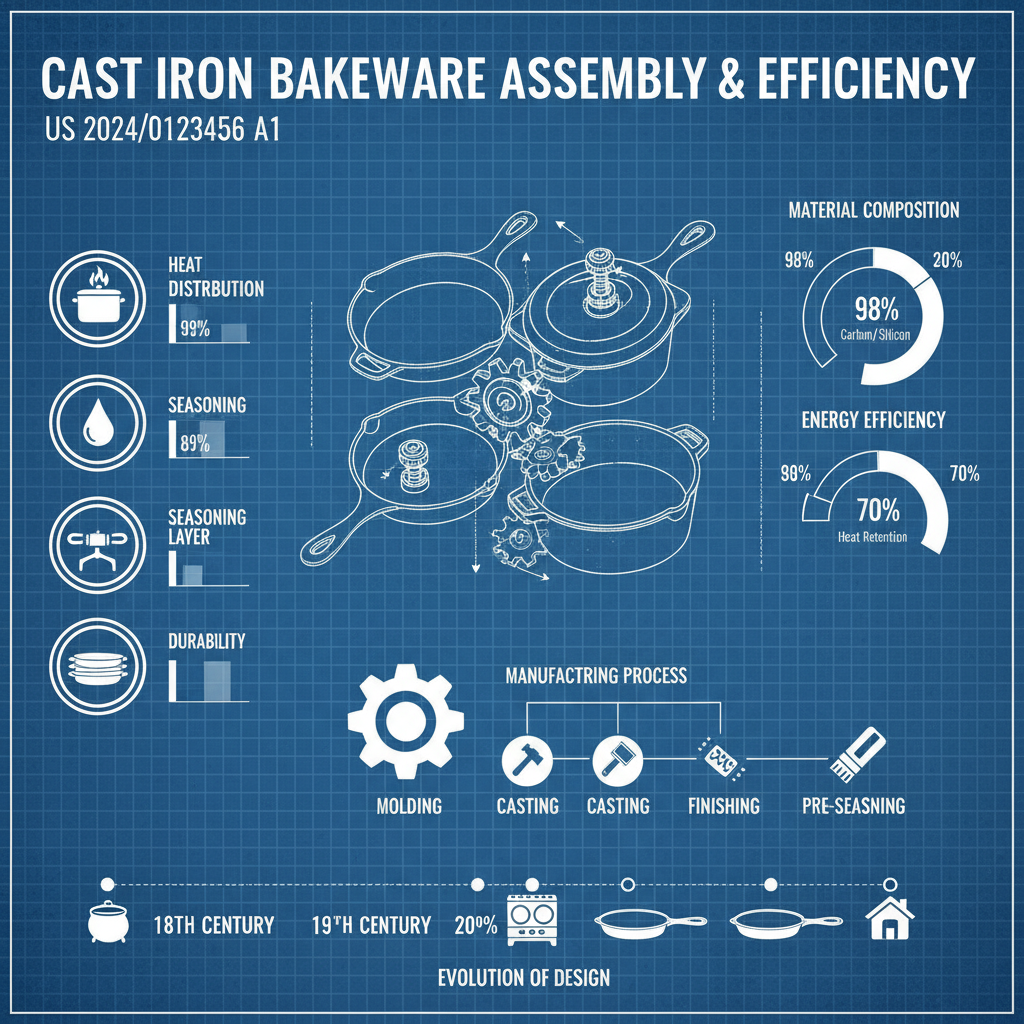
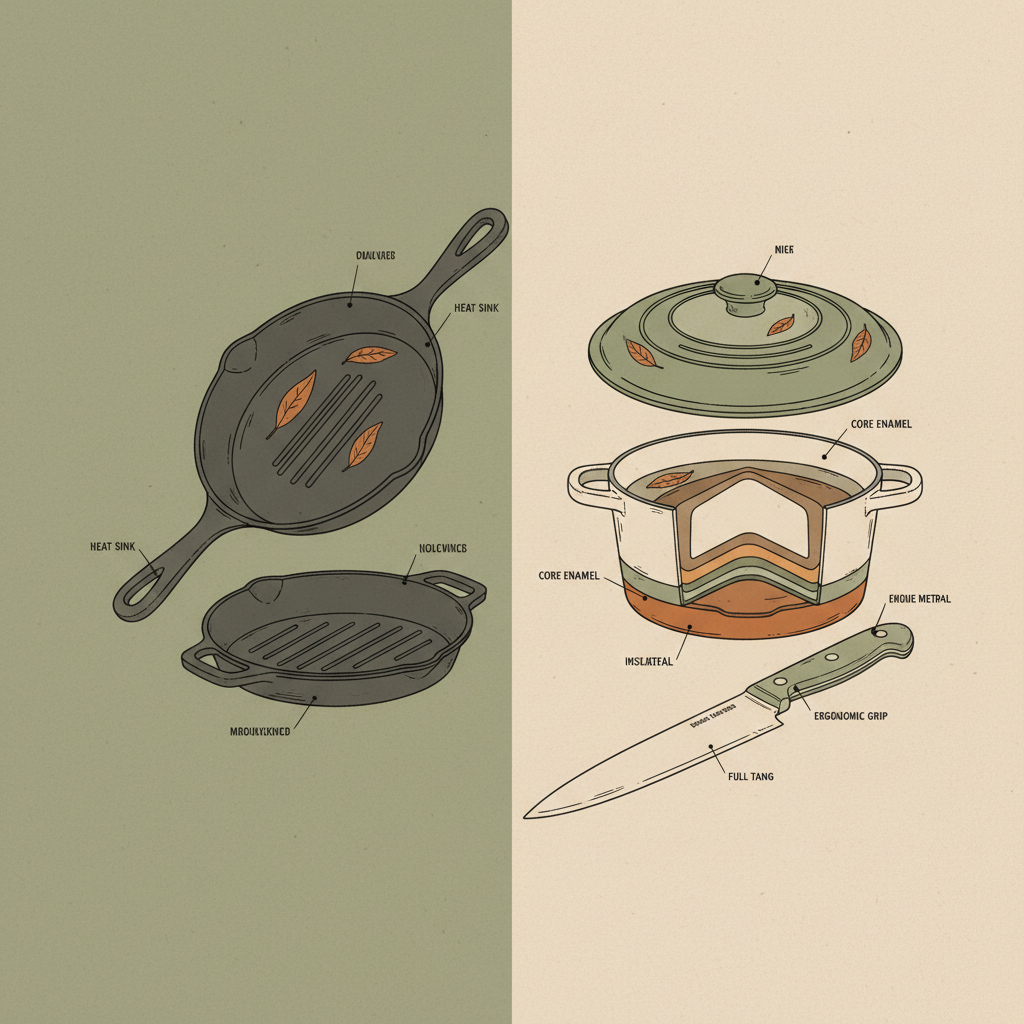
Cast iron, renowned for its exceptional heat retention, is incredibly durable but requires proper seasoning to prevent rusting and develop a naturally non-stick surface. Silicone bakeware, gaining popularity for its flexibility and non-stick properties, offers excellent durability but may not withstand extremely high temperatures or sharp objects. Glass bakeware, while visually appealing, is susceptible to thermal shock and breakage if exposed to rapid temperature changes.
Durability Ratings of Common Bakeware Materials
Global Applications of Bakeware
The applications of bakeware span across diverse cultures and culinary traditions worldwide. In France, copper bakeware is prized for its responsiveness and even heating, used extensively in pâtisseries for creating delicate pastries and soufflés. Italy favors terracotta cookware for slow-cooked dishes and rustic baked goods. Across Asia, bamboo steamers and ceramic dishes are common for steaming and baking traditional treats.
In the United States and Europe, stainless steel and non-stick bakeware dominate the home kitchen market, valued for their convenience and durability. Professional bakeries rely heavily on heavy-duty aluminum and commercial-grade stainless steel for consistent results and high-volume production. In developing countries, more affordable options like aluminum and enamelware remain prevalent.
The growth of global food cultures and the increasing popularity of international cuisine have led to a greater demand for specialized bakeware, such as Japanese cake molds, Indian tandoor ovens, and Mexican cazuelas. This diversification highlights the universal appeal and adaptability of bakeware across various culinary landscapes.
Advantages of High-Quality Bakeware
Investing in high-quality bakeware yields numerous advantages. Firstly, enhanced cooking performance – even heat distribution prevents burning and ensures consistent results. Secondly, increased durability translates to long-term cost savings, reducing the need for frequent replacements. Furthermore, safer materials – free of harmful chemicals like PFOA and PTFE – protect food quality and consumer health.
Beyond the practical benefits, high-quality bakeware elevates the overall cooking experience, inspiring creativity and fostering a sense of satisfaction. The aesthetic appeal of well-crafted bakeware also adds a touch of elegance to the kitchen. Ultimately, the reliability and consistent results offered by quality bakeware contribute to a more enjoyable and rewarding culinary journey.
Future Trends in Bakeware
The future of bakeware is poised for innovation, driven by sustainability, technology, and evolving consumer needs. We're seeing a rise in eco-friendly materials like recycled aluminum and bio-based plastics. Smart bakeware, incorporating sensors and connectivity, is emerging, offering features like temperature monitoring and automated timers. 3D-printed bakeware allows for customized designs and specialized shapes.
Furthermore, antimicrobial coatings are gaining traction, enhancing hygiene and reducing bacterial growth. The demand for multi-functional bakeware – pieces that can transition seamlessly from oven to stovetop to table – is also increasing. Expect to see a continued focus on lightweight, durable materials with superior non-stick properties, as well as a greater emphasis on ergonomic designs for ease of use.
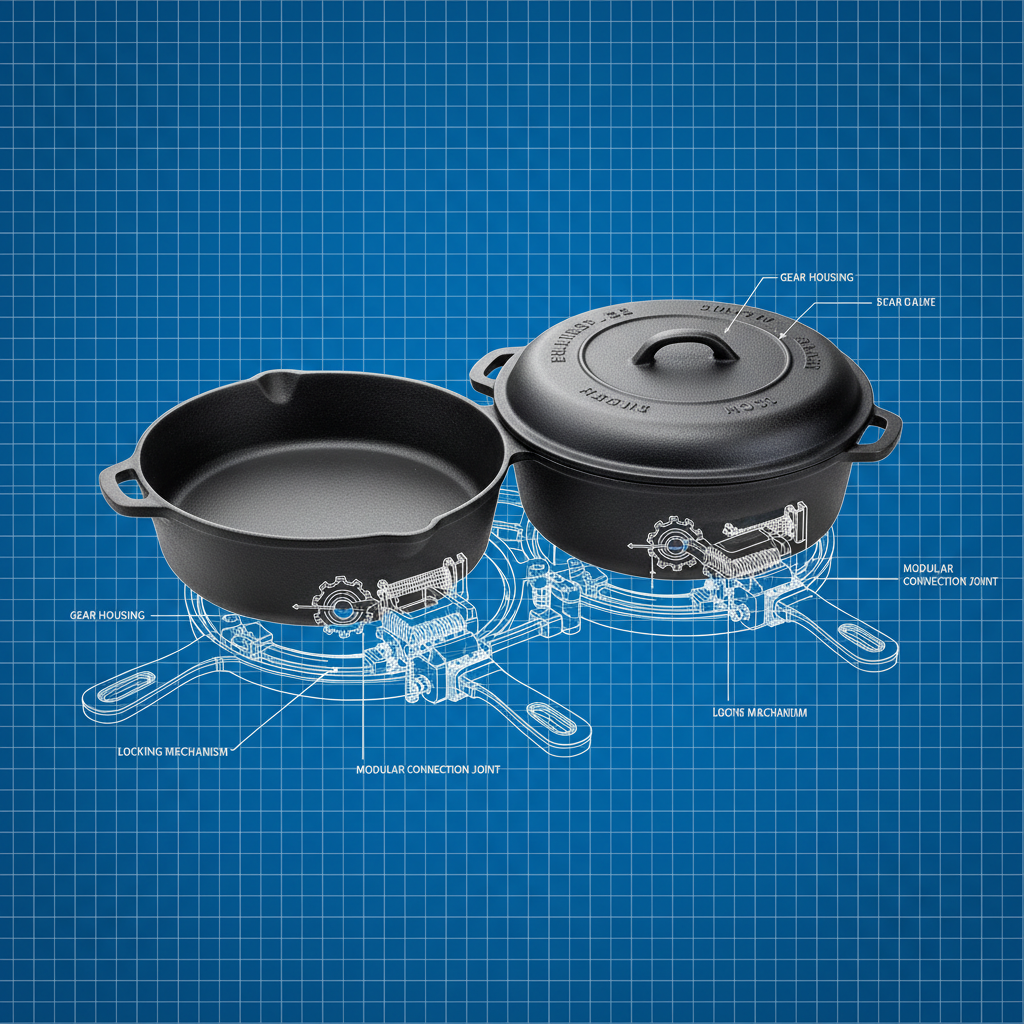
The trend towards personalized cooking experiences will likely drive demand for modular bakeware systems that can be adapted to various recipes and cooking styles. Nanotechnology may also play a role in developing materials with enhanced heat conductivity and non-stick capabilities.
FAQS
For beginners, non-stick bakeware is often the most recommended. It's easy to use, food releases readily, and cleanup is a breeze. While not as durable as some other materials, non-stick is very forgiving and helps build confidence in the kitchen. Look for PFOA-free coatings for safety. Aluminum is a good affordable option, but consider its potential for warping and reactivity with acidic foods.
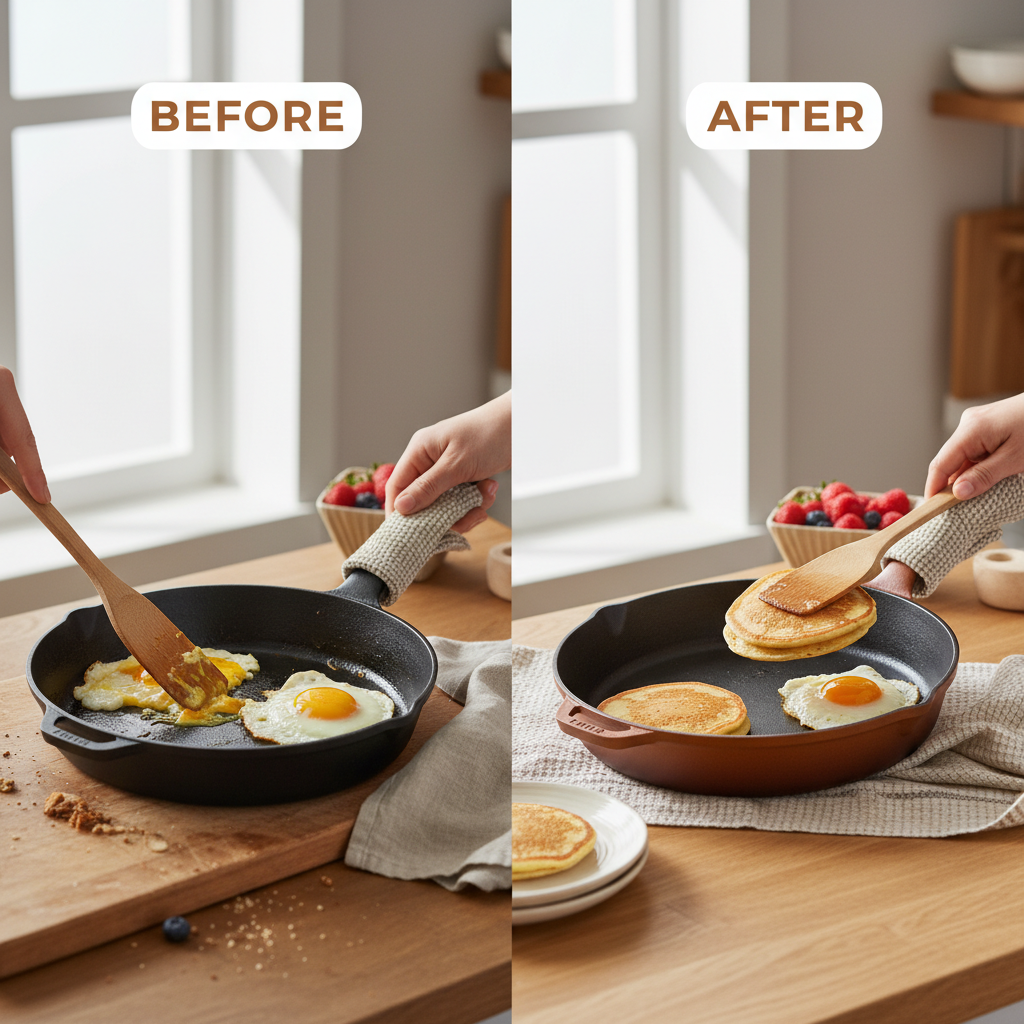
Cast iron requires seasoning to maintain its non-stick properties and prevent rusting. After each use, clean with warm water and a soft brush (avoid soap!). Dry immediately and lightly coat with oil before storing. If rust appears, scrub it off and re-season the pan. Avoid using cast iron with highly acidic foods for extended periods, as this can strip the seasoning.
It’s generally not recommended to use metal utensils on non-stick bakeware. Metal can scratch and damage the coating, reducing its effectiveness over time. Opt for silicone, wooden, or nylon utensils instead. These materials are gentle on the non-stick surface and will help prolong its lifespan. Be mindful even with softer utensils, avoiding harsh scrubbing.
Glass bakeware has a maximum temperature limit, typically around 400°F (200°C). Exposing it to higher temperatures or rapid temperature changes can cause it to shatter. Always check the manufacturer's instructions before using glass bakeware, and avoid taking it directly from the oven to a cold surface. Borosilicate glass is more heat-resistant than standard glass, but still has limitations.
Anodized aluminum undergoes an electrochemical process that hardens the surface, making it more durable, non-reactive, and resistant to scratching. Regular aluminum is softer and can react with acidic foods, potentially imparting a metallic taste. Anodized aluminum is also non-stick and easier to clean, making it a more premium option compared to standard aluminum.
Using the correct size bakeware is crucial for successful baking. Overfilling a pan can cause spills and uneven baking, while using a pan that’s too large can result in a thin, dry product. Always refer to your recipe for specific pan size recommendations. A general rule of thumb is to fill a baking pan no more than two-thirds full.
Conclusion
In conclusion, bakeware is far more than just a collection of tools; it is a foundational element of culinary creation, impacting everything from the quality of your dishes to the enjoyment of the cooking process. The selection of the right materials, understanding their properties, and embracing innovative advancements in bakeware technology are all vital for achieving consistent, delicious results. Investing in high-quality bakeware not only elevates the cooking experience but also promotes safety, durability, and sustainability.
Looking ahead, the future of bakeware promises even more exciting developments, driven by a commitment to eco-friendly materials, smart technologies, and personalized cooking solutions. By staying informed about these trends and prioritizing quality, both home cooks and professionals can unlock new levels of culinary creativity and achieve baking success. Explore our wide range of premium bakeware today and elevate your culinary journey!