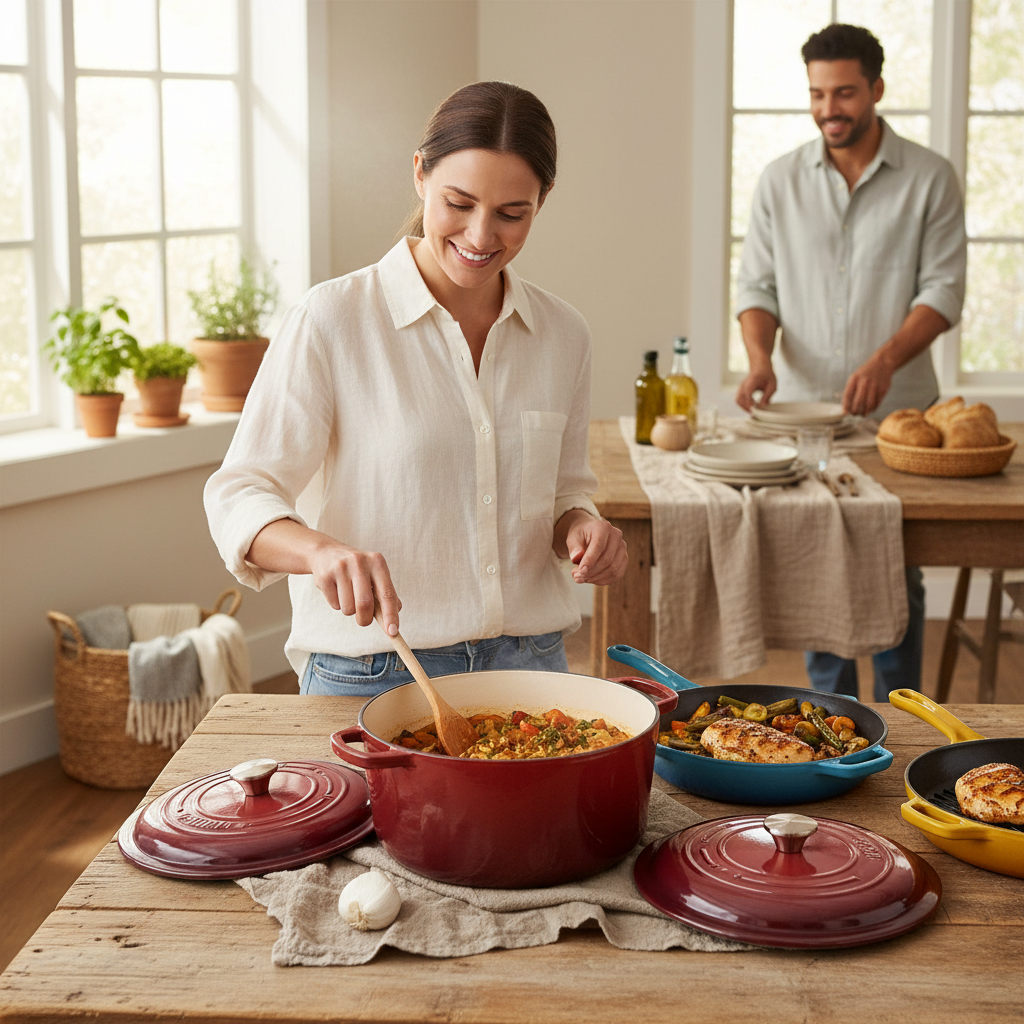
The humble cast iron griddle has become a staple in kitchens worldwide, transcending cultural boundaries and culinary traditions. From bustling restaurant kitchens to cozy home setups, its versatility and durability have cemented its place as a preferred cooking surface. Understanding the nuances of cast iron griddles – their construction, care, and applications – empowers cooks of all levels to achieve exceptional results. This guide will delve into the world of cast iron griddles, exploring their history, benefits, and future potential, offering a comprehensive resource for anyone interested in mastering this timeless cooking tool.
Globally, the demand for efficient and reliable cooking solutions is constantly increasing, driven by factors like population growth, urbanization, and a growing appreciation for quality cuisine. The cast iron griddle addresses this need by providing a surface that excels in heat retention, even heating, and long-term durability. According to market research, the global cookware market is projected to reach \$38.4 billion by 2027, with a significant portion attributed to specialized items like griddles, demonstrating a clear consumer interest in enhancing cooking experiences.
However, despite its widespread use, misconceptions about cast iron griddle maintenance and performance persist. Many home cooks are hesitant to invest in or properly care for these griddles, fearing they are difficult to use or maintain. This creates a challenge – bridging the gap between the inherent benefits of cast iron and the perceived complexities of its usage through education and accessible resources.
Defining the Cast Iron Griddle
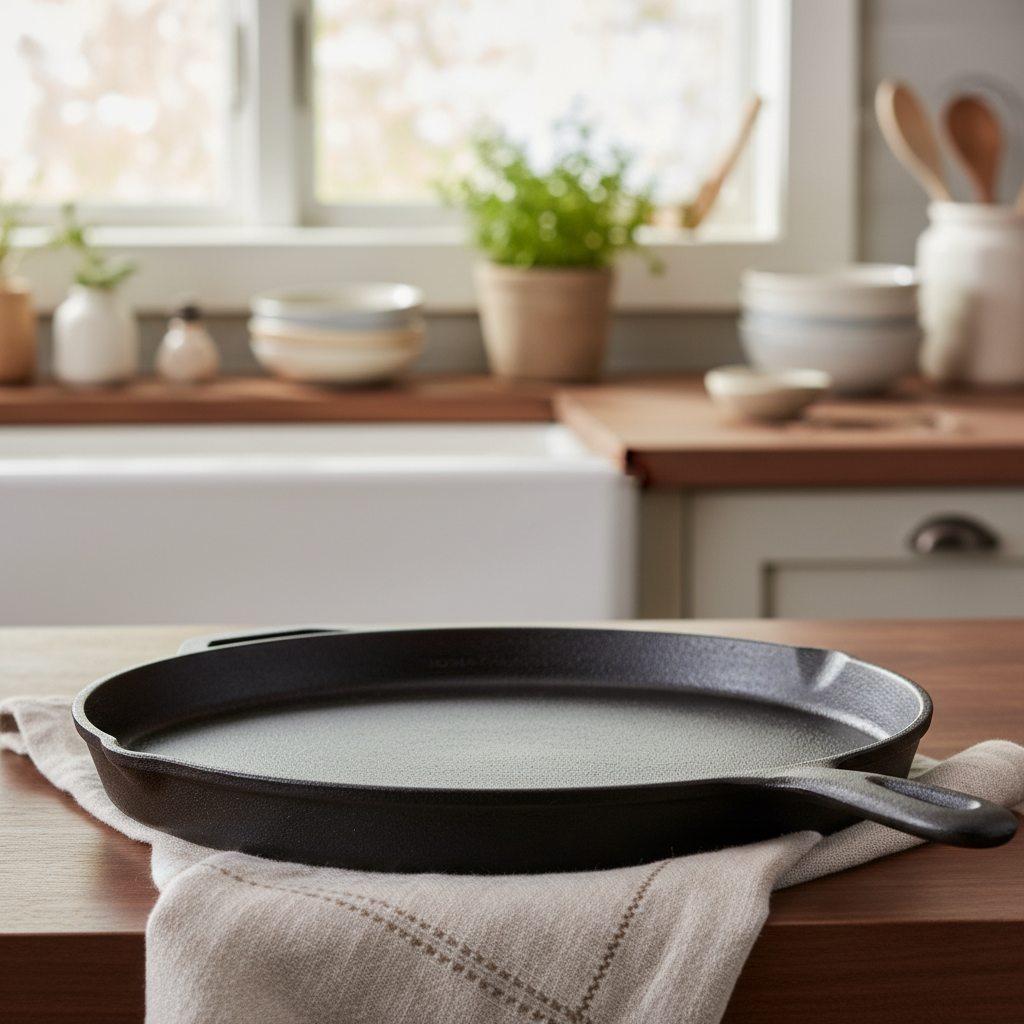
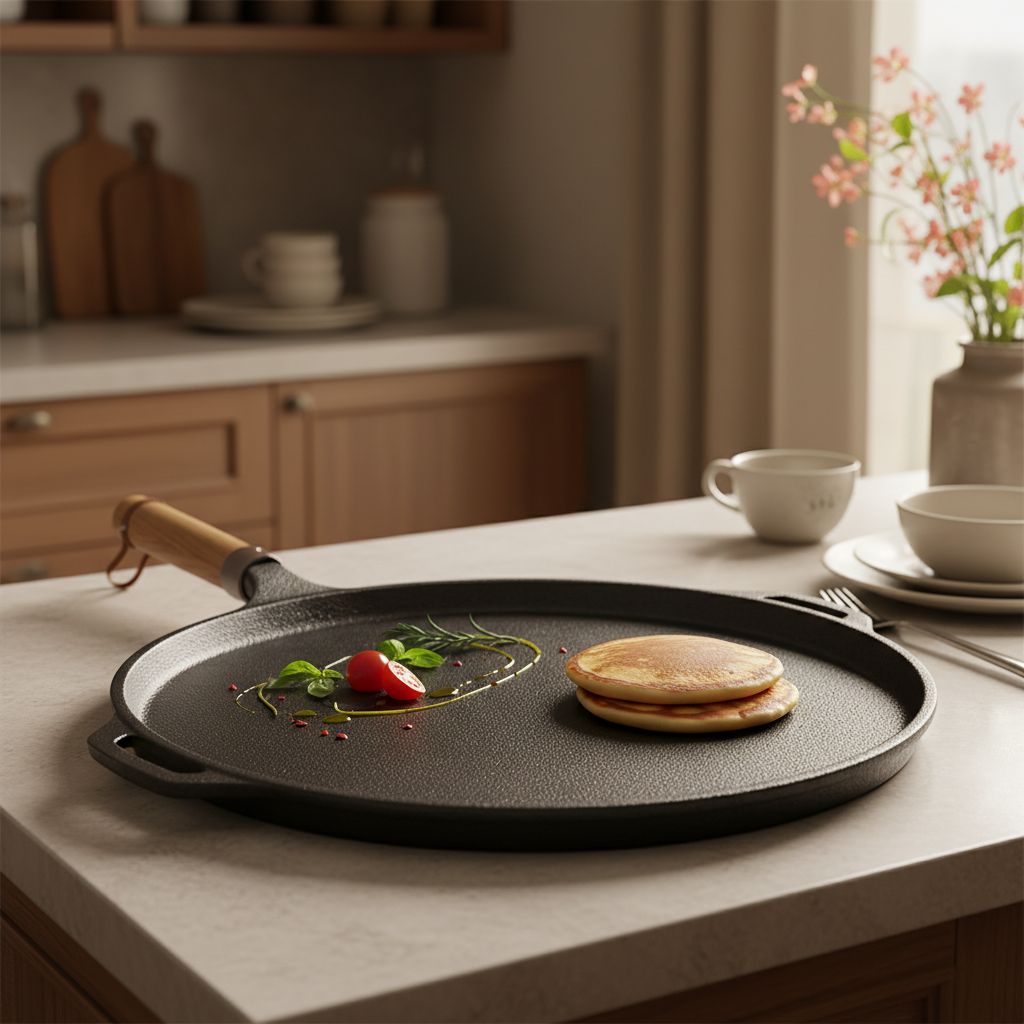
A cast iron griddle is a flat cooking surface made from cast iron, designed for versatile cooking applications. Unlike pans with high sides, a griddle’s flat surface is ideal for foods like pancakes, bacon, eggs, and smash burgers. The cast iron construction provides exceptional heat retention and distribution, resulting in consistent cooking and a superior sear.
This seemingly simple tool connects directly to modern industry needs by providing a durable, high-performance cooking surface for both professional and home kitchens. Its ability to withstand high temperatures and resist wear and tear makes it a cost-effective and sustainable alternative to non-stick surfaces that require frequent replacement.
Historical Roots and Modern Relevance
The use of cast iron cookware dates back centuries, with evidence suggesting its presence in ancient China as early as the 6th century BC. However, it was in the 18th and 19th centuries that cast iron griddles, and cast iron in general, became increasingly common in Western kitchens, prized for their durability and affordability. Early American settlers relied heavily on cast iron for nearly all their cooking needs.
Today, despite the proliferation of modern cooking technologies, the cast iron griddle enjoys a resurgence in popularity. This revival is driven by a renewed appreciation for traditional cooking methods, a desire for sustainable cookware options, and the unique culinary benefits that cast iron provides. Social media and cooking shows have also played a role in highlighting the versatility and performance of these griddles.
The cast iron griddle’s enduring presence is a testament to its inherent qualities. It’s not merely a relic of the past but a continually relevant tool adapting to the demands of contemporary cooking.
Core Characteristics of a Cast Iron Griddle
One of the most defining characteristics of a cast iron griddle is its exceptional heat retention. Cast iron absorbs heat slowly but holds it for a remarkably long time, making it ideal for maintaining consistent cooking temperatures. This is crucial for achieving perfectly seared meats, evenly cooked pancakes, and beautifully browned vegetables.
Another key characteristic is its even heat distribution. While some areas of a traditional griddle may experience hot spots, cast iron spreads heat uniformly across the cooking surface, minimizing the risk of unevenly cooked food. This is particularly important when cooking delicate items like fish or crepes.
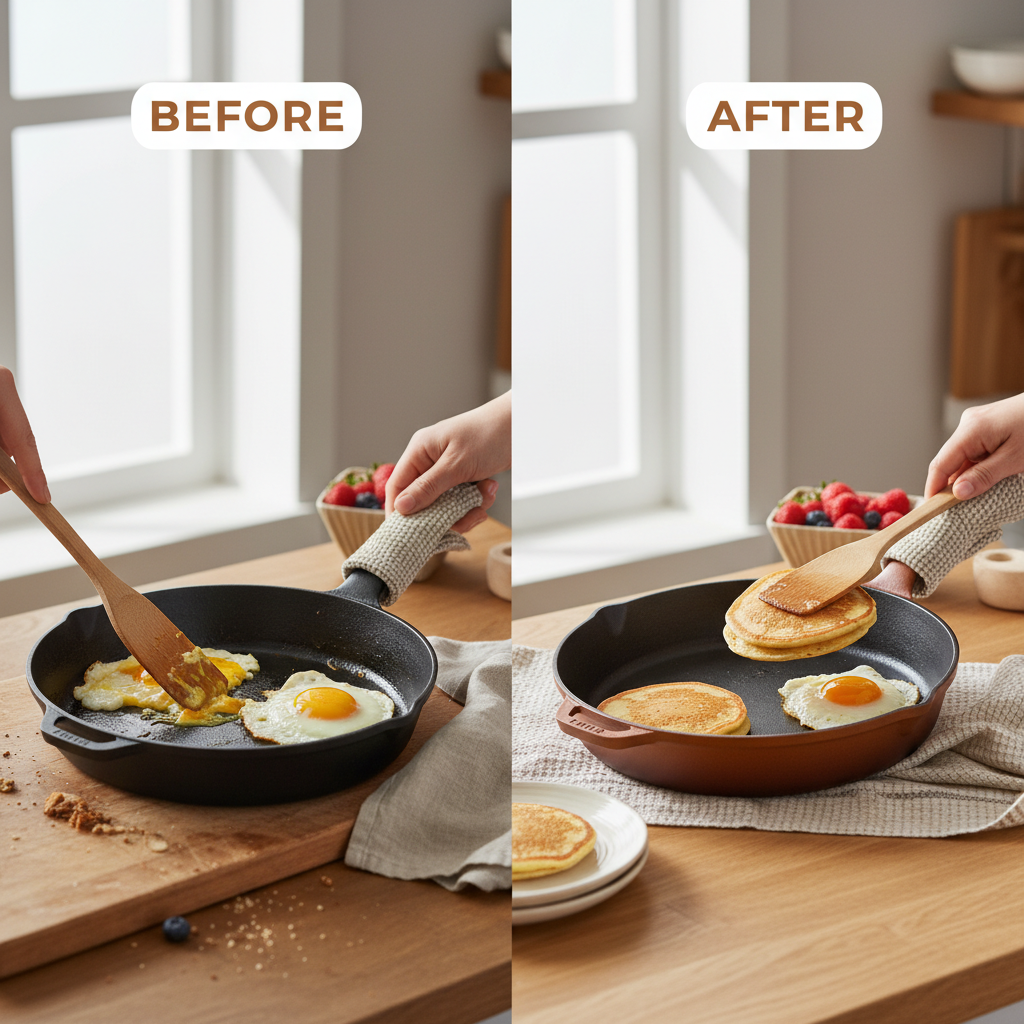
Durability is also paramount. A well-maintained cast iron griddle can last for generations, becoming a family heirloom. Unlike non-stick surfaces that degrade over time, cast iron actually improves with age, developing a natural non-stick patina with proper seasoning.
Key Performance Metrics
Evaluating the performance of a cast iron griddle requires consideration of several key metrics. Heat retention, as previously mentioned, is critical, with higher retention values indicating better cooking stability. Surface smoothness also plays a crucial role, affecting food release and ease of cleaning.
Weight distribution is another important factor; an evenly weighted griddle minimizes hot spots and ensures consistent cooking. Finally, seasoning quality directly impacts the griddle's non-stick properties and overall performance.
Cast Iron Griddle Performance Comparison
Global Culinary Applications
The cast iron griddle finds application in diverse culinary traditions worldwide. In Japan, teppanyaki restaurants utilize large, flat cast iron griddles for preparing dishes directly in front of customers, creating a dynamic dining experience.
In Latin America, griddles (planchas) are essential for making arepas, pupusas, and other traditional flatbreads. American diners and breakfast establishments rely on cast iron griddles for cooking pancakes, bacon, and eggs, while chefs in high-end restaurants use them for searing meats and vegetables.
The Long-Term Value Proposition
Investing in a cast iron griddle offers tangible long-term value. While the initial cost may be higher than that of a non-stick pan, the griddle’s durability means it’s unlikely to need replacement, saving money over time. Furthermore, proper care ensures it will continue to perform optimally for decades.
From a sustainability perspective, cast iron is a more environmentally friendly choice. Its longevity reduces waste, and the material itself is recyclable. The ability to cook with less oil, thanks to the natural non-stick surface developed through seasoning, also contributes to a healthier lifestyle.
Beyond the practical benefits, owning a cast iron griddle connects cooks to a rich culinary heritage. It embodies a tradition of quality, craftsmanship, and enduring performance – qualities that resonate with a growing number of consumers.
Future Innovations in Cast Iron Griddle Technology
While the fundamental principles of cast iron griddle technology remain unchanged, ongoing innovations are enhancing their performance and convenience. New seasoning techniques, such as pre-seasoned griddles and advanced seasoning oils, are simplifying the initial setup process.
Manufacturers are also exploring the integration of new materials, such as enamel coatings, to improve heat distribution and reduce the need for frequent seasoning. Additionally, ergonomic designs are being developed to make griddles easier to handle and maneuver.
The future of cast iron griddle technology likely lies in seamlessly blending traditional craftsmanship with modern materials and design principles, creating a cooking surface that is both timeless and cutting-edge.
Summary of Challenges and Solutions for Cast Iron Griddle Usage
| Challenge |
Impact on User Experience |
Proposed Solution |
Implementation Difficulty (1-5) |
| Rust Formation |
Reduced Non-Stick Surface, Food Contamination |
Regular Seasoning, Proper Drying After Use |
2 |
| Weight and Handling |
Difficulty Maneuvering, Risk of Accidents |
Ergonomic Handle Designs, Assistance with Lifting |
3 |
| Uneven Heating |
Inconsistent Cooking Results |
Preheating the Griddle Thoroughly, Even Heat Distribution Techniques |
2 |
| Seasoning Maintenance |
Loss of Non-Stick Properties, Food Sticking |
Regular Light Seasoning After Each Use |
1 |
| Cleaning Challenges |
Time-Consuming, Potential Damage to Seasoning |
Using Gentle Cleaning Tools and Methods |
2 |
| High Initial Cost |
Barrier to Entry for Some Consumers |
Highlighting Long-Term Value and Durability |
4 |
FAQS
Seasoning a new cast iron griddle involves coating it with thin layers of oil (like flaxseed, canola, or vegetable oil) and baking it at a high temperature (typically 400-450°F) for an hour. Repeat this process 3-4 times to build up a durable, non-stick surface. The key is to use very thin coats of oil, wiping away any excess to prevent stickiness. Proper seasoning creates a protective layer that prevents rust and makes cooking easier.
Rust is the enemy of cast iron! To prevent it, ensure your griddle is thoroughly dried after each use. A light coat of oil after drying provides an additional protective barrier. Avoid soaking the griddle in water, and if rust does appear, scrub it off with steel wool and re-season the area. Proper care and consistent seasoning are the best defenses against rust.
While traditionally discouraged, modern dish soaps are generally safe to use on a well-seasoned cast iron griddle. However, use them sparingly and avoid prolonged soaking. Immediately dry the griddle after washing and apply a light coat of oil. Harsh detergents or abrasive scrubbers should still be avoided, as they can damage the seasoning.
The possibilities are endless! Cast iron griddles excel at cooking foods that benefit from high heat and a good sear. Pancakes, bacon, eggs, burgers, steaks, vegetables, and even pizzas all cook beautifully on cast iron. The griddle’s heat retention ensures even cooking and a delicious crust. Experiment and discover your favorites!
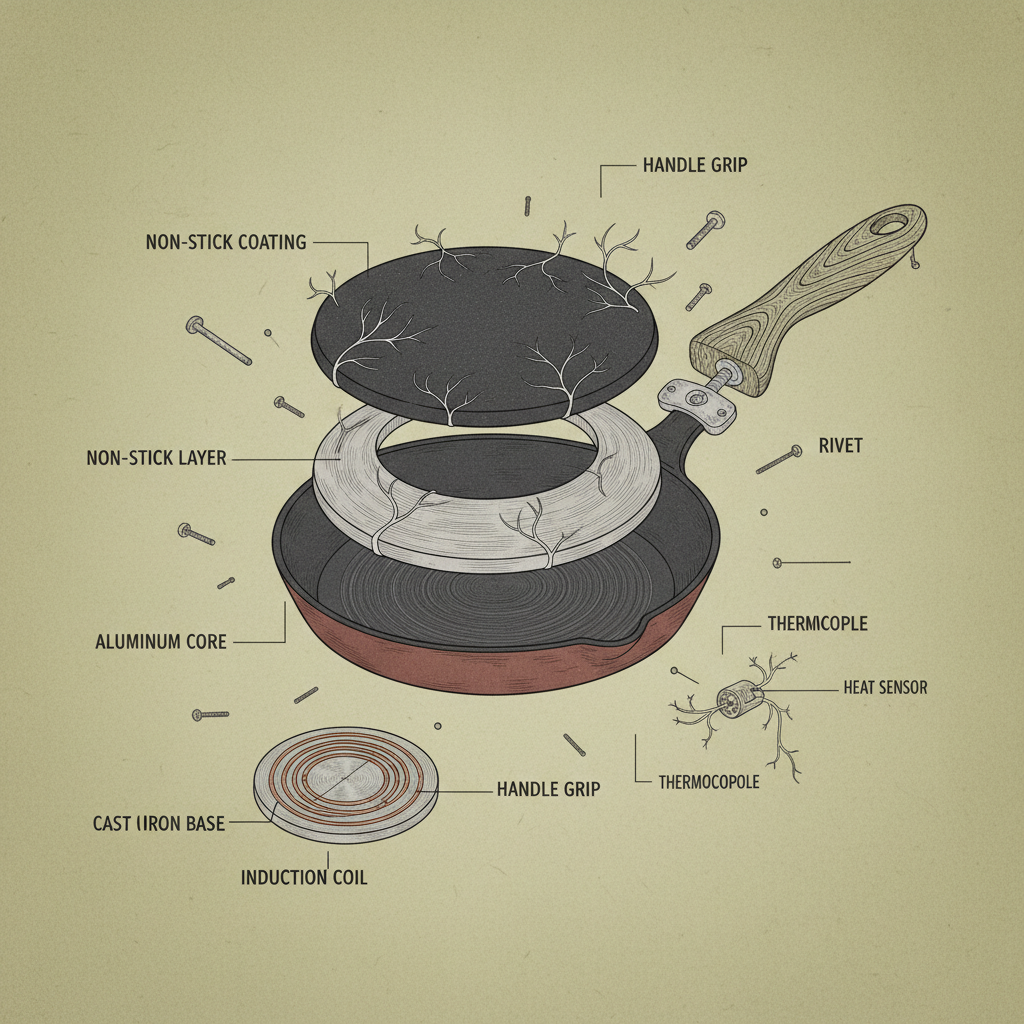
Most cast iron griddles are compatible with gas, electric, and induction stovetops. However, it's always best to check the manufacturer's specifications to ensure compatibility, especially with induction cooktops. Some older or poorly constructed griddles may not work efficiently on all surfaces.
For burnt-on food, gently scrape off as much as possible with a spatula or pan scraper. Then, add a bit of water to the griddle and simmer it on the stovetop for a few minutes to loosen the remaining food. Avoid harsh scouring pads, which can remove seasoning. A chainmail scrubber is a great option for stubborn residue. Re-season the griddle after cleaning.
Conclusion
The cast iron griddle represents more than just a cooking tool; it’s a connection to culinary history, a symbol of durability, and a gateway to exceptional cooking results. Its unique properties – outstanding heat retention, even heating, and long-lasting performance – make it a valuable asset in any kitchen, whether professional or home-based. Understanding its nuances, from seasoning to care, unlocks a world of culinary possibilities.
As cooking technology evolves, the cast iron griddle’s enduring appeal ensures its continued relevance. Ongoing innovations promise to enhance its usability and convenience, while its core benefits will remain unchanged. We encourage you to explore the world of cast iron cooking and experience the difference for yourself. Visit our website at www.hapichefcastiron.com.com to browse our selection of high-quality cast iron griddles and accessories.