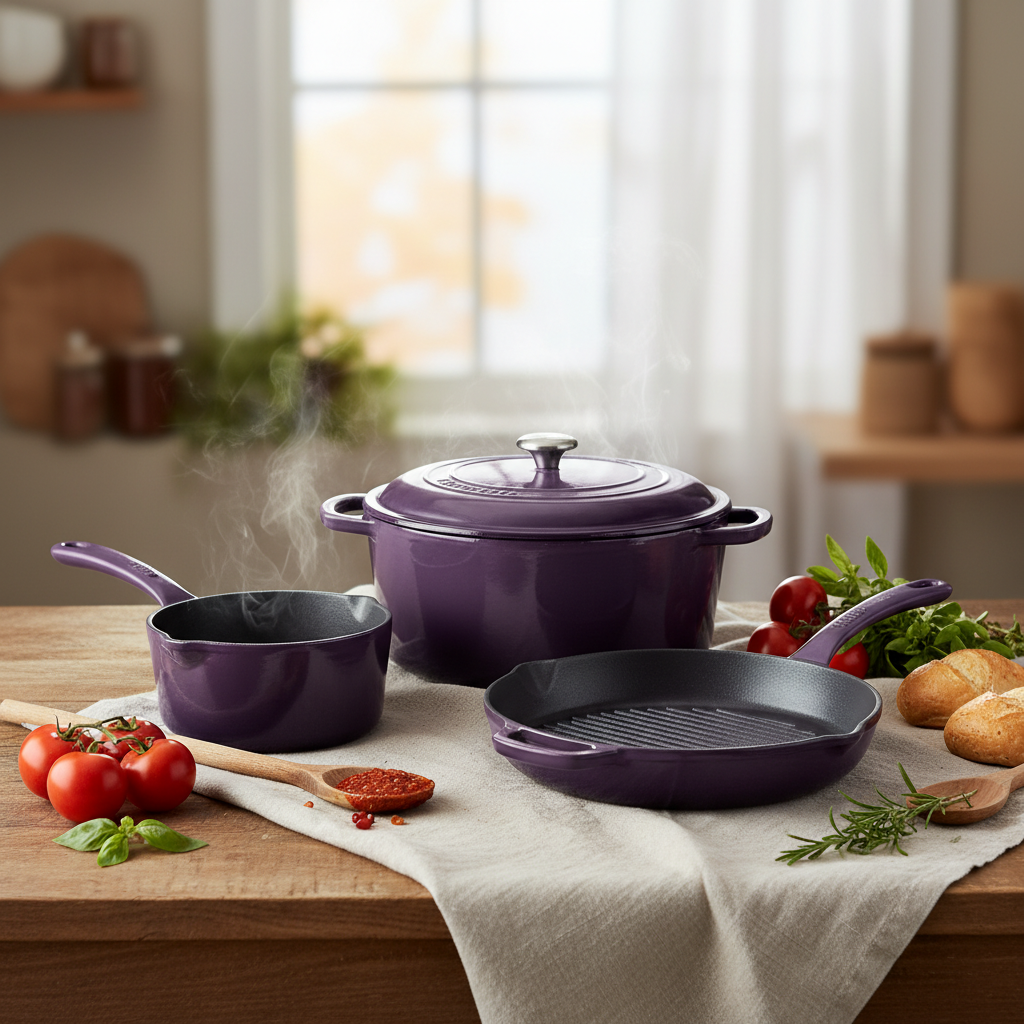
When it comes to high-performance culinary tools, porcelain enamel cast iron cookware stands as a pinnacle of engineering, blending the timeless heat retention of heavy metal with the sleek, non-reactive surface of glass. For professional chefs and home enthusiasts alike, this hybrid material eliminates the tedious process of seasoning while providing a vibrant aesthetic that elevates any kitchen landscape.
The global shift toward sustainable, lifelong kitchenware has revitalized interest in enameled cast iron. Unlike disposable non-stick pans that degrade over a few years, porcelain enamel coatings protect the iron core from oxidation and corrosion, ensuring that a single Dutch oven or skillet can be passed down through generations without losing its functional integrity.
Understanding the nuances of porcelain enamel cast iron cookware is essential for anyone looking to optimize their cooking efficiency. From the precision of slow-braising in a casserole to the intense searing capabilities of a grill pan, the synergy of enamel and iron solves the age-old problem of balancing durability with ease of maintenance.
The Material Science of Porcelain Enamel Cast Iron Cookware
At its core, porcelain enamel cast iron cookware is a composite of a rugged cast iron body and a fused glass coating. The iron provides the necessary thermal mass to hold heat steady, while the porcelain enamel—essentially a specialized glass powder melted onto the surface at extreme temperatures—creates a smooth, non-porous barrier. This chemical bond prevents the iron from reacting with acidic foods, such as tomato sauces or wine reductions, which would typically strip the seasoning from raw cast iron.
This structural synergy allows the cookware to be used across various heat sources, including induction, gas, and electric. The enamel layer not only adds a splash of color but also drastically simplifies the cleaning process, as it prevents food from sticking as aggressively as it might to an unseasoned porous surface. This makes the material an ideal choice for those who demand the professional results of cast iron without the high-maintenance ritual of curing.
Global Market Trends and Culinary Adoption
The global demand for porcelain enamel cast iron cookware has seen a significant uptick, aligning with a broader consumer trend toward "slow living" and artisanal cooking. Data from industry analysts suggests that the premium cookware segment is growing as households move away from short-lived PFOA-coated non-stick pans. The shift is driven by a desire for health-conscious cooking and tools that offer a lower lifetime cost through extreme durability.
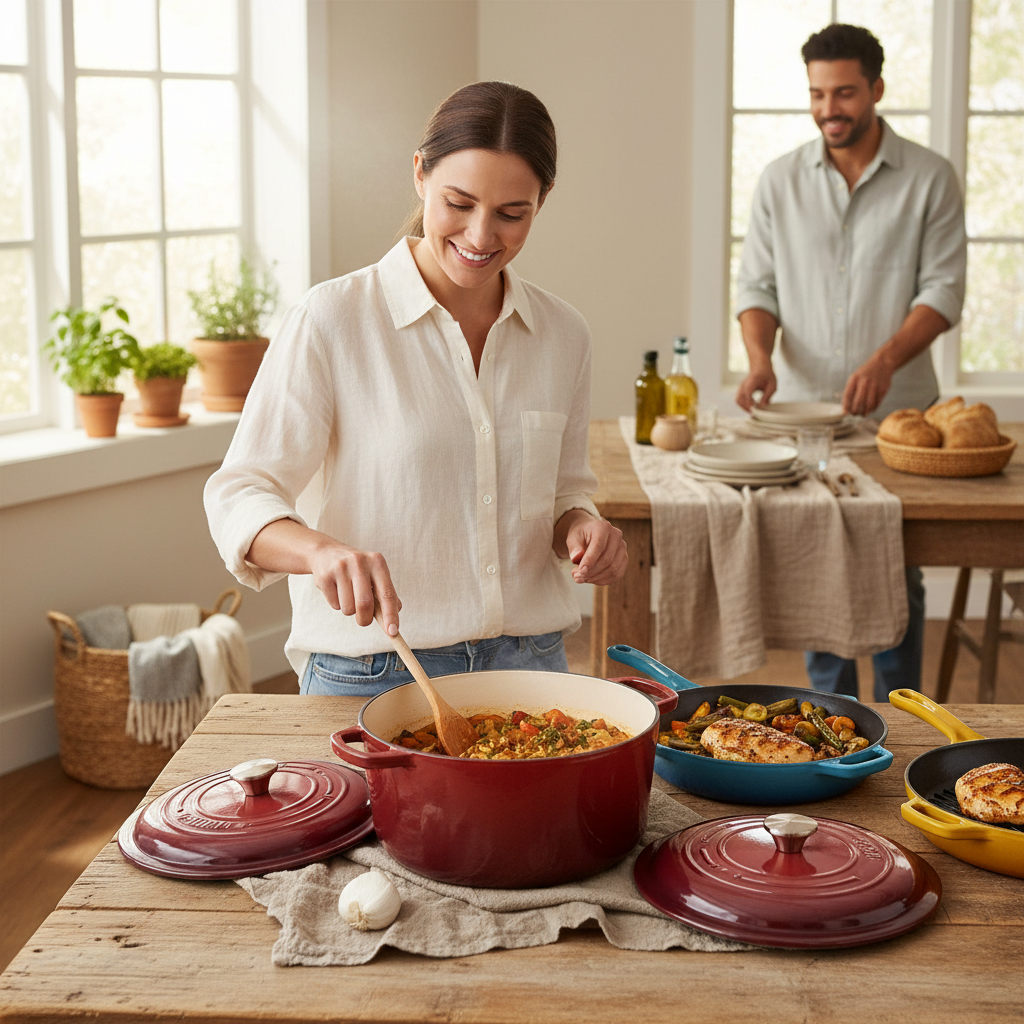
In European and North American markets, the adoption of enameled Dutch ovens and casseroles has become a staple of the "farm-to-table" movement. The ability of these vessels to move seamlessly from the stovetop to the oven, and eventually to the dining table, fits the modern preference for minimalist, multi-functional kitchenware. This versatility reduces the need for multiple specialized pots, thereby optimizing kitchen storage and reducing waste.
However, the challenge remains in the manufacturing precision required to ensure an even enamel coat. Inconsistent layering can lead to chipping or "fish-scaling," which compromises the cookware's longevity. To address this, leading manufacturers are implementing ISO-standardized quality controls and advanced firing techniques to ensure that the porcelain bond is unbreakable, meeting the rigorous demands of both high-volume commercial kitchens and residential homes.
Core Performance Factors of Enameled Surfaces
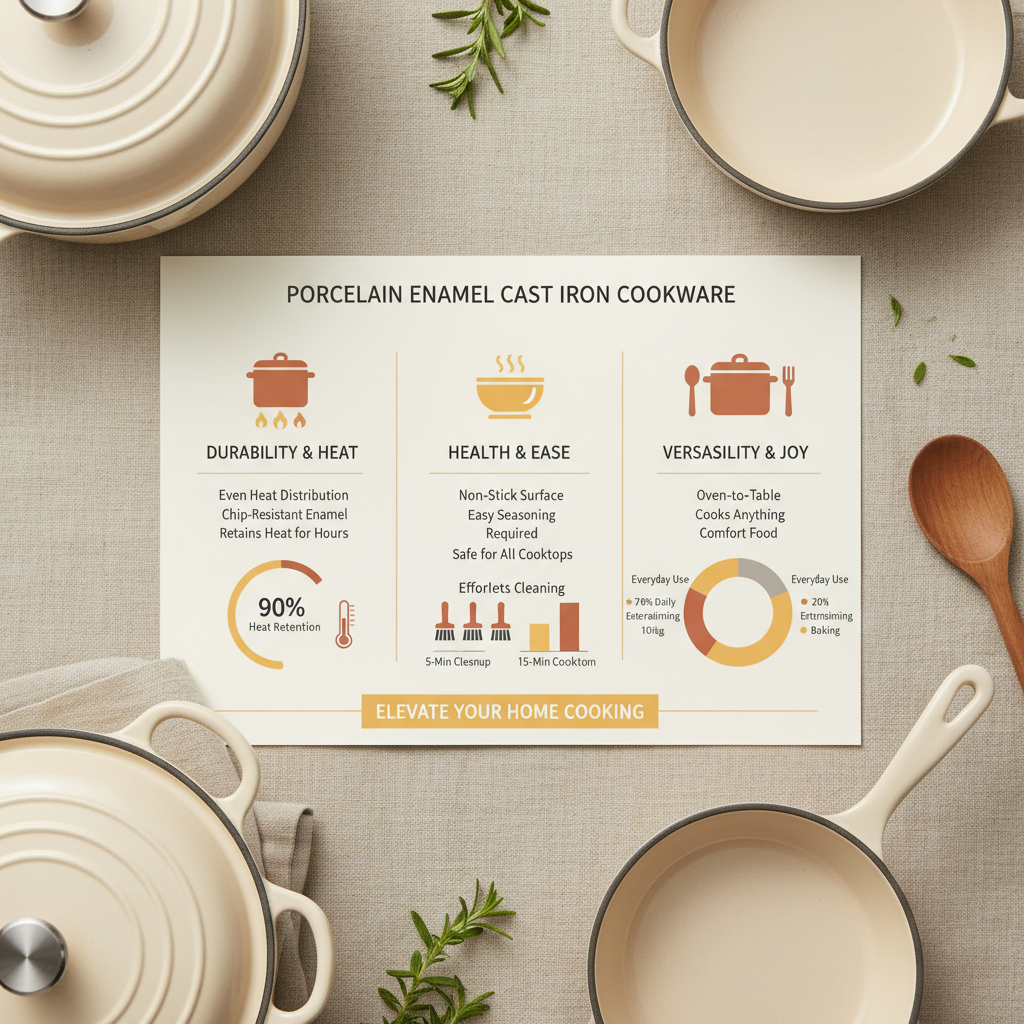
The primary appeal of porcelain enamel cast iron cookware lies in its non-reactivity. Unlike traditional cast iron, which can impart a metallic taste to acidic ingredients, the glass lining acts as a neutral shield. This allows chefs to deglaze pans with lemon juice or vinegar without worrying about altering the flavor profile of the dish or damaging the pan's surface.
Thermal stability is another critical factor. The heavy walls of the cast iron core absorb energy and distribute it evenly, eliminating the "hot spots" common in thinner aluminum or stainless steel pans. When paired with a porcelain enamel finish, this heat is retained longer, meaning that a porcelain enamel cast iron cookware piece can keep food warm on the table for an extended period without requiring a warming tray.
Finally, the hygiene factor cannot be overlooked. Because the enamel surface is non-porous, it does not harbor bacteria or absorb odors from previous meals. This makes it an exceptionally safe choice for diverse cooking needs, ranging from savory meat braises in a roasting pan to delicate fruit preserves in a saucepan, ensuring cross-contamination of flavors is a thing of the past.
Comparative Efficiency in Heat Distribution
When evaluating the efficiency of various cookware, the heat retention of porcelain enamel cast iron cookware consistently outperforms lighter alternatives. In high-heat applications like searing steaks in a grill pan or baking artisan bread in a Dutch oven, the ability to maintain a constant temperature despite the introduction of cold ingredients is paramount.
While stainless steel heats up faster, it also loses heat faster. The "thermal flywheel" effect of enameled cast iron ensures that the cooking process remains stable, which is critical for slow-cooking methods where temperature fluctuations can toughen meat fibers or burn delicate sauces.
Thermal Performance of Various Cookware Types
Versatile Applications Across Modern Kitchens
The utility of porcelain enamel cast iron cookware extends far beyond the basic stew. In professional catering, enameled roasting pans are prized for their ability to create a perfect caramelized crust on meats while keeping the interior moist. Similarly, enameled griddles provide the surface area and heat consistency needed for high-volume breakfast service, ensuring every pancake or egg is cooked uniformly.
Beyond the stove, these tools excel in the oven. The tight-fitting lids of enameled Dutch ovens create a pressurized environment that mimics professional steam ovens, making them the gold standard for home-baked sourdough bread. Whether it's a deep-dish pizza pan for a crispy crust or a meat press for perfectly flattened smash burgers, the versatility of the enameled iron core allows for an endless array of culinary techniques.
Long-term Value and Sustainability Impact
From an economic perspective, investing in porcelain enamel cast iron cookware is a strategic move toward sustainability. Most modern non-stick pans rely on PTFE or PFAS coatings that flake off over time, requiring the consumer to replace the entire pan every 2-5 years. In contrast, a well-maintained enameled piece can last a lifetime, drastically reducing the volume of metal and plastic waste entering landfills.
The environmental impact also extends to the cooking process itself. Because of its superior heat retention, enameled cast iron often requires lower energy settings to maintain a simmer compared to thinner materials. This energy efficiency, combined with the non-toxic nature of the glass-based enamel, aligns with the growing global movement toward eco-friendly and health-conscious living.
Moreover, the emotional value of "heritage cookware" cannot be overstated. There is a psychological satisfaction in using a tool that is built to endure. By choosing porcelain enamel cast iron cookware, users are not just buying a pot; they are acquiring a legacy tool that fosters a deeper connection to the art of cooking and the value of quality craftsmanship.
Future Innovations in Cast Iron Coating Technology
The future of porcelain enamel cast iron cookware is being shaped by advances in materials science and automation. One of the most promising developments is the integration of nano-ceramic additives into the porcelain glaze. These additives aim to further increase the scratch resistance of the enamel, making it nearly impervious to metal utensils and reducing the likelihood of chipping during heavy industrial use.
Automation in the dipping and spraying process is also ensuring a more precise thickness of the enamel layer. By utilizing robotic precision, manufacturers can ensure that the thermal expansion coefficients of the glass and iron are perfectly matched across the entire surface of the pan. This prevents the microscopic stress fractures that can occur during rapid temperature changes, effectively eliminating the risk of thermal shock.
Additionally, there is a push toward "green" smelting processes for the iron core, utilizing recycled scrap metal and induction furnaces powered by renewable energy. As the industry moves toward a circular economy, the production of porcelain enamel cast iron is becoming as sustainable as the product itself.
Comparison of Enamel Coating Generations and Performance
| Coating Generation |
Durability Score (1-10) |
Heat Distribution |
Primary Innovation |
| Traditional Porcelain |
6 |
Consistent |
Basic Glass Fusion |
| Double-Coat Enamel |
8 |
High |
Layered Thermal Barrier |
| Matte Enamel Tech |
7 |
Excellent |
Improved Searing Texture |
| Nano-Ceramic Infused |
9 |
Superior |
Anti-Scratch Particles |
| Induction-Optimized |
8 |
Ultra-Fast |
Magnetic Base Alignment |
| Eco-Glass Fusion |
9 |
Consistent |
Recycled Material Base |
FAQS
No, unlike raw cast iron, porcelain enamel cast iron cookware does not require seasoning. The enamel coating provides a non-reactive, smooth surface that protects the iron from rust and food adhesion. You can use it straight out of the box, though using a small amount of oil or butter is still recommended for cooking to prevent sticking.
While high-quality porcelain enamel is very durable, it is essentially a layer of glass. Metal utensils, especially sharp ones, can potentially scratch or chip the surface over time. To maximize the lifespan of your cookware, it is highly recommended to use silicone, wooden, or plastic utensils.
Avoid using steel wool or abrasive scrubbers, as these will damage the enamel. Instead, fill the pot with warm water and a bit of dish soap or baking soda, and bring it to a gentle simmer. This will loosen the residue. For tougher stains, a paste of baking soda and water left overnight usually does the trick.
Yes, absolutely. Because the core is made of cast iron, which is magnetic, porcelain enamel cast iron cookware is perfectly compatible with induction cooktops. It is actually one of the best materials for induction due to its ability to maintain a steady, high temperature.
Although many manufacturers claim they are dishwasher safe, we strongly recommend hand-washing. Dishwasher detergents are often highly abrasive and can dull the finish of the porcelain enamel over time. A simple sponge and mild soap are all you need to keep it looking new.
The weight comes from the density of the cast iron core. This is actually its greatest advantage; the mass allows the pan to absorb and hold onto heat, preventing temperature drops when you add cold food. This weight is what enables the perfect sear and consistent slow-cooking results.
Conclusion
In summary, porcelain enamel cast iron cookware represents the ideal marriage of durability and convenience. By combining the thermal superiority of iron with the chemical stability and aesthetic appeal of porcelain, these tools solve the most common pain points of traditional cookware—rust, reactivity, and difficult maintenance. From the professional kitchen to the home hearth, the ability to sear, braise, and bake in a single vessel provides unmatched culinary flexibility.
Looking forward, the evolution of nano-coatings and sustainable manufacturing promises to make these tools even more resilient and eco-friendly. For anyone seeking to invest in cookware that offers both immediate performance and long-term heritage value, enameled cast iron is the definitive choice. We encourage you to upgrade your kitchen with pieces that are built to last for generations. Visit our website: www.hapichefcastiron.com