You know, after running around construction sites all year, dealing with dust and noise, you start to see things a little differently. Frying pans… yeah, sounds simple, right? But honestly, it's a surprisingly complex world. Everyone thinks it’s just about non-stick coatings these days, but there's a lot more going on.
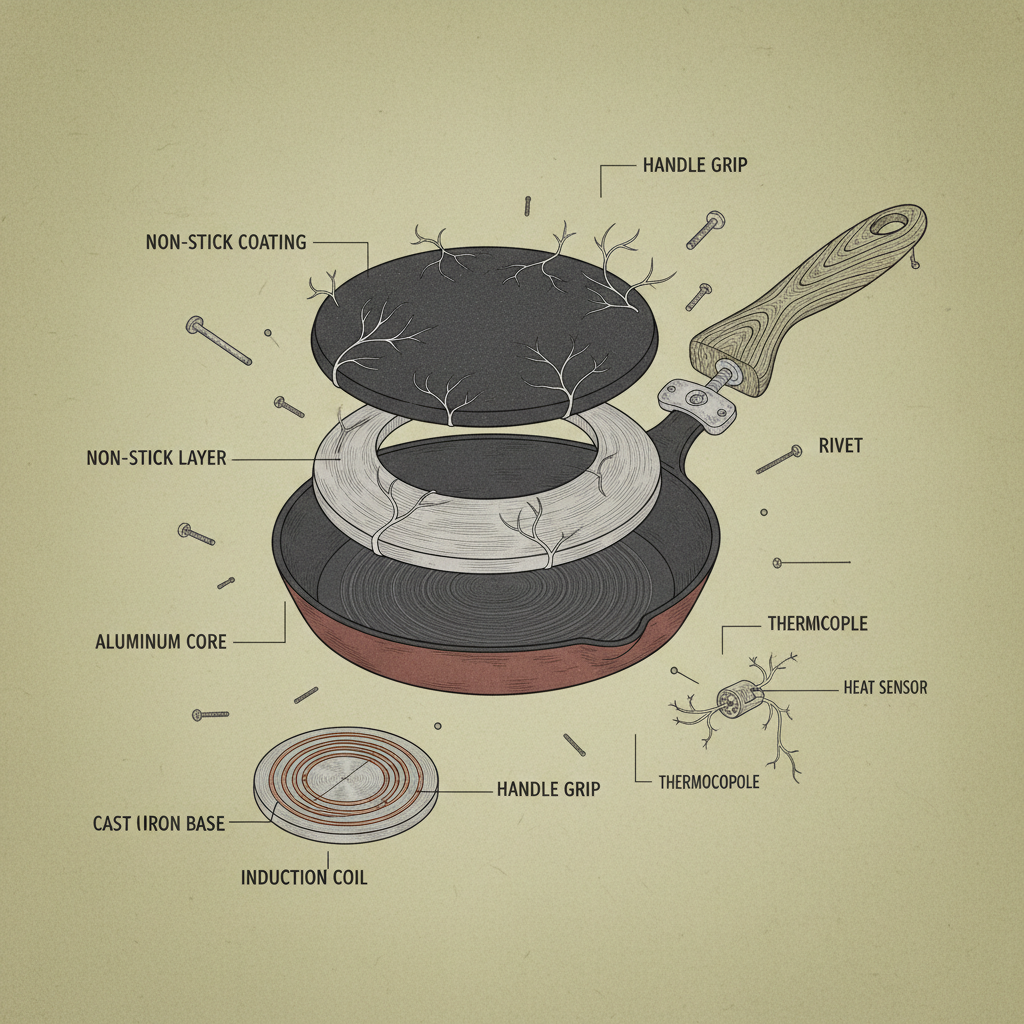
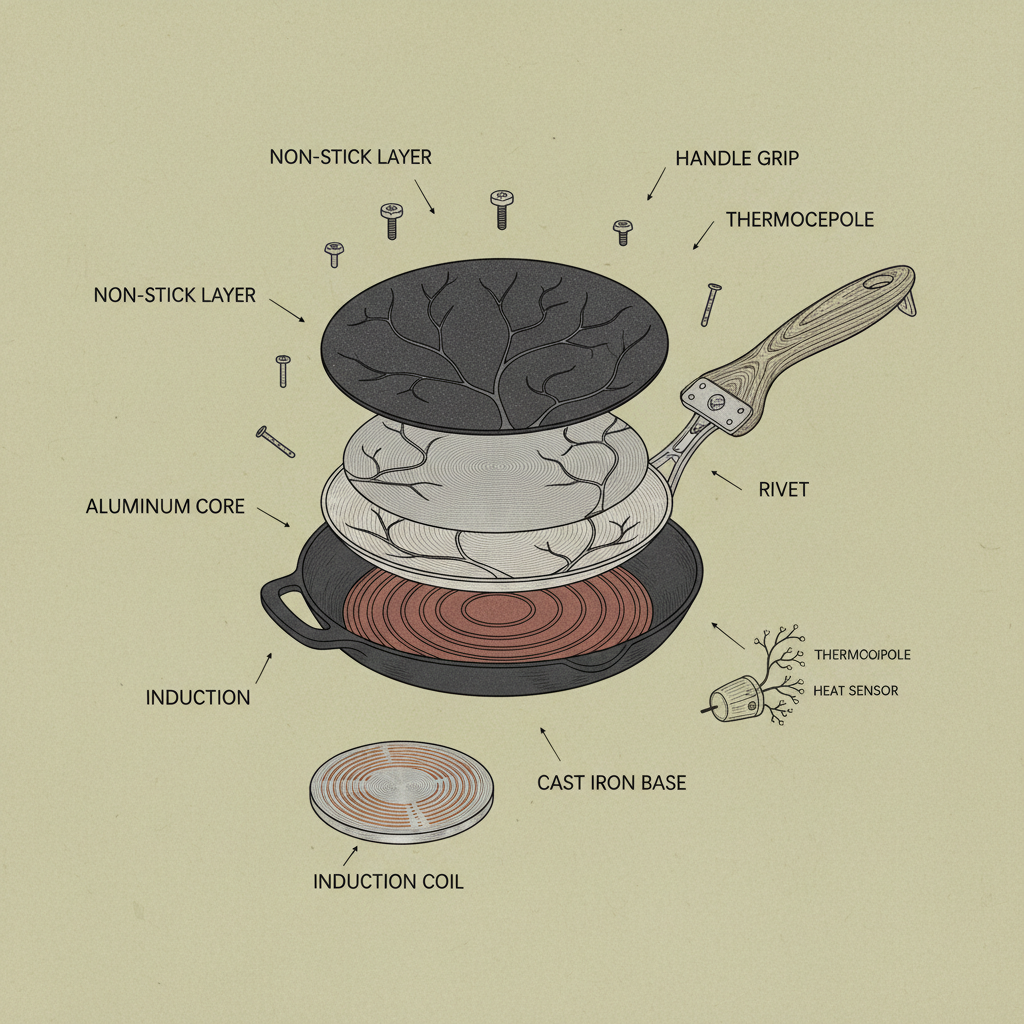
Lately, it’s all about induction compatibility. Everyone’s switching over to induction cooktops, and if your frying pan doesn’t play nice, well, you’re out of luck. And it’s not just about slapping a magnetic base on there. It's about even heat distribution, the type of steel, the thickness... it’s a whole rabbit hole.
I've seen so many designs that look good on paper, but fall apart in real life. Like those super-thin, lightweight pans? They heat up unevenly, the handles get scorching hot, and they warp faster than you can say “burnt breakfast.” It’s always the details, isn’t it?
The Ever-Evolving World of Frying Pans
To be honest, it's not a flashy industry, but it's constantly changing. Have you noticed the rise in demand for ceramic non-stick? It’s marketed as a healthier alternative, which is great, but the durability… well, let's just say it doesn't always live up to the hype. Then you’ve got the stainless steel crowd, swearing by their ability to get screaming hot and create a perfect sear. It's always a trade-off.
And the whole "green" push? That’s huge. People want sustainable materials, eco-friendly manufacturing processes, and packaging that isn’t going to end up in a landfill. It adds another layer of complexity, but it’s a good complexity, I think.
Design Pitfalls: What Looks Good Doesn’t Always Cook Well
I encountered this at a factory in Zhejiang province last time. They had this stunning design, a cast iron frying pan with a sleek, modern handle. Looked beautiful, right? But the handle wasn’t properly insulated. You could barely hold it for 30 seconds without needing oven mitts. It’s a fundamental flaw. A frying pan needs to be usable.
Strangely, you see this a lot. Designers get caught up in aesthetics and forget about the practicalities of cooking. Another common mistake? Thin bases. They create hot spots, leading to uneven cooking and burnt food. It's frustrating, because it’s such a basic thing.
And don’t even get me started on rivets. Cheap rivets loosen over time, creating wobbly handles. It’s a small thing, but it drives people crazy. Trust me, I’ve heard the complaints.
Materials Matter: From Steel to Coatings
The steel… that’s the heart of the pan. We’re primarily talking about stainless steel, carbon steel, and cast iron. Stainless is the workhorse – durable, easy to clean, and relatively non-reactive. Carbon steel heats up quickly and gets incredibly hot, but requires more maintenance to prevent rusting. Cast iron… well, cast iron is a beast. It retains heat like nothing else, but it’s heavy as heck and takes forever to heat up.
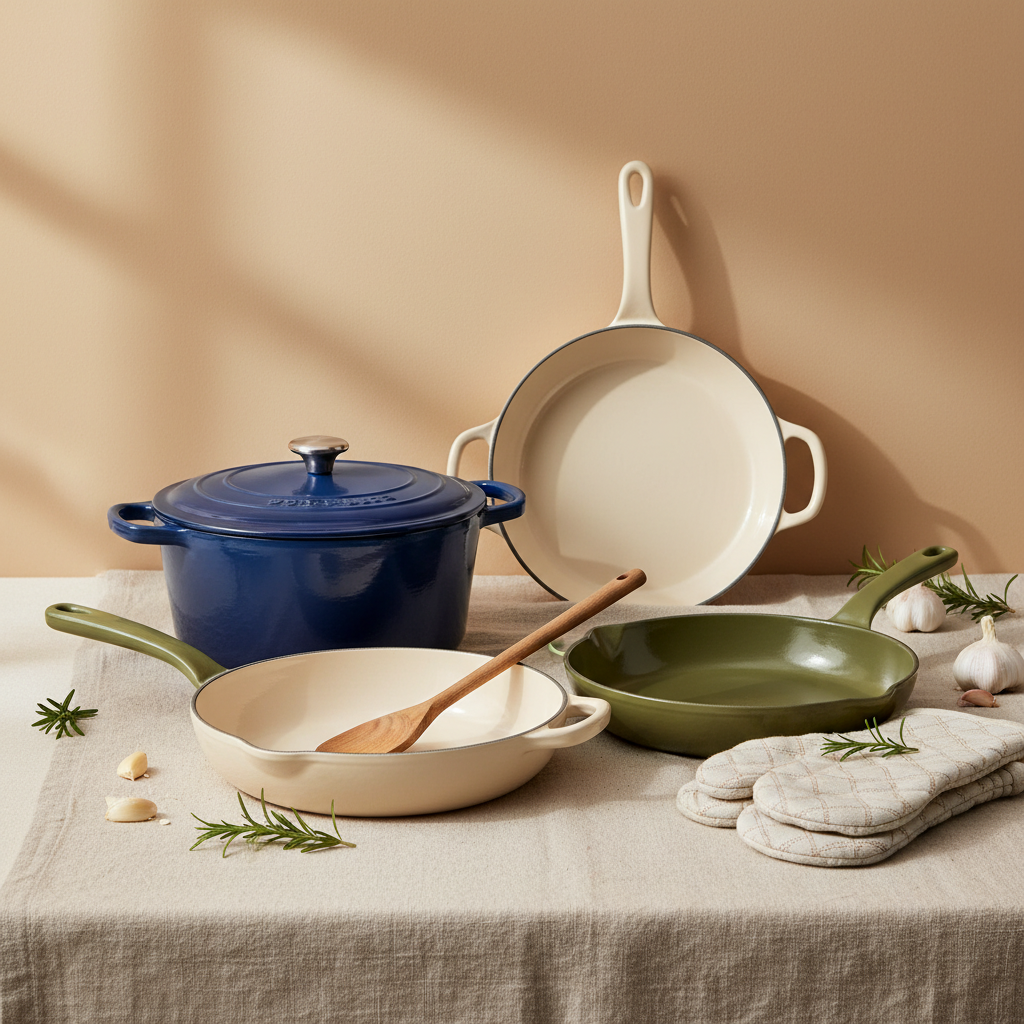
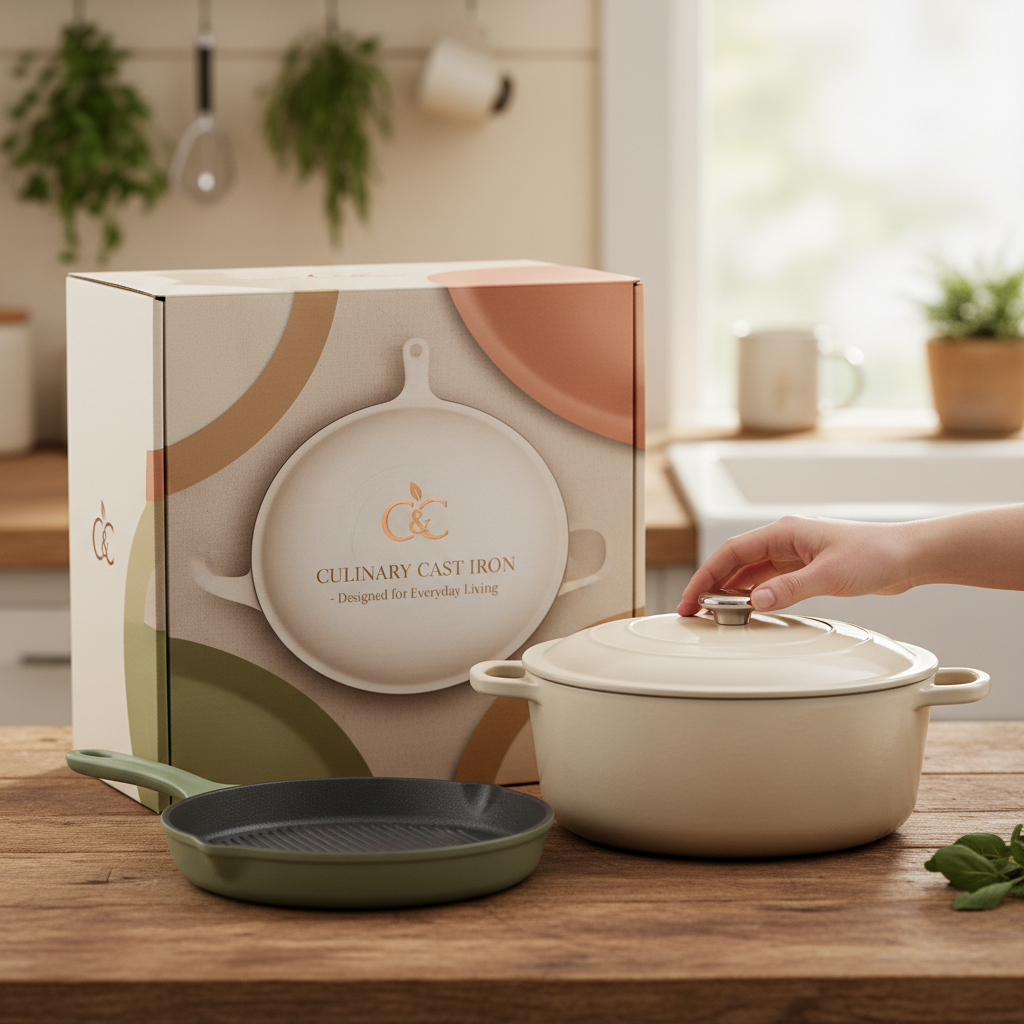
Then you have the coatings. Teflon (PTFE) is still popular, but there’s growing concern about the chemicals used in its manufacturing. Ceramic is the alternative, but, as I mentioned, it’s not as durable. There’s also enamel, which is great for cast iron, providing a non-reactive surface and a colorful finish. Honestly, handling some of these coatings feels… slippery. Like, really slippery.
And the smell! Some of the cheaper coatings have a distinct chemical odor when you first heat them up. It's not a good sign, let me tell you. You want a pan that smells like… well, nothing.
Real-World Testing: Beyond the Lab
Lab tests are fine, but they don't tell the whole story. We need to see how these pans perform in a real kitchen, under real-world conditions. We send samples to home cooks, professional chefs, and even camping enthusiasts. We ask them to cook everything from scrambled eggs to steak, to see how the pan handles different foods and heat levels.
We look for hot spots, uneven heating, sticking, and ease of cleaning. But we also pay attention to things like handle comfort and balance. Is it easy to maneuver? Does it feel solid and secure in your hand? These things matter.
Frying Pan Performance Metrics
How People Actually Use Frying Pans
This is where it gets interesting. We assume people are using these pans to cook elaborate meals, right? Wrong. A huge percentage of frying pan use is for simple things: eggs, bacon, toast. They're not searing steaks every night.
That means durability and ease of cleaning are even more important than high-end performance. People want a pan that can withstand daily abuse and wash up quickly. They don’t want to spend hours scrubbing away burnt food.
The Good, the Bad, and the Customizable
The advantages? A good frying pan is a kitchen essential. It’s versatile, durable, and can last a lifetime with proper care. But the disadvantages? Well, cheaper pans can be flimsy, prone to sticking, and easily damaged. And let's be real, even good pans can be a pain to clean sometimes.
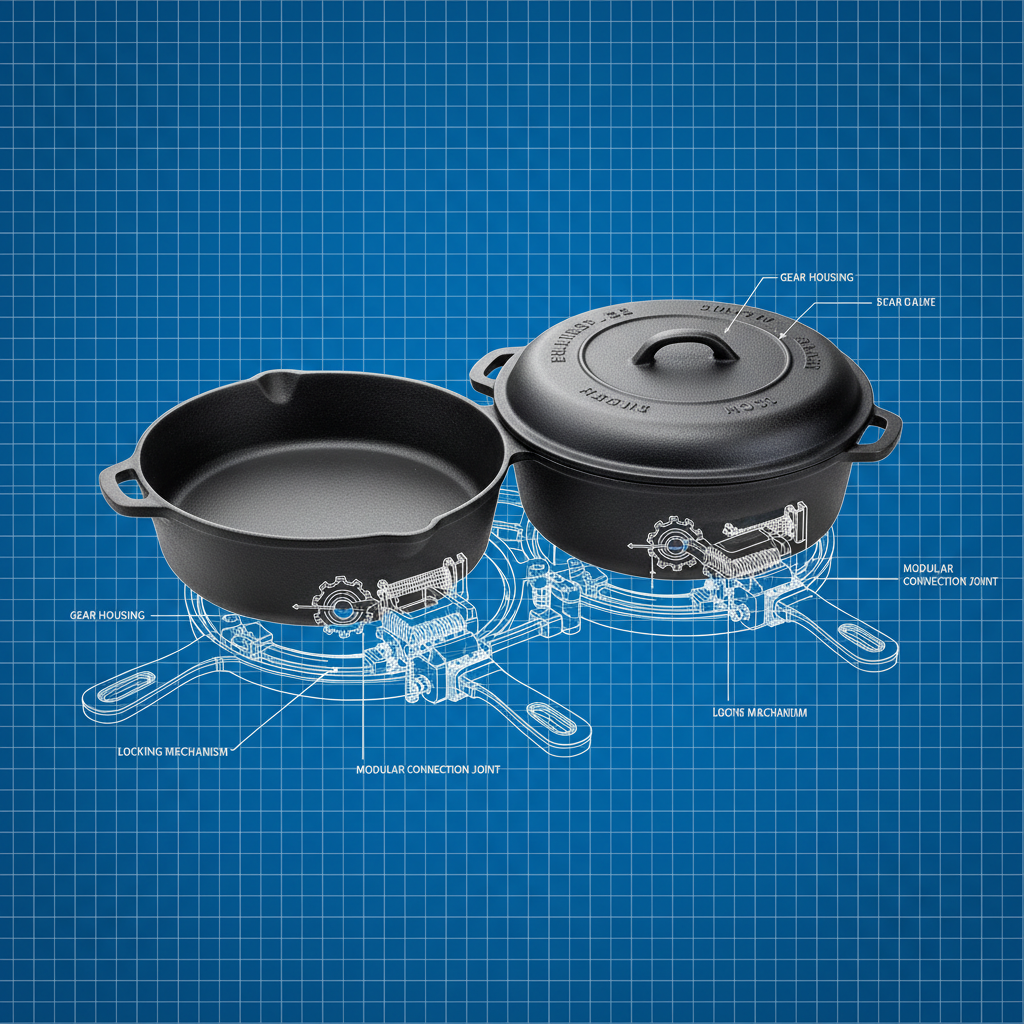
Customization is becoming more popular, though. We had a request last month from a chef who wanted a frying pan with a custom-shaped handle, specifically designed to fit his hand. It was a small order, but it shows that people are willing to pay extra for something that’s tailored to their needs. Anyway, I think that’s a trend we'll see more of.
A Customer Story: The Fiasco
Last month, that small boss in Shenzhen who makes smart home devices insisted on changing the interface to . It wasn’t for the pan itself, but for the packaging! He said it was “more modern” and “aligned with his brand.” He wanted a sleek, minimalist package with a USB-C charging port… on a frying pan box. I swear.
I tried to explain that it was completely unnecessary, that it added cost and complexity, and that nobody was going to charge a cardboard box. But he wouldn’t listen. He wanted , and he got. It delayed the order by two weeks, and the whole thing was a mess. Later… Forget it, I won't mention it.
The pan itself was fine, by the way. Solid construction, good non-stick coating. It was the packaging that was the problem. Always the packaging.
Key Performance Indicators for Frying Pan Quality
| Material Quality |
Heat Distribution |
Durability (Years) |
Ease of Cleaning (1-10) |
| High-Grade Stainless Steel |
Excellent, Even Heating |
10+ Years |
9/10 |
| Aluminum with PTFE Coating |
Good, Some Hot Spots |
3-5 Years |
8/10 |
| Cast Iron (Enameled) |
Very Slow, Excellent Retention |
Lifetime |
6/10 |
| Carbon Steel (Seasoned) |
Fast, Potential Hot Spots |
5-7 Years |
7/10 |
| Stainless Steel (Thin Base) |
Uneven, Significant Hot Spots |
2-3 Years |
5/10 |
| Ceramic Non-Stick |
Moderate, Fairly Even |
1-2 Years |
7/10 |
FAQS
For truly high-heat cooking – searing steaks, stir-frying – you want carbon steel or a heavy-gauge stainless steel. Carbon steel heats up super fast and can withstand incredible temperatures, but requires seasoning. Stainless steel is more forgiving, but a thicker base is key to preventing warping and hot spots. Avoid non-stick coatings for this type of cooking; they'll break down at high heat.
Cast iron requires a little love, but it’s worth it. After each use, scrape out any food residue and wash it with hot water (no soap!). Dry it thoroughly, then lightly coat it with oil and heat it on the stovetop for a few minutes. This helps maintain the seasoning. Avoid soaking it in water, and never put it in the dishwasher.
The marketing says they are, but it’s complicated. Ceramic coatings don’t contain PFOA or PTFE, which are found in traditional Teflon. However, some ceramic coatings can contain other potentially harmful chemicals. Plus, the non-stick properties tend to degrade much faster than PTFE, meaning you’ll be replacing them more often.
Induction cooktops use magnetism to heat cookware directly. For a frying pan to work on an induction cooktop, it needs to be made of a ferromagnetic material – essentially, something a magnet will stick to. Stainless steel pans are often induction compatible if they have a layer of magnetic stainless steel in the base. Check the packaging to be sure!
Place your frying pan on a flat surface. If it rocks or doesn’t sit flush, it's likely warped. This happens when the pan gets too hot too quickly or is subjected to extreme temperature changes. A warped pan won’t heat evenly and can be dangerous to use.
Not necessarily. A heavier pan retains heat better, which is great for searing, but it can also be more difficult to maneuver. A lighter pan is easier to handle, but may not distribute heat as evenly. It depends on your cooking style and preferences. Finding the right balance is key.
Conclusion
Ultimately, choosing a frying pan comes down to understanding your needs and priorities. There’s no one “best” pan, just the best pan for you. Durability, heat distribution, ease of cleaning, and price are all important factors to consider. Don't get caught up in the marketing hype – focus on the fundamentals.
And remember, whether this thing works or not, the worker will know the moment he tightens the screw. So, if you're building a business around frying pans, spend time on the factory floor, talk to the cooks, and listen to what they need. That’s the only way to build something truly great. Check out our frying pan selection