Enamel kitchenware, renowned for its durability and aesthetic appeal, has become a staple in kitchens worldwide. From charmingly rustic cookware to sleek, modern serving dishes, enamel-coated metal offers a unique blend of functionality and style. Understanding the nuances of enamel kitchenware – its production, care, and diverse applications – is crucial for both consumers seeking quality kitchen tools and manufacturers striving for innovation in the culinary landscape. This exploration delves into the world of enamel, examining its properties, historical context, and future potential.
Globally, the demand for durable and safe cookware continues to rise, driven by increased consumer awareness regarding food safety and product longevity. The enamel kitchenware market is experiencing steady growth, particularly in regions prioritizing traditional cooking methods and aesthetic value. Data from industry reports indicate a consistent annual increase in sales, demonstrating a sustained preference for enamel over other materials. However, challenges related to production costs and the sourcing of raw materials necessitate a focus on sustainable practices and innovative manufacturing techniques.
The allure of enamel kitchenware extends beyond mere functionality. Its vibrant colors, resistance to chipping, and non-reactive surface make it a preferred choice for both everyday use and special occasions. Enamel, essentially a powdered glass fused onto a metal base (typically steel or cast iron), provides a smooth, hygienic surface that’s easy to clean and maintain. The versatility of enamel allows for a wide array of designs and applications, making it a favorite among chefs, home cooks, and design enthusiasts alike.
Introduction to enamel kitchenware
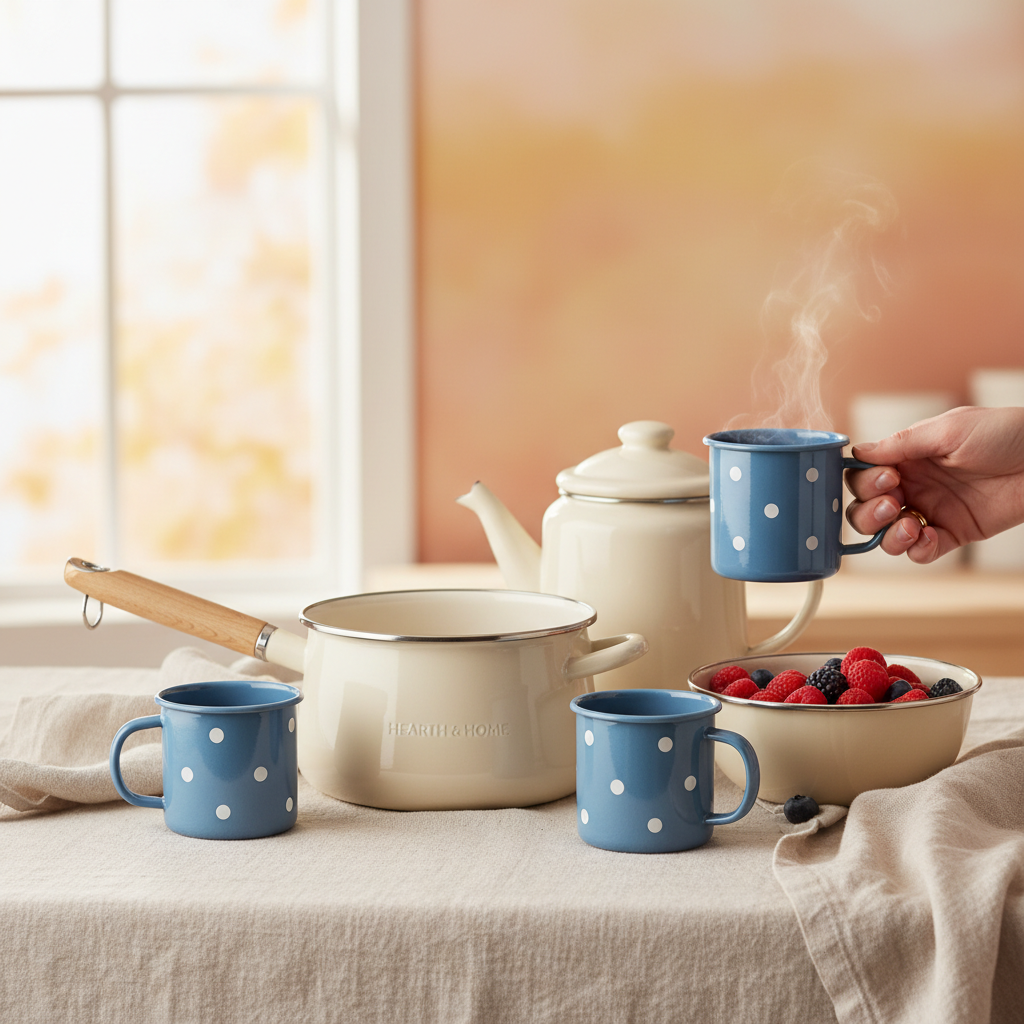
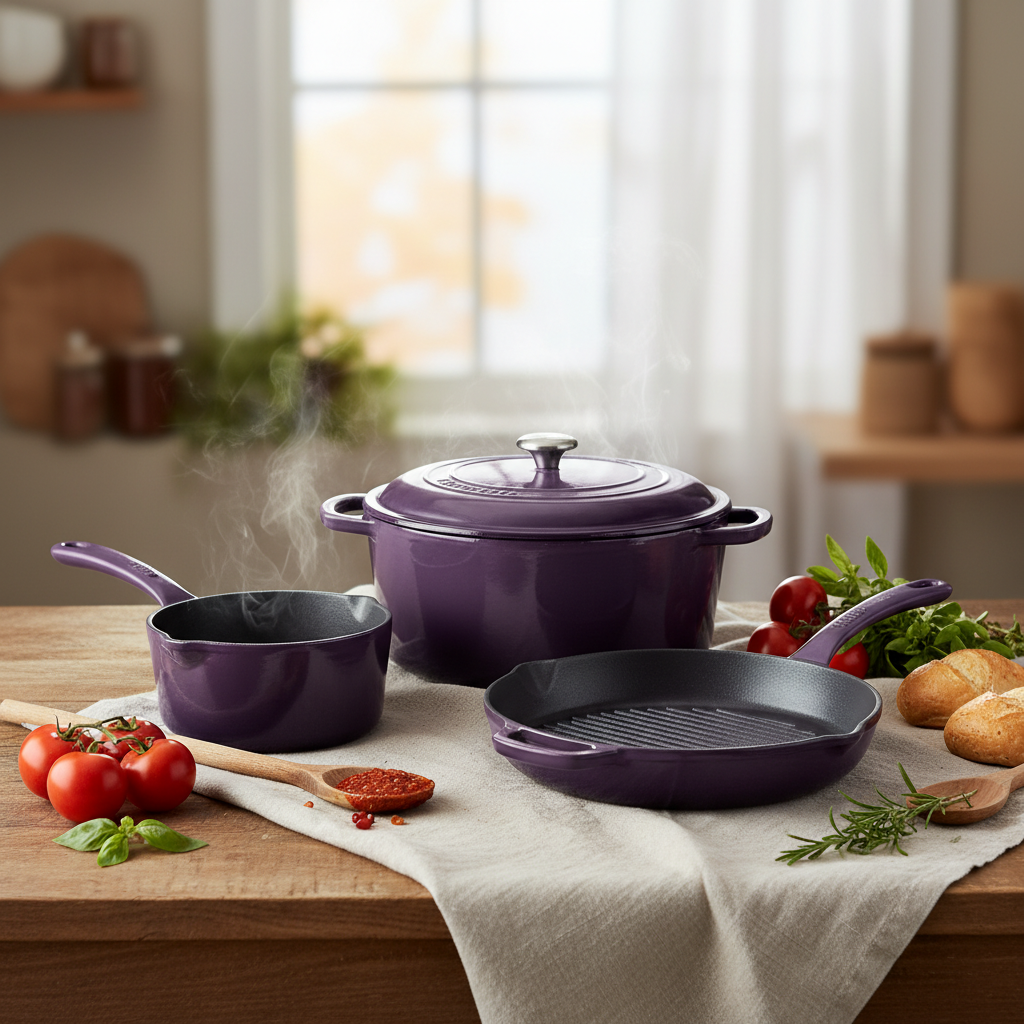
Enamel kitchenware represents a fusion of artistry and practicality. The process of coating metal with enamel – a glass-like substance – creates a surface that is both beautiful and highly functional. This technique has been refined over centuries, resulting in the diverse range of enamel cookware and accessories we see today. From vibrant Dutch ovens to delicate teapots, enamel offers a timeless aesthetic that complements any kitchen style.
The enduring popularity of enamel kitchenware stems from its inherent qualities. Unlike some materials, enamel is non-reactive, meaning it won’t interact with acidic foods and alter their flavor. This makes it ideal for simmering sauces, braising meats, and preparing a wide variety of dishes. Moreover, enamel is remarkably durable, resisting scratches and chipping with proper care. This longevity contributes to its status as a sustainable and valuable investment for any home cook.
The Composition of Enamel
At its core, enamel is a silicate-based glass fused to a metal substrate, most commonly carbon steel or cast iron. The process begins with carefully cleaning and preparing the metal surface to ensure proper adhesion. The enamel powder, a mixture of finely ground glass, pigments, and other additives, is then applied using various techniques, including spraying, dusting, or dipping. This is followed by firing the coated metal at high temperatures (typically between 760°C and 850°C) in a kiln.
The pigments within the enamel powder are responsible for the wide spectrum of colors available. These pigments must be stable at high temperatures and compatible with the glass matrix to prevent fading or discoloration. Different enamel formulations are used for different applications, with variations in glass composition affecting properties like hardness, flexibility, and resistance to thermal shock. The quality of both the metal base and the enamel coating significantly impact the overall durability and performance of the finished product.
Understanding the composition of enamel kitchenware is vital for appreciating its unique properties. The glass-like coating provides a non-porous, hygienic surface that resists staining and odor absorption. The metal base offers structural strength and heat conductivity, while the fusion process creates a strong bond that ensures long-lasting performance.
The Historical Development of enamel kitchenware
The origins of enameling can be traced back to ancient civilizations, with evidence of early enamel work found in ancient Egypt and Greece. However, the development of enamel kitchenware as we know it today began in the 18th and 19th centuries, particularly in Europe. Initially, enamel was used primarily for decorative purposes, adorning jewelry, religious artifacts, and luxury goods. It wasn’t until advancements in manufacturing techniques that enamel became accessible for mass-produced cookware.
The industrial revolution spurred significant innovation in enamel production. Techniques like stamping and automated firing allowed for greater efficiency and lower costs, making enamel kitchenware a popular choice for households across Europe. During this period, companies like Falcon Enamelware in England became renowned for their high-quality, durable products. Enamel cookware quickly gained recognition for its practicality, hygiene, and aesthetic appeal.
Throughout the 20th century, enamel kitchenware continued to evolve, with new colors, designs, and manufacturing processes emerging. The mid-century modern aesthetic embraced the vibrant colors and sleek forms of enamel cookware, solidifying its place in popular culture. Today, enamel remains a cherished material, blending traditional craftsmanship with contemporary design.
Key Properties of enamel kitchenware
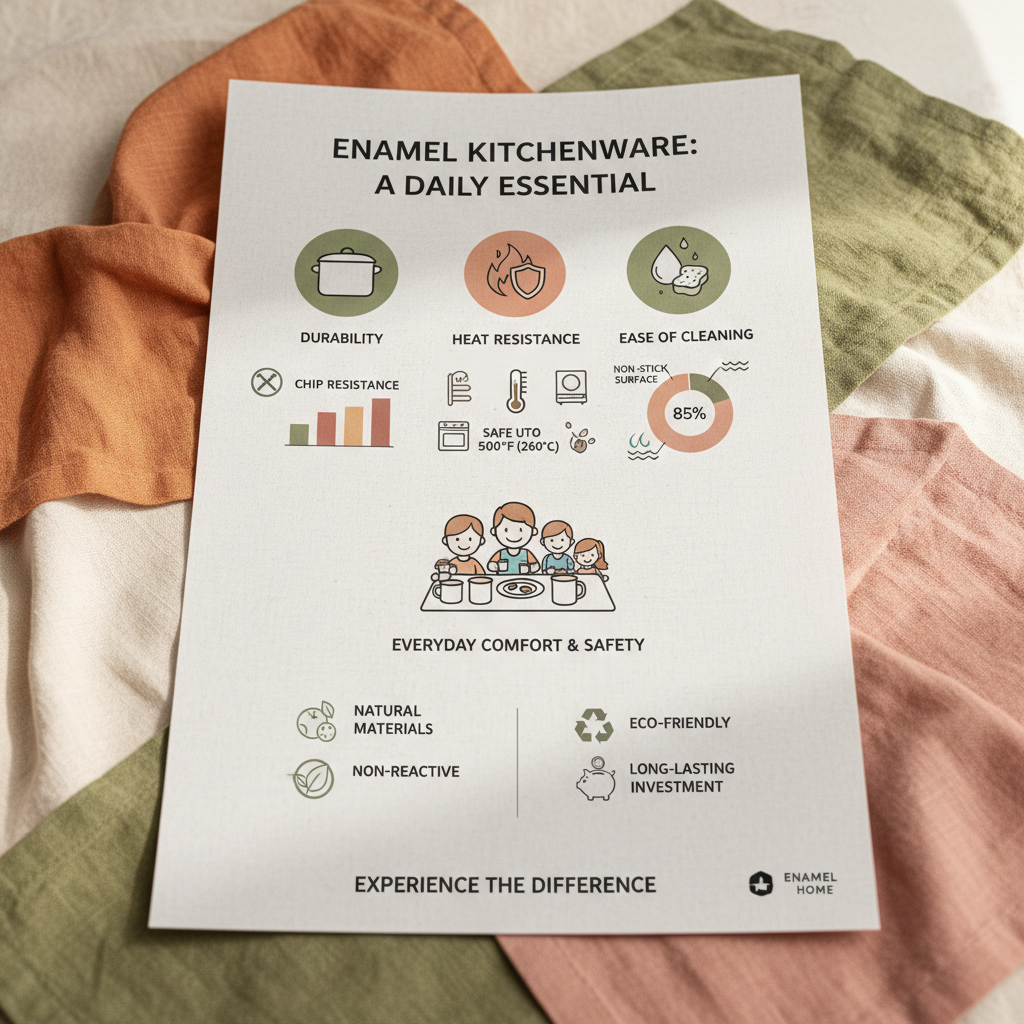
Several key properties contribute to the enduring appeal and functionality of enamel kitchenware. Chief among these is its exceptional durability. The enamel coating is highly resistant to scratching, chipping, and staining, ensuring that the cookware retains its beauty and performance for years to come. This resistance to wear and tear makes enamel a smart investment for busy kitchens.
Enamel is also a non-reactive material, meaning it won’t interact with acidic foods and affect their flavor or nutritional value. This characteristic sets it apart from some other cookware materials, making it ideal for simmering tomato sauces, pickling vegetables, and preparing a wide range of dishes. Furthermore, enamel is incredibly easy to clean – a simple wash with soap and water is usually sufficient to remove food residue.
Enamel Kitchenware Performance Metrics
Global Applications of enamel kitchenware
Enamel kitchenware finds applications in a diverse range of settings, from bustling professional kitchens to cozy home environments. In Europe, it remains a classic choice for everyday cookware, appreciated for its durability and aesthetic appeal. In many Asian countries, enamel pots and pans are favored for their ability to withstand high heat and provide even cooking.
Beyond domestic use, enamel kitchenware is also widely employed in the hospitality industry. Restaurants and catering companies rely on its robustness and hygiene to meet the demands of commercial kitchens. In remote regions or disaster-relief efforts, enamel cookware provides a reliable and easy-to-clean solution for preparing meals.
Advantages and Sustainability of enamel kitchenware
The advantages of choosing enamel kitchenware are multifaceted. From a practical standpoint, its durability translates into long-term cost savings, reducing the need for frequent replacements. The non-reactive surface ensures food safety and preserves the integrity of flavors. Furthermore, enamel is relatively easy to maintain, requiring minimal effort to keep clean and looking its best.
From a sustainability perspective, enamel kitchenware offers a compelling alternative to disposable or short-lived cookware. Its longevity reduces waste, while the use of natural materials (metal and glass) minimizes environmental impact. Many manufacturers are also adopting more sustainable production practices, such as using recycled materials and reducing energy consumption.
Beyond the tangible benefits, enamel kitchenware evokes a sense of nostalgia and timelessness. It’s a material that connects us to generations past, representing a commitment to quality and enduring style. The aesthetic appeal and inherent reliability of enamel contribute to a positive user experience, fostering a sense of satisfaction and enjoyment in the kitchen.
Future Trends in enamel kitchenware
The future of enamel kitchenware promises exciting innovations and advancements. One emerging trend is the development of new enamel formulations with enhanced properties, such as increased resistance to thermal shock and improved scratch resistance. Manufacturers are also exploring new techniques for applying enamel, including more intricate designs and personalized customizations.
Another significant trend is the integration of smart technology into enamel cookware. Imagine enamel pots with built-in sensors that monitor temperature and cooking time, providing real-time feedback to the user. This convergence of traditional craftsmanship and modern technology has the potential to revolutionize the cooking experience.
Sustainability will continue to be a driving force in the evolution of enamel kitchenware. Expect to see increased use of recycled materials, more energy-efficient manufacturing processes, and a greater focus on creating products that are both durable and environmentally responsible.
Summary of Key Attributes of Future Enamel Kitchenware Development
| Material Composition |
Manufacturing Process |
Smart Integration |
Sustainability Impact |
| Increased use of recycled metals |
Automated enamel application with precision |
Temperature sensors for cooking precision |
Reduced carbon footprint in production |
| Bio-based enamel coatings |
Energy-efficient kiln firing techniques |
Connectivity to cooking apps |
Use of renewable energy sources |
| Reduced lead and cadmium content |
3D printing for customized designs |
Integrated timers and alerts |
Minimal packaging and waste reduction |
| Development of self-cleaning enamel |
Optimized enamel layering for durability |
Voice control compatibility |
Closed-loop manufacturing systems |
| Exploring alternative metal bases |
Improved quality control processes |
Recipe suggestions based on cookware |
Water conservation in manufacturing |
| Enhanced color stability of enamel |
AI-powered defect detection |
Remote diagnostics and maintenance |
Ethical sourcing of raw materials |
FAQS
Enamel kitchenware’s durability is its biggest sustainability advantage. Unlike disposable or short-lived cookware, enamel pieces last for decades, reducing the need for frequent replacements. The materials – metal and glass – are largely recyclable, and manufacturers are increasingly adopting eco-friendly production practices, minimizing waste and energy consumption. This longevity and recyclability make it a responsible choice for environmentally conscious consumers.
Proper care is essential for maximizing the lifespan of your enamel kitchenware. Avoid using abrasive cleaners or scouring pads, as these can damage the enamel coating. Instead, opt for mild soap and a soft sponge. Avoid extreme temperature shocks – never plunge a hot enamel pot into cold water. While enamel is durable, dropping it can cause chipping, so handle with care. With proper care, your enamel cookware will provide years of reliable service.
Most enamel cookware is compatible with gas, electric, and ceramic stovetops. However, it’s crucial to check the manufacturer’s instructions before use, as some enamel pieces may not be suitable for induction cooktops. Enamel cookware is also oven-safe, but again, always verify the temperature limit specified by the manufacturer. Always use caution when handling hot enamel cookware.
Generally, enamel cookware without metallic accents (like stainless steel rims) is considered microwave-safe. However, it’s always best to consult the manufacturer’s instructions. Avoid microwaving enamel cookware with metallic decorations, as this can cause sparks and damage the microwave. Remember that enamel retains heat well, so be cautious when removing it from the microwave.
Chipping in enamel cookware is typically caused by impact – dropping the pot or banging it against hard surfaces. Extreme temperature shocks, such as plunging a hot pot into cold water, can also contribute to chipping. Using abrasive cleaners or scouring pads can gradually wear away the enamel, increasing the risk of chipping. Proper handling and care are the best ways to prevent chipping.
The metal base is crucial for the overall quality and performance of enamel kitchenware. Carbon steel provides excellent heat conductivity and is a common choice for many enamel pieces. Cast iron offers superior heat retention but is heavier. The thickness and quality of the metal impact the cookware’s durability and ability to distribute heat evenly. A higher-quality metal base ensures even cooking and prevents hot spots.
Conclusion
In conclusion, enamel kitchenware represents a compelling blend of tradition, functionality, and sustainability. From its historical roots to its modern-day applications, enamel has consistently proven its value as a durable, versatile, and aesthetically pleasing material. Its non-reactive surface, ease of cleaning, and longevity make it a preferred choice for both home cooks and professional chefs alike.
Looking ahead, the future of enamel kitchenware is bright, with innovations in materials, manufacturing processes, and smart technology poised to enhance its performance and appeal. By embracing sustainable practices and prioritizing quality craftsmanship, enamel kitchenware can continue to be a cherished part of kitchens worldwide for generations to come. Visit our website at hapichefcookware.com to explore our collection of high-quality enamel cookware.