The humble enamel casserole dish, a staple in kitchens worldwide, represents far more than just a cooking vessel. It embodies a blend of tradition, practicality, and modern culinary innovation. From slow-cooked stews to vibrant baked dishes, the enamel casserole’s versatility has cemented its place as an essential tool for both amateur cooks and professional chefs. Its enduring popularity stems from its ability to evenly distribute heat, retain moisture, and deliver consistently delicious results.
Globally, the demand for durable and reliable cookware continues to rise, fueled by a growing interest in home cooking and a desire for quality kitchen equipment. This demand isn't limited to developed nations; emerging markets are also experiencing an increased appetite for cookware that can withstand daily use and deliver consistent performance. The enamel casserole, with its robust construction and timeless appeal, perfectly addresses this need.
Beyond the kitchen, understanding the properties of enamel casserole cookware informs materials science and manufacturing processes. It’s a tangible example of how careful material selection – in this case, cast iron and porcelain enamel – can create a product that is both functional and aesthetically pleasing, impacting both consumer lifestyles and industrial practices.
The Enduring Appeal of Enamel Casseroles
The popularity of the enamel casserole isn't simply a matter of fashion; it’s rooted in its functional benefits and its connection to culinary traditions. For generations, these dishes have been passed down through families, becoming symbols of comfort food and shared meals. The robust nature of cast iron, combined with the protective and aesthetically pleasing enamel coating, has made it a kitchen staple for both everyday cooking and special occasions.
Beyond the sentimental value, the inherent properties of an enamel casserole – excellent heat retention, even heating, and resistance to corrosion – contribute to consistently successful cooking results. This makes it a favorite among chefs and home cooks alike, allowing for a wide range of culinary creations, from braising meats to baking breads.
Defining Enamel Casserole Cookware
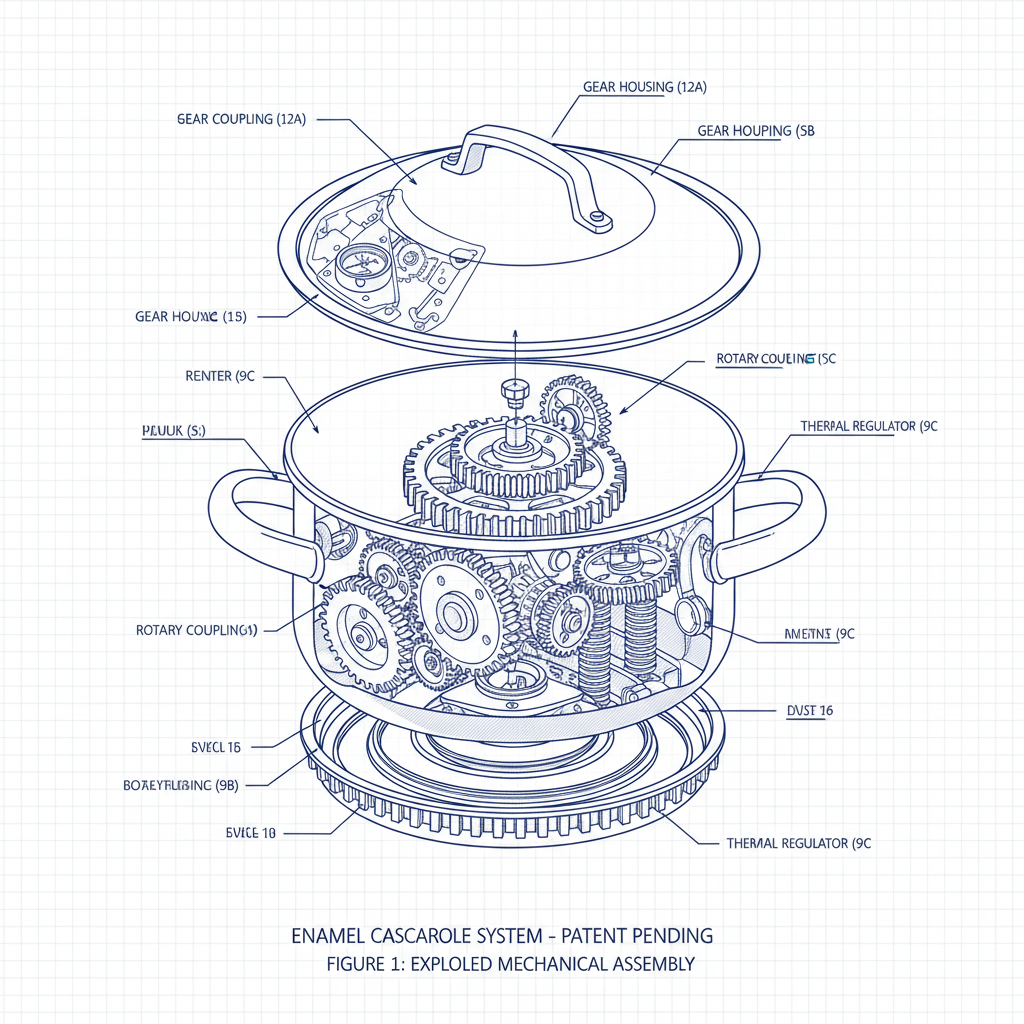
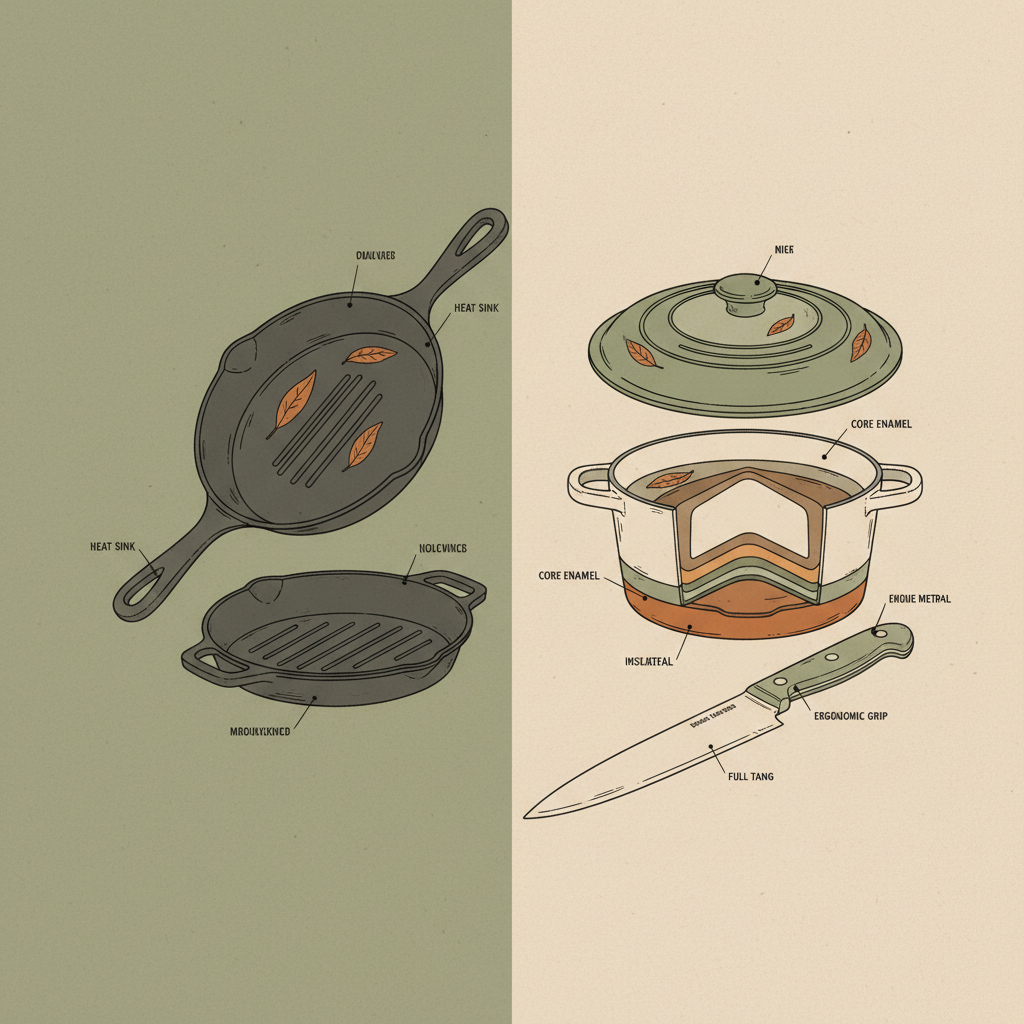
An enamel casserole dish is fundamentally constructed from cast iron, a material renowned for its exceptional heat retention and even heating capabilities. This cast iron base is then coated with porcelain enamel, a glass-like substance fused to the metal at high temperatures. This enamel coating provides a non-reactive surface, preventing food from interacting directly with the iron and imparts a smooth, easy-to-clean finish.
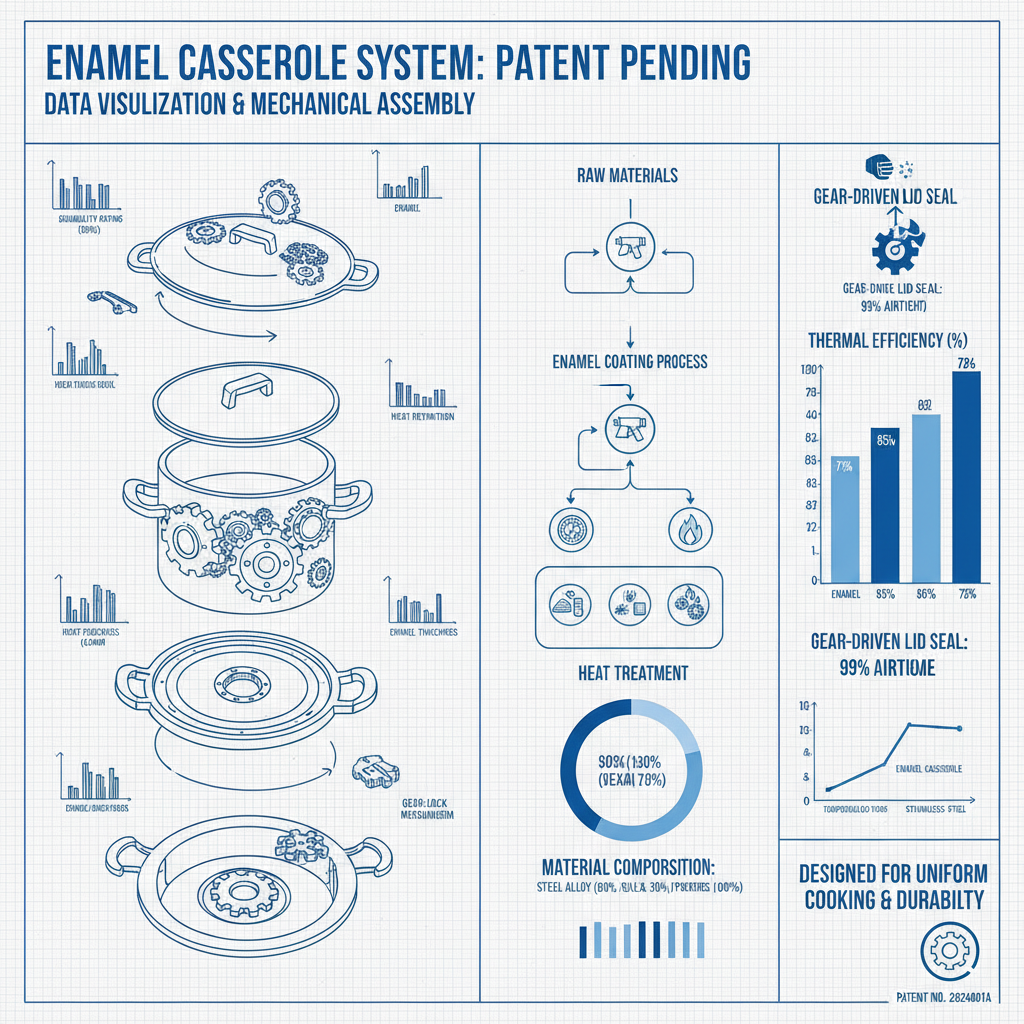
The process of creating an enamel casserole is relatively complex, requiring precision and expertise. The quality of both the cast iron and the enamel coating significantly impacts the dish’s overall durability and performance. Variations in enamel color and thickness are common, contributing to the unique character of each piece.
This combination of materials makes the enamel casserole uniquely suited for a variety of cooking applications, including slow-cooking, braising, roasting, baking, and even simmering delicate sauces. Its versatility and durability have established it as a cornerstone of both professional and home kitchens.
Core Characteristics of Enamel Casseroles
Several key characteristics define a high-quality enamel casserole. First and foremost is its ability to distribute heat evenly, eliminating hot spots and ensuring consistent cooking. This is a direct result of the cast iron’s thermal properties.
Secondly, the enamel coating is non-reactive, meaning it doesn’t impart any flavors to the food being cooked and prevents acidic ingredients from corroding the cast iron. This allows for the preparation of a wide variety of dishes without concern for unwanted metallic tastes or reactions. Finally, a well-made enamel casserole is remarkably durable and can last for generations with proper care.
The weight of the cast iron contributes to its stability on the stovetop and in the oven, and also aids in heat retention, keeping food warm for extended periods. This is particularly valuable for slow-cooking dishes or serving at a buffet.
Key Factors Influencing Enamel Casserole Performance
Several factors significantly influence the performance of an enamel casserole. The thickness of the cast iron plays a crucial role; thicker cast iron provides greater heat retention and more even heating. The quality and application of the enamel coating are equally important, as a flawed coating can chip or crack with use.
The shape and size of the casserole also impact its functionality. Different shapes are better suited for different types of cooking – for example, a round casserole is ideal for soups and stews, while an oval casserole is better for roasting larger cuts of meat.
Enamel Casserole Cooking Method Ratings
Global Applications and Culinary Traditions
The enamel casserole holds a prominent place in many global culinary traditions. In France, cocottes – the French term for enamel casseroles – are indispensable for preparing classic dishes like coq au vin and boeuf bourguignon. In Dutch cuisine, they are used for making stamppot, a hearty mashed potato and vegetable dish.
Across Scandinavia, enamel casseroles are favored for slow-cooked stews and comforting winter meals. In North America, they’ve gained popularity for their versatility in preparing everything from pot roasts to baked desserts. They are frequently found in professional kitchens globally, chosen for their durability and performance.
Advantages and Long-Term Value Proposition
The advantages of investing in an enamel casserole extend beyond its immediate cooking benefits. Its durability ensures a long lifespan, potentially lasting for decades with proper care. This translates into significant cost savings over time, compared to frequently replacing less durable cookware.
The versatility of the enamel casserole allows it to replace multiple specialized cooking vessels, saving space and reducing clutter in the kitchen. Furthermore, the consistent cooking results and even heat distribution contribute to more flavorful and enjoyable meals, enhancing the overall dining experience.
From a sustainability perspective, the longevity of the enamel casserole reduces the need for frequent replacements, minimizing waste and environmental impact. It’s a purchase that aligns with a conscious lifestyle, promoting quality over disposability.
Future Trends and Material Innovations
Innovation in enamel casserole design and materials is ongoing. Manufacturers are exploring new enamel formulations that are more chip-resistant and offer improved heat conductivity. Lightweight cast iron alloys are also being developed to reduce the overall weight of the casseroles without compromising their performance.
Another trend is the integration of smart technology into cookware, such as temperature sensors and connectivity to mobile apps. While not yet widespread in enamel casseroles, this is a potential area for future development. Focus is also on environmentally friendly production processes.
Sustainable sourcing of materials and responsible manufacturing practices are becoming increasingly important to consumers, driving manufacturers to adopt more eco-conscious approaches to enamel casserole production.
Summary of Enamel Casserole Material and Production Trends
| Material Innovation |
Production Process |
Sustainability Focus |
Consumer Demand |
| Enhanced Enamel Formulation |
Automated Enamel Application |
Recycled Cast Iron Usage |
Durability and Longevity |
| Lightweight Cast Iron Alloys |
Precision Casting Techniques |
Reduced Water Consumption |
Ease of Handling |
| Improved Heat Conductivity |
Quality Control Measures |
Responsible Sourcing of Materials |
Consistent Cooking Results |
| Scratch-Resistant Enamel Coatings |
Optimized Firing Schedules |
Waste Reduction Initiatives |
Extended Product Lifespan |
| Bio-Based Enamel Components |
Energy-Efficient Kilns |
Carbon Footprint Reduction |
Eco-Conscious Purchasing |
| Self-Cleaning Enamel Surfaces |
Lean Manufacturing Principles |
Circular Economy Practices |
Convenience and User Experience |
FAQS
To prevent chipping, avoid sudden temperature shocks, such as placing a hot casserole directly into cold water. Use wooden or silicone utensils to avoid scratching the enamel surface. Hand washing is recommended, though many enamel casseroles are dishwasher safe, repeated dishwasher cycles can potentially dull the enamel over time. Always ensure the casserole is fully dry before storing.
While enamel is generally durable, using metal utensils can scratch or chip the surface over time. It is highly recommended to use wooden, silicone, or nylon utensils to protect the enamel coating and prolong the life of your casserole. Gentle care will ensure its lasting beauty and performance.
Whether an enamel casserole is induction-compatible depends on the composition of the cast iron base. Most modern enamel casseroles are made with a magnetic cast iron that works well on induction cooktops. However, it’s always best to check the manufacturer's specifications to ensure compatibility before use. A magnet will stick to induction-compatible cast iron.
Enamel casseroles excel in heat retention and even heat distribution due to the thermal properties of cast iron. While stainless steel heats up quickly, it doesn't retain heat as effectively. An enamel casserole provides more consistent temperatures, making it ideal for slow-cooking, braising, and recipes requiring prolonged heat. Stainless steel is generally better for quick searing.
Generally, it's not recommended to use an enamel casserole directly on a barbecue grill. The high, direct heat can cause the enamel to crack or shatter. If you wish to use it for grilling-related dishes, consider using it on the stovetop to pre-cook the ingredients, then finishing them on the grill in a separate, grill-safe container.
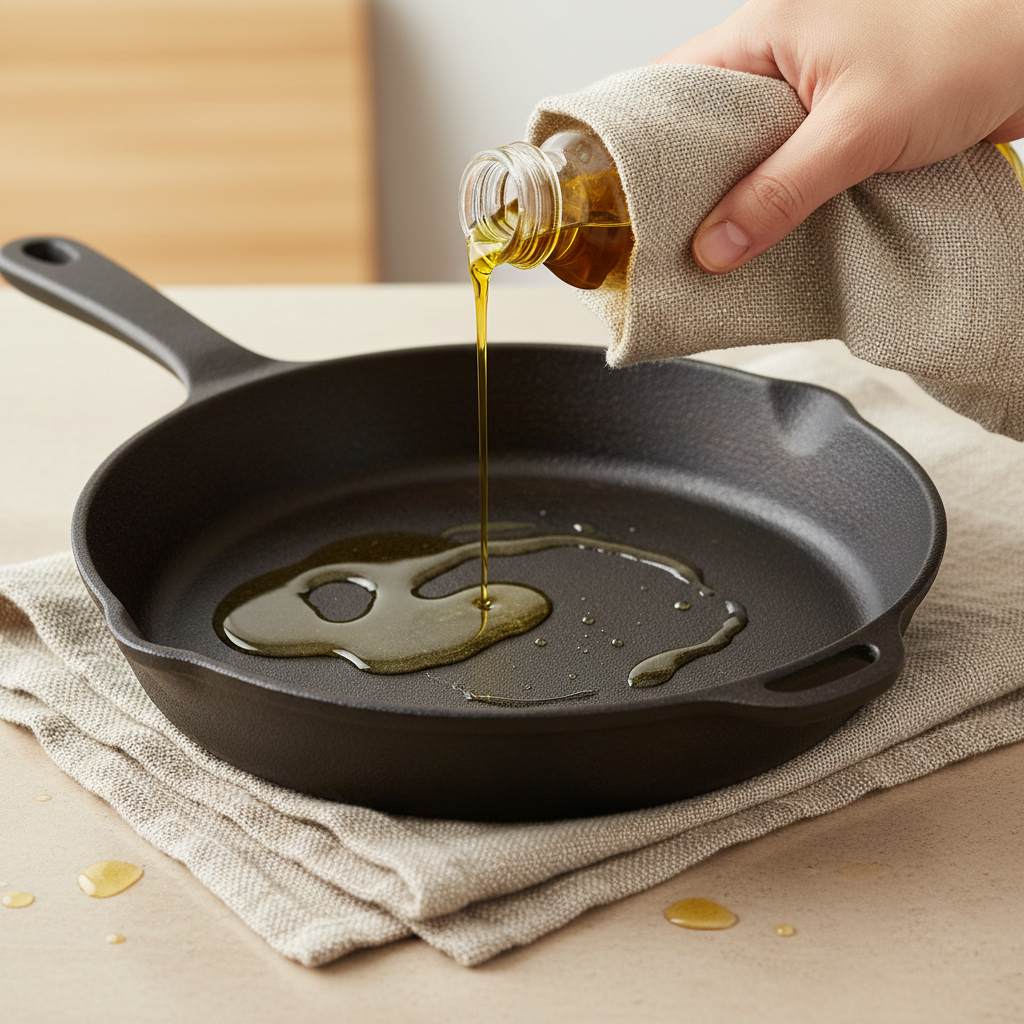
The primary benefit of an enamel casserole is the non-reactive surface provided by the enamel coating. This eliminates the need for seasoning and prevents food from reacting with the cast iron, altering its flavor. Enamel also makes cleaning much easier, as food doesn’t readily stick. While traditional cast iron requires regular maintenance, an enamel casserole offers convenience without sacrificing performance.
Conclusion
In conclusion, the enamel casserole remains a timeless and invaluable addition to any kitchen. Its unique combination of durability, versatility, and performance, rooted in the properties of cast iron and porcelain enamel, provides both practical benefits and a connection to culinary traditions. From slow-cooked comfort food to elegant baked creations, it consistently delivers exceptional results.
Looking ahead, continued innovation in materials and manufacturing will undoubtedly enhance the quality and sustainability of enamel casseroles. By choosing a high-quality enamel casserole, you're not just investing in a cooking vessel, you're investing in a piece of culinary history—and a tool that will bring joy to your kitchen for generations to come. Visit our website at www.hapichefcastiron.com.com to explore our collection and elevate your cooking experience!