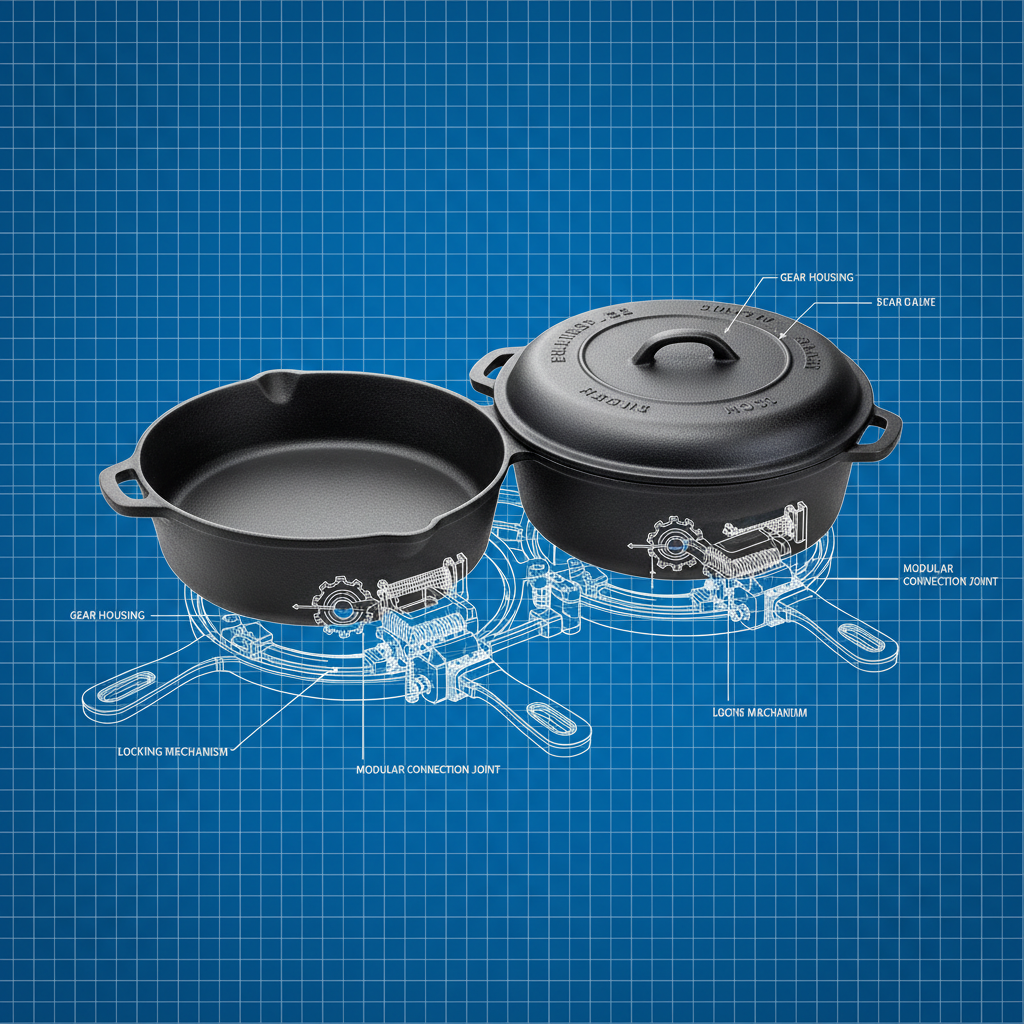
Cast iron bbq represents more than just a cooking method; it's a testament to enduring quality and culinary tradition. From humble beginnings as a utilitarian tool, cast iron has evolved into a sought-after material for grilling, smoking, and searing, prized for its exceptional heat retention and even cooking. This versatility has propelled cast iron bbq into kitchens and outdoor spaces worldwide, fostering a community of enthusiasts dedicated to its unique benefits. Understanding the nuances of cast iron bbq—its properties, care, and applications—unlocks a world of flavor and elevates the cooking experience.
The global relevance of cast iron bbq stems from its accessibility and durability. Unlike many modern cooking technologies, cast iron requires minimal maintenance and can last for generations with proper care. This longevity makes it a sustainable choice, reducing the need for frequent replacements and minimizing environmental impact. Furthermore, its ability to perform exceptionally well in diverse climates and cooking styles – from slow-smoked barbecue in the American South to perfectly seared steaks in Argentina – contributes to its widespread appeal. It’s a cooking method deeply interwoven with cultural traditions in many parts of the world.
Increasingly, consumers are seeking authentic, durable, and versatile cooking solutions. Cast iron bbq answers this demand. While stainless steel and other materials offer convenience, cast iron provides a distinct cooking experience—superior heat retention, natural non-stick properties when seasoned correctly, and a flavor profile that enhances food. The rise in outdoor cooking and the growing appreciation for artisanal techniques further solidify the position of cast iron bbq as a culinary staple.
The Fundamentals of cast iron bbq
At its core, cast iron bbq revolves around the use of cookware made from cast iron—an alloy of iron, carbon, and silicon—specifically designed for outdoor cooking. This encompasses everything from traditional grill grates to Dutch ovens used for smoking and baking directly on the coals. The fundamental principle is leveraging cast iron's exceptional heat retention to achieve consistent, high-temperature cooking, resulting in beautifully seared meats, caramelized vegetables, and deeply flavorful barbecue.
The versatility of cast iron bbq is another defining characteristic. It isn’t limited to a single style of cooking. It excels at direct grilling, indirect cooking for slow-roasted meals, smoking, searing, baking, and even frying. This adaptability makes it an ideal choice for both novice cooks and seasoned grill masters, allowing them to experiment with a wide range of culinary techniques and recipes.
Historical Context and Global Spread of cast iron bbq
The history of cast iron cookware stretches back centuries, with roots in ancient China and evolving through European craftsmanship. The use of cast iron for outdoor cooking, specifically what we now recognize as cast iron bbq, gained prominence in the American South during the 19th century. Initially, it was a practical necessity for cooking over open fires and wood-burning stoves. Early barbecue traditions relied heavily on the material’s ability to withstand high temperatures and deliver consistent results.
Over time, cast iron bbq spread beyond regional boundaries. The rise of barbecue as a national cuisine in the United States led to increased demand for cast iron cookware, and manufacturers began to refine designs and production techniques. The influence of American barbecue styles – Texas brisket, Carolina pulled pork, Memphis ribs – has fueled the international growth of cast iron bbq, inspiring chefs and home cooks across the globe to embrace its unique qualities.
Today, cast iron bbq enjoys a vibrant presence in diverse culinary cultures. From Argentina’s asado tradition, utilizing cast iron parrillas for grilling, to Japanese konro grills made from cast iron, the material’s adaptability and performance have secured its place as a cornerstone of outdoor cooking worldwide.
Defining cast iron bbq: Materials and Construction
Cast iron bbq cookware is primarily composed of gray cast iron, renowned for its high carbon content which contributes to its excellent heat retention and durability. The manufacturing process typically involves melting iron ore with carbon and silicon, then pouring the molten metal into molds to create the desired shape. This process results in a porous surface that requires seasoning – a process of repeatedly coating the iron with oil and heating it to create a natural, non-stick patina.
Modern cast iron bbq frequently incorporates enamel coatings. Enameled cast iron offers the benefits of cast iron – superior heat retention – with the added convenience of a non-reactive surface that doesn’t require extensive seasoning. This makes it easier to clean and maintain. However, the enamel coating can be susceptible to chipping or cracking if subjected to sudden temperature changes or mishandling.
The construction of cast iron bbq also varies. Grill grates are often made from a single piece of cast iron or assembled from individual bars. Dutch ovens feature thick walls and tight-fitting lids, allowing for efficient heat circulation and simmering. Understanding these material and construction differences is crucial for selecting the right cast iron bbq cookware for specific cooking needs.
Key Characteristics of Superior cast iron bbq
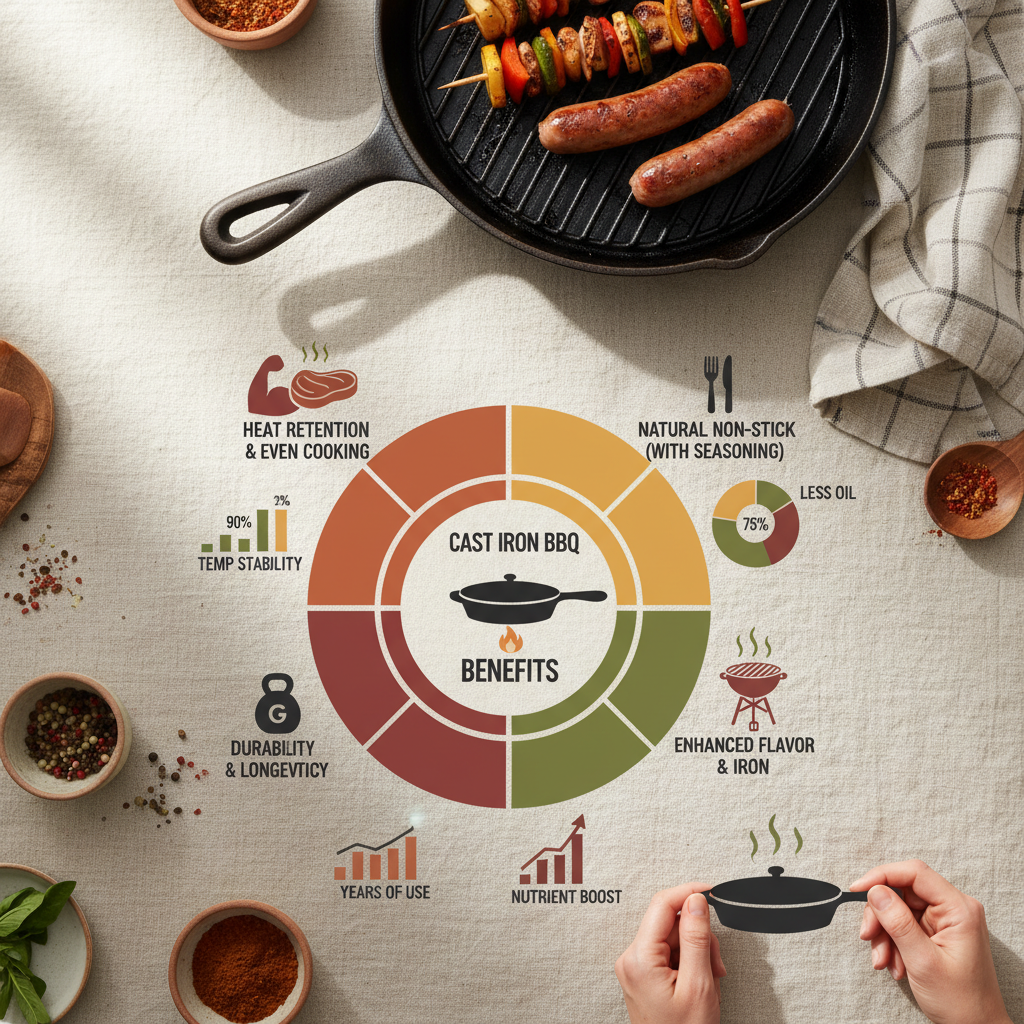
Several key characteristics distinguish exceptional cast iron bbq cookware. Firstly, heat retention is paramount. A well-crafted piece of cast iron can maintain consistent temperatures even in challenging outdoor conditions, ensuring evenly cooked food. Secondly, weight and thickness play a critical role; thicker cast iron generally offers superior heat retention and stability.
Cast Iron bbq Performance Metrics
Applications of cast iron bbq Across Industries
Beyond home cooking, cast iron bbq finds diverse applications in the culinary industry. Restaurants specializing in barbecue or steakhouse cuisine rely heavily on cast iron grills and skillets for their superior searing capabilities and consistent results. Food trucks and catering services also utilize its portability and durability.
The material's heat retention and even cooking characteristics are also valued in industrial food processing. Large-scale kitchens and commercial bakeries often employ cast iron surfaces for specific cooking tasks where precise temperature control is essential. This extends beyond culinary applications, with certain industrial processes benefiting from cast iron’s thermal properties.
The Lasting Benefits of Investing in cast iron bbq
Investing in cast iron bbq offers tangible long-term benefits. The durability of cast iron means that with proper care, a single piece can last a lifetime—often being passed down through generations. This eliminates the need for frequent replacements, resulting in cost savings over time. Moreover, cast iron's inherent sustainability—its recyclability and longevity—aligns with environmentally conscious consumer values.
The emotional connection people forge with their cast iron cookware is equally significant. It's a tactile experience, and the process of seasoning and maintaining cast iron fosters a sense of ownership and pride. From a culinary perspective, the enhanced flavors achieved with cast iron bbq contribute to a more satisfying and rewarding cooking experience, building trust in both the equipment and the results.
Innovations and Future Trends in cast iron bbq
Recent innovations in cast iron bbq focus on enhancing convenience and performance. Lightweight cast iron, achieved through advancements in alloy compositions, is gaining popularity, making it easier to handle and maneuver. Furthermore, manufacturers are exploring new seasoning techniques and pre-seasoned options, reducing the initial effort required for maintaining the cookware.
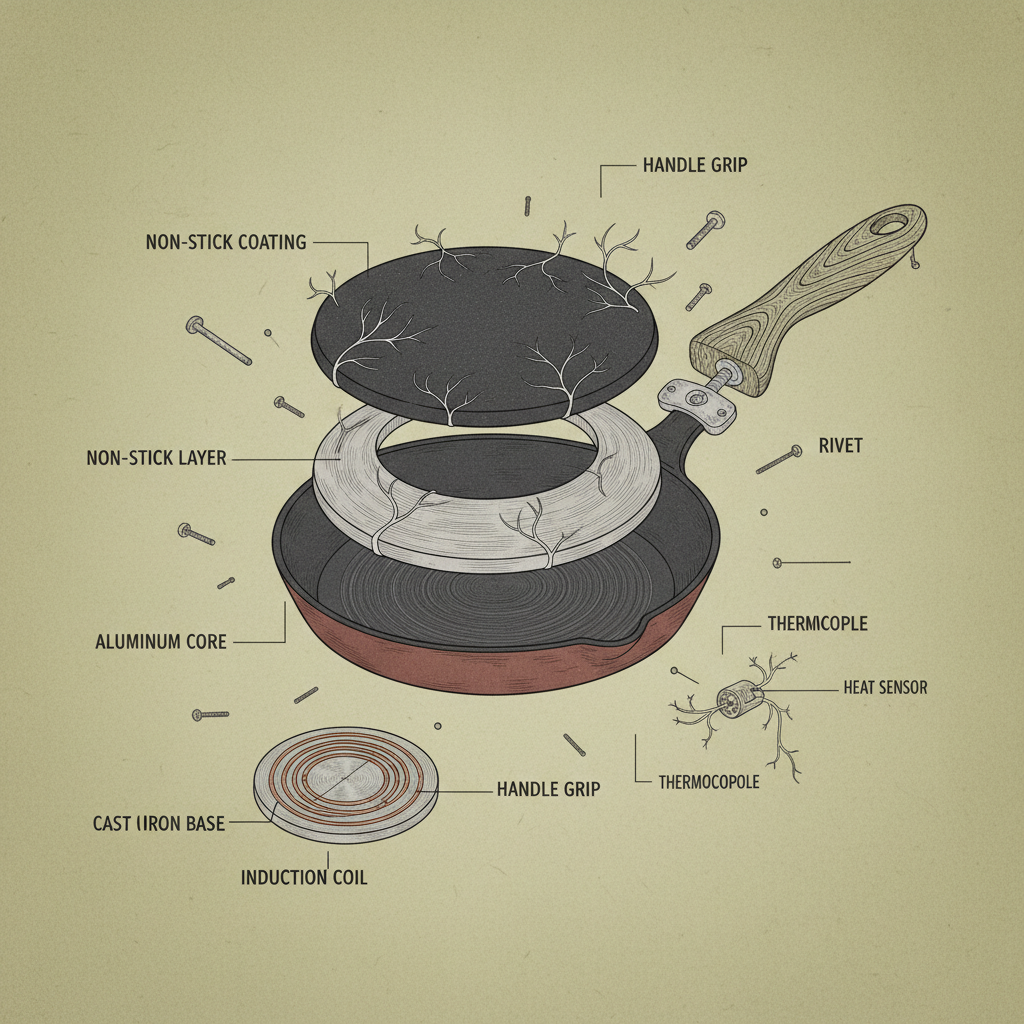
The integration of smart technology is also emerging. Cast iron bbq grill grates equipped with temperature sensors and Bluetooth connectivity allow cooks to monitor heat levels remotely, ensuring precise cooking control. Sustainable manufacturing practices and the use of recycled materials are increasingly prioritized, responding to growing consumer demand for eco-friendly products.
Looking ahead, expect to see further refinements in cast iron alloy compositions, designs tailored for specific cooking techniques, and increased integration with digital cooking platforms.
Table Summarizing Future Trends in cast iron bbq
| Trend Category |
Description |
Impact on cast iron bbq |
Adoption Timeline |
| Lightweight Alloys |
Development of new iron alloys with reduced weight. |
Increased ease of handling and maneuverability. |
Short-term (1-3 years) |
| Pre-Seasoning Technologies |
Advanced factory seasoning processes for improved non-stick performance. |
Reduced initial maintenance and faster usability. |
Short-term (within 1 year) |
| Smart Grill Integration |
Cast iron grill grates with built-in temperature sensors and connectivity. |
Precise temperature control and remote monitoring. |
Medium-term (3-5 years) |
| Sustainable Manufacturing |
Use of recycled materials and eco-friendly production processes. |
Reduced environmental impact and appeal to conscious consumers. |
Ongoing |
| Ergonomic Designs |
Improved handle designs and overall ergonomics for comfort. |
Enhanced usability and reduced strain during cooking. |
Medium-term (2-4 years) |
| Specialized Cast Iron Shapes |
Development of unique cast iron forms tailored to specific cuisines. |
Expanded culinary possibilities and niche market appeal. |
Long-term (5+ years) |
FAQS
Proper initial seasoning is crucial for creating a natural, non-stick surface. Start by thoroughly cleaning the cast iron to remove any manufacturing residues. Then, apply a very thin layer of oil (flaxseed, canola, or vegetable oil work well) to all surfaces, inside and out. Bake the cast iron upside down in a preheated oven at 350-400°F (175-200°C) for one hour. Repeat this process 3-4 times to build up a durable seasoning layer. Avoid using too much oil, as this can lead to a sticky residue.
Rust is the enemy of cast iron. To prevent it, always dry your cast iron thoroughly after washing. A light coat of oil after drying helps create a protective barrier. Avoid letting cast iron soak in water for extended periods. If rust does appear, scrub it off with steel wool or a rust eraser, then re-season the affected area. Storing cast iron in a dry environment is also essential.
Traditionally, soap was avoided on cast iron due to concerns about stripping the seasoning. However, modern dish soaps are generally mild enough to use sparingly without causing significant damage. Just be sure to rinse thoroughly and dry immediately. Avoid harsh detergents or abrasive cleaners, as these can compromise the seasoning. A well-seasoned piece of cast iron is more resilient to mild soap.
Bare cast iron requires seasoning to prevent rust and provide a non-stick surface. It’s incredibly durable and can withstand extremely high temperatures. Enameled cast iron is coated with porcelain enamel, which eliminates the need for seasoning and makes it easier to clean. However, the enamel can chip or crack if subjected to sudden temperature changes. Enameled cast iron often comes in various colors and can be more visually appealing.
While traditionally discouraged, well-seasoned cast iron is generally safe to use with acidic foods. However, prolonged cooking of highly acidic foods can potentially break down the seasoning. If you notice a metallic taste or discoloration, it's a sign that the seasoning is being affected. Re-seasoning will restore the protective layer. Enameled cast iron is completely unaffected by acidic foods.
Avoid abrasive cleaners and steel wool unless you're removing rust. A chainmail scrubber is excellent for removing stuck-on food without damaging the seasoning. A plastic scraper can also be helpful. A stiff brush and hot water are often sufficient for routine cleaning. Always dry thoroughly and apply a thin coat of oil after cleaning.
Conclusion
Cast iron bbq stands as a testament to enduring quality and culinary heritage. From its historical roots to its modern applications, this versatile cooking method continues to captivate chefs and home cooks alike. The inherent benefits—exceptional heat retention, durability, and enhanced flavor—make it a valuable addition to any kitchen or outdoor cooking setup. Understanding the nuances of cast iron care and technique unlocks a world of culinary possibilities and ensures a lifetime of satisfying meals.
As we look to the future, innovations in materials, design, and technology promise to further enhance the cast iron bbq experience. Embracing these advancements while preserving the time-honored traditions will solidify cast iron’s position as a cornerstone of culinary excellence for generations to come. Visit our website to explore a wide selection of high-quality cast iron bbq cookware and elevate your grilling game today!