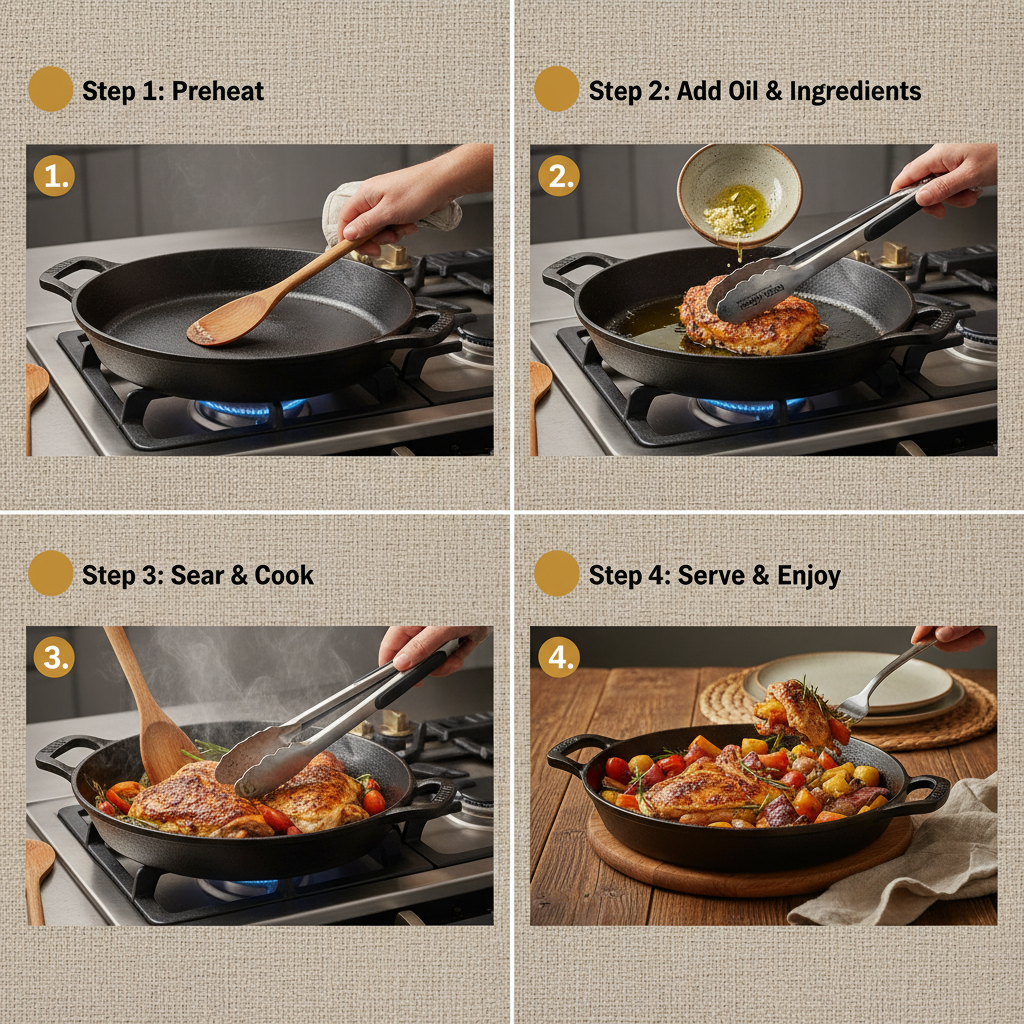
The humble pre-seasoned fry pan has become a kitchen staple across the globe, representing more than just cookware. It’s a symbol of convenient, accessible cooking, democratizing culinary experiences for home cooks of all skill levels. The rising demand for efficient kitchen tools, coupled with the desire for healthier cooking methods, has propelled the pre-seasoned fry pan to widespread popularity, becoming a cornerstone of modern kitchens worldwide.
Globally, the market for cookware is substantial and continually growing, driven by factors like increasing disposable incomes and a focus on home cooking. According to Statista, the global cookware market was valued at approximately $26.8 billion in 2023 and is projected to reach $34.3 billion by 2029. This growth is particularly noticeable in emerging economies. The ease of use and reduced maintenance of a pre-seasoned fry pan directly addresses the need for time-saving and user-friendly solutions within this burgeoning market.
However, not all fry pans are created equal. Traditional cast iron requires extensive seasoning, often intimidating novice cooks. The pre-seasoned fry pan provides a vital solution, eliminating this barrier to entry and encouraging more people to embrace the benefits of cast iron cooking – even heat distribution, excellent heat retention, and the potential for a naturally non-stick surface – without the initial hassle.
The Rise of the Pre-Seasoned Fry Pan
The growing popularity of the pre-seasoned fry pan is a direct result of changing consumer needs. Modern lifestyles often prioritize convenience without sacrificing quality. A pre-seasoned pan removes the initial time investment typically associated with cast iron, making it immediately usable and appealing to a wider audience. This convenience factor has made it a preferred choice for both novice and experienced cooks.
Furthermore, increasing health consciousness plays a role. Many pre-seasoned fry pans utilize vegetable oil-based seasoning, offering a healthier alternative to traditional non-stick coatings that may contain harmful chemicals. This resonates with consumers actively seeking healthier cooking options. The ability to cook with less oil, a characteristic of well-seasoned cast iron, also contributes to this health-conscious appeal.
Defining the Pre-Seasoned Fry Pan
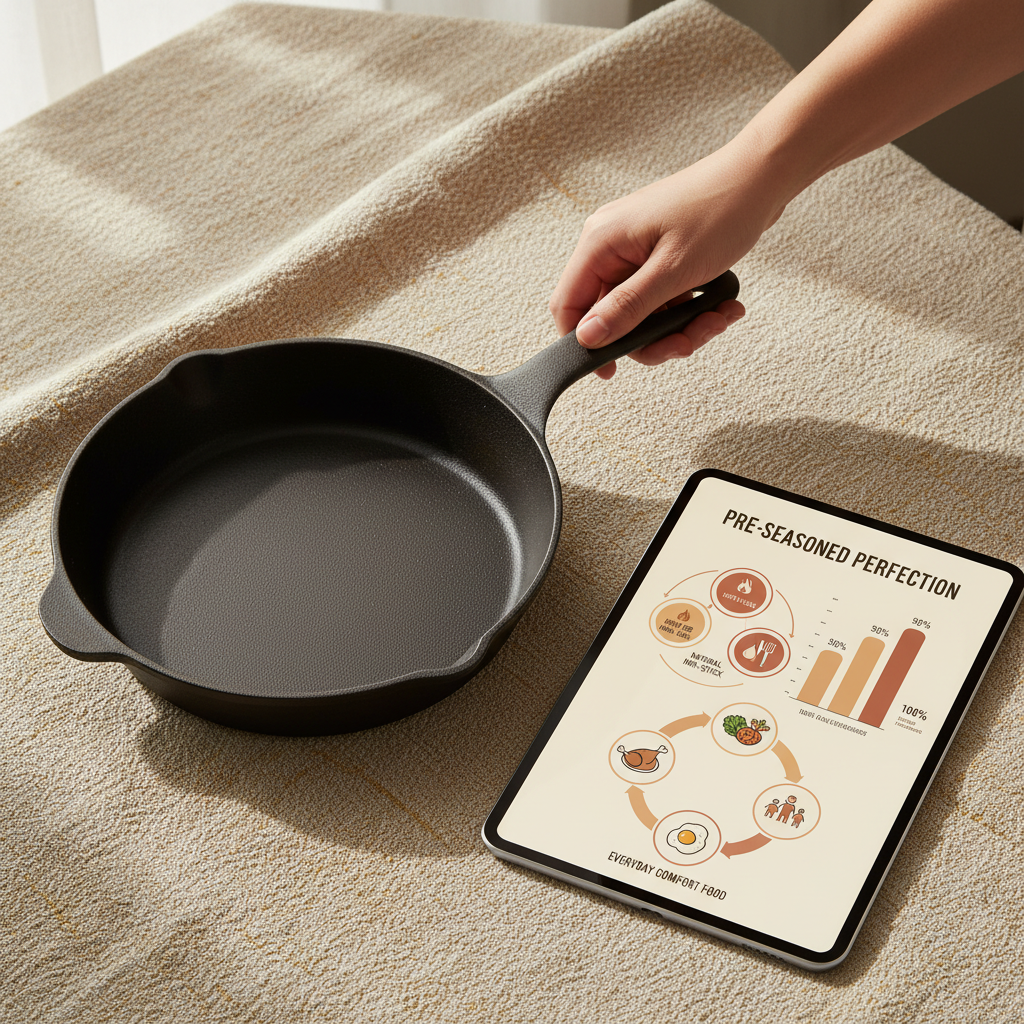
A pre-seasoned fry pan is essentially a cast iron or carbon steel frying pan that has undergone an initial seasoning process at the factory. Seasoning involves coating the pan with layers of oil and baking it at high temperatures, creating a naturally non-stick surface. This process polymerizes the oil, bonding it to the metal and protecting it from rust.
Traditionally, seasoning a cast iron pan was a laborious and time-consuming process, requiring multiple coats of oil and extended baking periods. The pre-seasoned version streamlines this, providing a pan ready for immediate use, albeit with the understanding that continued seasoning through regular cooking will enhance its non-stick properties over time.
This innovation bridges the gap between the acknowledged benefits of cast iron – superior heat retention, even cooking, durability – and the ease of use demanded by modern consumers. It’s a ready-to-go solution for anyone looking to explore the advantages of cast iron cooking without the initial commitment.
Key Characteristics of a Pre-Seasoned Fry Pan
The defining feature of a pre-seasoned fry pan is, of course, its initial seasoning. However, several other characteristics contribute to its overall performance. The material – typically cast iron or carbon steel – determines its heat retention and responsiveness. Cast iron retains heat exceptionally well, making it ideal for searing and high-temperature cooking.
Weight is another crucial factor. Cast iron pans are significantly heavier than stainless steel or non-stick pans. This weight contributes to their stability and heat retention but can also be a drawback for some users. The handle design is also important, influencing comfort and ease of maneuvering. Ergonomic handles are preferred for extended cooking sessions.
Finally, the surface texture impacts the pan’s non-stick performance and ease of cleaning. While a pre-seasoned pan is not inherently non-stick like Teflon, a well-maintained seasoned surface offers impressive release properties. Smooth surfaces tend to be easier to clean, while slightly textured surfaces may provide better food grip.
Durability and Performance Metrics
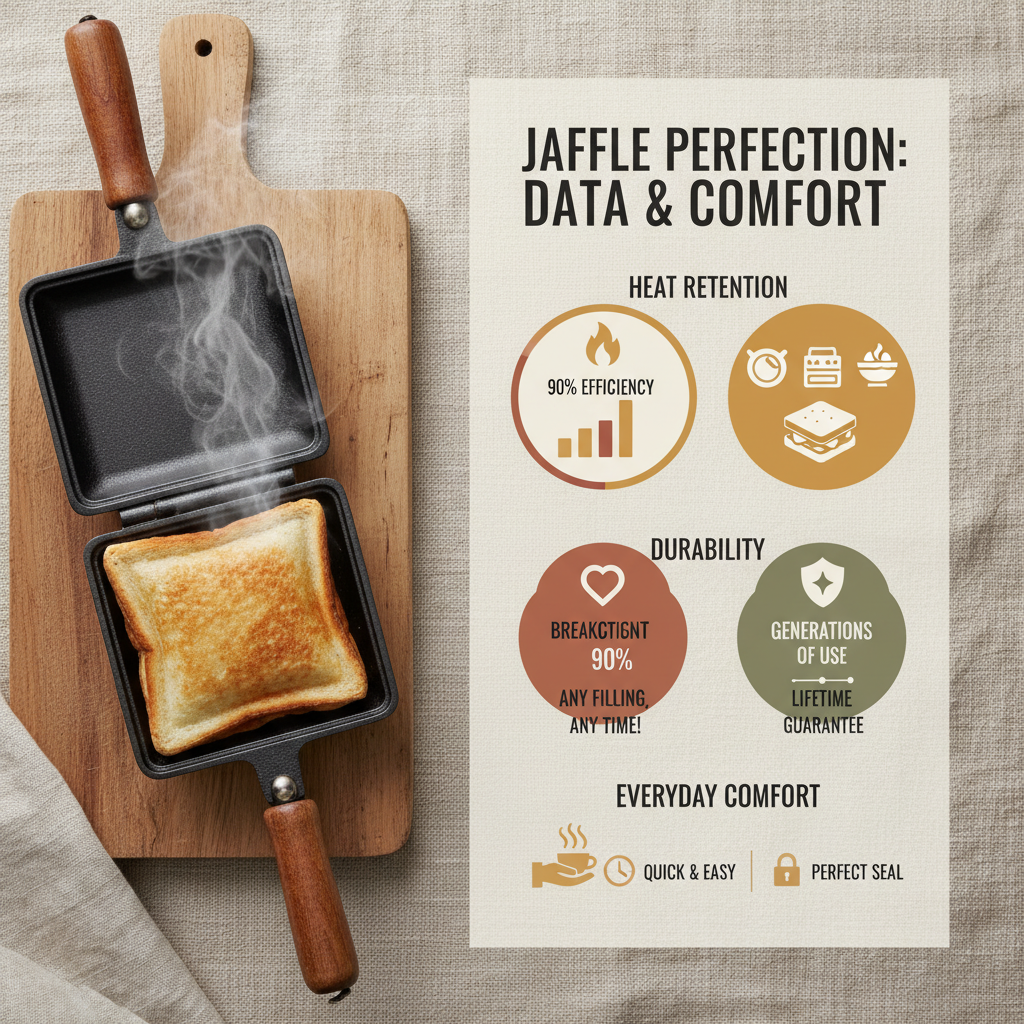
The durability of a pre-seasoned fry pan is arguably its greatest strength. With proper care, a cast iron pan can last for generations. Performance metrics include heat retention, evenness of heat distribution, and the development of a non-stick surface over time.
Heat retention is typically measured by how long the pan maintains a consistent temperature after the heat source is removed. Cast iron excels in this area, often retaining heat for 15-20 minutes. Even heat distribution is critical for consistent cooking, preventing hot spots that can burn food. Tests using thermal imaging can visually demonstrate the evenness of heating across the pan’s surface.
Pre-Seasoned Fry Pan Performance Comparison
Global Applications and Culinary Traditions
The pre-seasoned fry pan finds application in diverse culinary traditions worldwide. In the American South, cast iron skillets are deeply ingrained in cooking heritage, particularly for dishes like cornbread, fried chicken, and biscuits. In France, carbon steel pans are favored for their responsiveness and are commonly used in professional kitchens for searing meats and creating sauces.
In many Asian cuisines, such as stir-frying in China and making takoyaki in Japan, well-seasoned pans are essential for achieving the desired flavors and textures. The versatility of the pre-seasoned fry pan makes it a valuable tool for chefs and home cooks alike, regardless of their culinary background.
Advantages & Long-Term Value Proposition
The advantages of a pre-seasoned fry pan extend beyond its initial convenience. The long-term value lies in its durability, versatility, and the potential for a naturally non-stick surface. Unlike non-stick pans that degrade over time, a cast iron pan, with proper care, can last a lifetime.
Economically, while the initial investment may be higher than that of a standard non-stick pan, the longevity of the cast iron pan translates to significant cost savings over time. The environmental benefits are also noteworthy. Reducing the need for frequent replacements minimizes waste and contributes to a more sustainable lifestyle.
From a culinary perspective, the superior heat retention and even distribution ensure consistently delicious results, fostering a greater enjoyment of cooking and food. It's an investment in both quality and experience.
Future Innovations in Pre-Seasoned Fry Pan Technology
Innovation in pre-seasoned fry pan technology is focused on improving the seasoning process and addressing some of the drawbacks associated with cast iron, such as weight and maintenance. Researchers are exploring new oil blends and seasoning techniques to create more durable and effective non-stick surfaces.
Lightweight cast iron alloys are also being developed, aiming to retain the heat retention benefits of cast iron while reducing the overall weight. Furthermore, advancements in coating technology may lead to hybrid pans that combine the durability of cast iron with the ease of cleaning of non-stick surfaces.
Smart cookware integration is another emerging trend. Pans equipped with temperature sensors and Bluetooth connectivity could provide real-time cooking feedback, optimizing performance and enhancing the user experience.
Summary of Key Future Developments
| Innovation Area |
Current Status |
Potential Impact |
Timeline (Years) |
| Advanced Seasoning Oils |
Lab testing of novel oil blends |
Enhanced non-stick properties, increased durability |
2-5 |
| Lightweight Cast Iron Alloys |
Prototype development and material testing |
Reduced weight without sacrificing heat retention |
5-10 |
| Hybrid Coating Technology |
Researching combinations of cast iron and non-stick coatings |
Ease of cleaning with cast iron benefits |
3-7 |
| Smart Cookware Integration |
Development of temperature sensors and Bluetooth connectivity |
Real-time cooking feedback and optimized performance |
2-5 |
| Automated Seasoning Processes |
Implementing robotic seasoning application |
Consistent seasoning quality, increased production efficiency |
1-3 |
| Eco-Friendly Seasoning Oils |
Sourcing sustainable and biodegradable oil options |
Reduced environmental impact, appeal to eco-conscious consumers |
Ongoing |
FAQS
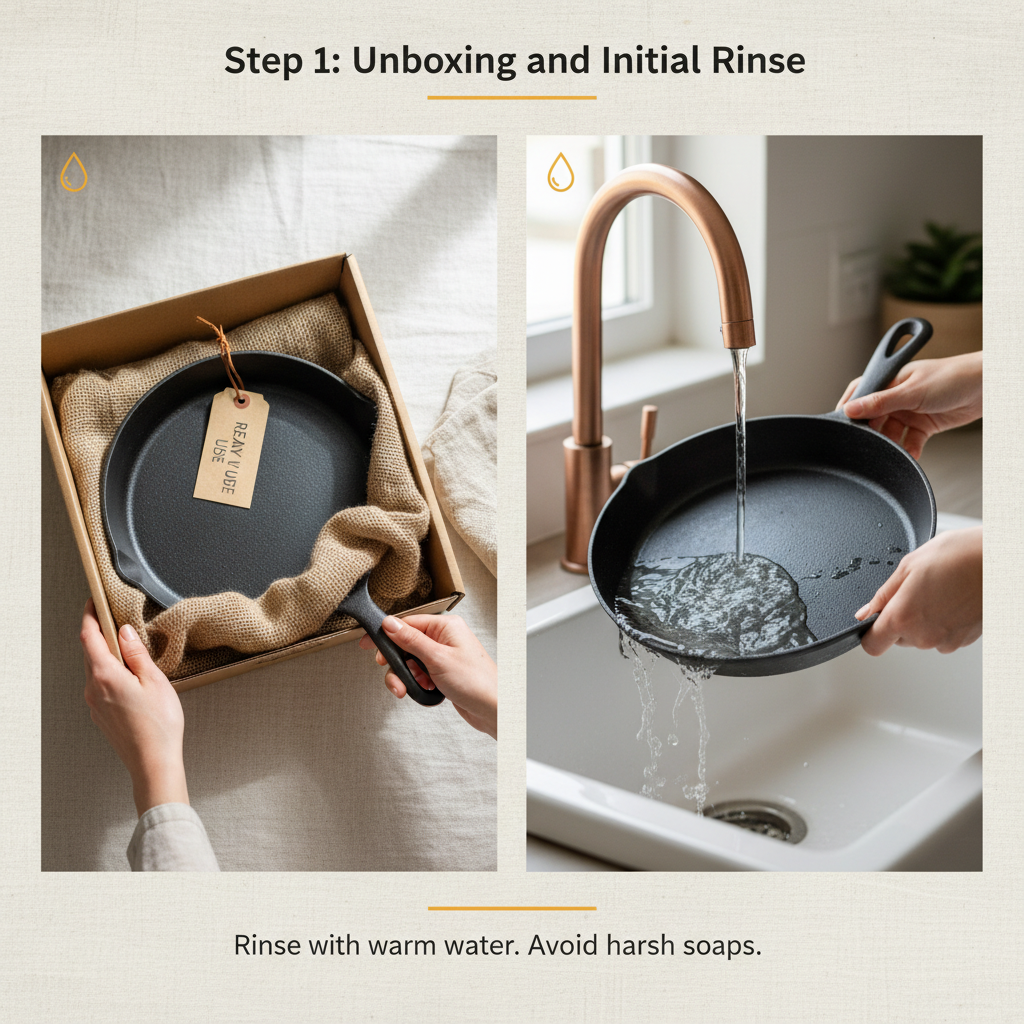
Proper care is essential to maintain the seasoning of your pre-seasoned fry pan. Avoid using harsh detergents or abrasive scrubbers, as these can strip the seasoning. Instead, clean with warm water and a soft sponge. After washing, dry thoroughly and lightly oil the surface to prevent rust. Regular cooking with oil will continue to enhance the seasoning over time. Occasional re-seasoning may be necessary depending on usage.
While you can technically use metal utensils, it’s best to avoid them if possible. Metal utensils can scratch the seasoning, potentially leading to rust and reduced non-stick performance. Wooden or silicone utensils are gentler and will help preserve the seasoning of your pre-seasoned fry pan for longer.
A pre-seasoned fry pan is not inherently as non-stick as pans with Teflon coatings. However, with proper seasoning and use, it can develop a remarkably non-stick surface. The key is to use enough oil or fat when cooking and to avoid cooking highly acidic foods for extended periods, as these can break down the seasoning.
If your pre-seasoned fry pan develops rust, don’t panic! Gently scrub off the rust with steel wool, then wash and dry the pan thoroughly. Re-season the pan by coating it with a thin layer of oil and baking it in the oven at 350°F (175°C) for an hour. Repeat this process a few times to restore the seasoning.
A pre-seasoned fry pan is incredibly versatile and can be used for a wide range of cooking applications. It excels at searing meats, frying eggs, baking cornbread, and even making pizzas. The even heat distribution makes it ideal for delicate foods, while its heat retention is perfect for achieving a crispy sear on steaks and other proteins.
Stainless steel is a durable and versatile cookware material, but it doesn't retain heat as well as cast iron. A pre-seasoned fry pan heats up more slowly but maintains a consistent temperature for longer, making it ideal for searing and braising. Stainless steel is also more resistant to acidic foods, while cast iron requires seasoning to prevent rusting.
Conclusion
The pre-seasoned fry pan represents a significant advancement in cookware technology, blending the time-honored benefits of cast iron with modern convenience. Its durability, versatility, and potential for a naturally non-stick surface make it a valuable addition to any kitchen. By understanding its characteristics and proper care, cooks can unlock its full potential and enjoy decades of reliable performance.
Looking ahead, continued innovation in materials, seasoning techniques, and smart cookware integration promises to further enhance the functionality and appeal of the pre-seasoned fry pan. Investing in a quality pre-seasoned pan isn’t just buying cookware; it’s investing in a cooking experience that’s built to last. Visit our website today to explore our collection: www.hapichefcastiron.com.com