The culinary world has seen a resurgence of traditional materials, with the cast iron casserole dish with lid standing as a testament to enduring quality and timeless performance. Unlike modern non-stick alternatives that degrade over time, a high-quality cast iron vessel offers unparalleled heat retention and distribution, making it an essential tool for slow-cooking, braising, and baking. Whether you are a professional chef or a home cooking enthusiast, understanding the mechanics of this cookware is key to unlocking deeper flavors and more consistent results.
Globally, the demand for durable, non-toxic cookware has pushed the cast iron casserole dish with lid back into the spotlight. In an era where sustainability is paramount, investing in a piece of equipment that can last for generations reduces landfill waste and encourages a slower, more intentional approach to food preparation. From the rustic kitchens of France to the high-tech culinary studios of Tokyo, this versatile pot is prized for its ability to transition seamlessly from the stovetop to the oven and finally to the dinner table.
However, many users are often intimidated by the perceived maintenance requirements of cast iron. The challenge lies in bridging the gap between the industrial robustness of the material and the practical needs of the modern kitchen. By exploring the technical advantages and proper care techniques for a cast iron casserole dish with lid, users can transform a simple cooking tool into a lifelong culinary partner that enhances every meal.
The Fundamentals of Cast Iron Heat Dynamics
The primary appeal of a cast iron casserole dish with lid lies in its thermal mass. Cast iron is exceptionally dense, allowing it to absorb a significant amount of heat and radiate it evenly across the cooking surface. This eliminates the "hot spots" commonly found in thinner aluminum or stainless steel pans, ensuring that a stew or braise cooks uniformly without scorching in one corner.
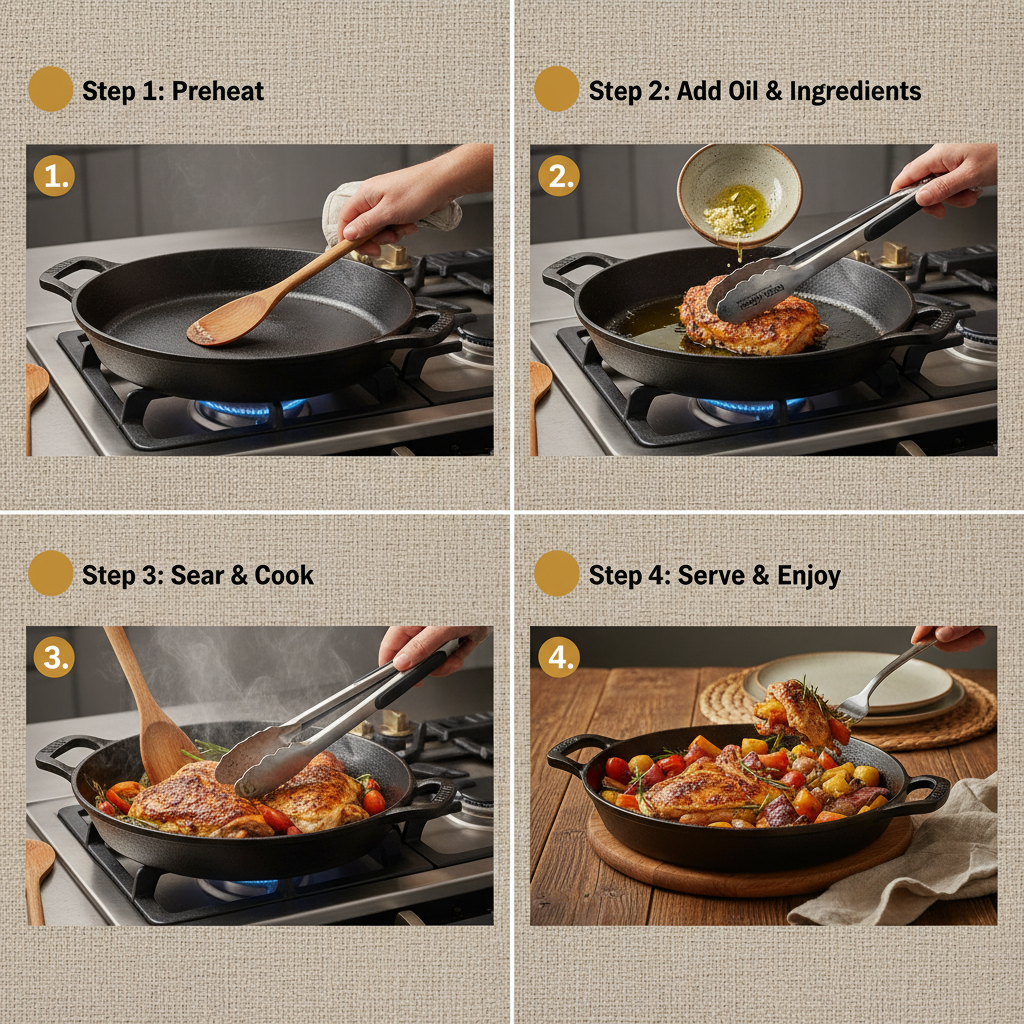
Furthermore, this thermal stability makes the dish ideal for searing meat at high temperatures before transitioning to a slow simmer. The ability to maintain a consistent internal temperature, even when cold ingredients are added, is what separates professional-grade cast iron from consumer-grade alternatives. This heat inertia is the secret behind the perfect crust on a sourdough loaf or the tender collapse of a slow-cooked beef roast.
Material Engineering and Durability Standards
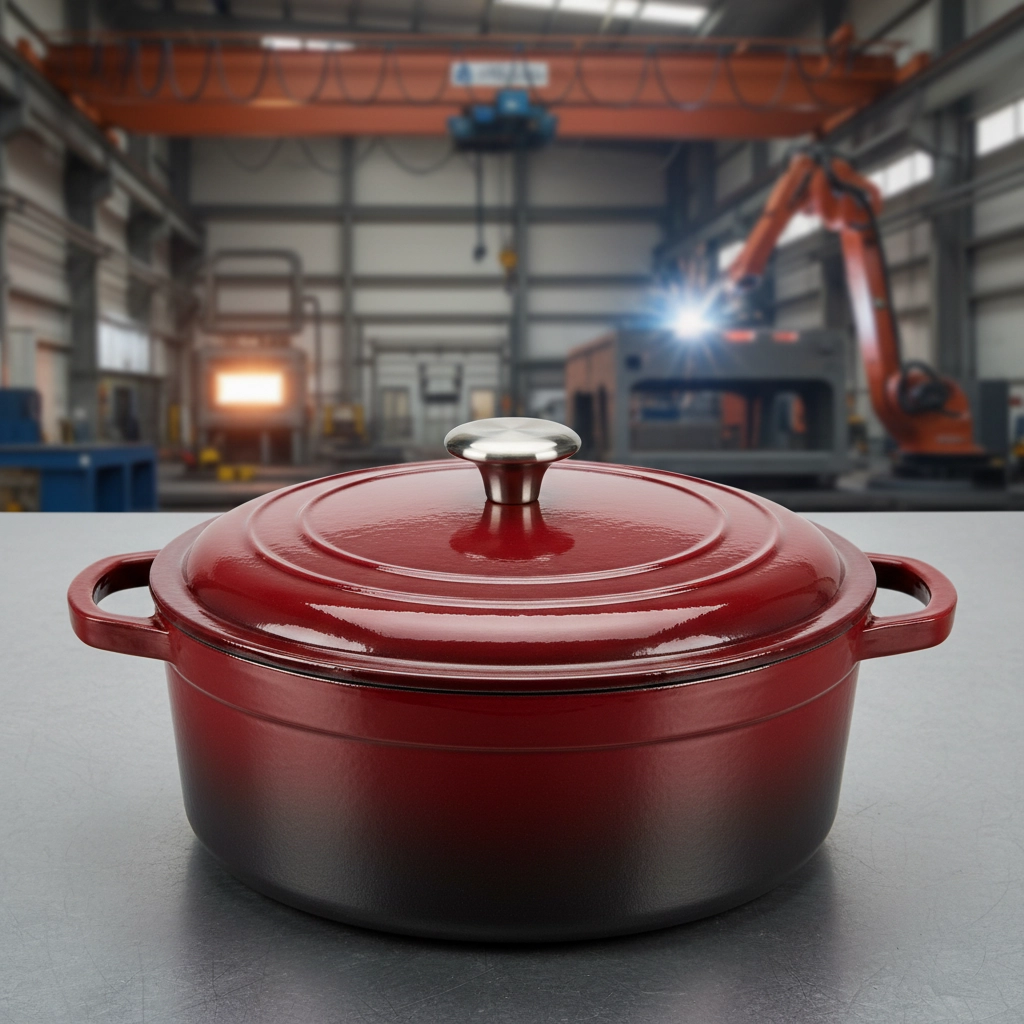
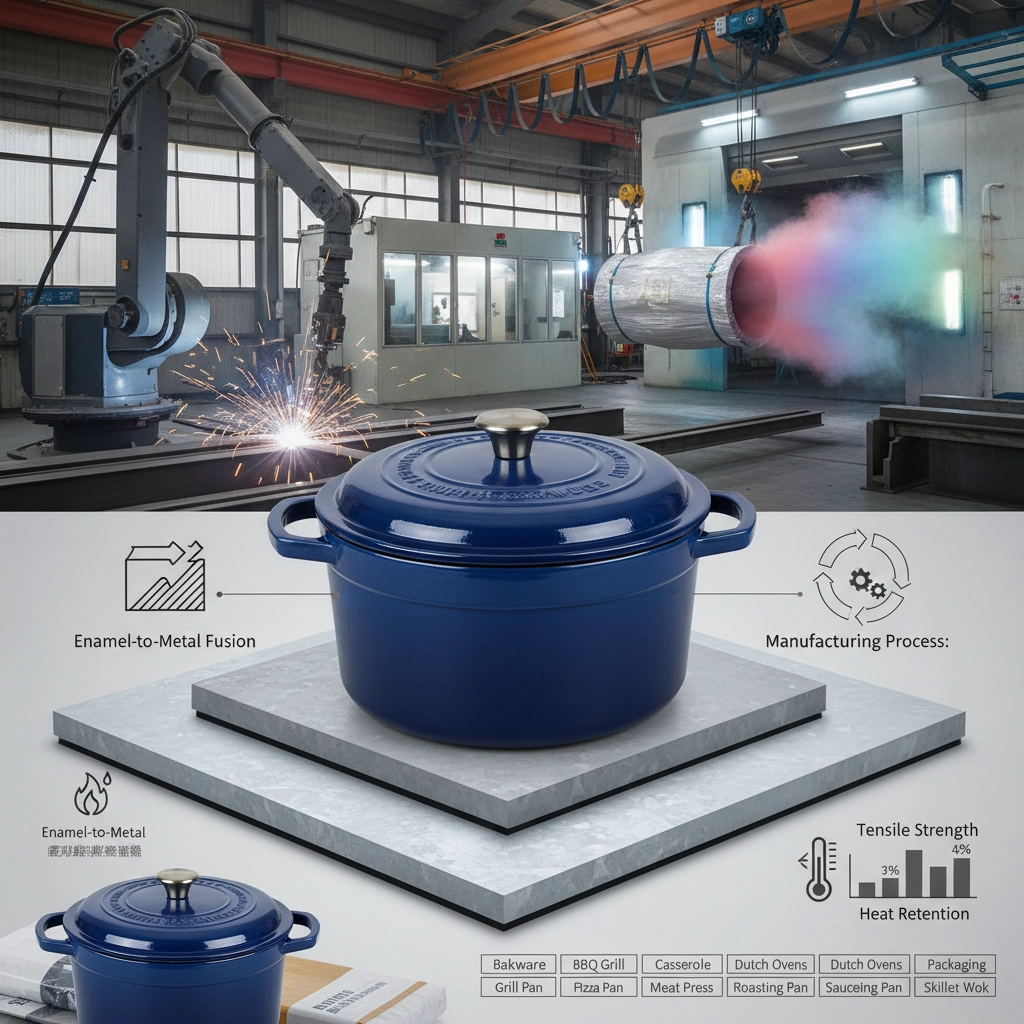
From a manufacturing perspective, the production of a cast iron casserole dish with lid involves precise metallurgy. The process of casting molten iron into molds requires strict temperature control to prevent porosity and structural weaknesses. Modern industry standards ensure that the iron is refined to minimize impurities, resulting in a vessel that is virtually indestructible under normal kitchen conditions.
Unlike coated cookware, which relies on chemical layers that can flake or peel, cast iron's strength is inherent to the material itself. Whether it is raw cast iron that requires seasoning or enameled cast iron for acid-resistance, the structural integrity remains constant. This durability is a key reason why these dishes are often passed down through generations, gaining performance as the surface develops a natural non-stick patina.
Moreover, the industrial design of the lid is critical. A heavy-duty lid ensures a tight seal, which is essential for maintaining pressure and humidity inside the pot. The engineering focus is on the "fit and finish," ensuring that the rim of the cast iron casserole dish with lid creates a vacuum-like effect that traps steam and forces it back into the food.
The Role of the Lid in Moisture Retention
The lid of a cast iron casserole dish with lid is not merely a cover; it is a functional component of the cooking process. By trapping steam, the lid creates a self-basting environment. As moisture evaporates from the food, it condenses on the underside of the lid and drips back down, keeping the ingredients moist and intensifying the flavors.
This cycle of evaporation and condensation is why a cast iron casserole dish with lid is superior for braising. It allows for the slow breakdown of tough connective tissues in meats without the need for excessive added liquid, resulting in a rich, concentrated sauce and succulent protein.
Additionally, the weight of the cast iron lid provides a slight pressure-cooker effect. This subtle increase in internal pressure accelerates the cooking process for root vegetables and legumes, ensuring they reach a creamy consistency while retaining their structural integrity. This mechanical advantage makes the cast iron casserole dish with lid indispensable for traditional slow-cooking techniques.
Performance Comparison Across Cooking Methods
When comparing the cast iron casserole dish with lid to other cookware, the differences in heat efficiency and versatility are striking. While stainless steel is excellent for quick reductions, it lacks the heat retention required for overnight slow-cooking. Conversely, ceramic is good for baking but cannot handle the high-heat searing phase that cast iron manages with ease.
The versatility of the cast iron dish allows it to serve as a skillet, a pot, and a baking dish all in one. This multi-functionality reduces the need for multiple specialized pieces of equipment, streamlining the kitchen workflow and reducing overall storage needs for the home cook.
Efficiency Rating of Cast Iron Casserole Dish with Lid vs Alternatives
Global Culinary Applications and Use Cases
The cast iron casserole dish with lid is utilized across various global cuisines due to its adaptable nature. In French cuisine, it is the gold standard for Coq au Vin and Boeuf Bourguignon, where the pot's ability to maintain a steady, low temperature for hours is critical. In the American South, it is frequently used for slow-cooked collard greens and corn-based casseroles, often moving from an open flame to a warm oven.
Beyond residential use, industrial kitchens and catering companies utilize large-scale versions of these dishes for batch cooking. In remote areas or outdoor settings, the cast iron casserole dish with lid is often the only viable option for cooking over campfires or wood-fired stoves, as it can withstand direct flame exposure without warping or releasing toxic fumes.
Sustainability and Long-Term Value Analysis
When evaluating the cost of a cast iron casserole dish with lid, one must look beyond the initial purchase price. While it may be more expensive than a cheap non-stick pan, its lifespan is virtually infinite. From a sustainability standpoint, this is a "buy it once" product, which drastically reduces the environmental footprint associated with the manufacturing and disposal of short-lived cookware.
Moreover, cast iron is a natural material that is fully recyclable. The long-term value is not just financial but also emotional; these dishes often become family heirlooms, carrying the history of countless shared meals. This connection to tradition, combined with a reduction in chemical coatings (like PFOA/PFAS found in some non-sticks), enhances the health and dignity of the cooking experience.
From a logical investment angle, the reliability of the cast iron casserole dish with lid means no unexpected replacements. Its ability to perform across all heat sources—induction, gas, electric, and fire—ensures that it remains useful regardless of future changes in kitchen technology.
Maintenance Innovations and Care Solutions
The most common challenge associated with the cast iron casserole dish with lid is the fear of rust and the effort of seasoning. However, modern innovations in enamel coatings have largely solved this for many users, providing a glass-like surface that is easy to clean and does not require seasoning. For those using raw cast iron, the "seasoning" process is actually a chemical reaction called polymerization, where oils are baked into the metal to create a natural barrier.
To overcome maintenance hurdles, experts recommend a simple three-step approach: clean with mild soap (modern soaps are safe for seasoned iron), dry immediately on the stove to remove all moisture, and apply a thin layer of oil. This routine ensures that the cast iron casserole dish with lid remains in peak condition for decades.
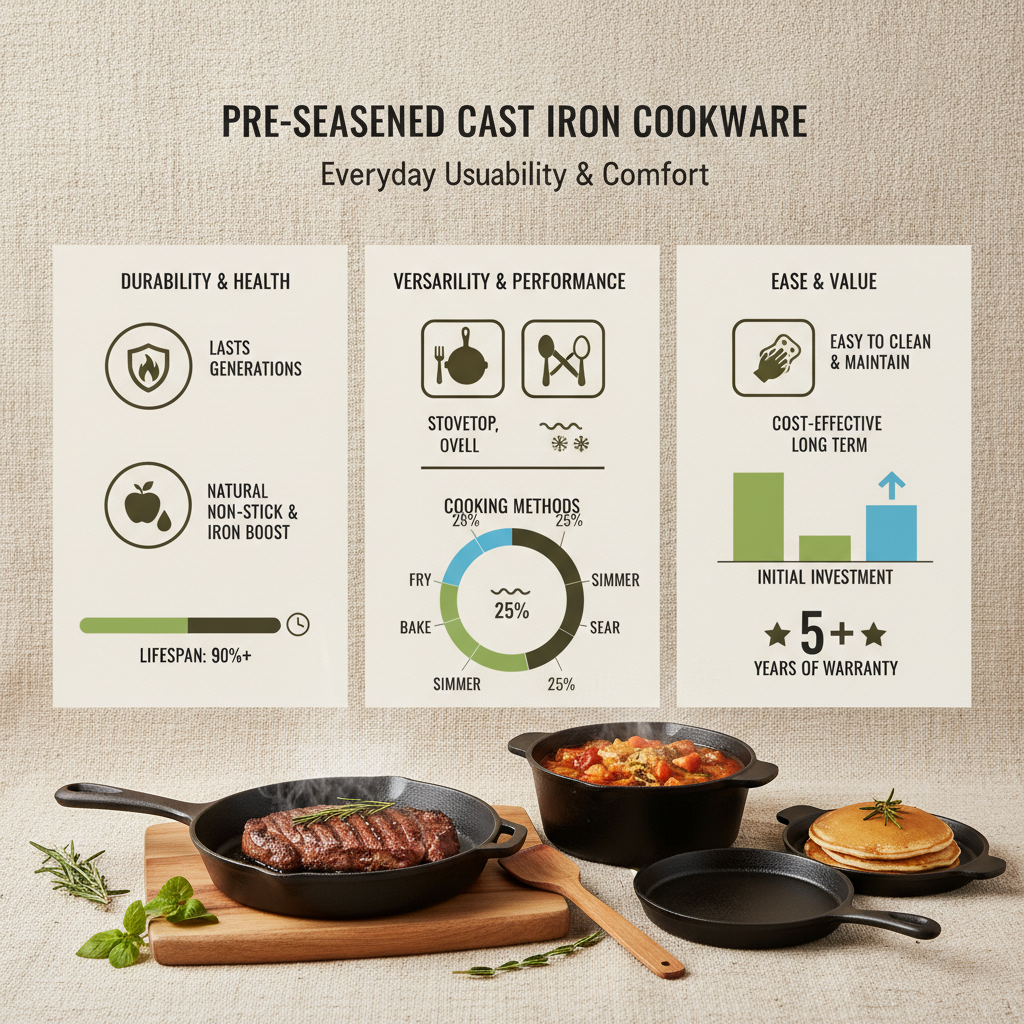
Future trends in metallurgy are focusing on "pre-seasoned" iron and hybrid coatings that offer the benefits of cast iron with the ease of modern ceramics. These advancements are making the cast iron casserole dish with lid more accessible to a generation of cooks who value both efficiency and authenticity.
Comparative Analysis of Cast Iron Casserole Maintenance and Performance
|
Material Type
|
Seasoning Requirement
|
Heat Distribution Score
|
Estimated Lifespan
|
| Raw Cast Iron |
High (Frequent) |
9/10 |
100+ Years |
| Enameled Cast Iron |
None |
10/10 |
50+ Years |
| Seasoned Iron |
Medium (Occasional) |
9/10 |
100+ Years |
| Carbon Steel |
High |
8/10 |
30+ Years |
| Non-Stick Aluminum |
None |
5/10 |
2-5 Years |
| Ceramic Coated |
None |
7/10 |
5-10 Years |
FAQS
Yes, cast iron is naturally ferromagnetic, making it highly compatible with induction cooktops. In fact, because of its flat bottom and magnetic properties, it is one of the most efficient materials for induction heating, providing rapid and even heat distribution across the base of the dish.
It depends on your needs. Enameled cast iron is better for acidic foods (like tomato-based stews) as the enamel prevents the acid from reacting with the metal. It also requires no seasoning. Raw cast iron is preferred by those who want a completely natural surface and the ability to sear at extremely high temperatures.
The key is moisture control. Always dry your dish immediately after washing—never let it air dry. For raw iron, applying a very thin layer of cooking oil after drying and heating it slightly on the stove creates a protective barrier that keeps oxygen and moisture away from the metal surface.
Absolutely. One of the greatest strengths of the cast iron casserole dish with lid is its oven-to-table versatility. It can withstand very high oven temperatures, making it perfect for braising, roasting, and even baking bread. Just ensure that any knobs on the lid are rated for the temperature you are using.
Yes, due to its high thermal mass, once a cast iron dish reaches the desired temperature, it requires very little energy to maintain it. This means you can often lower your oven or stove temperature compared to thinner pots, and the food will continue to cook evenly due to the stored heat.
Sticking usually happens for two reasons: the pan wasn't preheated enough, or the seasoning has worn down. Ensure you heat the dish before adding oil and food. If the surface feels rough or dry, it may be time to re-season the dish by baking it with a thin layer of oil at high heat.
Conclusion
The cast iron casserole dish with lid represents the perfect intersection of industrial durability and culinary artistry. By combining superior heat retention, efficient moisture management through its heavy lid, and an environmentally sustainable lifespan, it solves the modern problem of disposable, low-performance cookware. Whether you are focusing on the technical aspects of thermal dynamics or the emotional value of a family heirloom, this vessel remains the gold standard for slow-cooking and baking.
As we move toward a more sustainable future, embracing tools that last a lifetime is not just a practical choice but an ethical one. We encourage every home cook to experiment with the unique capabilities of cast iron to rediscover the deep flavors of traditional cooking. To find the perfect professional-grade cookware for your kitchen, visit our website: www.hapichefcastiron.com