Vegetable oil coating cast iron represents a fascinating intersection of traditional cookware and modern culinary practices. This technique, utilizing readily available vegetable oils to season and protect cast iron, offers a natural and effective alternative to synthetic coatings, resulting in a durable, non-stick cooking surface. Understanding the nuances of vegetable oil coating cast iron is increasingly vital for both home cooks and professional chefs seeking sustainable and high-performance cookware options.
Globally, cast iron cookware is experiencing a resurgence in popularity, driven by a renewed focus on durability, even heat distribution, and a desire to reduce reliance on disposable cookware. The application of vegetable oil coating to cast iron further enhances these benefits, offering a food-safe, environmentally friendly method for creating a superior cooking experience. This practice bridges cultural cooking traditions with contemporary environmental consciousness.
The growing demand for sustainable and healthy cooking solutions has propelled vegetable oil coating cast iron into the mainstream. As consumers become more aware of the potential health risks associated with certain synthetic non-stick coatings, and the environmental impact of disposable options, the appeal of naturally seasoned cast iron continues to rise. It’s a technique rooted in practicality and ingenuity, evolving to meet the needs of a modern world.
The Fundamentals of Vegetable Oil Coating Cast Iron
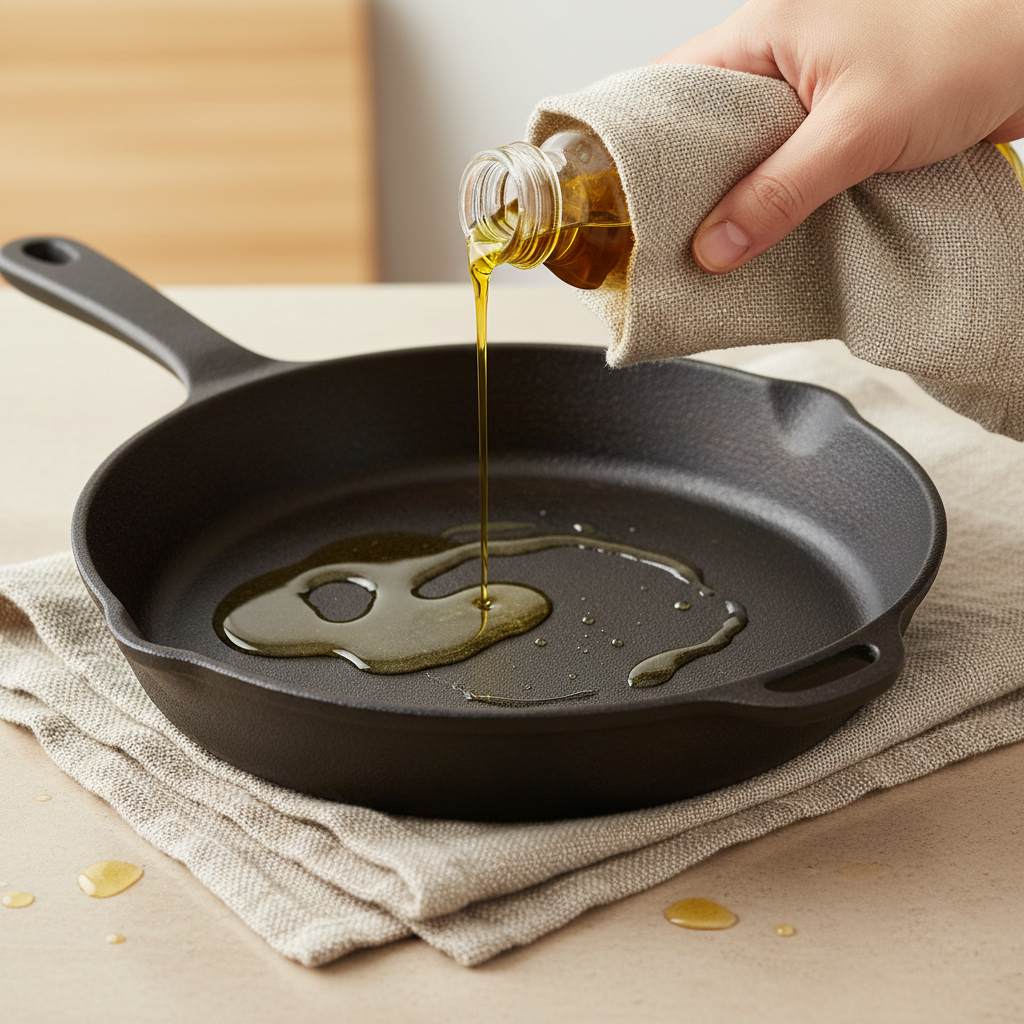
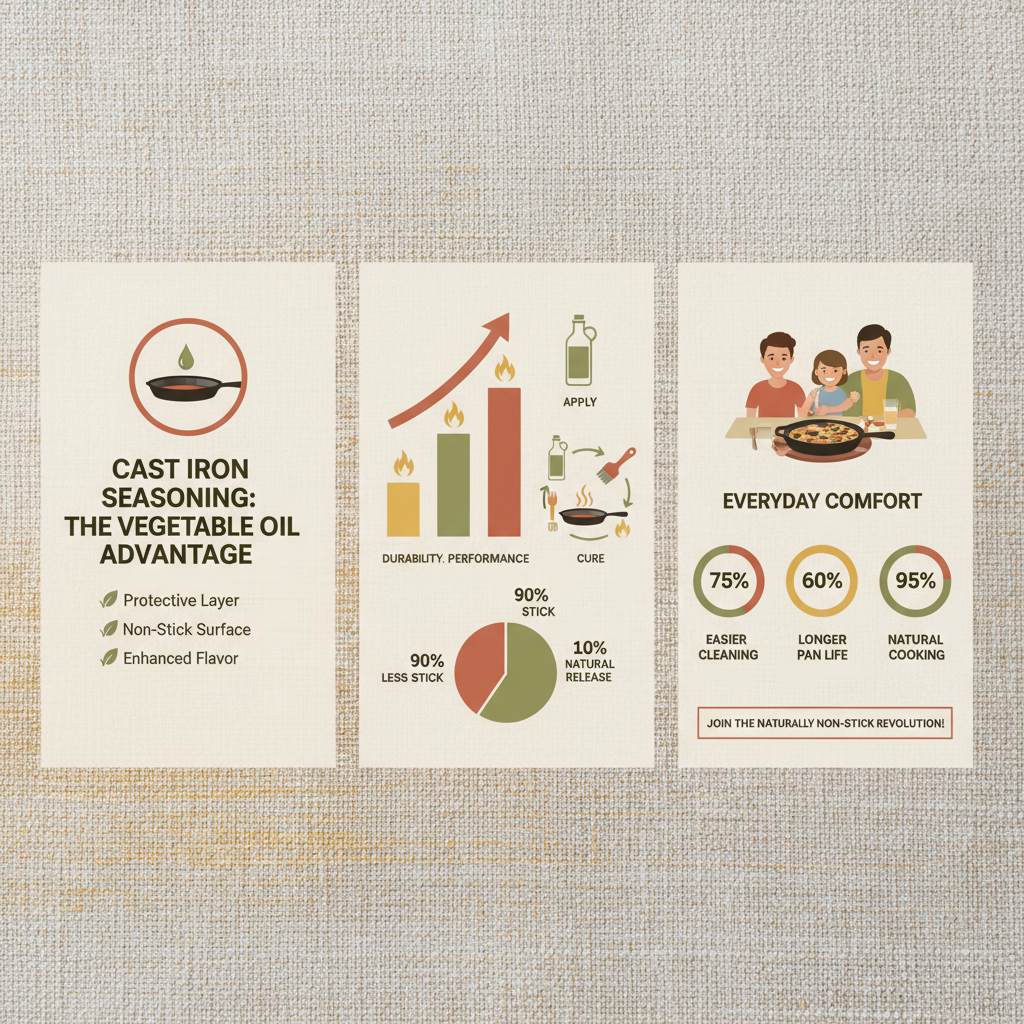
At its core, vegetable oil coating cast iron involves repeatedly applying thin layers of vegetable oil – such as canola, grapeseed, or flaxseed oil – to the surface of the cast iron and baking it at high temperatures. This process, known as seasoning, creates a polymerized layer that bonds to the iron, offering a natural, non-stick surface and protecting against rust. The quality of the vegetable oil used significantly influences the final seasoning.
This technique isn’t merely about preventing food from sticking; it's about building a durable, self-renewing surface. With proper care and regular use, a well-seasoned piece of cast iron can last for generations, becoming a cherished heirloom. The initial investment in quality cast iron is offset by its longevity and versatility when maintained with vegetable oil coating.
Historical Context and Evolution
The practice of seasoning cast iron dates back centuries, evolving alongside the cookware itself. Initially, animal fats were commonly used for seasoning, but vegetable oils gained prominence as they became more accessible. Early cast iron cookware was often essential for survival, and a well-maintained seasoning was crucial for efficient cooking and minimizing food waste.
Throughout the 19th and 20th centuries, the methods for seasoning cast iron became more refined. Experimentation with different vegetable oils led to a greater understanding of polymerization and the importance of thin, even coats. The rise of modern cooking techniques has re-emphasized the value of cast iron's even heat distribution, fueling the continued evolution of vegetable oil coating methods.
Today, the revival of interest in traditional cooking methods has brought renewed attention to vegetable oil coating cast iron. Modern cooks are discovering the benefits of this time-tested technique and adapting it to meet contemporary culinary needs, creating a vibrant community of cast iron enthusiasts.
The Science Behind the Seasoning
The process of vegetable oil coating cast iron isn't simply about coating the surface; it's about a chemical reaction called polymerization. When vegetable oil is heated to its smoke point, the oil molecules break down and re-form into a hard, plastic-like substance that adheres to the iron. This polymerized layer is what creates the non-stick surface and protects against corrosion.
The type of vegetable oil significantly impacts the quality of the polymerization. Oils high in polyunsaturated fats, like flaxseed oil, tend to polymerize more readily, creating a harder, more durable seasoning. However, these oils also have lower smoke points, requiring careful temperature control. Canola and grapeseed oil offer a good balance between smoke point and polymerization potential.
Proper seasoning involves creating multiple layers of this polymerized oil. Each layer builds upon the previous one, creating a more robust and resilient surface. The key is to apply very thin coats of oil and heat the cast iron to the appropriate temperature, allowing the oil to fully polymerize without becoming sticky or gummy.
Key Factors Influencing Seasoning Quality
Several factors contribute to a successful vegetable oil coating cast iron seasoning. The initial preparation of the cast iron, including thorough cleaning and removal of any existing rust, is paramount. A smooth surface is essential for even oil adhesion and polymerization.
Temperature control during the seasoning process is critical. Too low a temperature and the oil won't polymerize properly; too high, and it will burn and create a sticky residue. The type of oven or heating method used can also impact results, with consistent heat distribution being key.
Seasoning Quality by Oil Type
Global Culinary Applications
Vegetable oil coating cast iron is used in a diverse range of culinary traditions worldwide. From searing steaks in American steakhouses to making paella in Spain, its even heating and non-stick properties make it a versatile tool for chefs of all levels. In many rural communities, cast iron remains a staple for everyday cooking due to its durability and affordability.
In France, cast iron is often used for preparing classic dishes like coq au vin and crepes, benefitting from its ability to maintain consistent temperatures over long cooking times. Across Asia, cast iron woks, seasoned with vegetable oils, are essential for stir-frying and high-heat cooking, providing a unique flavor profile and textural contrast.
Advantages and Long-Term Benefits
The advantages of vegetable oil coating cast iron extend beyond its non-stick surface. It’s a remarkably durable material, capable of withstanding high temperatures and years of use with proper care. The even heat distribution eliminates hot spots, ensuring consistent cooking results. This longevity translates to significant cost savings over time, reducing the need for frequent cookware replacements.
From a sustainability perspective, vegetable oil coating cast iron is an environmentally responsible choice. Its durability minimizes waste, and the natural seasoning process avoids the use of potentially harmful chemicals found in synthetic non-stick coatings. The practice fosters a connection to traditional cooking methods and promotes a more mindful approach to food preparation.
Furthermore, a well-maintained cast iron skillet imparts a subtle, desirable flavor to food, enhancing the overall dining experience. It’s a versatile tool that can be used on stovetops, in ovens, and even over campfires, offering unparalleled flexibility in the kitchen and beyond.
Future Trends and Innovations in Cast Iron Care
Ongoing research focuses on optimizing seasoning techniques, exploring new vegetable oil blends, and developing more efficient polymerization processes. Innovations in oven technology, such as convection heating and precise temperature control, are also contributing to improved seasoning results.
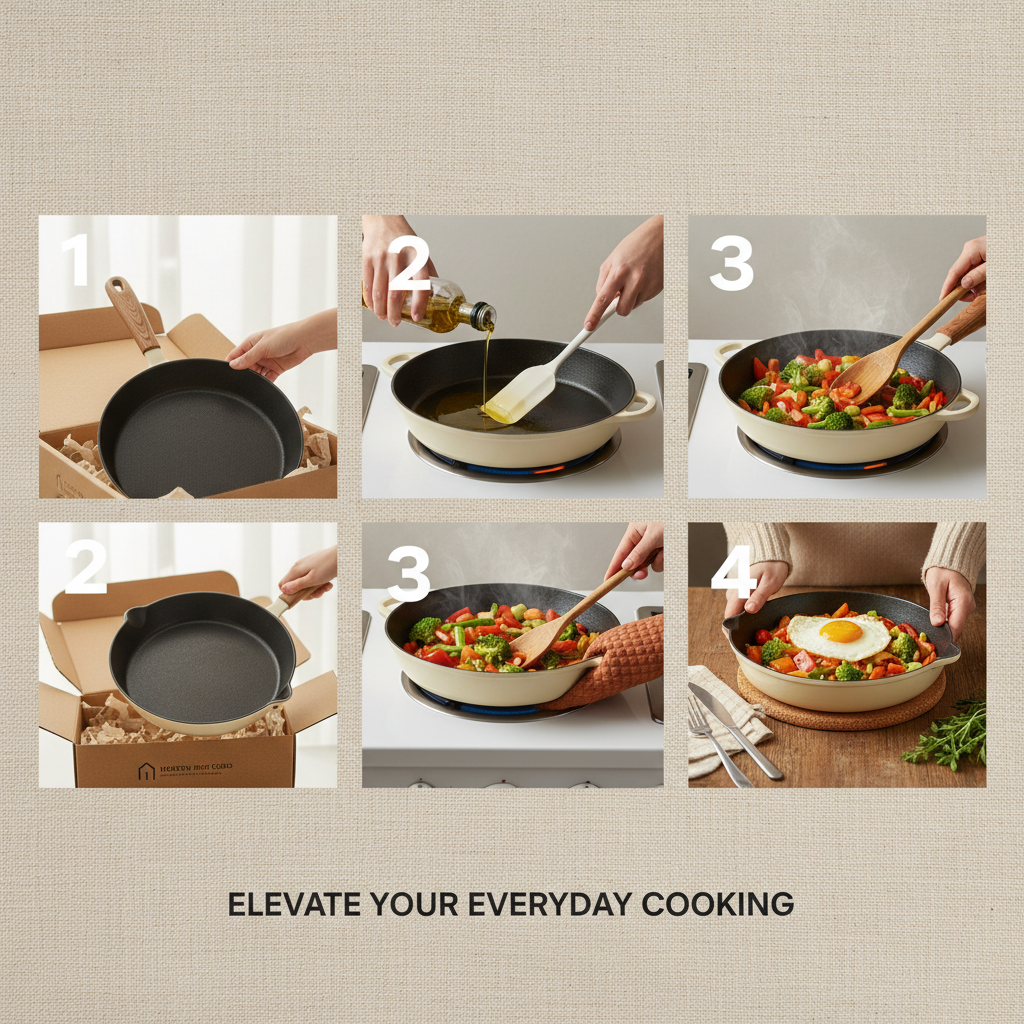
There’s a growing trend towards pre-seasoned cast iron cookware, reducing the initial effort required for home cooks. Manufacturers are also experimenting with different surface textures and alloys to enhance non-stick properties and durability. Digital resources and online communities are fostering knowledge sharing and collaboration among cast iron enthusiasts.
The integration of smart cooking technologies, such as temperature sensors and connected apps, may further enhance the vegetable oil coating cast iron experience, providing real-time feedback and guidance on seasoning and cooking techniques. A renewed focus on sustainable materials and eco-friendly seasoning oils will continue to drive innovation in this timeless art.
Analysis of Vegetable Oil Coating Cast Iron Seasoning Methods
| Seasoning Method |
Oil Type Used |
Seasoning Duration (cycles) |
Overall Durability (1-10) |
| Traditional Oven Seasoning |
Flaxseed Oil |
6 |
9 |
| Stovetop Seasoning |
Canola Oil |
8 |
7 |
| Convection Oven Seasoning |
Grapeseed Oil |
4 |
8 |
| Low-Temperature Seasoning |
Vegetable Oil Blend |
10 |
6 |
| Air Fryer Seasoning |
Sunflower Oil |
5 |
7 |
| Pre-Seasoned Factory Coating |
Proprietary Blend |
N/A |
5 |
FAQS
While many vegetable oils can be used, flaxseed oil, grapeseed oil, and canola oil are often recommended. Flaxseed oil polymerizes readily for a durable coating, but has a lower smoke point. Grapeseed and canola oils offer a good balance of smoke point and polymerization. Avoid olive oil as it can become sticky.
Re-seasoning frequency depends on use and care. If food starts to stick, or you notice rust, it's time to re-season. Regular use and gentle cleaning often prevent the need for frequent full re-seasoning; occasionally touching up with a thin coat of oil after cooking is sufficient.
It’s generally not recommended to use cooking spray for seasoning. Most cooking sprays contain additives that don’t polymerize well and can create a sticky, gummy residue. Stick to pure vegetable oils applied in thin coats.
Remove rust with steel wool or a scouring pad. After removing the rust, wash the cast iron thoroughly with soap and water, dry it completely, and immediately re-season it with a thin coat of vegetable oil, baking it in the oven to polymerize the oil and prevent further rust.
Modern dish soaps are generally safe to use on well-seasoned cast iron, but use them sparingly. Avoid prolonged soaking and harsh scrubbing, as this can strip away the seasoning. Rinse thoroughly and dry immediately. A little soap won't ruin a properly seasoned pan.
Prevent rust by thoroughly drying your cast iron after each use. A thin coat of vegetable oil applied after drying helps protect against moisture. Store cast iron in a dry place. If storing for an extended period, place a paper towel inside to absorb any residual moisture.
Conclusion
Vegetable oil coating cast iron is more than just a cooking technique; it's a testament to the enduring quality of traditional methods adapted for modern use. From its historical roots to contemporary innovations, this practice provides a sustainable, healthy, and rewarding culinary experience. Understanding the science behind seasoning and embracing proper care ensures a lifetime of reliable performance and delicious meals.
Investing in cast iron cookware and mastering the art of vegetable oil coating empowers cooks to create lasting culinary traditions. Exploring different oil types, experimenting with seasoning techniques, and sharing knowledge within the cast iron community fosters a deeper appreciation for this versatile and time-honored cooking method. Visit our website at hapichefcookware.com to discover more about cast iron care and our range of high-quality cookware.