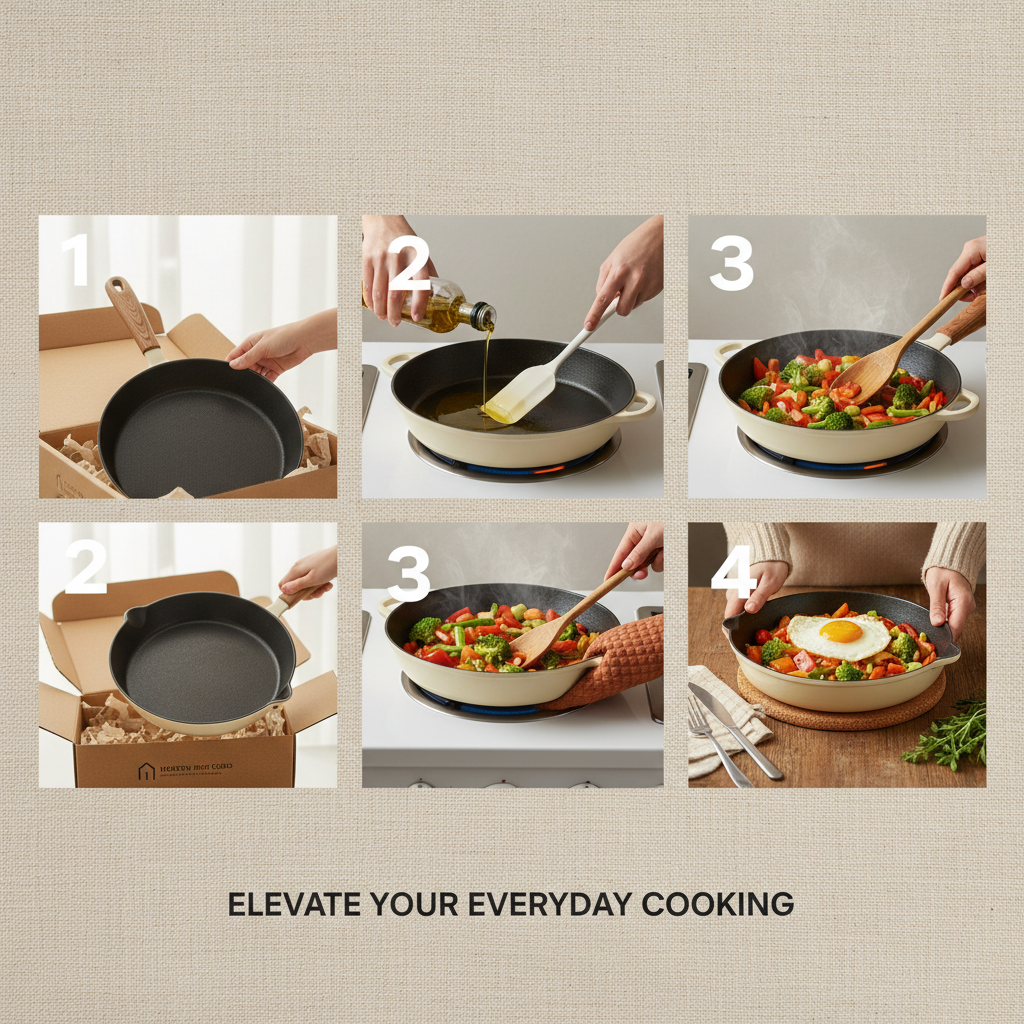
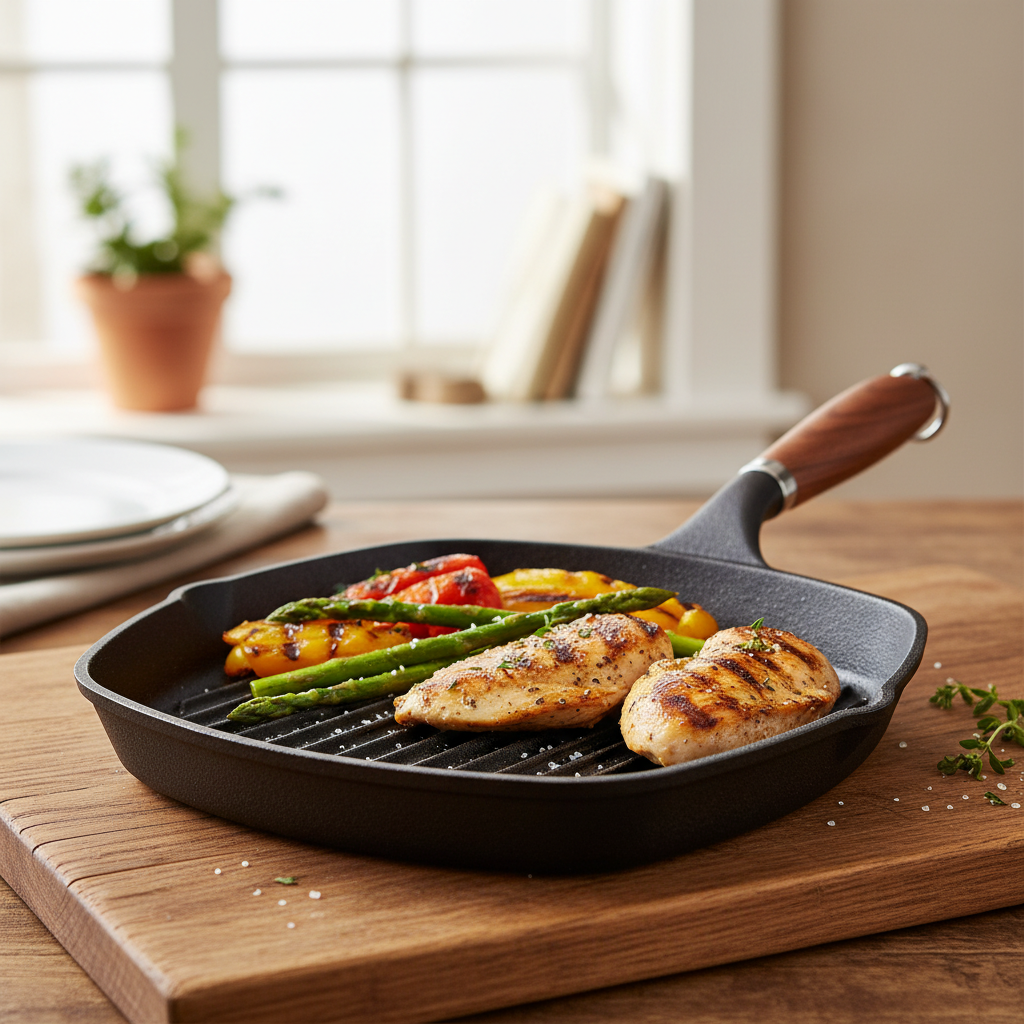
The allure of a perfectly seared steak, a delicate fried egg, or vibrant sautéed vegetables often begins with the right cookware. Among the many options available, the cast iron enamel frying pan stands out as a versatile and enduring kitchen staple. Its ability to retain heat, distribute it evenly, and offer a naturally non-stick surface (when seasoned properly) makes it a favorite among both home cooks and professional chefs. This article delves into the world of cast iron enamel frying pans, exploring their definition, key features, applications, advantages, future trends, and challenges.
Globally, the demand for durable and high-performing cookware is steadily increasing, driven by a growing interest in home cooking and healthier eating habits. According to a report by Mordor Intelligence, the cookware market is projected to reach $22.3 billion by 2028. Cast iron enamel frying pans are experiencing a particular surge in popularity due to their ability to deliver consistent results and their longevity – reducing the need for frequent replacements and contributing to a more sustainable lifestyle.
However, despite their benefits, many consumers remain hesitant due to concerns about maintenance and weight. This is where understanding the nuances of cast iron enamel cookware becomes crucial, empowering individuals to make informed choices and reap the rewards of this time-honored cooking method.
The Definition and Significance of cast iron enamel frying pan
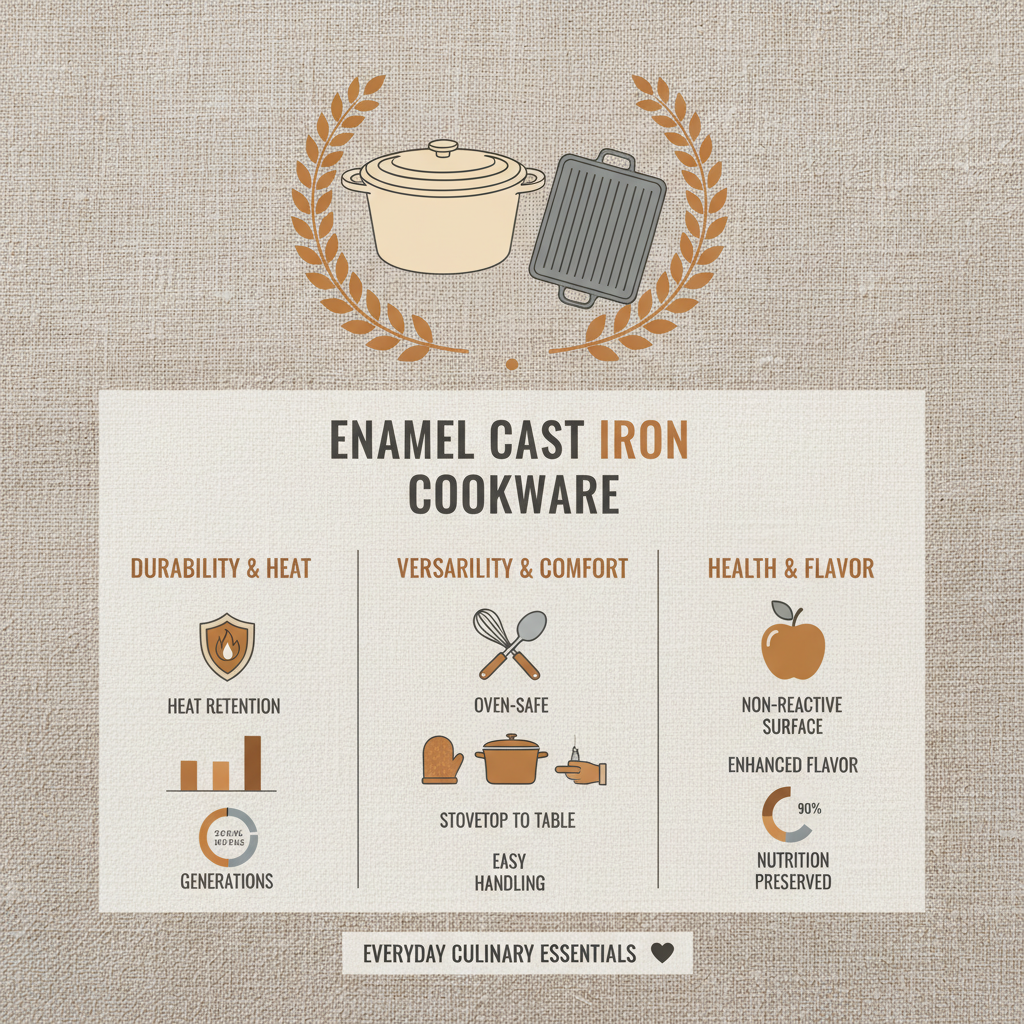
A cast iron enamel frying pan is essentially a traditional cast iron pan coated with porcelain enamel. This coating provides a smooth, non-reactive cooking surface, eliminating the need for extensive seasoning and making cleanup easier. The cast iron core, however, remains the heart of its functionality, ensuring exceptional heat retention and even distribution.
The significance of this cookware lies in its ability to bridge the gap between traditional cooking methods and modern convenience. It’s not merely a kitchen tool; it’s a connection to culinary history, offering a robust and reliable cooking experience that’s both satisfying and enduring.
Global Relevance and Industry Context
The global cookware industry is a multi-billion dollar market, constantly evolving to meet changing consumer needs and preferences. Cast iron enamel frying pans have carved a significant niche within this landscape, driven by a renewed appreciation for quality, durability, and sustainable cooking practices. Countries like France, Japan, and the United States have long traditions of utilizing cast iron cookware, and this heritage continues to influence modern trends.
The demand for versatile cookware, capable of handling diverse cooking techniques – from searing and frying to baking and braising – has propelled the popularity of enamel-coated cast iron. Moreover, growing awareness of the potential health risks associated with certain non-stick coatings has prompted consumers to seek safer, more natural alternatives, further solidifying the position of cast iron enamel pans.
The increasing focus on reducing waste and adopting eco-friendly products aligns perfectly with the longevity of cast iron enamel frying pans. Unlike cheaper alternatives that require frequent replacement, these pans are built to last for generations, minimizing environmental impact.
Understanding the Core Components
At its foundation, a cast iron enamel frying pan is composed of two primary elements: the cast iron body and the porcelain enamel coating. The cast iron is created by pouring molten iron into a mold, resulting in a dense and incredibly durable material. This density is key to its excellent heat retention capabilities.
The porcelain enamel coating, applied to the cast iron, is a glass-like substance fused to the metal at high temperatures. This coating provides a non-reactive surface, preventing food from interacting directly with the iron and eliminating the metallic taste sometimes associated with unseasoned cast iron. It also makes the pan easier to clean and reduces the need for extensive seasoning.
Beyond these core components, the design of the pan—including the handle style, pan depth, and weight distribution—also plays a crucial role in its overall performance and usability. Modern designs often incorporate ergonomic handles and features to improve comfort and control.
Key Factors Influencing Performance
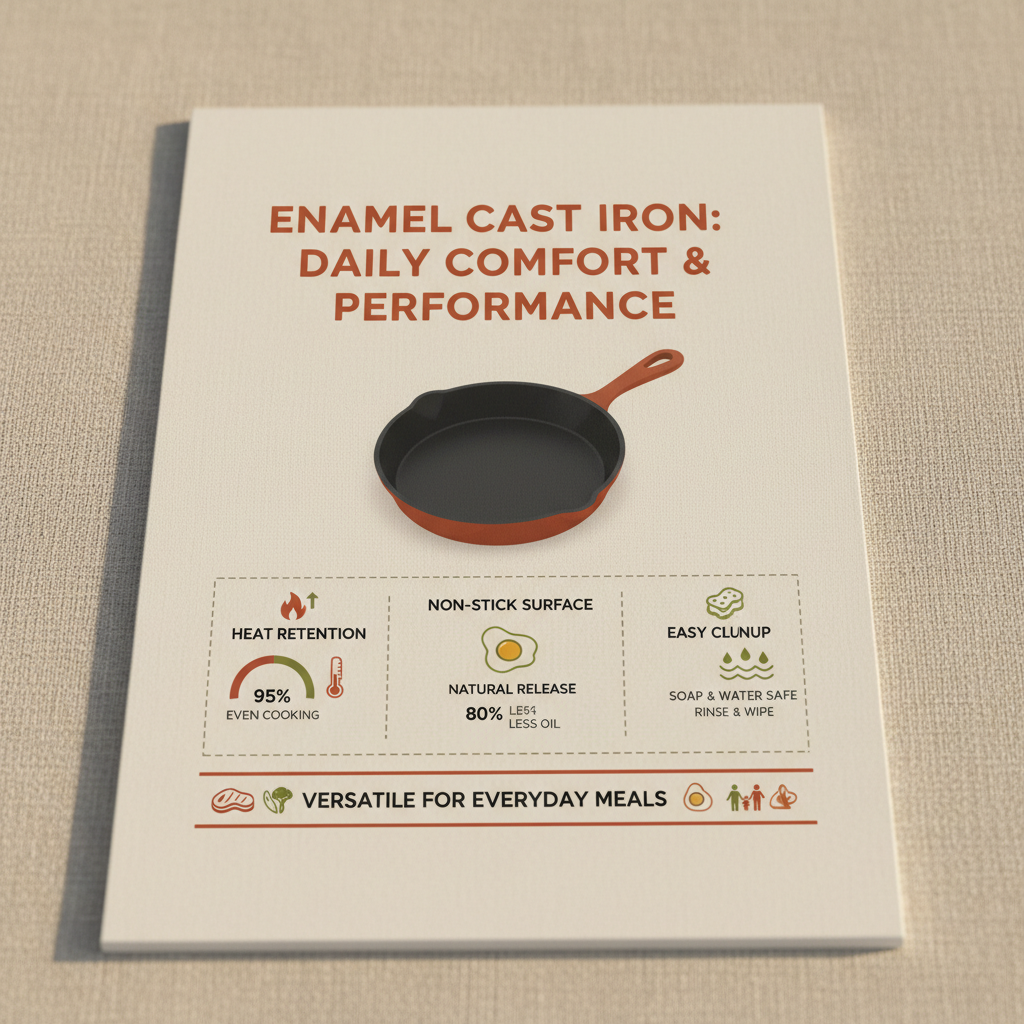
Several factors contribute to the exceptional performance of a cast iron enamel frying pan. One crucial aspect is heat retention. Cast iron’s density allows it to absorb and retain heat exceptionally well, resulting in consistent cooking temperatures and ideal searing capabilities.
Another key factor is even heat distribution. Unlike some materials that develop hot spots, cast iron distributes heat uniformly across the cooking surface, minimizing the risk of unevenly cooked food.
Cast Iron Enamel Frying Pan Performance Metrics
Applications Across Industries and Regions
While primarily found in home kitchens, the cast iron enamel frying pan has applications extending to professional culinary environments, outdoor cooking, and even specialized industries. Restaurants value its heat retention for searing meats and maintaining consistent temperatures during high-volume service.
Campers and outdoor enthusiasts appreciate its durability and versatility, making it ideal for cooking over open fires or on portable stoves. In regions with limited access to electricity, cast iron cookware provides a reliable and efficient cooking solution.
Furthermore, in food photography and styling, cast iron enamel frying pans are often used for their aesthetic appeal and ability to showcase food in an attractive manner.
The Advantages and Long-Term Value Proposition
The advantages of investing in a cast iron enamel frying pan extend far beyond immediate cooking performance. Their exceptional durability translates to a significantly longer lifespan compared to many other types of cookware, reducing the need for frequent replacements and saving money in the long run.
The versatility of cast iron – its ability to function on various heat sources and in different cooking techniques – further enhances its value. From stovetop searing to oven baking, a single pan can handle a wide range of culinary tasks, simplifying kitchen organization and reducing clutter.
Future Trends and Innovations in Cast Iron Technology
Innovation in cast iron technology is focused on addressing some of the traditional drawbacks, such as weight and seasoning requirements. Lighter-weight cast iron alloys are being developed, making the pans easier to handle without sacrificing heat retention.
Improvements in enamel coatings are also underway, aimed at enhancing scratch resistance and non-stick properties. Smart cookware integration, with embedded sensors and connectivity for temperature monitoring and recipe guidance, is a potential future development.
Sustainability remains a key driver, with manufacturers exploring eco-friendly production processes and utilizing recycled materials in the manufacturing of cast iron enamel frying pans.
FAQS
While enamel-coated cast iron is smoother than traditional cast iron, it’s not inherently non-stick like Teflon. However, the enamel surface reduces sticking compared to bare cast iron and becomes more non-stick with use. Using a small amount of oil or fat is still recommended for optimal results and to maintain the enamel’s integrity.
Cleaning is relatively simple. Avoid abrasive cleaners that can damage the enamel. Typically, warm soapy water and a soft sponge are sufficient. For stubborn food residue, you can simmer water in the pan for a few minutes to loosen it. Dry thoroughly to prevent rust.
While the enamel is durable, using metal utensils can potentially scratch or chip the surface over time. It’s best to opt for silicone, wooden, or plastic utensils to preserve the enamel’s integrity and extend the pan’s lifespan.
It's generally not recommended to put cast iron enamel cookware in the dishwasher. The harsh detergents and high temperatures can damage the enamel coating over time. Handwashing is the preferred method to maintain its quality.
Enamel coating eliminates the need for seasoning, prevents rusting, and provides a non-reactive cooking surface. It’s easier to clean and maintain than traditional cast iron, making it more convenient for everyday use.
Yes, high-quality cast iron enamel cookware is generally considered safe to use. Ensure the enamel coating is lead-free and cadmium-free. Properly maintained enamel cookware doesn’t leach harmful chemicals into food.
Conclusion
In conclusion, the cast iron enamel frying pan represents a harmonious blend of tradition and innovation. Its exceptional heat retention, even heating capabilities, and durability make it a valuable addition to any kitchen, offering a versatile cooking experience that lasts for generations. By understanding its core components, benefits, and proper care, consumers can unlock its full potential and enjoy the rewards of this enduring cookware.
Looking ahead, advancements in materials and technology promise to further enhance the performance and convenience of cast iron enamel cookware. As sustainability and mindful consumption become increasingly important, the longevity and eco-friendliness of these pans position them as a smart and responsible choice for cooks worldwide. Visit our website at www.hapichefcastiron.com.com to explore our range of cast iron enamel frying pans and elevate your culinary experience.