The humble cast iron grill pan has transcended its kitchen origins to become a symbol of enduring quality, versatile cooking, and a connection to culinary traditions. Globally, it's experiencing a resurgence in popularity, driven by a growing appreciation for simple, robust cookware and the pursuit of healthier cooking methods. From home cooks seeking authentic seared flavors to professional chefs demanding consistent performance, the cast iron grill pan is a kitchen staple recognized for its ability to distribute heat evenly and retain it for extended periods.
The demand for durable, long-lasting cookware is steadily increasing as consumers prioritize sustainability and reducing waste. This trend directly benefits the cast iron grill pan, which, with proper care, can be passed down through generations. Statistics show a significant rise in searches for 'cast iron cooking' and 'sustainable cookware' in recent years, indicating a shifting consumer mindset. Addressing the need for a reliable, efficient, and environmentally conscious cooking solution, the cast iron grill pan provides a powerful alternative to non-stick options, many of which contain harmful chemicals.
Moreover, the adaptability of the cast iron grill pan extends beyond indoor kitchens. Its portability and ability to withstand high temperatures make it a valuable asset for outdoor cooking enthusiasts, campers, and even emergency preparedness kits. This versatile application contributes to its global relevance and expanding market reach.
The Enduring Appeal of cast iron grill pan
The enduring appeal of a cast iron grill pan lies in its simplicity and effectiveness. It isn’t a fleeting trend, but a cooking method that has been refined over centuries. Unlike many modern cookware innovations, a cast iron grill pan doesn’t rely on complex technology or coatings – its performance is rooted in the fundamental properties of the material itself.
This inherent reliability and performance translate into a consistently superior cooking experience. The even heat distribution of cast iron ensures that food cooks uniformly, while its exceptional heat retention allows for perfect searing and browning. This results in flavors that are difficult, if not impossible, to achieve with other types of cookware.
Historical Context and Global Reach
The history of cast iron cookware stretches back thousands of years, with evidence of its use in ancient China. However, it was in Europe, particularly in the 18th and 19th centuries, that cast iron truly became a kitchen mainstay. The Industrial Revolution enabled mass production, making cast iron cookware accessible to a wider population. From humble farm kitchens to grand manor houses, the cast iron grill pan became a symbol of home cooking.
Today, cast iron cookware enjoys a global resurgence, with manufacturers in countries like China, Japan, and the United States catering to a worldwide market. The growing awareness of the health benefits of avoiding non-stick coatings is fueling demand, particularly in developed nations. Furthermore, the rise of culinary tourism and the appreciation of regional cuisines are driving interest in traditional cooking methods.
The versatility of cast iron also extends its reach into various culinary traditions. From the sizzling fajitas of Mexico to the hearty stews of France, the cast iron grill pan adapts seamlessly to a multitude of flavors and cooking styles, cementing its position as a truly global kitchen tool.
Defining the cast iron grill pan
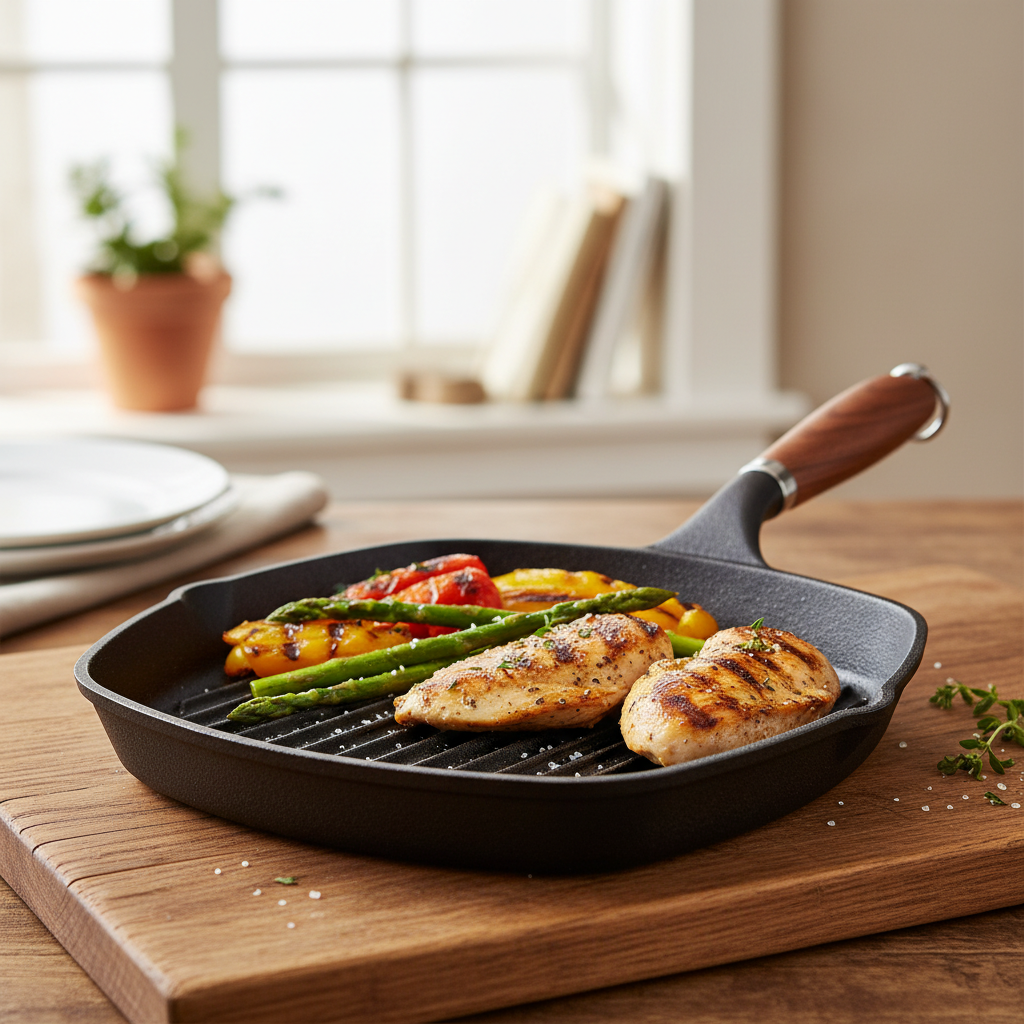
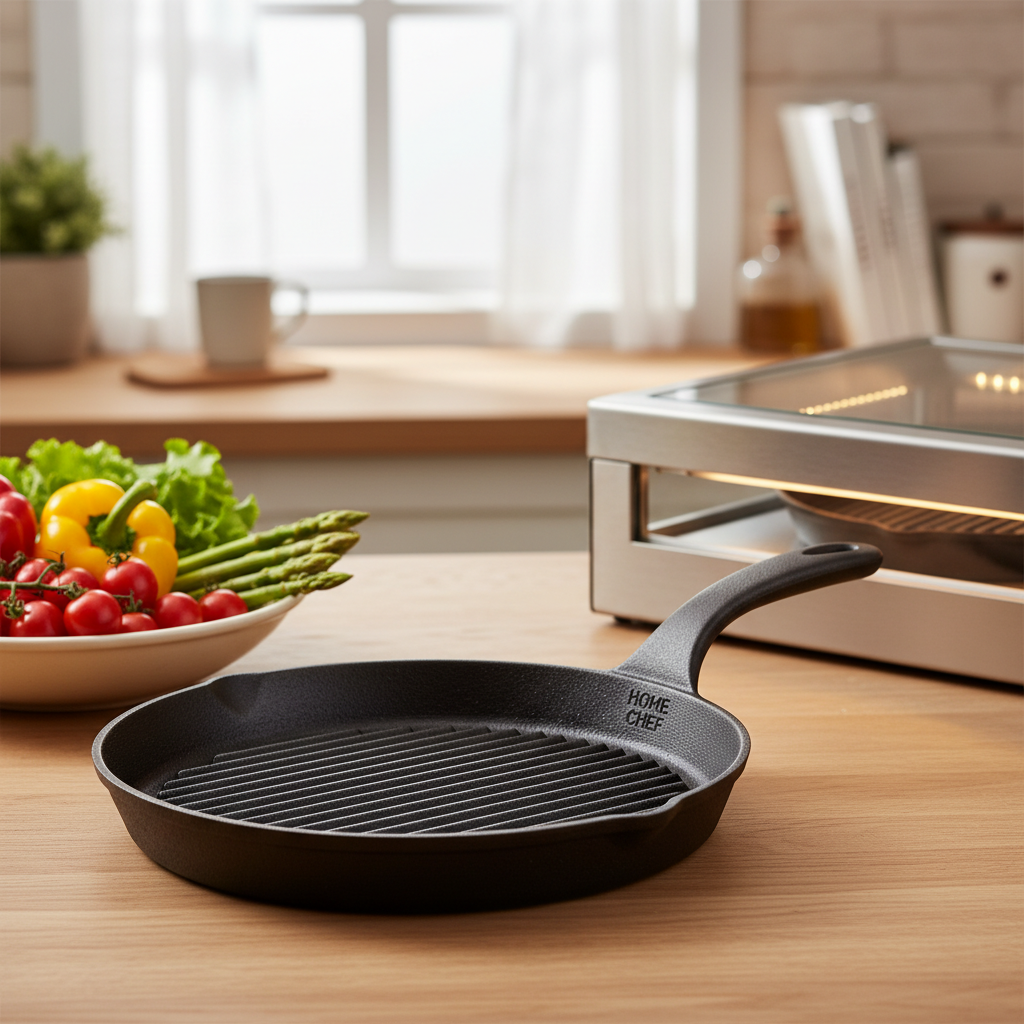
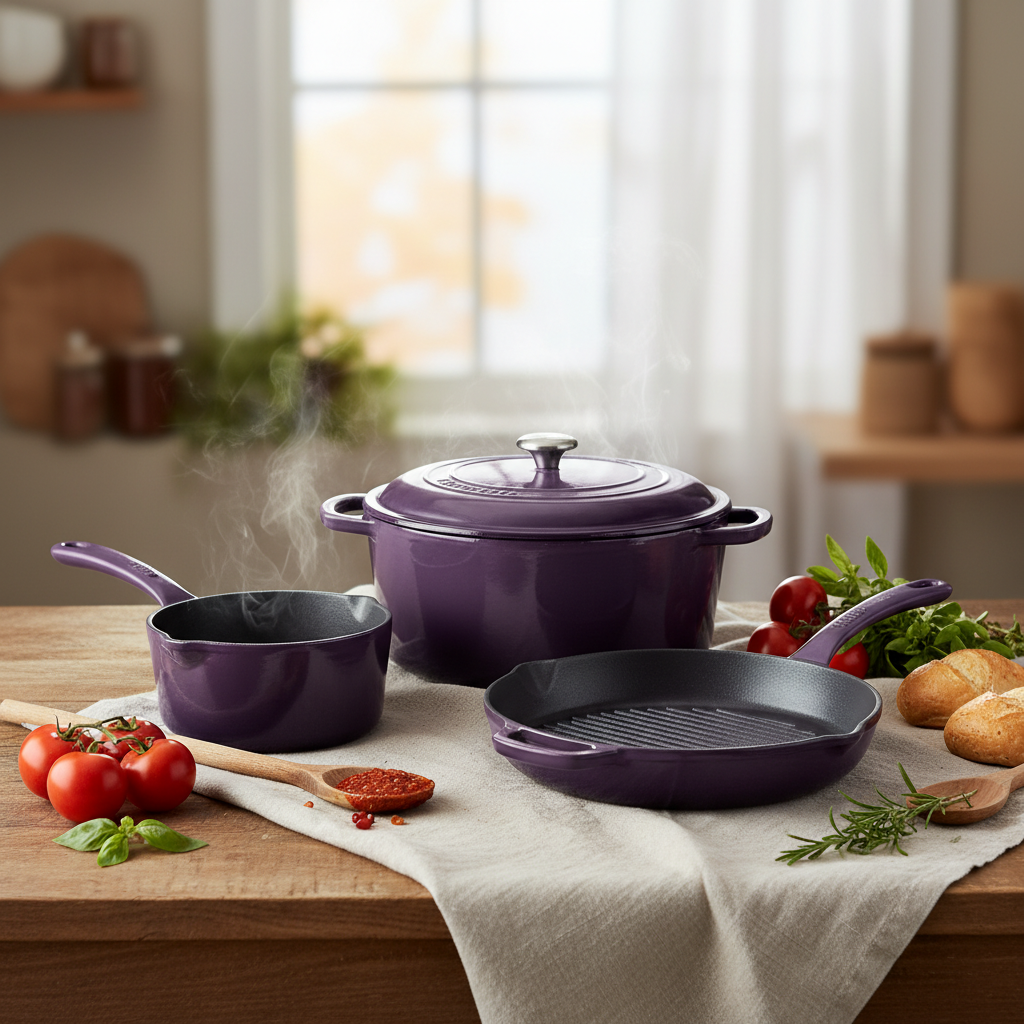
A cast iron grill pan is a cooking vessel made from cast iron, characterized by its raised ridges that mimic the appearance of an outdoor grill. These ridges impart distinctive grill marks on food, enhancing its visual appeal and contributing to a slightly crispier texture. Unlike a traditional flat cast iron skillet, the grill pan is designed specifically for achieving grilled flavors without the need for an open flame.
The defining characteristic of a cast iron grill pan is its ability to retain and distribute heat incredibly well. This makes it ideal for searing meats, grilling vegetables, and even making paninis. The heavy weight of the pan also contributes to its stability and prevents hot spots, ensuring even cooking across the entire surface. Proper seasoning is key to unlocking the full potential of a cast iron grill pan, creating a naturally non-stick surface.
In the context of modern industry, the cast iron grill pan represents a compelling blend of tradition and innovation. While the fundamental principles of cast iron cooking remain unchanged, manufacturers are constantly refining designs and incorporating new technologies to improve performance and user experience.
Key Properties of a Quality cast iron grill pan
The performance of a cast iron grill pan hinges on a few key properties. First, heat retention is paramount. Cast iron's density allows it to store a significant amount of heat, ensuring consistent cooking temperatures even when food is added. Secondly, heat distribution is critical – a good cast iron grill pan will heat evenly across its entire surface, eliminating hot spots and ensuring uniform results.
Next, durability sets cast iron apart. With proper care, a cast iron grill pan can last for generations, resisting wear and tear far better than many other types of cookware. Finally, seasoning is essential. A well-seasoned pan possesses a naturally non-stick surface, making cooking and cleaning easier.
Performance Metrics of Different cast iron grill pan Types
Applications Across Culinary Landscapes
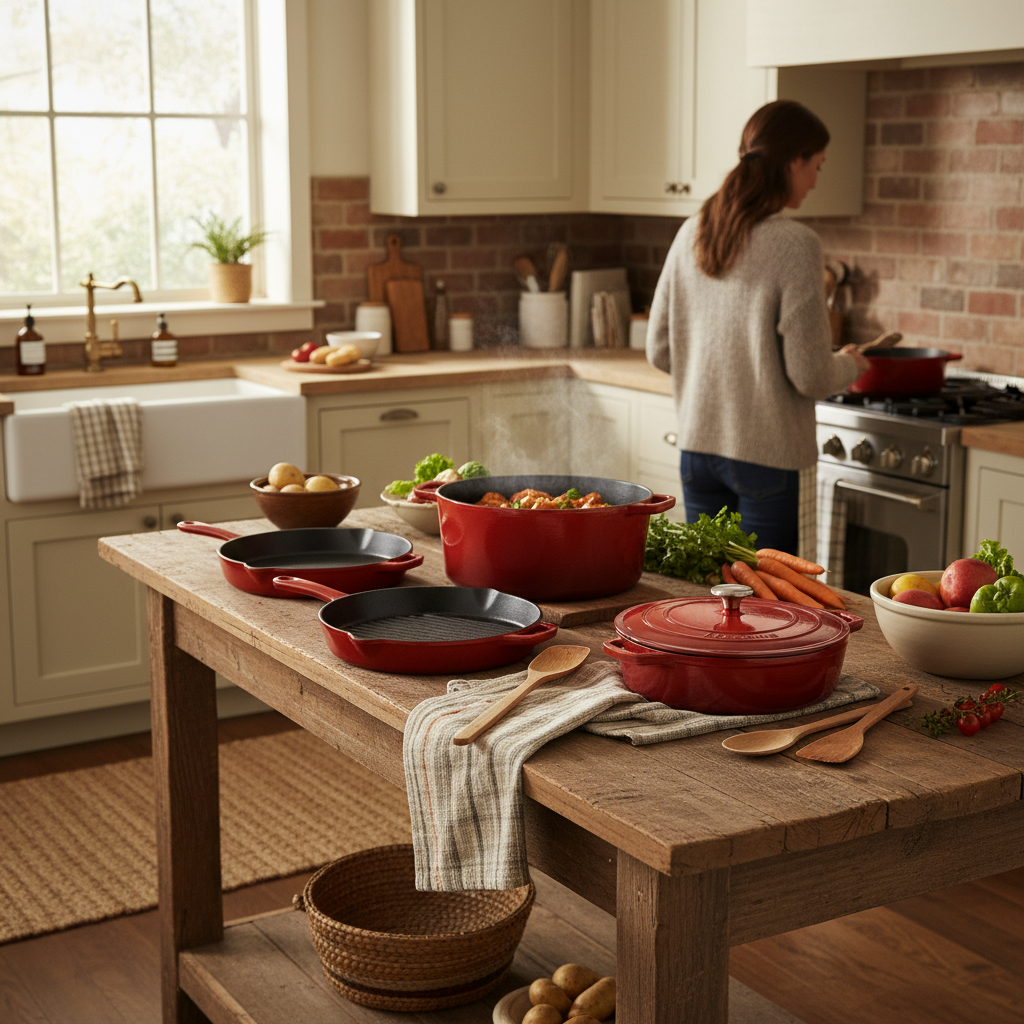
The cast iron grill pan finds application in a diverse range of culinary settings. From home kitchens where families enjoy weeknight dinners to professional restaurant kitchens where chefs create gourmet meals, its versatility shines. It’s a favored tool for searing steaks, grilling chicken, making paninis, and even baking cornbread.
In the American Southwest, it's indispensable for cooking fajitas and achieving that characteristic smoky flavor. In South America, it's used to prepare traditional grilled meats and vegetables. And across Europe, it's valued for its ability to create perfectly browned and caramelized dishes.
Advantages and Long-Term Value Proposition
The advantages of investing in a cast iron grill pan extend beyond its immediate cooking performance. From a cost perspective, its longevity makes it a remarkably economical choice. While the initial investment may be higher than some alternatives, a well-maintained cast iron grill pan can last a lifetime, eliminating the need for frequent replacements.
Furthermore, cast iron is a sustainable material. It's made from readily available resources and can be recycled indefinitely. Choosing cast iron over non-stick cookware also reduces exposure to potentially harmful chemicals, promoting a healthier cooking environment. The sheer joy of using a durable, reliable tool that connects you to culinary history adds an intangible, yet significant, value.
Future Innovations and Sustainable Practices
Innovation in cast iron cookware continues, with manufacturers exploring new methods for pre-seasoning, enhancing heat distribution, and reducing weight. Lighter-weight cast iron alloys are emerging, making the pans easier to handle without sacrificing heat retention. Sustainable practices are also gaining prominence, with companies prioritizing responsible sourcing of materials and minimizing their environmental impact.
Digital integration is another potential area of development. Smart cast iron grill pans equipped with temperature sensors and Bluetooth connectivity could provide real-time cooking data and guidance, enhancing the user experience. Furthermore, advancements in seasoning technology could lead to even more durable and naturally non-stick surfaces.
The future of the cast iron grill pan is bright, driven by a renewed appreciation for its timeless qualities and a commitment to sustainable cooking practices.
Core Properties and Maintenance of cast iron grill pan
| Property |
Description |
Impact on Cooking |
Maintenance Level (1-5) |
| Heat Retention |
Ability to store and maintain thermal energy. |
Ensures consistent cooking temperatures and excellent searing. |
2 |
| Heat Distribution |
How evenly heat spreads across the cooking surface. |
Prevents hot spots and promotes uniform cooking. |
3 |
| Seasoning |
The polymerized oil layer that creates a non-stick surface. |
Enhances food release and protects the iron from rust. |
4 |
| Durability |
Resistance to wear, tear, and damage. |
Provides a long-lasting cooking tool that can be passed down. |
1 |
| Weight |
The overall mass of the cast iron grill pan. |
Contributes to heat retention and stability, but can be challenging to maneuver. |
2 |
| Rust Resistance |
Ability to withstand corrosion from moisture. |
Ensures longevity and prevents the pan from degrading. |
3 |
FAQS
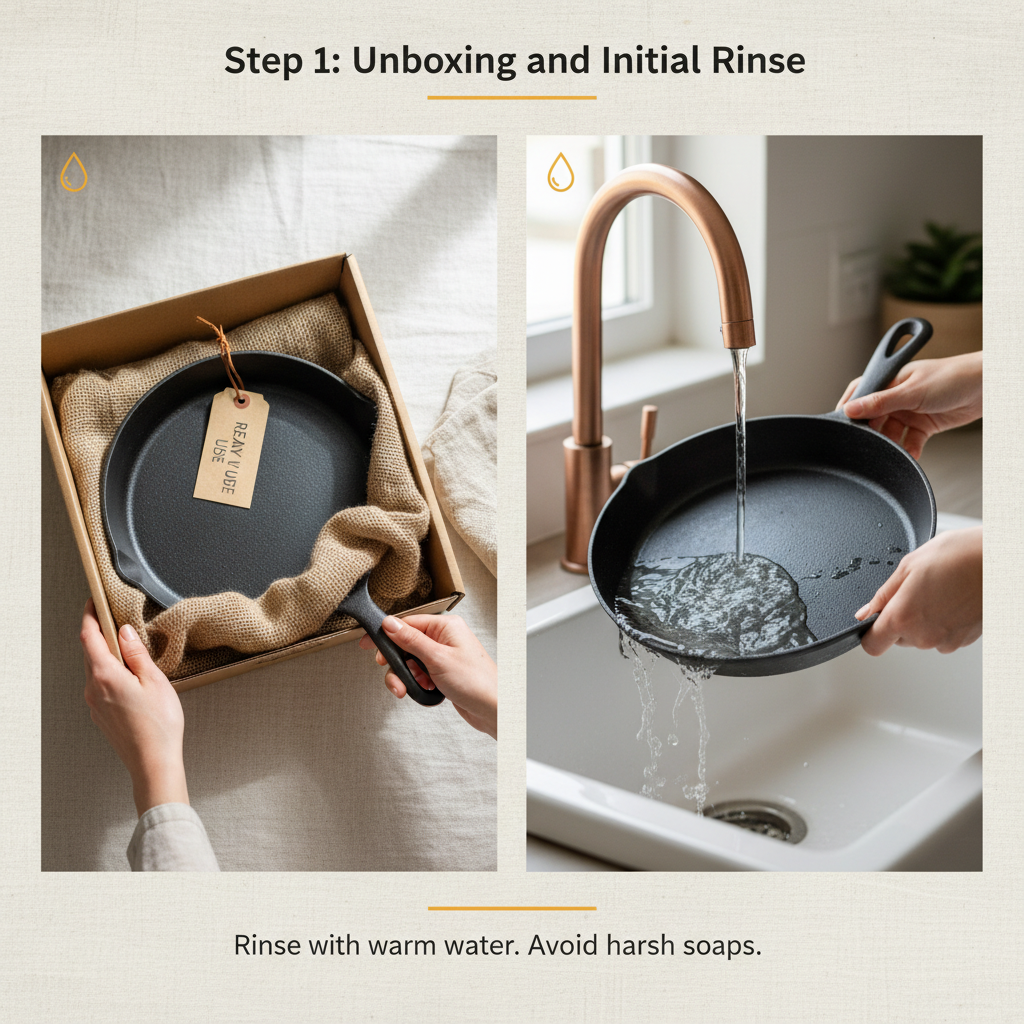
Seasoning a new cast iron grill pan involves coating it with a thin layer of oil and baking it at a high temperature multiple times. This process creates a polymerized oil layer, which acts as a natural non-stick surface and protects the iron from rust. Start by thoroughly cleaning the pan with hot, soapy water, drying it completely, and then applying a thin coat of cooking oil (like flaxseed oil or vegetable oil) to all surfaces. Bake upside down in a 350-400°F oven for an hour, repeating this process 3-4 times.
Rust is the enemy of cast iron grill pans! To prevent rusting, always dry the pan immediately after washing, and then apply a very thin coat of oil. Avoid soaking the pan in water for extended periods. If rust does appear, scrub it off with steel wool, then re-season the pan. Proper seasoning is your best defense against rust.
The old myth that you can’t use soap on cast iron is largely outdated. Modern dish soaps are milder and won’t strip the seasoning if used sparingly. However, it’s still best to avoid harsh detergents and prolonged soaking. Rinse thoroughly and dry immediately after washing.
Most cast iron grill pans are compatible with induction cooktops, but it’s important to check the manufacturer’s specifications. Cast iron is a ferrous metal, meaning it contains iron, which is required for induction cooking to work. However, some pans may have a coating on the bottom that interferes with the induction process.
A cast iron grill pan excels at searing meats, grilling vegetables, and making paninis due to its exceptional heat retention and even heat distribution. It’s ideal for foods that benefit from a crispy exterior and a juicy interior, like steaks, burgers, chicken, and fish. It can also be used for baking cornbread, frittatas, and even desserts.
After cooking, let the cast iron grill pan cool slightly, then scrape off any food residue with a spatula or scraper. Rinse with hot water (and a little soap if needed) and dry immediately with a towel. Apply a thin coat of oil to prevent rust and maintain the seasoning.
Conclusion
The cast iron grill pan is far more than just a cooking utensil; it’s a testament to enduring quality, culinary tradition, and sustainable living. Its ability to deliver exceptional cooking performance, coupled with its longevity and versatility, makes it an invaluable addition to any kitchen. From its historical roots to its modern-day resurgence, the cast iron grill pan continues to inspire and empower cooks around the world.
As we look to the future, the potential for innovation in cast iron cookware is immense. By embracing sustainable practices, incorporating new technologies, and celebrating the timeless qualities of this remarkable material, we can ensure that the cast iron grill pan remains a beloved kitchen staple for generations to come. Visit our website today to discover the perfect cast iron grill pan for your cooking needs: www.hapichefcastiron.com.com.