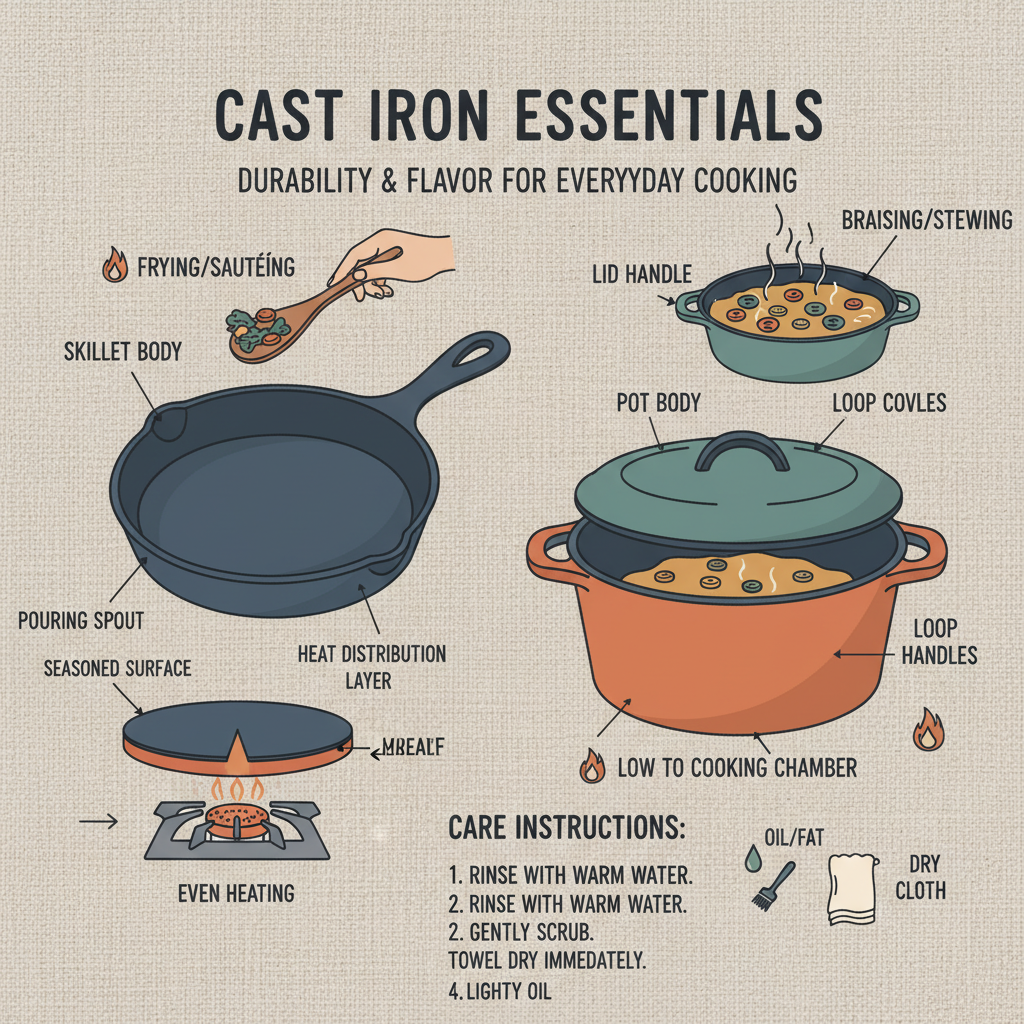
Coated cast iron cookware represents a significant evolution in kitchen technology, blending the traditional benefits of cast iron – exceptional heat retention and even heating – with the convenience of modern non-stick surfaces. This combination has propelled coated cast iron cookware into homes and professional kitchens globally, offering a versatile and user-friendly cooking experience. Understanding the nuances of this cookware, from its manufacturing processes to its care and maintenance, is crucial for maximizing its lifespan and unlocking its full potential.
The global demand for coated cast iron cookware is steadily increasing, driven by a growing awareness of its health benefits (reduced oil usage) and its durability. Statistics from the World Bank indicate a rising middle class in developing nations, leading to increased disposable income and a greater willingness to invest in quality kitchenware. Furthermore, the ISO standards for cookware materials are increasingly stringent, pushing manufacturers towards safer and more durable coating technologies. This is not merely a culinary trend; it’s a shift towards more sustainable and efficient cooking practices.
The rising popularity of cooking shows and food blogs has further fueled this demand. Consumers are actively seeking cookware that can deliver professional-level results at home, and coated cast iron cookware consistently meets this expectation. The challenge lies in ensuring responsible sourcing of materials and environmentally friendly manufacturing processes to minimize the environmental impact of production.
The Evolution and Global Reach of Coated Cast Iron Cookware
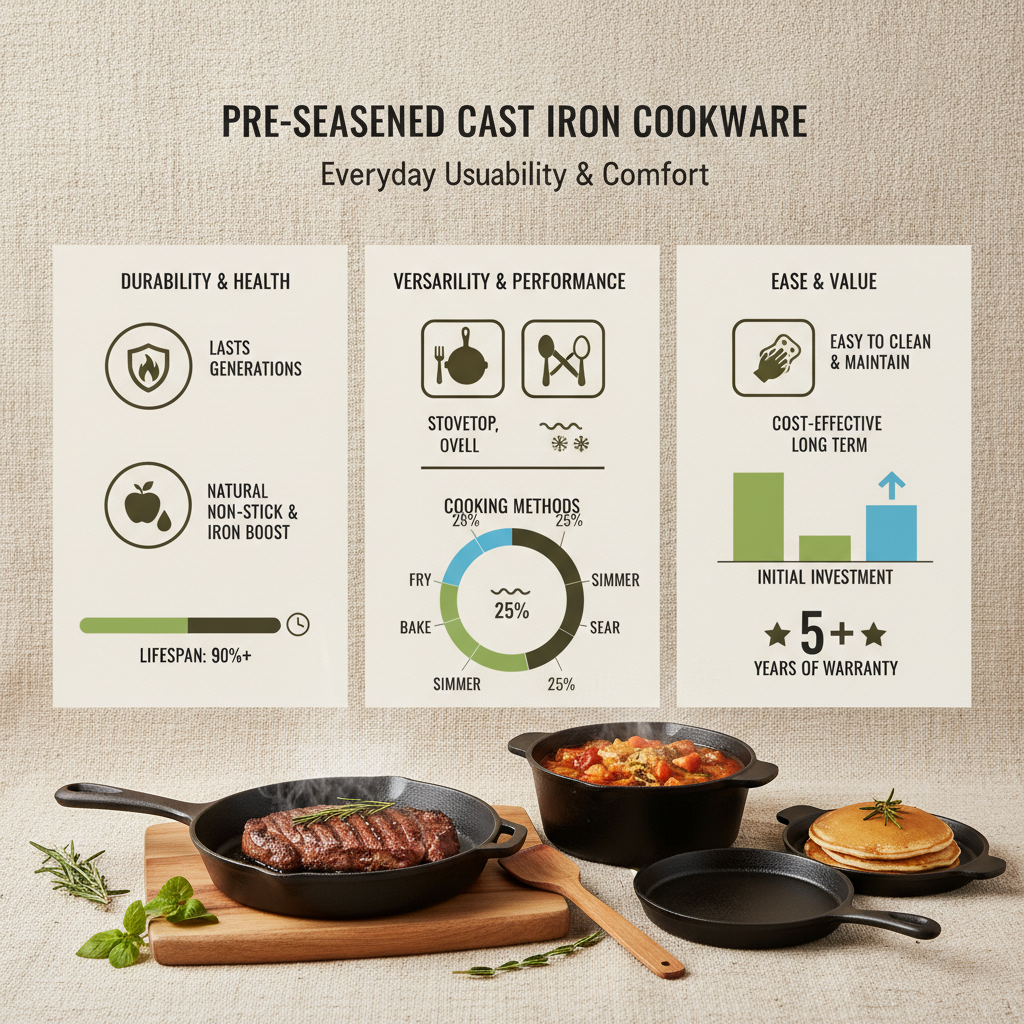
Historically, cast iron cookware required meticulous seasoning to achieve a natural non-stick surface. This process, while effective, was time-consuming and demanded consistent maintenance. The introduction of coating technologies, such as PTFE (Teflon) and ceramic coatings, revolutionized cast iron cookware, eliminating the need for extensive seasoning and providing a consistently non-stick cooking surface. This innovation has significantly expanded the accessibility and appeal of cast iron cookware to a broader consumer base.
Today, coated cast iron cookware is found in kitchens worldwide, from home cooks to professional chefs. Its versatility—suitable for stovetop, oven, and even induction cooking—makes it a staple for various cuisines. The global market is segmented by region, with North America and Europe currently holding the largest share, but Asia-Pacific is experiencing the fastest growth due to rising disposable incomes and a growing culinary culture.
Defining Coated Cast Iron Cookware
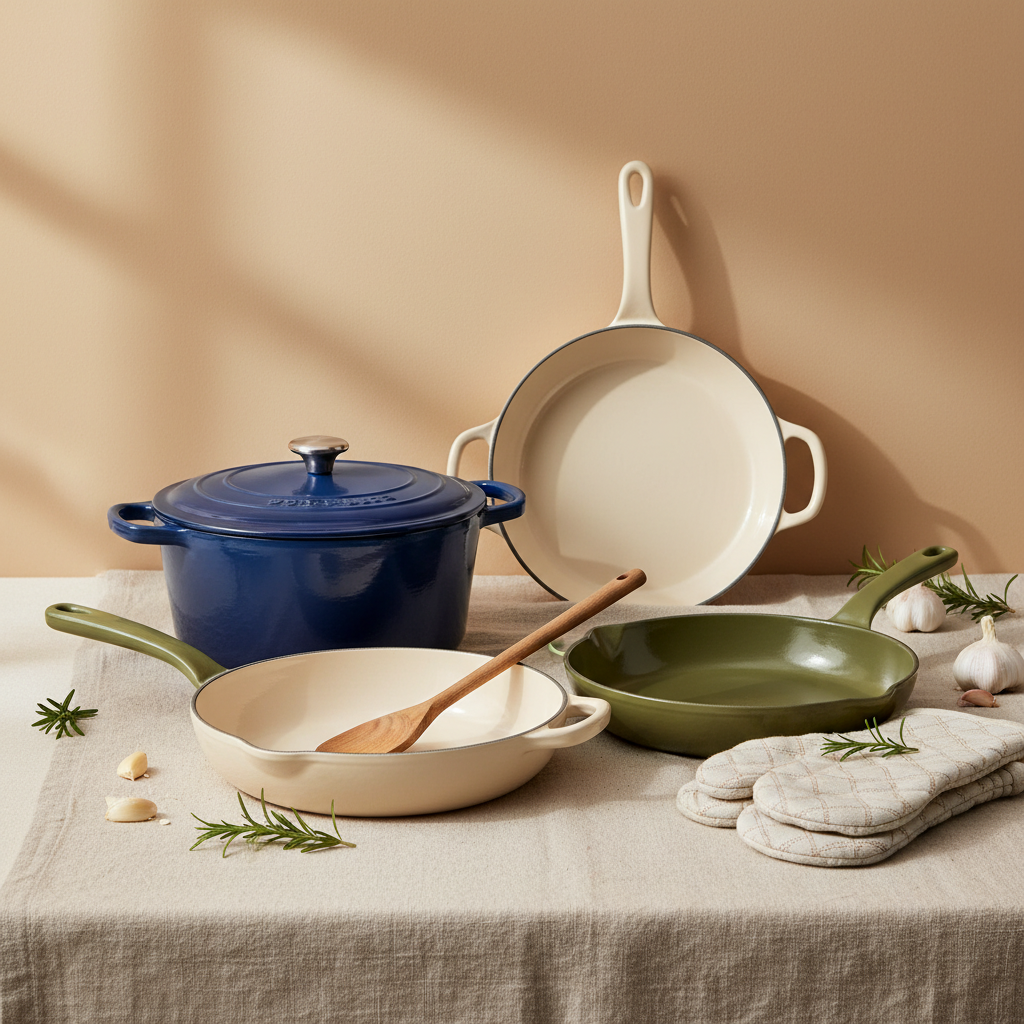
Coated cast iron cookware is essentially traditional cast iron cookware that has been treated with a non-stick coating. The core material remains cast iron, known for its exceptional heat retention and distribution, providing even cooking temperatures and excellent searing capabilities. The coating, typically made of PTFE, ceramic, or enamel, prevents food from sticking, making it easier to cook delicate dishes and simplifies cleaning.
The connection to modern industry lies in the sophisticated materials science and manufacturing processes involved in creating these coatings. Developing coatings that are durable, non-toxic, and capable of withstanding high temperatures requires continuous research and innovation. Furthermore, the production of coated cast iron cookware contributes to employment in manufacturing, logistics, and retail sectors.
This cookware directly addresses the need for healthier cooking options by enabling reduced oil usage. It also solves the inconvenience associated with traditional cast iron seasoning and cleaning, making it a more accessible option for busy individuals and families. The advancements in coating technology aim to improve the lifespan and resilience of these products, reducing waste and promoting sustainability.
Core Components and Key Characteristics
The key components of coated cast iron cookware are the cast iron base, the coating material, and often, ergonomic handles. The cast iron base provides structural integrity and excellent heat distribution. The coating determines the non-stick properties and overall ease of cleaning. Handles are usually made from materials like stainless steel or heat-resistant polymers for safe and comfortable handling.
Several key characteristics define quality coated cast iron cookware. These include the evenness of the coating, its scratch resistance, the heat conductivity of the cast iron base, and the overall weight and balance of the pan. A high-quality coating will be free of defects and provide consistent non-stick performance. The cast iron itself should be thick enough to retain heat effectively but not so heavy as to be unwieldy.
Durability is also paramount. A well-constructed piece of coated cast iron cookware should withstand years of regular use with proper care. This relates to practical applications because it represents a long-term investment, reducing the need for frequent replacements. Choosing cookware with a durable coating and a solid cast iron base ensures both performance and longevity.
Durability and Performance Metrics
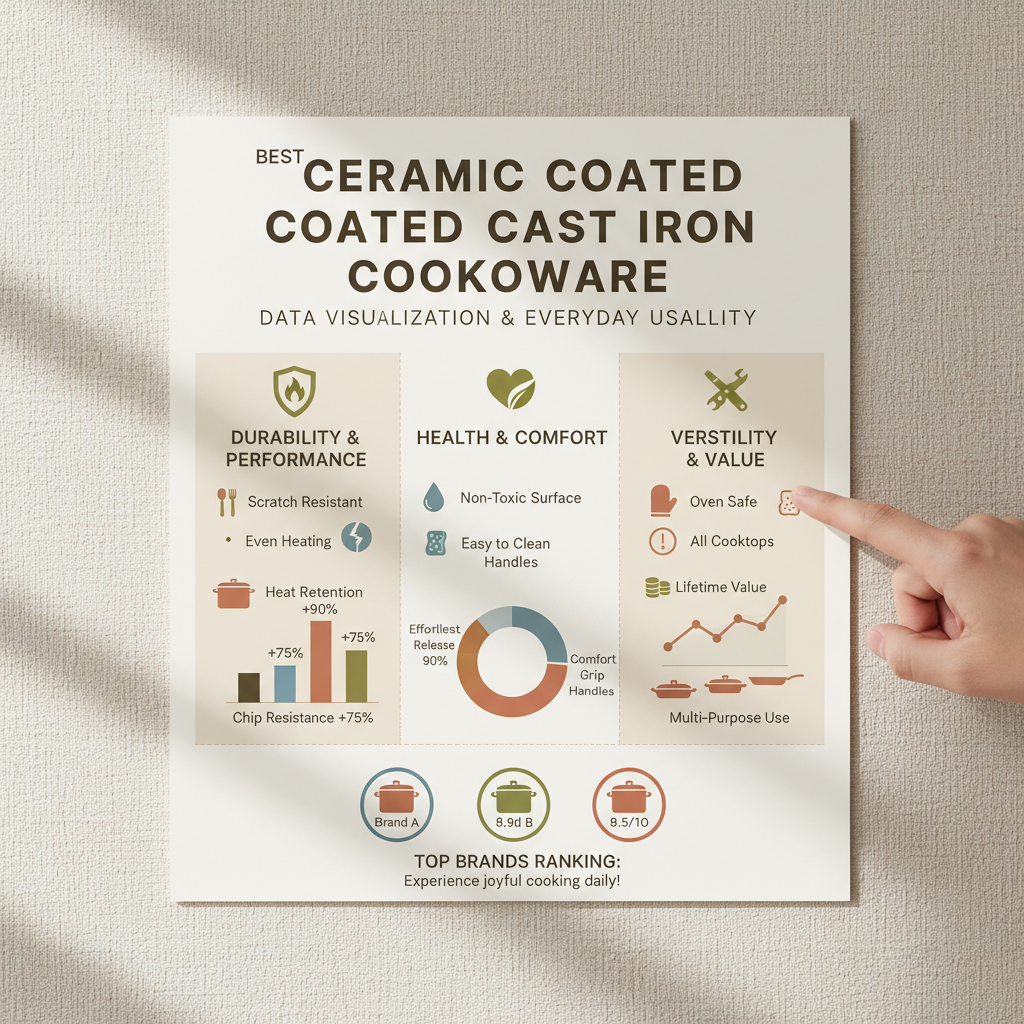
Assessing the durability of coated cast iron cookware involves considering several metrics, including coating hardness (measured using methods like pencil hardness testing), scratch resistance (assessed through abrasion tests), and thermal shock resistance (evaluating its ability to withstand rapid temperature changes). These tests help determine the longevity and reliability of the product under various cooking conditions.
Performance metrics encompass heat retention, evenness of heat distribution, and non-stick effectiveness. Heat retention is crucial for searing and maintaining consistent cooking temperatures, while even heat distribution prevents hotspots and ensures uniform cooking results. Non-stick effectiveness reduces the need for oil and simplifies cleaning, enhancing the overall cooking experience.
Coated Cast Iron Cookware Performance Comparison
Applications Across Culinary Landscapes
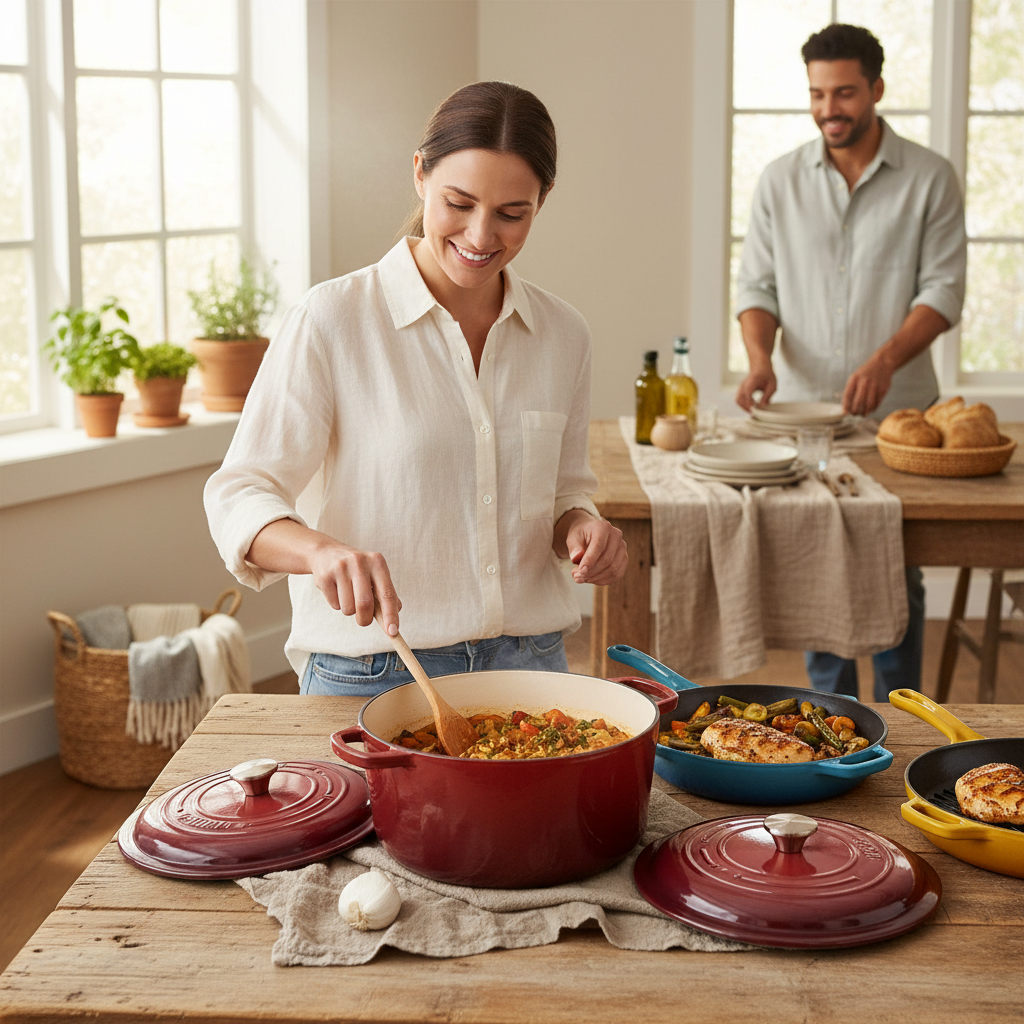
Coated cast iron cookware finds applications across diverse culinary landscapes, from everyday home cooking to professional restaurant kitchens. Its versatility allows for a wide range of cooking techniques, including searing, frying, baking, braising, and slow cooking. The even heat distribution is particularly beneficial for delicate dishes like sauces and custards, while the high heat retention makes it ideal for searing meats.
In post-disaster relief operations, durable and versatile cookware like coated cast iron can be invaluable for providing hot meals to affected populations. Its robustness and ability to function with limited resources make it a practical choice in challenging environments. Similarly, in remote industrial zones or off-grid communities, coated cast iron cookware offers a reliable cooking solution where access to electricity or gas may be limited.
Advantages and Long-Term Value Proposition
The advantages of coated cast iron cookware are numerous. Cost-effectively, it offers a long lifespan, reducing the need for frequent replacements compared to other cookware materials. Its sustainability stems from its durability and recyclability – cast iron is a readily recyclable material. Socially, it promotes healthier cooking practices by reducing the need for excessive oil. Reliability is ensured by its robust construction and consistent performance.
Beyond the practical benefits, coated cast iron cookware evokes a sense of tradition and quality. It instills confidence in the cooking process, knowing that the cookware will deliver consistent results. The emotional connection to home-cooked meals and family gatherings is enhanced by using durable, reliable cookware that can be passed down through generations.
The innovation inherent in the coating technology also speaks to the continuous improvement and refinement of cookware design. Investing in coated cast iron cookware isn’t merely buying a pan; it’s investing in a piece of culinary history and a commitment to quality.
Future Trends and Innovations in Coating Technology
Future trends in coated cast iron cookware are heavily focused on developing even more durable, non-toxic, and environmentally friendly coatings. Research is underway on advanced ceramic coatings that offer superior scratch resistance and improved non-stick performance. Furthermore, the incorporation of nanotechnology could lead to coatings with self-healing properties, extending the lifespan of the cookware.
The integration of "smart" cookware features, such as temperature sensors and connectivity to mobile apps, is also on the horizon. This would allow for more precise cooking control and enhanced recipe guidance. The focus on sustainability will also drive the development of bio-based coatings derived from renewable resources, reducing the reliance on traditional synthetic materials.
Digital transformation in the cookware industry is opening doors for customized coating applications, tailored to specific cooking needs. Automation in the manufacturing process also promises to enhance quality control and reduce production costs. These innovations collectively point towards a future where coated cast iron cookware is more versatile, sustainable, and user-friendly than ever before.
FAQS
PTFE (like Teflon) coatings are known for their excellent non-stick properties and affordability, but can degrade at high temperatures and may release harmful fumes if overheated. Ceramic coatings are generally considered more eco-friendly and can withstand higher temperatures, but they tend to lose their non-stick properties more quickly than PTFE and are more prone to chipping. The best choice depends on your cooking style and priorities.
Avoid using metal utensils, abrasive cleaners, or scouring pads, as these can damage the coating. Hand washing with warm, soapy water is recommended. Avoid using high heat continuously, and allow the cookware to cool completely before cleaning. While some coated cast iron is dishwasher safe, hand washing is always gentler and prolongs the coating’s life.
Generally, yes, but it depends on the specific cookware. Ensure the bottom of the pan is magnetic, as induction cooktops require magnetic cookware. Many modern coated cast iron pieces are designed to be compatible with induction cooktops, but it's always best to check the manufacturer's specifications before use to avoid damage to either the cooktop or the cookware.
While coated cast iron cookware can be used to cook acidic foods, prolonged exposure can potentially degrade the coating over time, particularly with PTFE coatings. Ceramic coatings are generally more resistant to acidic foods. It’s recommended to avoid simmering acidic foods for extended periods in coated cast iron, and ensure the coating is in good condition.
If the coating is significantly chipped or peeling, it’s best to discontinue using the cookware, as particles of the coating could end up in your food. A small chip may not be immediately harmful, but continued use increases the risk. The cookware may still be usable for searing or baking without the coating, but it will lose its non-stick properties.
Cast iron, even when coated, significantly outperforms stainless steel in heat retention. Cast iron's density allows it to store heat for much longer, providing consistent cooking temperatures and ideal searing capabilities. Stainless steel heats up quickly but loses heat rapidly when food is added, requiring more frequent adjustments to maintain the desired cooking temperature.
Conclusion
In conclusion, coated cast iron cookware represents a harmonious blend of tradition and innovation. It provides the renowned heat retention and even cooking characteristics of cast iron, coupled with the convenience and ease of cleaning offered by modern non-stick coatings. This combination makes it a versatile and valuable addition to any kitchen, catering to a wide range of cooking styles and needs. From its increasing global demand to its sustainable properties, coated cast iron cookware is poised to remain a staple in kitchens worldwide for years to come.
Looking ahead, continued advancements in coating technology promise even more durable, non-toxic, and environmentally friendly options. Embracing these innovations will further enhance the value proposition of coated cast iron cookware, solidifying its position as a preferred choice for both home cooks and professional chefs. To explore our range of high-quality coated cast iron cookware and experience the difference for yourself, visit our website: www.hapichefcastiron.com.com