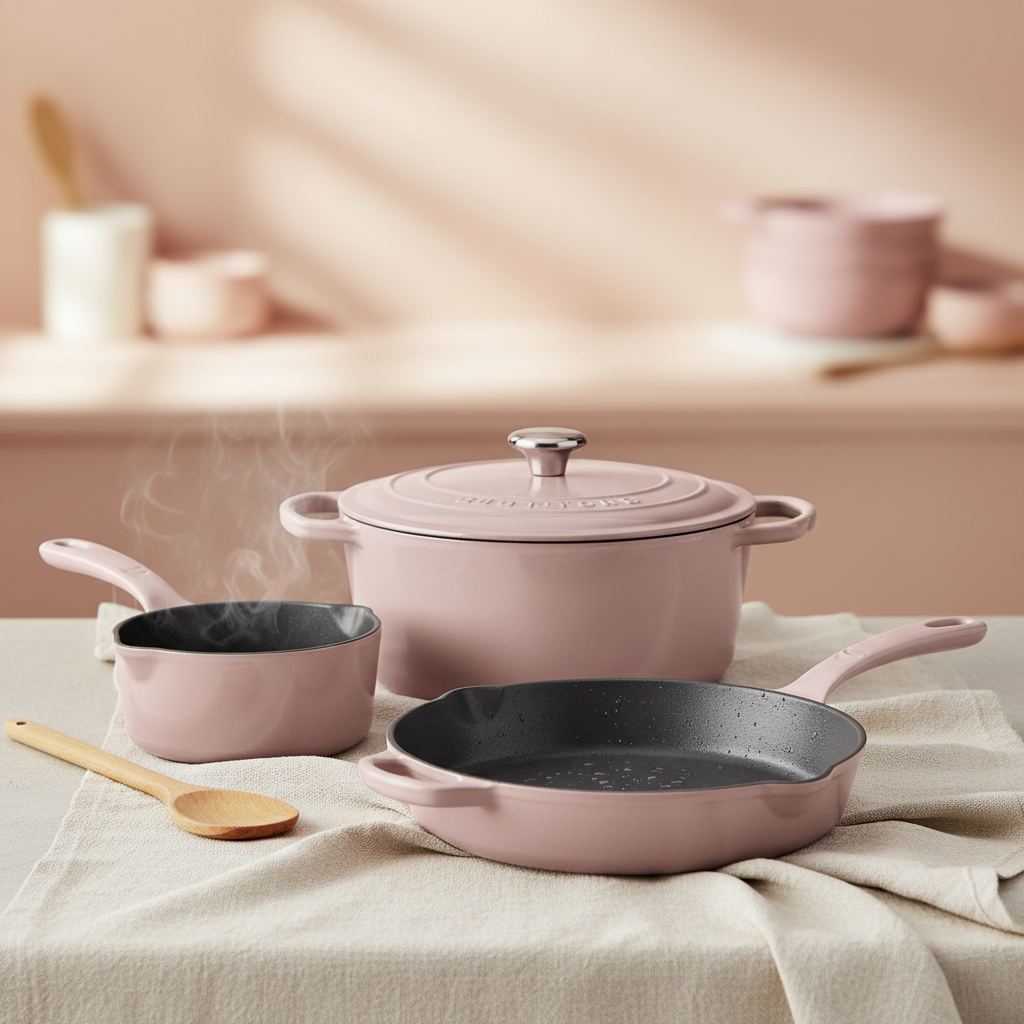
The allure of pink cast iron cookware extends beyond its aesthetic appeal; it represents a unique intersection of culinary tradition and modern design. Once solely associated with rustic, utilitarian kitchens, cast iron has experienced a remarkable renaissance, now embraced by home cooks and professional chefs alike. The introduction of pink enamel coatings has further broadened its appeal, attracting a new demographic and injecting a sense of fun and personality into a traditionally practical kitchen staple. This isn't just about a color; it’s about a reimagining of a classic.
The global market for cookware is booming, driven by increasing disposable incomes, a growing interest in home cooking, and the influence of culinary media. Within this market, cast iron is experiencing a particularly strong growth trajectory, fueled by its durability, versatility, and health benefits. Pink cast iron cookware, as a niche within this segment, caters to a demand for unique, visually appealing kitchenware. Market research indicates a growing preference for personalized kitchen tools, allowing consumers to express their individual styles.
Understanding pink cast iron cookware – its properties, benefits, and proper care – is crucial for both consumers and retailers. It's more than a trendy item; it's a potential heirloom, a versatile tool that can elevate the cooking experience and add a touch of joy to the heart of the home. This guide will delve into the intricacies of this delightful cookware, covering everything from its manufacturing process to its applications and future trends.
The Fundamentals of Pink Cast Iron Cookware
At its core, pink cast iron cookware maintains all the celebrated properties of traditional cast iron – exceptional heat retention, even heating, and incredible durability. However, the addition of a vibrant pink enamel coating distinguishes it, offering both aesthetic appeal and protection against rust. The enamel coating is typically composed of powdered glass fused onto the cast iron at high temperatures, creating a smooth, non-reactive cooking surface.
This combination of traditional functionality and modern design makes pink cast iron cookware a highly sought-after item. It’s suitable for a wide range of cooking techniques, from searing and frying to baking and slow-cooking, and can be used on various heat sources, including induction cooktops. The key is understanding its properties and applying proper care techniques.
Historical Context and Emergence of Pink Hues
Cast iron cookware has a rich history dating back centuries, with its origins in ancient China and its widespread adoption in Europe during the Middle Ages. For generations, it was primarily associated with dark, utilitarian aesthetics. The shift towards colorful enamel coatings began in the late 19th and early 20th centuries, initially with blues, creams, and reds, largely driven by manufacturers seeking to appeal to a broader consumer base.
The emergence of pink as a popular color for cast iron is a relatively recent phenomenon, gaining traction in the 21st century alongside broader trends in interior design and kitchen aesthetics. The rise of social media and influencer marketing has played a significant role in popularizing pink cast iron, as it visually stands out and aligns with contemporary design sensibilities. The color pink evokes feelings of warmth, comfort, and playfulness, attracting a new generation of cooks.
Today, pink cast iron cookware is seen as a statement piece, a blend of functionality and fashion that reflects the personality of the cook. It represents a departure from the traditionally masculine image of cast iron, broadening its appeal to a wider audience.
The Manufacturing Process of Pink Cast Iron Cookware
The manufacturing of pink cast iron cookware is a multi-stage process that begins with the creation of the cast iron base. This involves melting iron ore with other alloying elements in a furnace, then pouring the molten iron into molds shaped like pots, pans, or other cookware forms. Once cooled and solidified, the cast iron undergoes a series of finishing processes, including grinding and polishing to remove imperfections.
The key differentiating step is the application of the pink enamel coating. This involves spraying a layer of enamel slurry – a mixture of powdered glass, pigments, and binders – onto the cast iron surface. The slurry contains the specific pigments that create the desired pink hue. The coated cookware is then fired in a high-temperature kiln, where the enamel melts and fuses to the cast iron, forming a durable, non-reactive coating. Multiple layers of enamel may be applied to ensure even coverage and longevity.
Quality control is essential throughout the entire process, from the sourcing of raw materials to the final inspection of finished products. Manufacturers conduct rigorous tests to ensure the enamel coating is free of defects, such as pinholes or cracks, and that the cookware meets established standards for durability and performance.
Key Performance Indicators of Pink Cast Iron Cookware
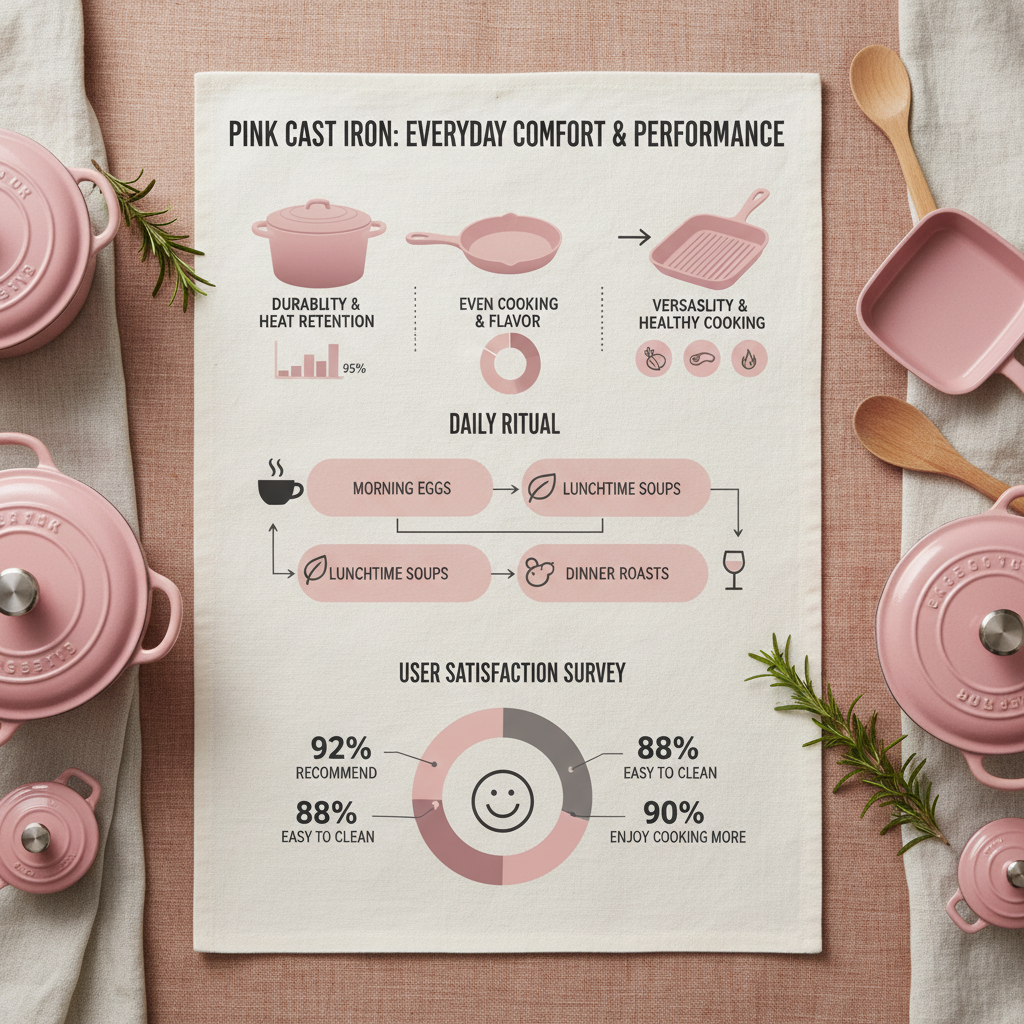
Evaluating the performance of pink cast iron cookware requires analyzing several key indicators. Heat retention is paramount, as cast iron’s ability to maintain consistent temperatures is a defining characteristic. Another important factor is heat distribution; quality cookware should avoid hotspots and ensure even cooking.
Furthermore, the durability of the enamel coating is critical – resistance to chipping, cracking, and staining directly impacts the lifespan of the cookware. Assessing the non-stick properties, particularly after seasoning, is also essential.
Pink Cast Iron Cookware Performance Ratings
Global Applications in Culinary Arts
Pink cast iron cookware is finding its place in kitchens around the globe, embraced by both home cooks and professional chefs. In France, it's valued for its ability to create perfectly seared meats and flavorful stews, aligning with the country's emphasis on traditional cooking techniques. In Japan, it’s incorporated into the preparation of various dishes, from tempura to simmered vegetables, prized for its even heating.
Across North America, the visually appealing nature of pink cast iron is driving its popularity in open-concept kitchens and as a centerpiece for tableside serving. Restaurants are also utilizing it for signature dishes, leveraging its aesthetic appeal to enhance the dining experience.
Advantages and Long-Term Value Proposition
The advantages of investing in pink cast iron cookware extend beyond its aesthetic qualities. Its exceptional durability means it can last for generations, becoming a cherished family heirloom. The heat retention properties translate to energy savings, as cookware stays hot longer, reducing the need for constant reheating.
Furthermore, well-maintained cast iron requires minimal oil for cooking, promoting healthier meal preparation. The aesthetic appeal adds a touch of joy and personality to the kitchen, enhancing the overall cooking experience. These combined benefits offer a strong long-term value proposition.
Future Innovations and Sustainability in Pink Cast Iron Cookware
Innovation in the realm of pink cast iron cookware is focused on enhancing both performance and sustainability. Research is underway to develop more durable and chip-resistant enamel coatings, utilizing eco-friendly materials and manufacturing processes.
Another area of development is the exploration of lighter-weight cast iron alloys, aiming to reduce the overall weight of the cookware without compromising its heat retention capabilities. Manufacturers are also exploring ways to reduce their carbon footprint through responsible sourcing of raw materials and energy-efficient production techniques.
The future of pink cast iron cookware lies in balancing tradition with innovation, creating cookware that is not only beautiful and functional but also environmentally responsible.
Summary of Key Factors Influencing Pink Cast Iron Cookware Longevity
| Enamel Coating Quality |
Maintenance Frequency |
Cooking Temperature Range |
Usage Intensity |
| High-quality enamel (8-10) |
Regular seasoning & gentle cleaning (7-9) |
Moderate temperatures (avoid extreme fluctuations) (7-8) |
Occasional use for special dishes (6-7) |
| Standard enamel (6-7) |
Infrequent seasoning & abrasive cleaning (4-6) |
High temperatures & rapid cooling (3-5) |
Daily use for all cooking methods (5-6) |
| Poor enamel (2-4) |
No seasoning or maintenance (1-2) |
Extreme temperatures & thermal shock (1-3) |
Rough handling and metal utensils (2-3) |
| Premium enamel with titanium reinforcement (9-10) |
Minimal seasoning required, easy cleaning (8-9) |
Wide temperature range, resistant to thermal shock (8-9) |
Frequent use, versatile cooking applications (7-8) |
| Enamel with minor imperfections (5-6) |
Occasional seasoning, careful cleaning (6-7) |
Moderate temperature range, avoid sudden changes (6-7) |
Moderate use, primarily for simmering and baking (6-7) |
| Recycled enamel materials (7-8) |
Eco-friendly cleaning practices (7-8) |
Optimized for energy efficiency (7-8) |
Sustainable cooking methods (7-8) |
FAQS
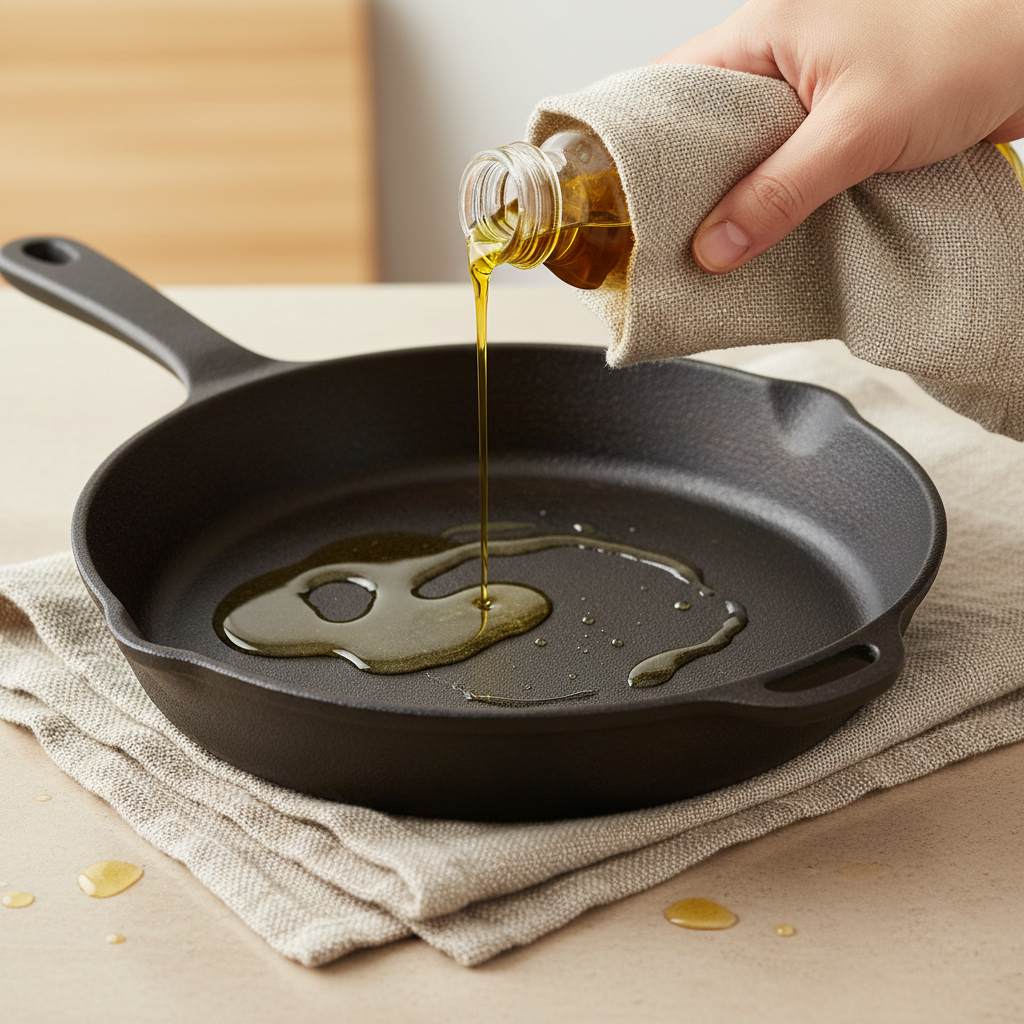
Seasoning pink cast iron cookware is similar to traditional cast iron. Start by washing the cookware with warm, soapy water and drying it thoroughly. Then, apply a very thin, even coat of cooking oil (such as vegetable or canola oil) to all surfaces, inside and out. Place the cookware upside down in a preheated oven at 350-400°F (175-200°C) for one hour. Let it cool completely in the oven. Repeat this process several times to build up a strong seasoning layer. This protects the enamel and creates a naturally non-stick surface.
While cast iron is durable, using metal utensils can potentially scratch or chip the enamel coating on pink cast iron cookware over time. It's generally recommended to use wooden, silicone, or nylon utensils to prolong the life of the enamel and prevent damage. Gentle use and careful handling are key to maintaining the cookware's appearance and performance.
It’s generally not recommended to put pink cast iron cookware in the dishwasher. The harsh detergents and high temperatures can damage the enamel coating, leading to chipping or fading. Hand washing with warm, soapy water is the best way to clean and maintain your pink cast iron cookware. Avoid abrasive cleaners, as these can also scratch the enamel.
For stubborn food stains, try simmering water with a tablespoon of baking soda in the cookware for 10-15 minutes. Gently scrub with a non-abrasive sponge or brush. If the stain persists, create a paste of baking soda and water and apply it to the stain, letting it sit for a few hours before scrubbing gently. Avoid using harsh abrasive cleaners, as they can damage the enamel.
Pink cast iron cookware is generally safe for high-heat cooking, but it’s best to avoid extreme temperature fluctuations. Rapid heating or cooling can cause thermal shock and potentially damage the enamel coating. Preheat the cookware gradually, and allow it to cool down slowly after use. Avoid placing a hot pan directly into cold water.
The enamel coating on cast iron provides several key benefits. It prevents rusting, eliminates the need for frequent seasoning, and creates a non-reactive cooking surface, making it safe for cooking acidic foods. The enamel also makes the cookware easier to clean and enhances its aesthetic appeal. In the case of pink cast iron, it brings a stylish and modern look to a traditionally rustic cookware item.
Conclusion
In conclusion, pink cast iron cookware represents a delightful fusion of tradition, style, and functionality. Its exceptional heat retention, durability, and non-reactive cooking surface, coupled with its eye-catching aesthetic, make it a valuable addition to any kitchen. From its historical roots to its contemporary appeal, this cookware continues to evolve and inspire cooks around the globe.
Looking ahead, continued innovation in enamel coatings and manufacturing processes will enhance the sustainability and performance of pink cast iron cookware. By embracing eco-friendly materials and responsible production practices, manufacturers can ensure that this beloved cookware remains a cherished kitchen staple for generations to come. Visit our website at www.hapichefcastiron.com.com to explore our collection and discover the joy of cooking with pink cast iron.