Non stick cast iron cookware is rapidly gaining prominence in kitchens worldwide, driven by a desire for healthier cooking options, superior durability, and ease of maintenance. This isn’t simply a resurgence of a classic; it’s an evolution. Modern manufacturing techniques are combining the time-tested benefits of cast iron – exceptional heat retention and even heating – with innovative non-stick coatings, resolving the traditional issues of seasoning and sticking. As a result, non stick cast iron cookware is becoming a staple for both professional chefs and home cooks alike.
The global market for cookware is substantial, with increasing demand for premium, long-lasting products. According to recent reports, the global cookware market size was valued at USD 16.5 billion in 2023 and is projected to reach USD 22.3 billion by 2030, registering a CAGR of 4.5% from 2024 to 2030. This growth is fueled by changing lifestyles, increased disposable incomes, and a growing focus on healthy eating. Non stick cast iron cookware directly addresses consumer concerns regarding the potential health risks associated with some traditional non-stick coatings, offering a safer and more sustainable alternative.
Understanding the nuances of non stick cast iron cookware – from the materials used in its construction to the best practices for its care – is crucial for maximizing its lifespan and reaping its full benefits. It represents a fusion of traditional craftsmanship and cutting-edge technology, resulting in a cooking experience that is both enjoyable and efficient.
The Evolution and Global Impact of non stick cast iron cookware
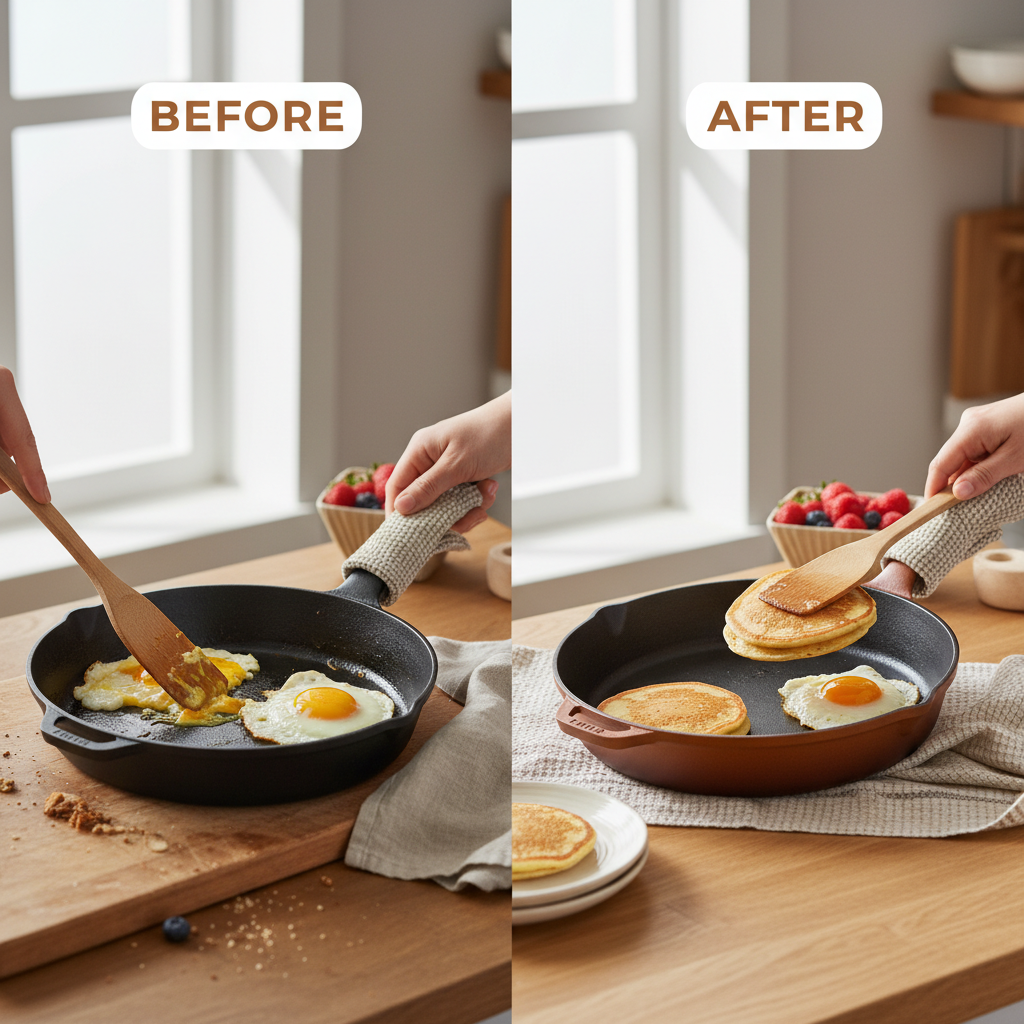
Historically, cast iron cookware required meticulous seasoning to prevent food from sticking and rusting. While this process imparts flavor and creates a naturally non-stick surface over time, it also demands significant effort and knowledge. The advent of modern non-stick coatings, such as PTFE (Teflon) and ceramic coatings, has transformed cast iron cookware, eliminating the need for extensive seasoning and offering superior non-stick performance. This has broadened the appeal of non stick cast iron cookware to a wider audience.
This evolution isn't limited to home kitchens. Commercial restaurants, food trucks, and catering services are increasingly adopting non stick cast iron for its efficiency, ease of cleaning, and consistent results. The global cookware market is responding with a surge in innovative designs and materials, catering to both the professional and amateur culinary landscape. The demand is highest in regions with strong culinary traditions and a growing emphasis on healthy eating, such as Europe, North America, and parts of Asia.
Defining non stick cast iron cookware
Non stick cast iron cookware refers to cast iron pots, pans, and skillets that have been treated with a non-stick coating. Traditional cast iron requires seasoning – a process of repeatedly coating with oil and heating – to create a naturally non-stick surface. However, non stick cast iron eliminates this need through the application of synthetic coatings, most commonly PTFE (Polytetrafluoroethylene), often known by the brand name Teflon, or ceramic-based coatings.
This isn’t simply applying a coating to cast iron; it’s a carefully engineered process. The coating must adhere strongly to the porous surface of the cast iron, withstand high temperatures, and remain durable over extended use. The integration of these coatings elevates cast iron’s usability, making it a versatile option for a wider variety of cooking techniques, from searing and frying to baking and simmering.
The connection to modern industry lies in material science and manufacturing precision. The creation of durable, food-safe non-stick coatings requires significant research and development, and the application process demands strict quality control. This type of cookware bridges the gap between traditional cooking methods and advanced materials technology.
Core Components and Characteristics
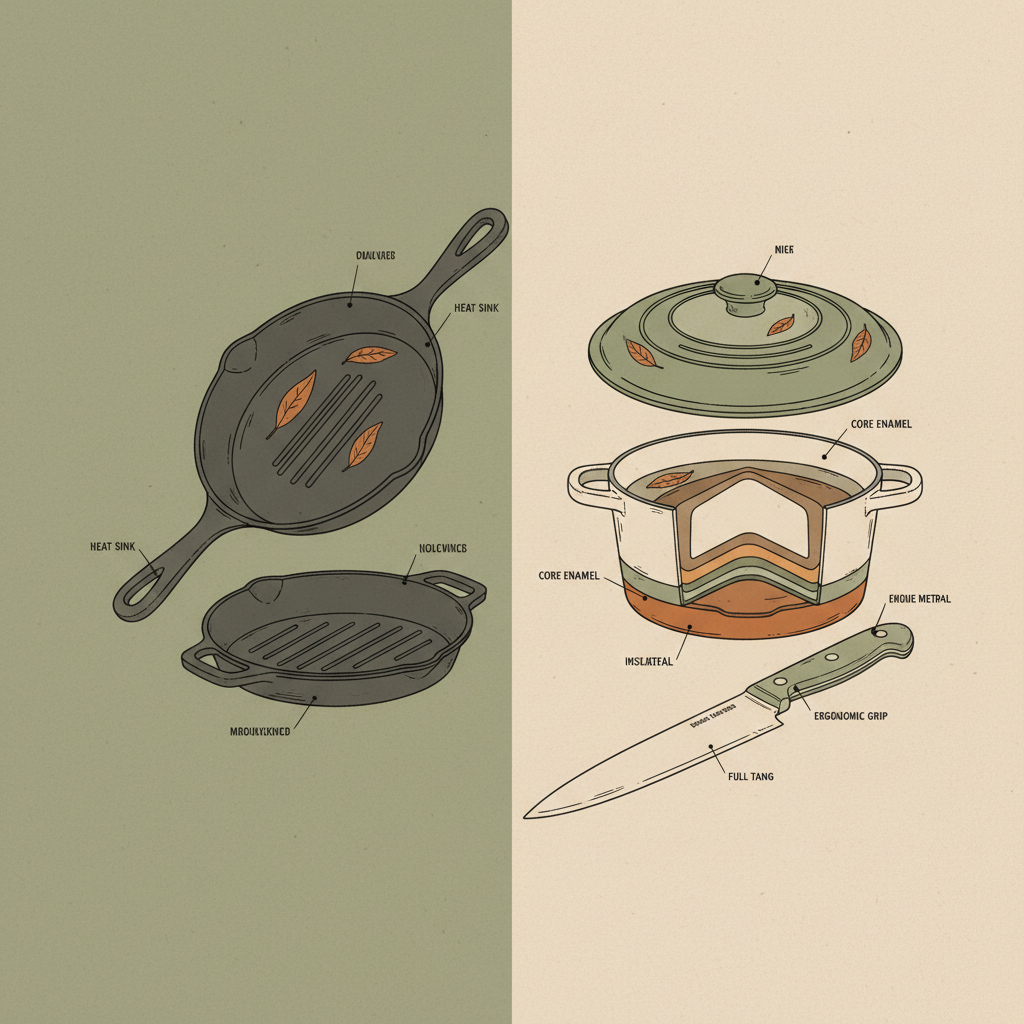
Several key components define the quality and performance of non stick cast iron cookware. The base material, cast iron, provides excellent heat retention and even distribution. The type of non-stick coating is critical – PTFE coatings are known for their superior non-stick properties but have faced scrutiny regarding potential health concerns at extremely high temperatures. Ceramic coatings offer a more eco-friendly alternative, though they may not be as durable.
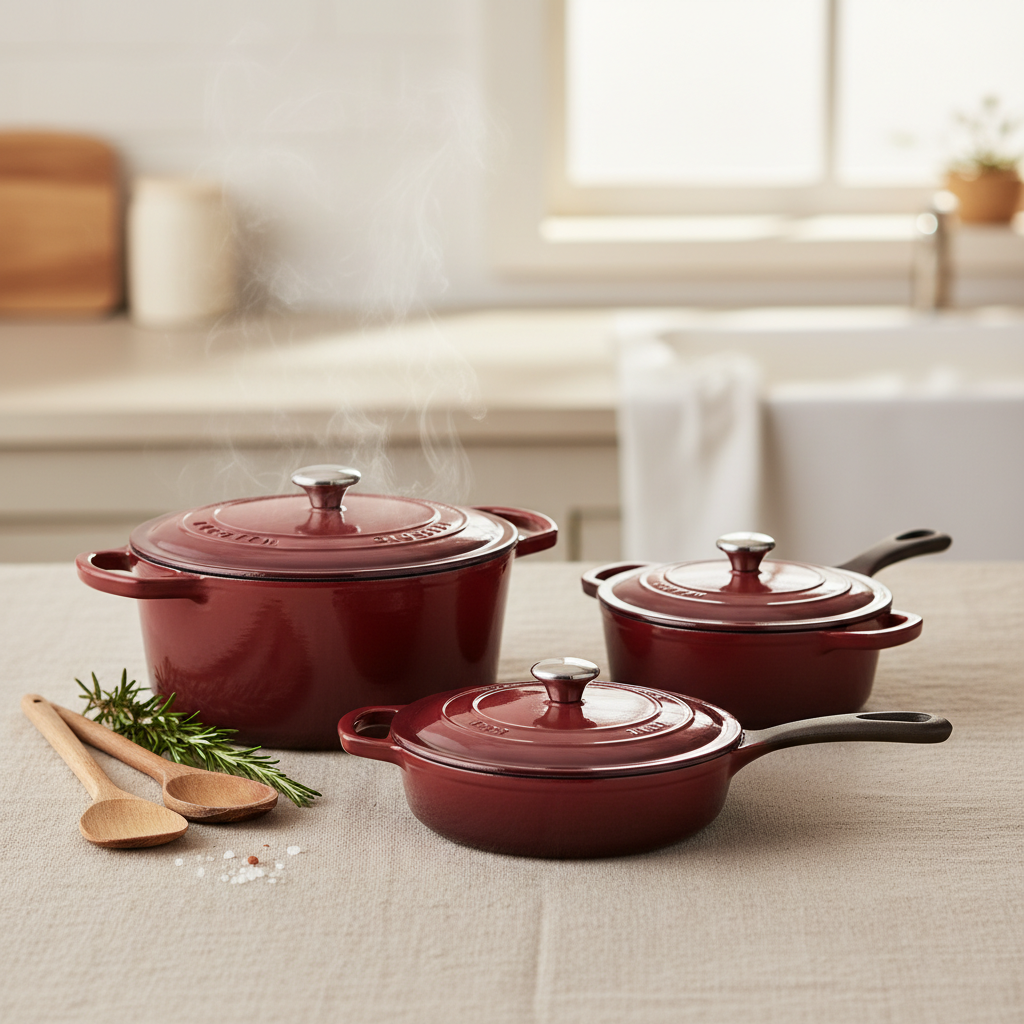
The construction of the cookware also plays a significant role. Thicker cast iron provides more even heating and stability, while enameled cast iron offers additional protection against rust and corrosion. Handle design is another crucial factor – ergonomic handles that remain cool to the touch enhance safety and comfort. The combination of these elements determines the overall usability and longevity of the non stick cast iron cookware.
Furthermore, the manufacturing process – from the initial casting of the iron to the application of the coating – significantly impacts the final product. Quality control measures at each stage ensure the cookware meets safety and performance standards. Well-made non stick cast iron cookware will exhibit a smooth, even coating, a robust construction, and a comfortable handle design.
Durability and Performance Analysis of non stick cast iron cookware
Durability is a cornerstone of cast iron’s appeal, and non stick versions maintain this strength. While the non-stick coating itself is susceptible to wear and tear, the underlying cast iron body remains exceptionally robust. With proper care, a well-maintained piece of non stick cast iron cookware can last for decades.
Performance-wise, non stick cast iron excels in versatility. It can be used on various heat sources – gas, electric, induction, and even over open flames. Its exceptional heat retention makes it ideal for searing meats, achieving a perfect crust, and maintaining consistent temperatures for slow cooking.
Performance Metrics of Different non stick cast iron cookware Coatings
Global Applications and Market Presence
The versatility of non stick cast iron cookware translates into its widespread application across diverse culinary landscapes. In North America and Europe, it’s a staple in home kitchens, prized for its durability and ease of use. Professional chefs in these regions frequently utilize it for searing steaks, braising meats, and baking.
In Asia, particularly in countries like Japan and Korea, where cast iron cooking traditions are strong, non stick cast iron is gaining popularity for its convenience and ability to replicate the flavors achieved with traditional seasoned cast iron. In South America, it’s embraced for its ability to withstand the high heat of wood-fired stoves and open flame cooking.
Beyond domestic use, non stick cast iron cookware is increasingly employed in commercial settings, such as restaurants, food trucks, and catering services worldwide. This is due to its ability to maintain consistent temperatures, withstand heavy use, and simplify cleaning processes.
Advantages and Long-Term Value Proposition
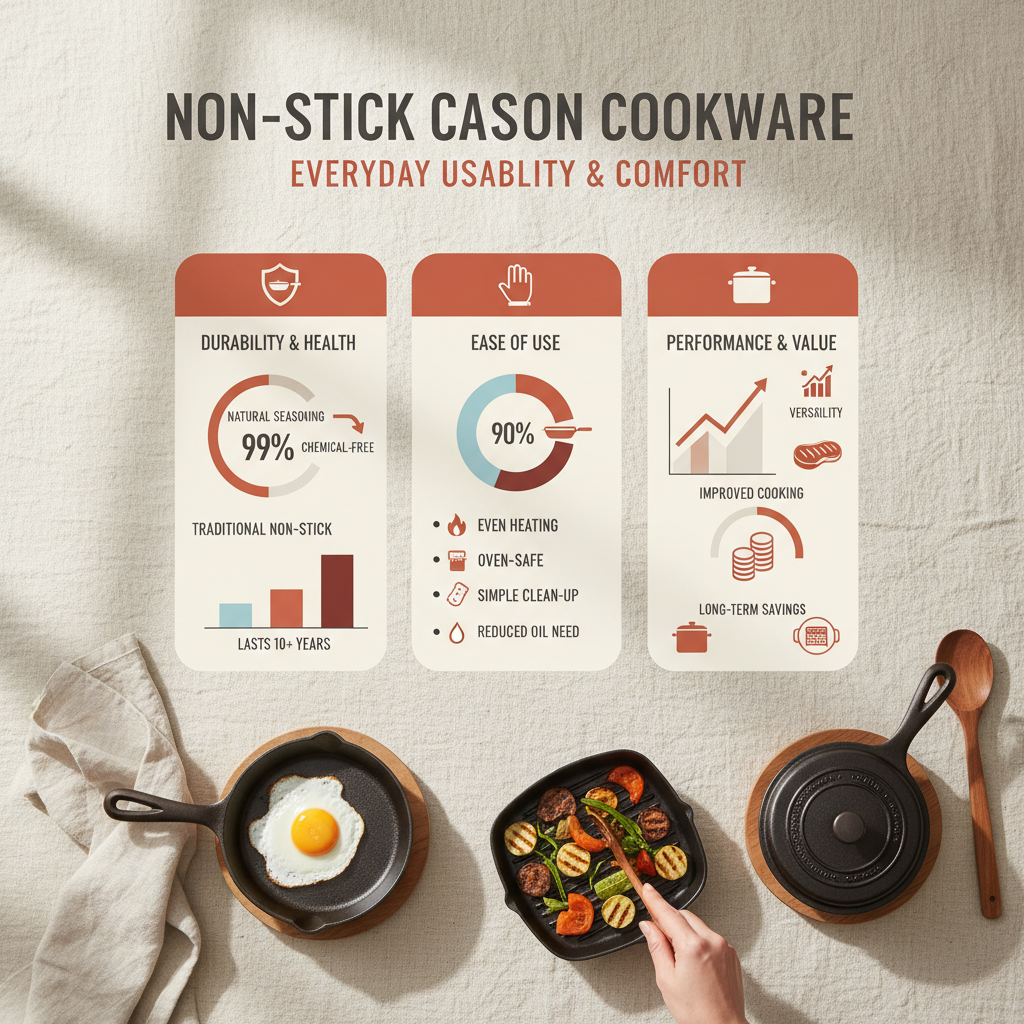
The advantages of non stick cast iron cookware are numerous. Firstly, it offers exceptional heat retention and distribution, leading to even cooking and superior results. Secondly, the non-stick coating minimizes the need for oil, promoting healthier cooking. Thirdly, it’s incredibly durable, potentially lasting a lifetime with proper care. Finally, it’s remarkably versatile, suitable for a wide range of cooking techniques.
The long-term value proposition is compelling. While the initial investment may be higher than that of some other cookware options, the longevity and versatility of non stick cast iron translate into significant cost savings over time. Moreover, its durability reduces the need for frequent replacements, contributing to a more sustainable lifestyle. The emotional benefit of owning a high-quality, reliable piece of cookware that can be passed down through generations further enhances its value.
Future Trends and Innovations in non stick cast iron cookware
The future of non stick cast iron cookware is focused on sustainability and enhanced performance. We’re seeing a growing trend toward ceramic-based coatings that are free of PTFE and PFOA, addressing health concerns and promoting eco-friendliness. Manufacturers are also exploring innovative surface treatments that enhance non-stick properties and improve durability.
Digital integration is another emerging trend. Smart cookware with embedded sensors that monitor temperature and cooking time is on the horizon. Automation in the manufacturing process is also increasing efficiency and reducing production costs. Further research into new materials and coating technologies will continue to drive innovation in this space.
The increasing consumer demand for sustainable and healthy cooking options will further accelerate the adoption of eco-friendly non stick cast iron cookware. Expect to see continued refinements in coating materials, handle designs, and overall cookware construction, all aimed at enhancing the user experience and extending the lifespan of these valuable kitchen tools.
Summary of Challenges and Potential Solutions for non stick cast iron cookware
| Challenge |
Impact on Consumer |
Potential Solution |
Implementation Cost (1-10) |
| Coating Degradation Over Time |
Reduced Non-Stick Performance, Food Sticking |
Development of more durable coating materials (e.g., diamond-infused) |
7 |
| Potential Health Concerns (PTFE) |
Consumer Anxiety, Demand for Safer Alternatives |
Increased Use of Ceramic and Other PTFE-Free Coatings |
6 |
| Uneven Heat Distribution |
Inconsistent Cooking Results, Hot Spots |
Optimized Base Thickness and Material Composition |
5 |
| Handle Heat Transfer |
Discomfort and Potential Burns |
Improved Handle Design with Heat-Resistant Materials |
4 |
| Weight of Cast Iron |
Difficulty Handling, Especially for Some Users |
Ergonomic Handle Designs and Lighter-Weight Cast Iron Alloys |
6 |
| Cleaning and Maintenance |
Requires Gentle Cleaning to Preserve Coating |
Clearer Cleaning Instructions and Development of More Scratch-Resistant Coatings |
3 |
FAQS
To maintain the non-stick surface, hand wash your cookware with warm, soapy water and a soft sponge. Avoid abrasive cleaners or scrub brushes, as these can damage the coating. For stubborn food residue, soak the pan in warm water before washing. Dishwasher use is generally not recommended, as the harsh detergents can degrade the non-stick properties over time. Proper cleaning is essential for extending the life of your non stick cast iron cookware.
While cast iron itself is robust, the non-stick coating is susceptible to scratches. Therefore, it’s best to avoid using metal utensils directly on the surface. Opt for silicone, nylon, or wooden utensils to prevent damage. Gentle stirring and lifting are key. Scratches, while initially cosmetic, can eventually lead to the coating breaking down and losing its non-stick properties.
Modern non stick cast iron cookware uses coatings that are considered safe for food contact. However, some older cookware may contain PFOA, a chemical that was previously used in the manufacturing process. Look for cookware labeled “PFOA-free” to ensure safety. Avoid overheating the pan, as extremely high temperatures can cause the coating to release fumes. With proper use and care, non stick cast iron cookware is a safe and healthy cooking option.
Unlike traditional cast iron, non stick cast iron generally doesn’t require seasoning. The non-stick coating provides the necessary surface to prevent food from sticking. However, occasionally lightly coating the pan with oil after washing can help maintain its condition. Avoid using abrasive cleaners, as they can strip away the coating. Essentially, the maintenance is far simpler compared to traditional, seasoned cast iron.
Whether or not non stick cast iron cookware is induction-compatible depends on the specific model. Check the manufacturer’s specifications to confirm. Cast iron is naturally magnetic, but the non-stick coating and any enamel layers can sometimes interfere with the induction process. Look for cookware specifically labeled as "induction-ready" to ensure compatibility.
The lifespan of a non stick cast iron pan varies depending on usage and care. With proper maintenance – gentle cleaning, avoiding metal utensils, and not overheating – a well-made pan can last for several years, often 5-10 years or more. Eventually, the non-stick coating will degrade over time, but the cast iron base will remain usable. The quality of the initial coating significantly impacts longevity.
Conclusion
Non stick cast iron cookware represents a remarkable fusion of tradition and innovation, offering a compelling combination of durability, versatility, and ease of use. Its growing popularity is a testament to its ability to address modern cooking needs and preferences. From its robust heat retention to its simplified cleaning process, non stick cast iron cookware elevates the culinary experience.
Looking ahead, advancements in coating technology and sustainable manufacturing practices will further enhance the appeal of this cookware. By embracing these innovations, we can ensure that non stick cast iron continues to be a staple in kitchens worldwide for generations to come. Visit our website at www.hapichefcastiron.com.com to explore our range of high-quality non stick cast iron cookware and discover the difference it can make in your kitchen.