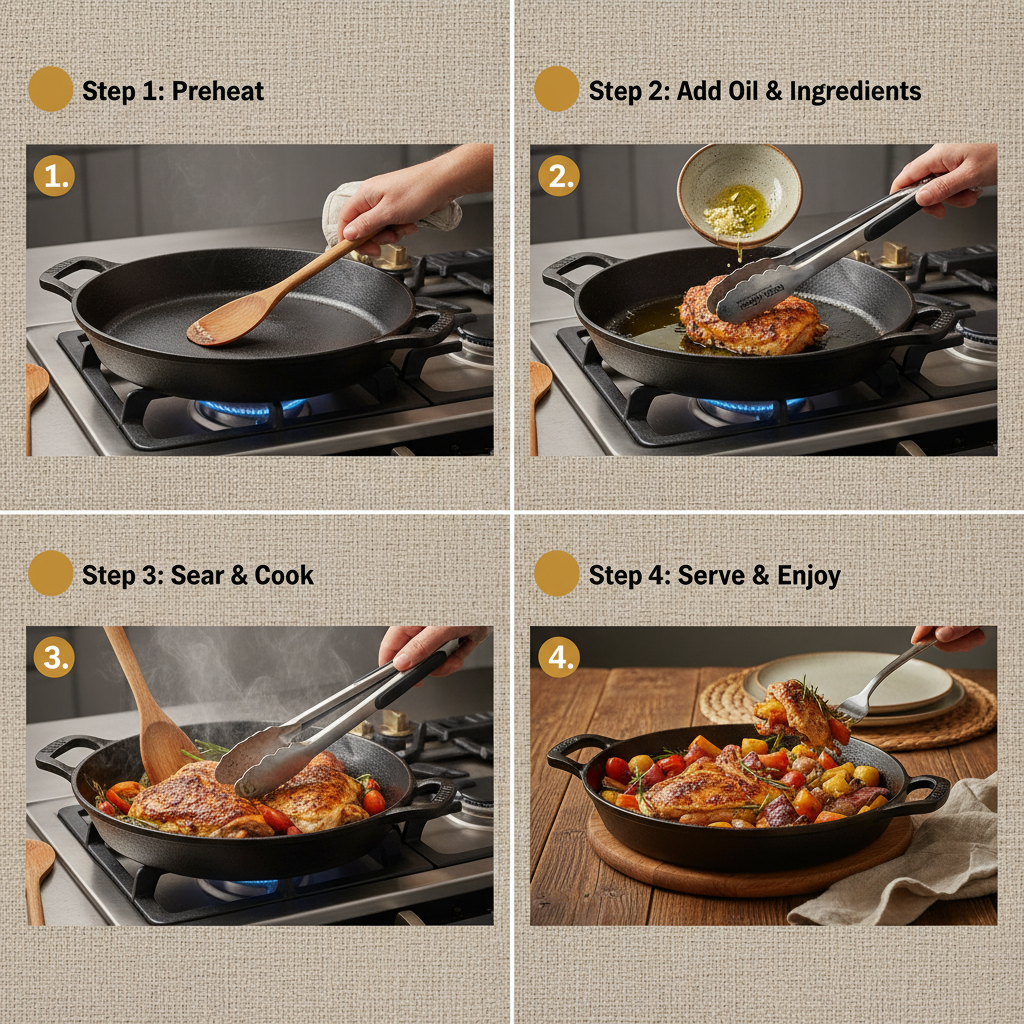
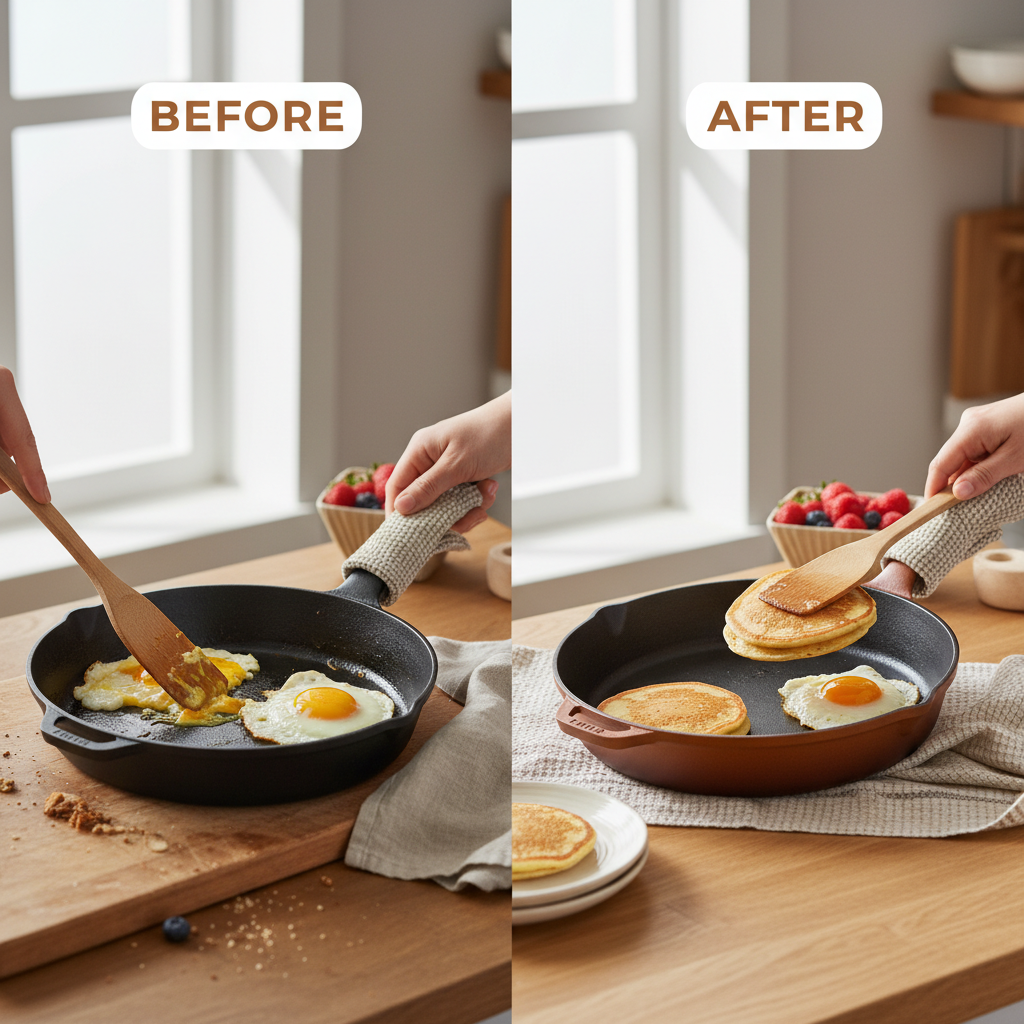
The cast iron skillet stands as a testament to enduring culinary technology, a kitchen staple that transcends generations and cultures. From humble beginnings as a practical cooking vessel, it has evolved into a symbol of robust cooking, versatile functionality, and a connection to culinary traditions. Understanding the nuances of the cast iron skillet—its properties, care, and applications—empowers home cooks and professional chefs alike to unlock a world of flavorful possibilities. Its global prevalence underscores its importance as a fundamental tool in cuisines worldwide.
The increasing demand for durable and versatile cookware has fueled a resurgence in the popularity of the cast iron skillet. According to a report by the National Kitchen & Bath Association (NKBA), consumers are increasingly prioritizing kitchen investments that offer long-term value and sustainability. This trend aligns perfectly with the inherent qualities of cast iron, which, with proper care, can last for centuries. Simultaneously, the growing emphasis on slow cooking and artisanal food preparation is further driving demand for this classic cookware. The challenge lies in educating consumers about proper seasoning and maintenance to maximize the skillet’s lifespan and performance.
The cast iron skillet's enduring appeal isn't merely nostalgic; it's rooted in its superior heat retention, even heating properties, and unmatched versatility. It’s a cookware solution favored by both seasoned professionals and enthusiastic home cooks, offering a unique cooking experience that is difficult to replicate with modern alternatives. Its ability to move seamlessly from stovetop to oven, and even to campfire, speaks to its adaptability.
The Enduring Legacy of cast iron skillet
The history of the cast iron skillet stretches back centuries, with its origins traceable to ancient China and subsequently adopted by European blacksmiths. These early versions were crude yet functional, providing a durable and effective means of cooking over open flames. Over time, advancements in metallurgy and manufacturing techniques led to more refined designs and widespread availability.
Throughout the American frontier, the cast iron skillet became an indispensable tool for settlers and cowboys, valued for its ability to withstand the rigors of outdoor cooking and provide nourishing meals. This historical association has solidified its place in American culinary culture, representing a sense of self-reliance and rustic authenticity.
Defining the cast iron skillet
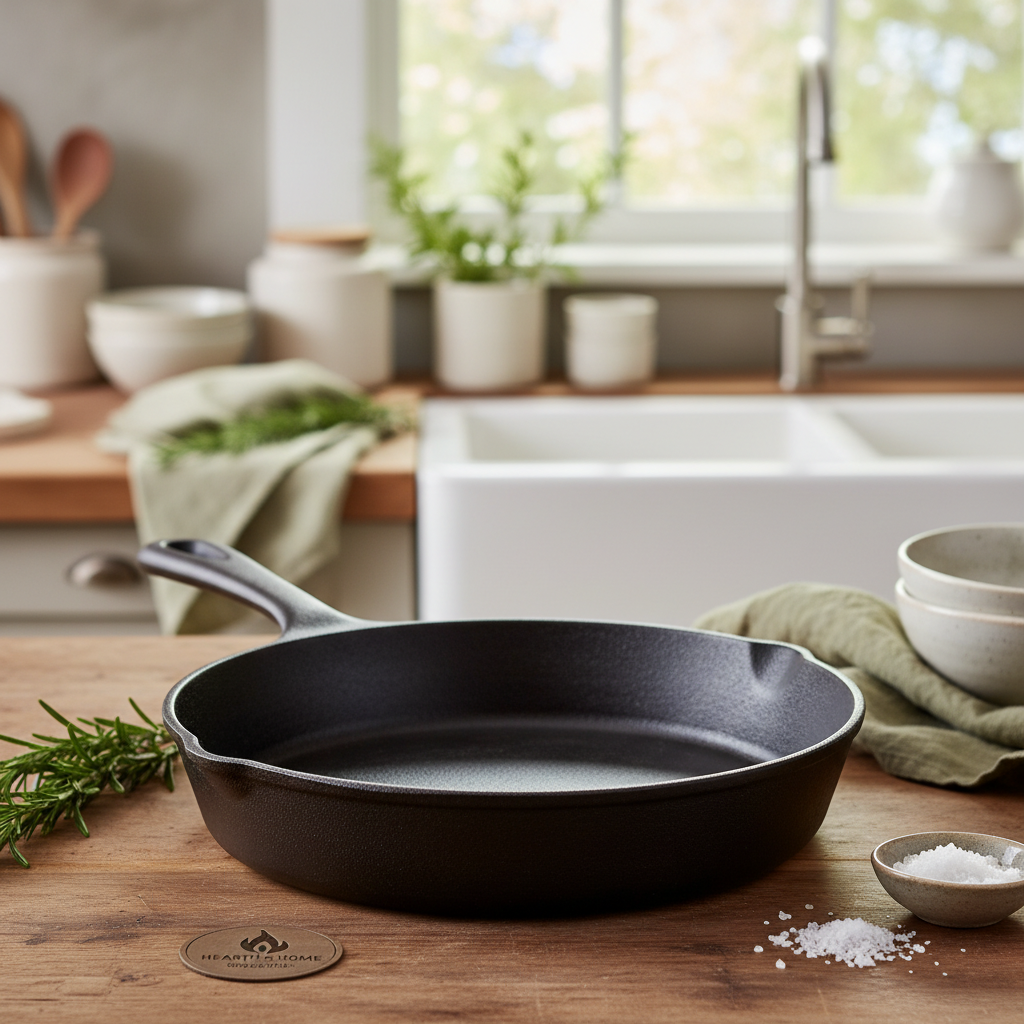
A cast iron skillet is a cooking pan made from cast iron, an alloy of iron with a high carbon content. This composition gives it exceptional heat retention capabilities, allowing it to maintain consistent temperatures even during prolonged cooking. The skillet’s inherent density also contributes to even heat distribution, minimizing hot spots and ensuring uniform results.
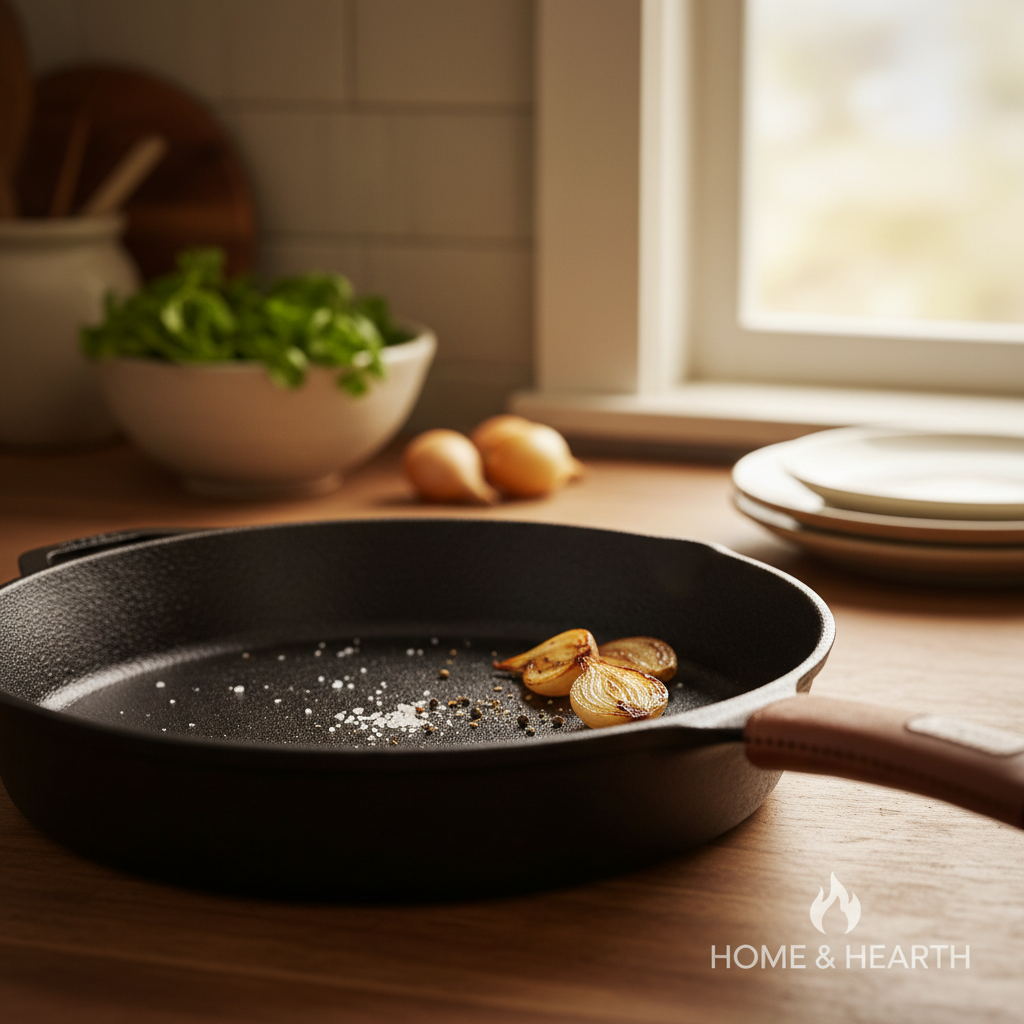
Unlike many modern cookware materials, cast iron improves with age and use. Through a process called seasoning – repeatedly coating the surface with oil and heating it – a natural, non-stick patina develops. This seasoned surface not only prevents food from sticking but also protects the iron from rust, increasing its longevity.
The skillet's connection to modern industry extends beyond the kitchen. The principles of metallurgy used in its production influence broader manufacturing processes. Moreover, the skillet represents a tangible link to traditional craftsmanship, offering a counterbalance to the increasingly automated world of modern production.
Key Characteristics of cast iron skillet
Durability is perhaps the most defining characteristic of a cast iron skillet. Properly maintained, it can last for generations, becoming a cherished heirloom passed down through families. This longevity contrasts sharply with the shorter lifespan of many other cookware options, reducing the need for frequent replacements.
Heat retention is another crucial attribute. The dense structure of cast iron allows it to store and distribute heat evenly, making it ideal for searing, frying, and baking. This consistent temperature control leads to superior cooking results, especially when preparing dishes that require precise heat management.
Versatility is a hallmark of the cast iron skillet. It can be used on a variety of cooktops (gas, electric, induction), in the oven, and even over an open campfire. This adaptability makes it a valuable asset for any kitchen, regardless of cooking style or environment.
Versatility in Culinary Applications
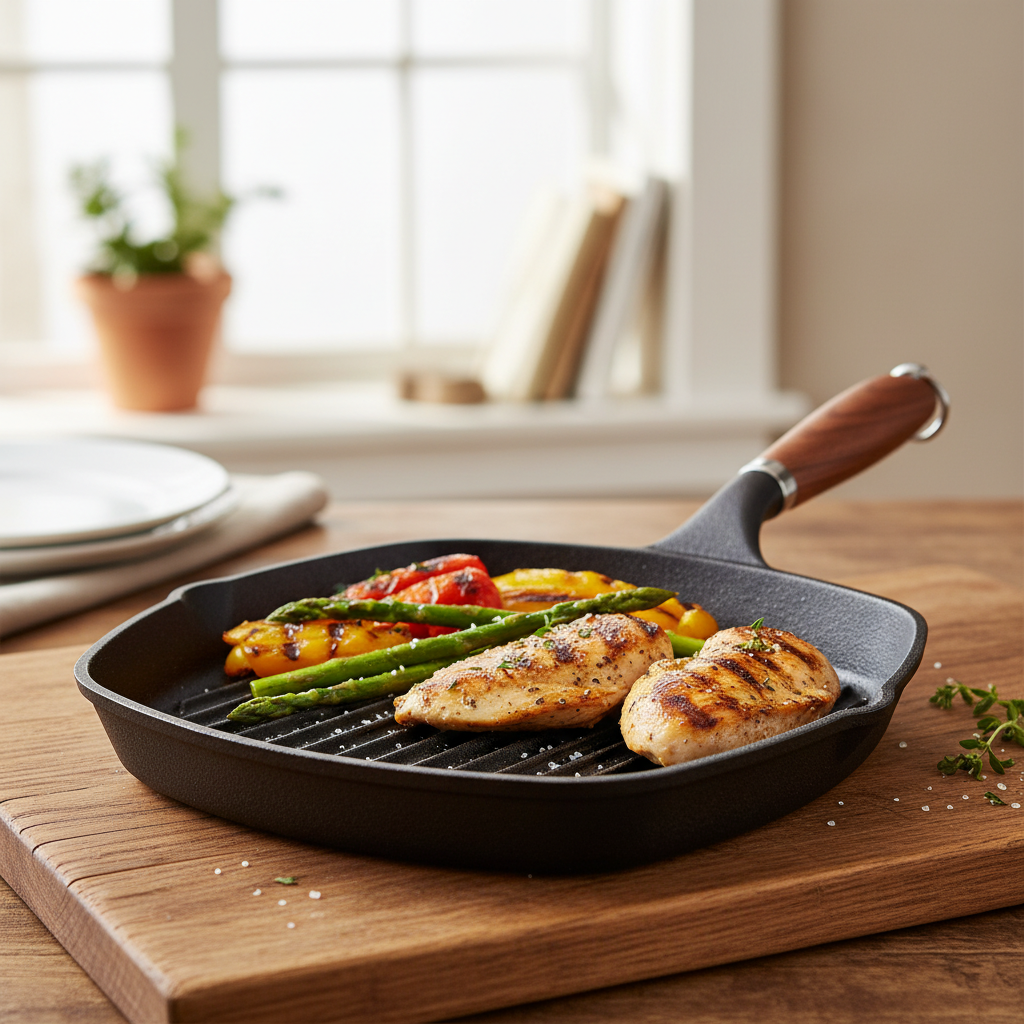
The cast iron skillet excels at high-heat cooking techniques like searing, where its exceptional heat retention creates a beautiful crust on meats and vegetables. It's also ideal for slow-cooking stews and braises, as its even heat distribution prevents scorching and ensures tender results.
Beyond savory dishes, the cast iron skillet can be used to bake everything from cornbread and cobblers to cakes and cookies. Its ability to maintain consistent temperatures results in evenly baked goods with golden-brown exteriors.
cast iron skillet Performance Across Cooking Methods
Global Adoption and Regional Variations
The cast iron skillet enjoys widespread popularity across diverse culinary traditions. In the Southern United States, it is a cornerstone of soul food cooking, used for everything from fried chicken to cornbread. In France, it is favored for preparing coq au vin and other rustic dishes.
In Japan, smaller cast iron skillets known as chawan are used for preparing individual portions of dishes like tamagoyaki (rolled omelet). In Scandinavian countries, cast iron is often used for baking traditional breads and pastries. These regional variations demonstrate the skillet’s adaptability to local ingredients and cooking styles.
Long-Term Value and Sustainable Cooking
Investing in a cast iron skillet is an investment in sustainability. Its exceptional durability means it can last for decades, reducing the need for frequent replacements and minimizing waste. Unlike non-stick cookware, which often contains harmful chemicals like PTFE, cast iron is a natural material that doesn’t leach toxins into food.
Furthermore, the skillet’s ability to retain heat reduces energy consumption during cooking. By maintaining consistent temperatures, it minimizes the need for prolonged cooking times, saving both time and resources. The emotional connection formed with a well-seasoned skillet also contributes to a more mindful and satisfying cooking experience.
The long-term reliability of cast iron fosters a sense of trust and stability in the kitchen, becoming a reliable companion for culinary exploration.
Future Trends and Innovations in cast iron skillet
While the fundamental design of the cast iron skillet has remained largely unchanged for centuries, recent innovations are enhancing its functionality and accessibility. Manufacturers are exploring lighter-weight alloys and ergonomic handle designs to improve ease of use.
The integration of smart technology is also on the horizon, with potential for cast iron skillets equipped with temperature sensors and connectivity to mobile apps. These features could provide real-time cooking data and guidance, helping users achieve optimal results.
Sustainability is also driving innovation, with a growing focus on using recycled materials in the production process. The emphasis on sustainable practices reinforces the skillet’s position as a responsible and enduring culinary tool.
Key Attributes of Modern cast iron skillet Development
| Material Composition |
Ergonomic Features |
Smart Technology Integration |
Sustainability Practices |
| Percentage of recycled iron used |
Handle comfort rating (1-10) |
Presence of temperature sensors (Yes/No) |
Water usage reduction in production (%) |
| Carbon content optimization for heat retention |
Weight reduction compared to traditional skillets (%) |
Connectivity to mobile apps (Yes/No) |
Use of eco-friendly packaging materials |
| Alloy composition for improved durability |
Handle heat dissipation effectiveness (1-10) |
Automated cooking program availability |
Carbon footprint reduction in manufacturing |
| Iron source traceability and certification |
Grip ergonomics and safety features |
Real-time temperature monitoring accuracy |
Waste reduction and recycling initiatives |
| Manufacturing process efficiency improvements |
Handle material durability and longevity |
Data privacy and security measures |
Ethical sourcing of materials |
| Cost-effectiveness of material sourcing |
Handle design for optimal balance |
User interface simplicity and intuitiveness |
Compliance with environmental regulations |
FAQS
Seasoning a cast iron skillet involves coating it with a thin layer of oil (flaxseed, vegetable, or canola work well) and baking it upside down in the oven at a high temperature (around 450-500°F) for an hour. Repeat this process several times to build up a durable, non-stick patina. Proper seasoning protects against rust and enhances the skillet's cooking performance. Avoid using dish soap, as it can strip the seasoning.
No, you should absolutely avoid putting your cast iron skillet in the dishwasher. The harsh detergents and prolonged exposure to water will strip away the seasoning, leading to rust and a loss of its non-stick properties. Handwashing with warm water and a gentle sponge is the recommended method.
If your cast iron skillet develops rust, you can remove it with steel wool or a scouring pad. After removing the rust, wash the skillet, dry it thoroughly, and re-season it following the steps mentioned above. Preventing rust through proper seasoning and drying is key to maintaining your skillet's condition.
The cast iron skillet is incredibly versatile! It excels at searing meats, frying chicken, baking cornbread, making pizzas, and simmering stews. Its heat retention and even heating make it perfect for dishes that require consistent temperatures and a crispy crust.
Yes, you can use metal utensils in your cast iron skillet, but be mindful. While the seasoning is durable, aggressive scraping with metal utensils can gradually wear it down over time. Gentle use with metal utensils is generally fine, but consider using silicone or wooden utensils for more delicate tasks.
Cooking acidic foods like tomatoes in a cast iron skillet for extended periods can potentially impart a metallic taste and break down the seasoning. Short cooking times are usually fine, but for long-simmering tomato sauces, consider using another type of cookware to prevent flavor alteration.
Conclusion
The cast iron skillet, far from being a relic of the past, remains a vital and versatile tool in modern kitchens. Its enduring qualities—durability, heat retention, and versatility—make it a sustainable and reliable choice for cooks of all levels. From searing steaks to baking pies, it consistently delivers exceptional results, fostering a deeper connection to the art of cooking.
Looking ahead, continued innovation in materials and design promises to enhance the cast iron skillet’s accessibility and functionality. By embracing sustainable practices and exploring smart technology integration, we can ensure that this iconic cookware piece continues to thrive for generations to come. Visit our website at www.hapichefcastiron.com.com to explore our selection of high-quality cast iron skillets and accessories.