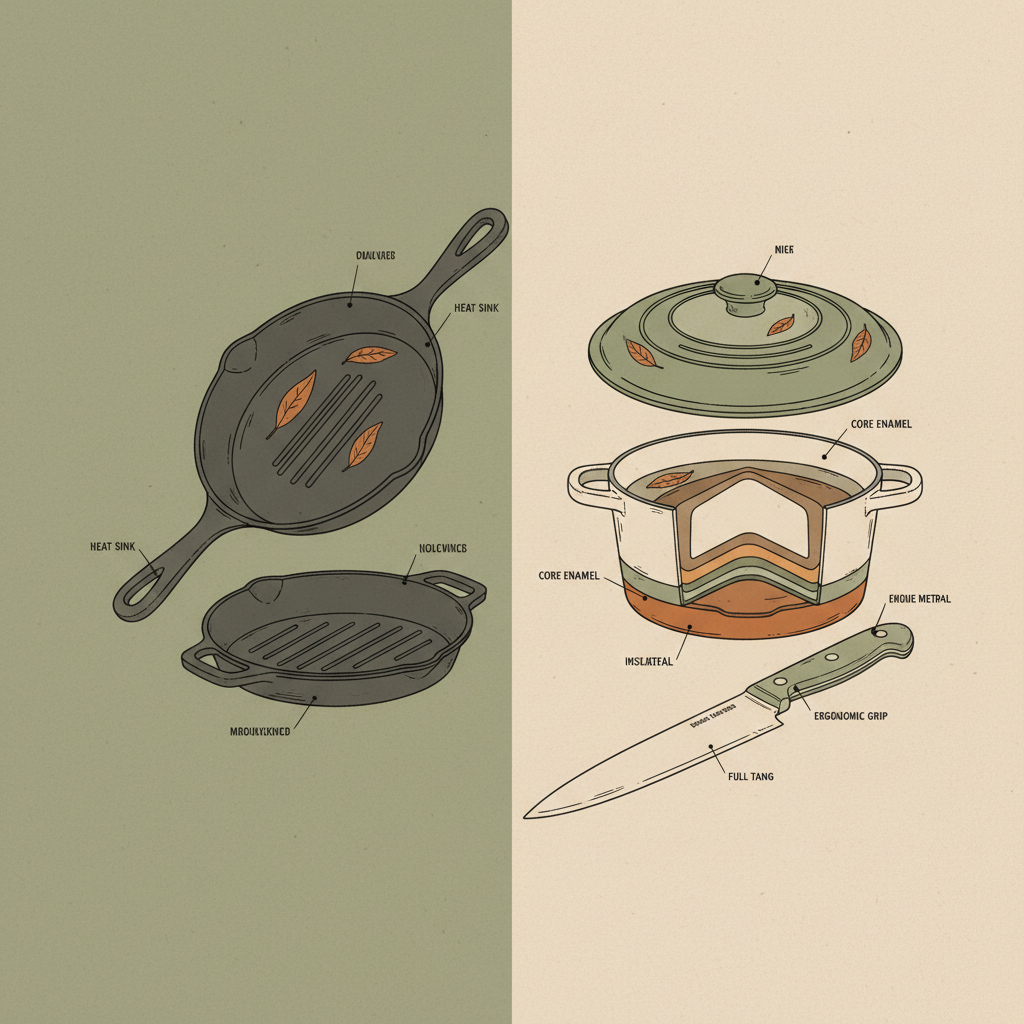
Kitchenware, encompassing the tools, devices, and equipment used in food preparation and cooking, is a cornerstone of human civilization. From the simplest stone tools to modern, technologically advanced appliances, kitchenware has evolved alongside our culinary practices and dietary needs. Its significance extends beyond the domestic sphere, impacting industries like hospitality, healthcare, and even scientific research. Understanding kitchenware – its materials, functionalities, and trends – is crucial for optimizing food systems, enhancing culinary experiences, and addressing global challenges related to food security and nutrition.
The global kitchenware market is a multi-billion dollar industry, experiencing consistent growth driven by factors like increasing disposable incomes, urbanization, and a rising interest in cooking and home entertainment. Reports from organizations like the UN and the World Bank highlight the importance of efficient food preparation and storage, particularly in developing nations, where access to quality kitchenware can significantly reduce food waste and improve health outcomes. The demand for sustainable and innovative kitchenware solutions is increasing, reflecting a growing awareness of environmental concerns and a desire for products that align with eco-friendly lifestyles.
However, challenges remain in ensuring equitable access to safe and affordable kitchenware, particularly in vulnerable communities. Addressing these disparities is critical for promoting food security, improving public health, and fostering economic empowerment. This exploration delves into the multifaceted world of kitchenware, examining its core components, applications, future trends, and the crucial role it plays in shaping our relationship with food.
Defining the Scope of Kitchenware
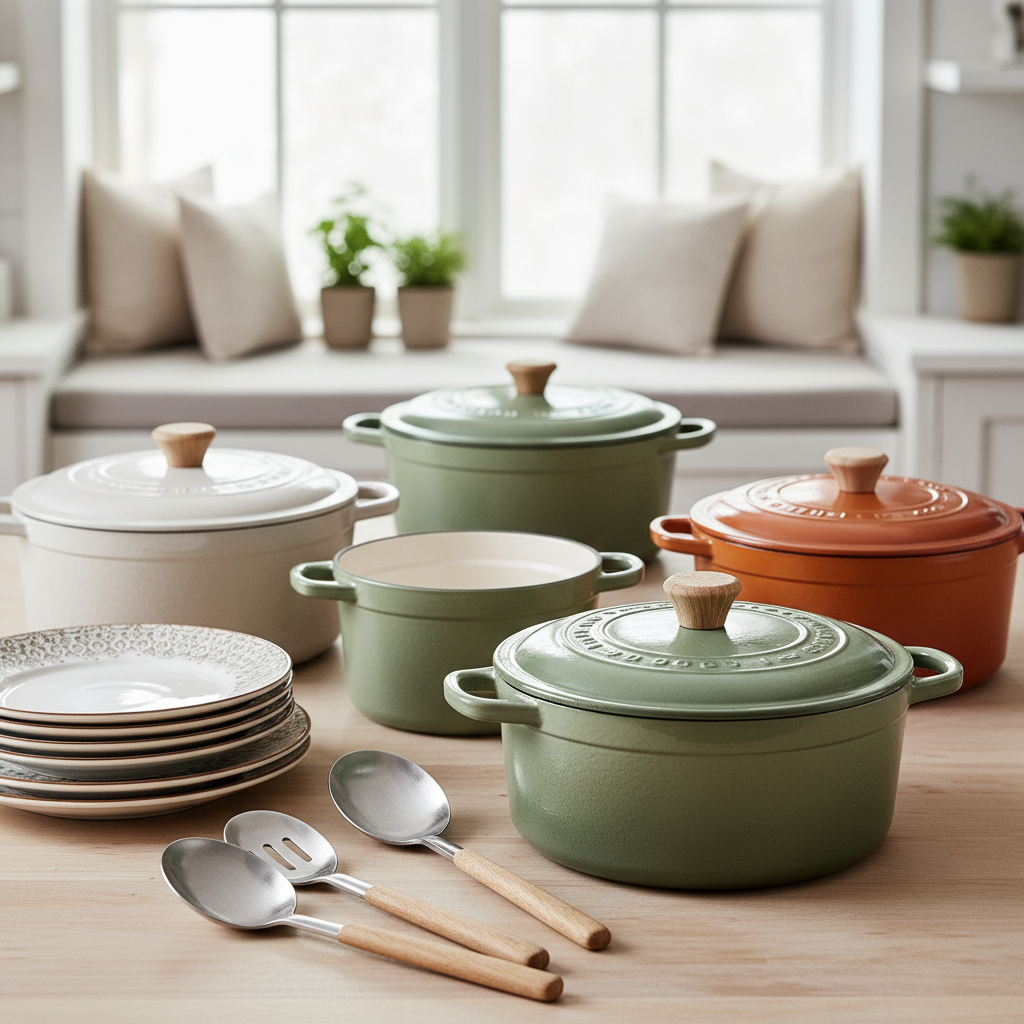
At its core, kitchenware represents all the implements used in a kitchen for preparing, serving, and storing food. This broad definition encompasses everything from basic hand tools like knives and cutting boards to complex appliances like ovens, refrigerators, and food processors. Understanding the different categories within kitchenware – cookware, bakeware, cutlery, small appliances, and kitchen gadgets – is essential for appreciating its diverse functionality and the specific needs it addresses.
The connection to modern industry is undeniable. The kitchenware industry is a significant employer, driving innovation in materials science, engineering, and design. Furthermore, the development of efficient and hygienic kitchenware plays a critical role in addressing global health concerns and ensuring food safety standards are met worldwide. Modern kitchenware is integral to supporting humanitarian needs, especially in providing practical tools for food preparation in disaster relief scenarios and vulnerable communities.
The Historical Development of kitchenware
The evolution of kitchenware mirrors the progression of human culinary techniques. Early humans utilized natural materials like stone, wood, and bone to create rudimentary tools for processing food. The discovery of metalworking revolutionized kitchenware, leading to the development of bronze and iron implements that were more durable and efficient. These advancements enabled more complex cooking methods and expanded dietary options. Throughout history, cultural influences have shaped the design and functionality of kitchenware, reflecting regional culinary traditions and technological capabilities.
The Industrial Revolution brought about mass production techniques, making kitchenware more accessible to a wider population. The 20th and 21st centuries witnessed an explosion of innovation, with the introduction of new materials like stainless steel, aluminum, and non-stick coatings. Today, kitchenware is increasingly characterized by smart technology, energy efficiency, and a focus on sustainability. Understanding this historical trajectory provides valuable insight into the current state of the industry and its potential future directions.
From clay pots to instant pots, the journey of kitchenware reflects our continuous quest for better ways to nourish ourselves, connect with our food, and share meals with others. This evolution showcases human ingenuity and our unwavering dedication to the art and science of cooking.
Material Science in kitchenware Manufacturing
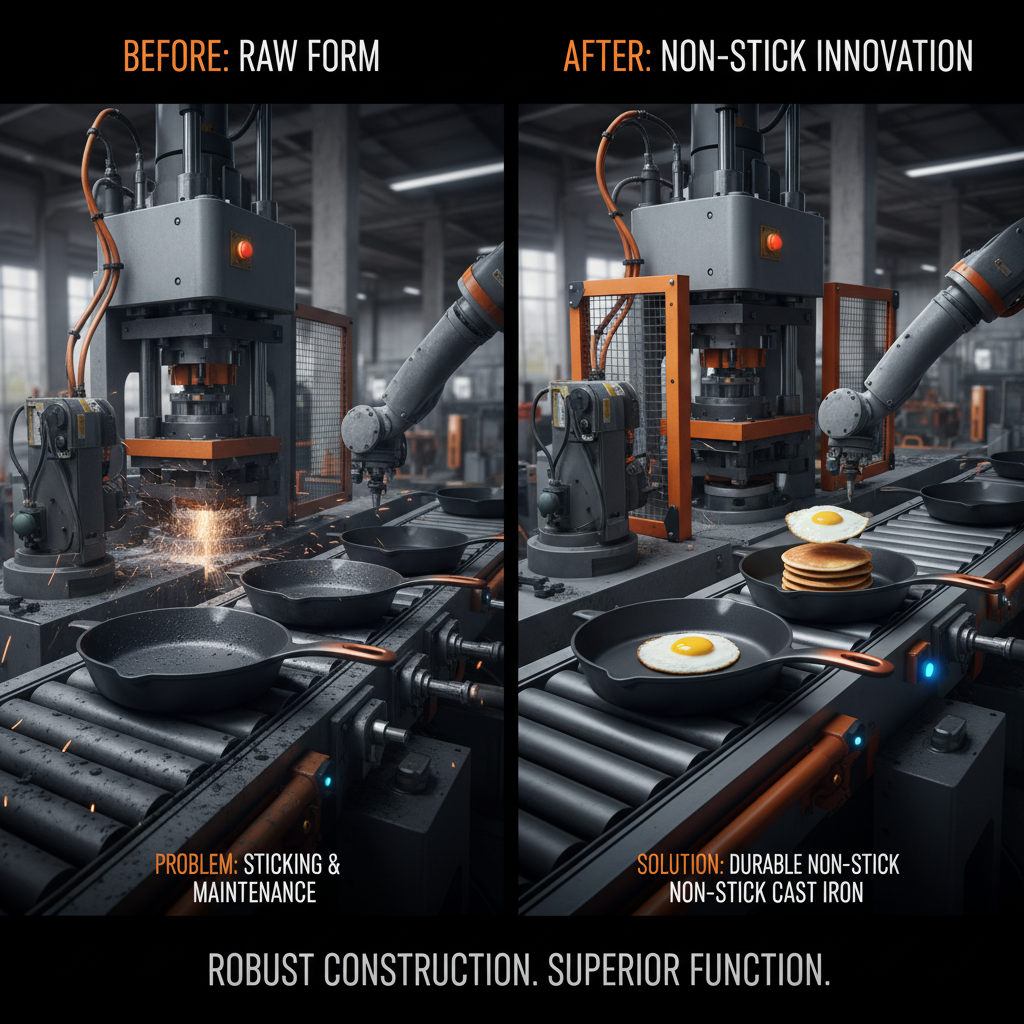
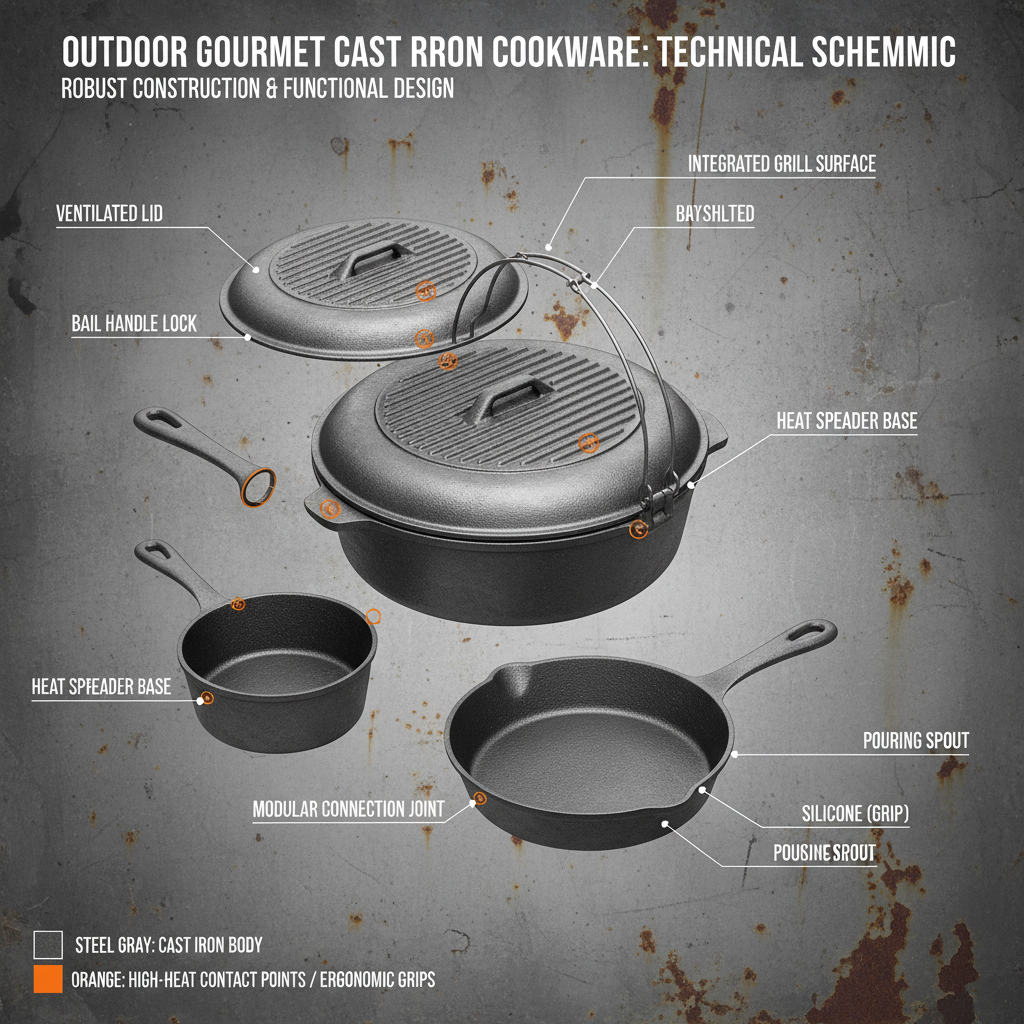
The materials used in kitchenware significantly impact its performance, durability, and safety. Stainless steel, renowned for its corrosion resistance and hygiene, remains a staple in cookware and cutlery. Aluminum, prized for its excellent heat conductivity, is widely used in pots and pans, often coated with non-stick materials like Teflon to prevent food from sticking. Cast iron, a traditional material, offers exceptional heat retention and is ideal for searing and slow cooking.
Recent advancements in material science have led to the development of innovative kitchenware materials, such as ceramic coatings, which offer a non-stick surface without the use of harmful chemicals. Silicone, a versatile polymer, is increasingly used in baking molds, spatulas, and other kitchen tools due to its heat resistance and flexibility. The selection of the appropriate material depends on the specific application and the desired performance characteristics.
Furthermore, the exploration of bio-based and sustainable materials, like bamboo and plant-based plastics, is gaining momentum as manufacturers seek to reduce their environmental footprint. Research and development in nanotechnology and advanced alloys promise even more innovative and high-performance kitchenware materials in the future.
Durability and Longevity of kitchenware
The durability of kitchenware is a critical factor influencing its overall value and sustainability. Investing in high-quality, well-constructed kitchenware can save money in the long run by reducing the need for frequent replacements. Factors affecting durability include the materials used, the manufacturing process, and the level of care and maintenance provided.
Consider a high-quality stainless steel pan versus a low-cost non-stick pan. While the non-stick pan may be cheaper initially, its coating is prone to scratching and degradation, limiting its lifespan. A well-maintained stainless steel pan, on the other hand, can last for decades. Proper cleaning, storage, and adherence to manufacturer’s instructions are essential for maximizing the longevity of kitchenware.
kitchenware Durability Ratings by Type
Global Applications of kitchenware
The applications of kitchenware extend far beyond the home kitchen. In the hospitality industry, restaurants, hotels, and catering companies rely on durable, high-performance kitchenware to meet the demands of large-scale food preparation. Healthcare facilities require specialized kitchenware for preparing meals that cater to specific dietary needs and allergies.
In post-disaster relief operations, providing essential kitchenware is crucial for enabling affected communities to prepare and consume nutritious meals. Organizations like the World Food Programme often distribute kitchen sets alongside food aid to empower individuals and families to regain self-sufficiency. In remote industrial zones and field camps, robust and portable kitchenware is essential for providing sustenance to workers and researchers.
Advantages of Modern kitchenware
Modern kitchenware offers a multitude of advantages over traditional methods. Enhanced efficiency, improved food safety, and increased convenience are key benefits. Non-stick coatings, for example, reduce the need for excessive oil, promoting healthier cooking. Precision temperature control in modern ovens and cooktops ensures consistent results and minimizes food waste.
Ergonomic designs and lightweight materials make kitchenware easier to handle and reduce the risk of strain or injury. Smart kitchen appliances, integrated with technology, offer features like automated cooking programs and remote monitoring, further streamlining the cooking process and enhancing the culinary experience.
Ultimately, well-designed and thoughtfully chosen kitchenware empowers individuals to prepare delicious, nutritious meals with greater ease and enjoyment, contributing to a healthier lifestyle and a more fulfilling culinary journey.
Future Innovations in kitchenware
The future of kitchenware is poised for significant innovation, driven by advancements in technology and a growing focus on sustainability. We can expect to see more smart kitchen appliances with artificial intelligence capabilities, capable of learning cooking preferences and adapting to individual needs.
The development of self-cleaning kitchenware, utilizing nanotechnology or advanced coatings, is also on the horizon. Furthermore, the use of 3D printing technology could enable customized kitchenware designs tailored to specific requirements. Sustainable materials and eco-friendly manufacturing processes will become increasingly prevalent, reflecting a commitment to reducing the environmental impact of kitchenware production and consumption.
The integration of sensors and data analytics will provide valuable insights into cooking habits and food quality, promoting healthier eating and reducing food waste. The future kitchen will be a highly connected and intelligent environment, where kitchenware plays a central role in enhancing the overall culinary experience.
Challenges and Solutions in Kitchenware Adoption
Despite the numerous benefits of modern kitchenware, several challenges hinder its widespread adoption, particularly in developing nations. High costs, limited access, and lack of awareness are significant barriers. Furthermore, cultural preferences and traditional cooking methods can sometimes pose resistance to change.
Addressing these challenges requires innovative solutions, such as developing affordable and durable kitchenware options tailored to local needs. Educational programs and community outreach initiatives can raise awareness about the benefits of using improved kitchen tools and promoting safe food handling practices. Microfinance programs can provide access to credit for purchasing kitchenware, empowering individuals and families to invest in their health and well-being.
Collaboration between governments, NGOs, and the private sector is essential for scaling up these solutions and ensuring equitable access to quality kitchenware for all. A holistic approach, considering not only the products themselves but also the accompanying education and support, is critical for achieving sustainable impact.
Summary of Kitchenware Adoption Challenges and Solutions
| Challenge |
Region/Context |
Impact Level (1-5) |
Potential Solution |
| High Cost |
Rural Africa |
4 |
Subsidized Kitchenware Programs |
| Limited Access |
Remote Indigenous Communities |
5 |
Mobile Kitchenware Distribution |
| Lack of Awareness |
Urban Asia |
3 |
Community Education Workshops |
| Cultural Resistance |
Traditional Societies |
2 |
Culturally Sensitive Adaptation |
| Poor Quality/Durability |
Low-Income Countries |
4 |
Investment in Durable Materials |
| Maintenance Challenges |
Areas with Limited Resources |
3 |
Simplified Maintenance Guides |
FAQS
When considering durability in cookware, stainless steel and cast iron consistently rank highest. Stainless steel offers exceptional corrosion resistance and can withstand high temperatures, making it ideal for everyday use. Cast iron, while requiring proper seasoning and care, provides superior heat retention and can last for generations. Avoid cookware with easily scratched non-stick coatings as these degrade over time. Choosing quality materials is an investment in long-term kitchen functionality and reduces waste.
The safety of non-stick coatings has been a concern for some time. Modern non-stick cookware is typically made with PFOA-free coatings, as PFOA has been linked to health risks. Look for cookware specifically labeled as “PFOA-free.” Even with PFOA-free coatings, avoid overheating the pan, as high temperatures can still cause the coating to degrade and release fumes. Proper care and maintenance are crucial for maximizing the safety and lifespan of non-stick cookware.
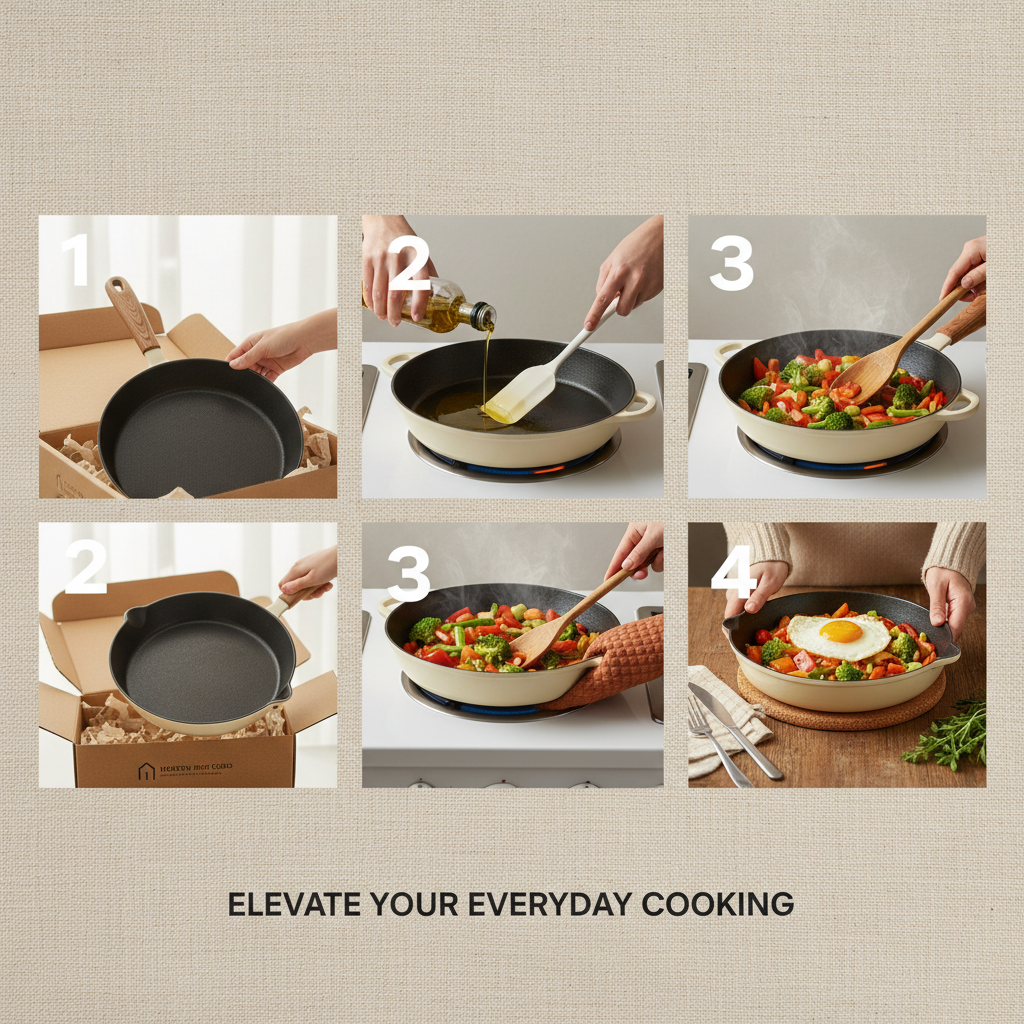
Cast iron requires a bit more care than other types of cookware, but the benefits are worth the effort. After each use, clean with hot water and a gentle brush – avoid using soap, as it can strip the seasoning. Dry thoroughly and then lightly coat with oil. Heating the oiled pan in the oven for a short period can help to maintain the seasoning. Avoid soaking cast iron in water for extended periods, as this can lead to rust.
Selecting the right knives is essential for efficient and safe food preparation. A good starting set should include a chef’s knife, a paring knife, and a serrated bread knife. Look for knives made from high-carbon stainless steel for durability and sharpness. Consider the handle material and weight to ensure a comfortable grip. Regular sharpening is crucial for maintaining the knife’s performance and preventing accidents.
Bamboo is often touted as a sustainable alternative to plastic and wood in kitchen tools. It’s a rapidly renewable resource and requires minimal water and pesticides to grow. However, the manufacturing process and transportation can impact its overall environmental footprint. Look for bamboo products certified by organizations like the Forest Stewardship Council (FSC) to ensure responsible sourcing. While a good option, it's important to consider the entire lifecycle of the product.
Induction cookware offers several advantages, including faster heating, precise temperature control, and energy efficiency. Induction cooktops only heat the cookware itself, rather than the surrounding surface, resulting in less wasted energy. However, induction cookware must be made from a magnetic material, such as cast iron or stainless steel. Not all cookware is compatible, so it's essential to check before purchasing.
Conclusion
In conclusion, kitchenware is far more than just a collection of tools; it’s a fundamental aspect of human culture, culinary innovation, and global well-being. From its historical roots to its cutting-edge advancements, kitchenware continues to evolve, driven by a desire for efficiency, sustainability, and enhanced culinary experiences. Understanding the materials, functionalities, and applications of kitchenware is essential for promoting food security, improving public health, and empowering individuals to nourish themselves and their communities.
Looking ahead, continued investment in research and development, coupled with a commitment to sustainable practices, will unlock even greater potential in the world of kitchenware. By embracing innovation and prioritizing accessibility, we can ensure that everyone has access to the tools they need to prepare healthy, delicious, and sustainable meals. For more information and a wide selection of quality kitchenware, visit our website at hapichefcookware.com.