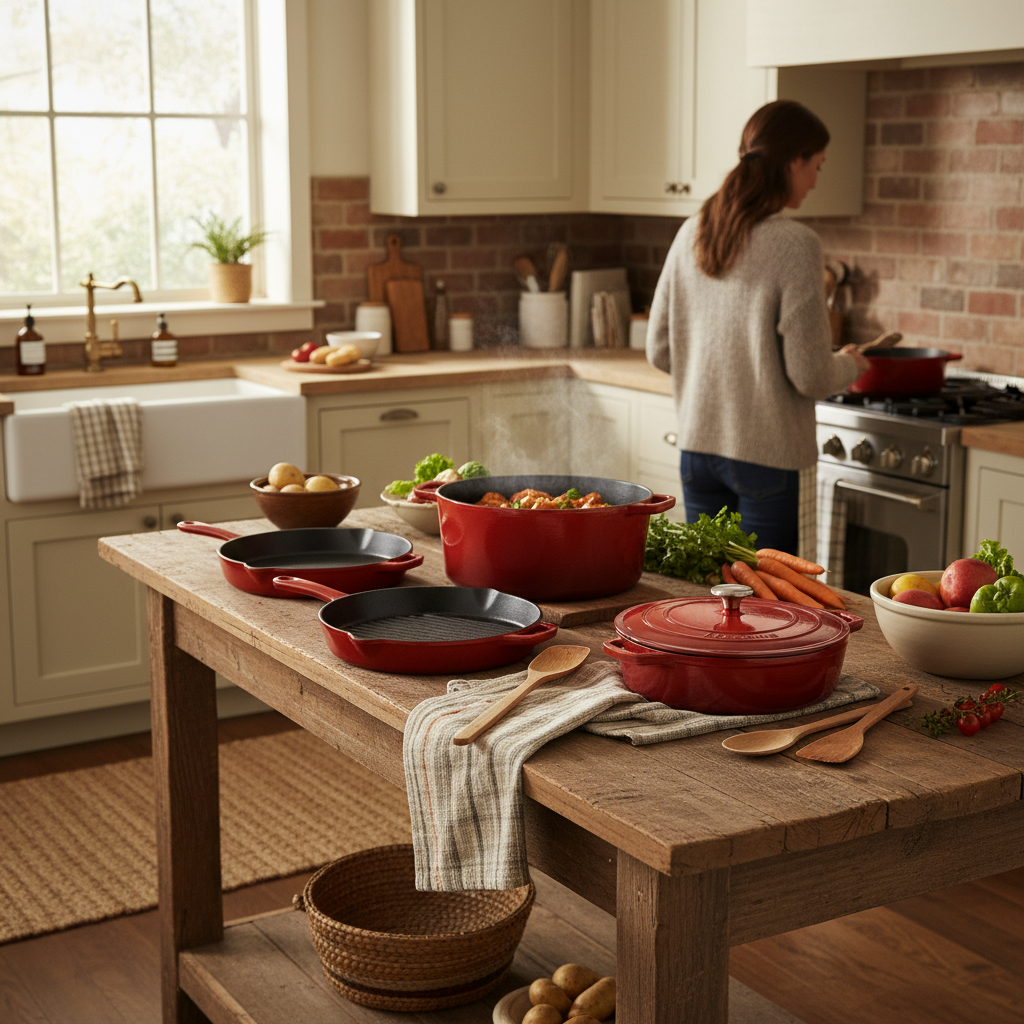
Cast iron bakeware represents a timeless tradition experiencing a modern resurgence. Beyond simply being cookware, it's an investment in culinary versatility, durability, and a connection to generations past. From rustic pies to perfectly browned cakes, cast iron bakeware offers a unique cooking experience prized by both home bakers and professional chefs. This enduring popularity stems from its exceptional heat retention and even heating capabilities, crucial for achieving consistent baking results.
The global market for cookware, including cast iron, is substantial and growing. Reports indicate a rising demand for durable and sustainable kitchen tools, driven by increasing consumer awareness and a shift towards mindful consumption. The accessibility of cast iron, coupled with its long lifespan, makes it an appealing choice across various economic strata. However, challenges remain in addressing misconceptions about maintenance and ensuring responsible sourcing of materials.
Understanding the nuances of cast iron bakeware—from seasoning techniques to choosing the right piece for a specific recipe—empowers bakers to unlock its full potential. Properly cared for, cast iron bakeware can become a cherished heirloom, passed down through families, a testament to its enduring quality and timeless appeal.
The Historical Development of cast iron bakeware
The story of cast iron bakeware is deeply interwoven with the history of metallurgy and culinary practices. Originating in ancient China, cast iron production gradually spread to Europe, where it became a staple in hearth cooking during the Middle Ages. Early cast iron pieces were often heavy and crude, but over time, advancements in casting techniques led to more refined designs suitable for baking.
The 19th and 20th centuries witnessed the mass production of cast iron cookware, bringing it into homes across the globe. American companies like Griswold and Wagner became renowned for their high-quality cast iron bakeware, prized for its durability and even heating. While stainless steel and non-stick surfaces gained popularity, cast iron maintained a loyal following, particularly among those seeking a connection to traditional cooking methods.
Defining cast iron bakeware and its Applications
Cast iron bakeware refers to oven-safe cookware made primarily from cast iron – an alloy of iron, carbon, and silicon. Unlike other materials, cast iron is known for its exceptional heat retention and even distribution, making it ideal for baking everything from cakes and pies to bread and cookies. It can also withstand extremely high temperatures, a crucial characteristic for certain baking applications.
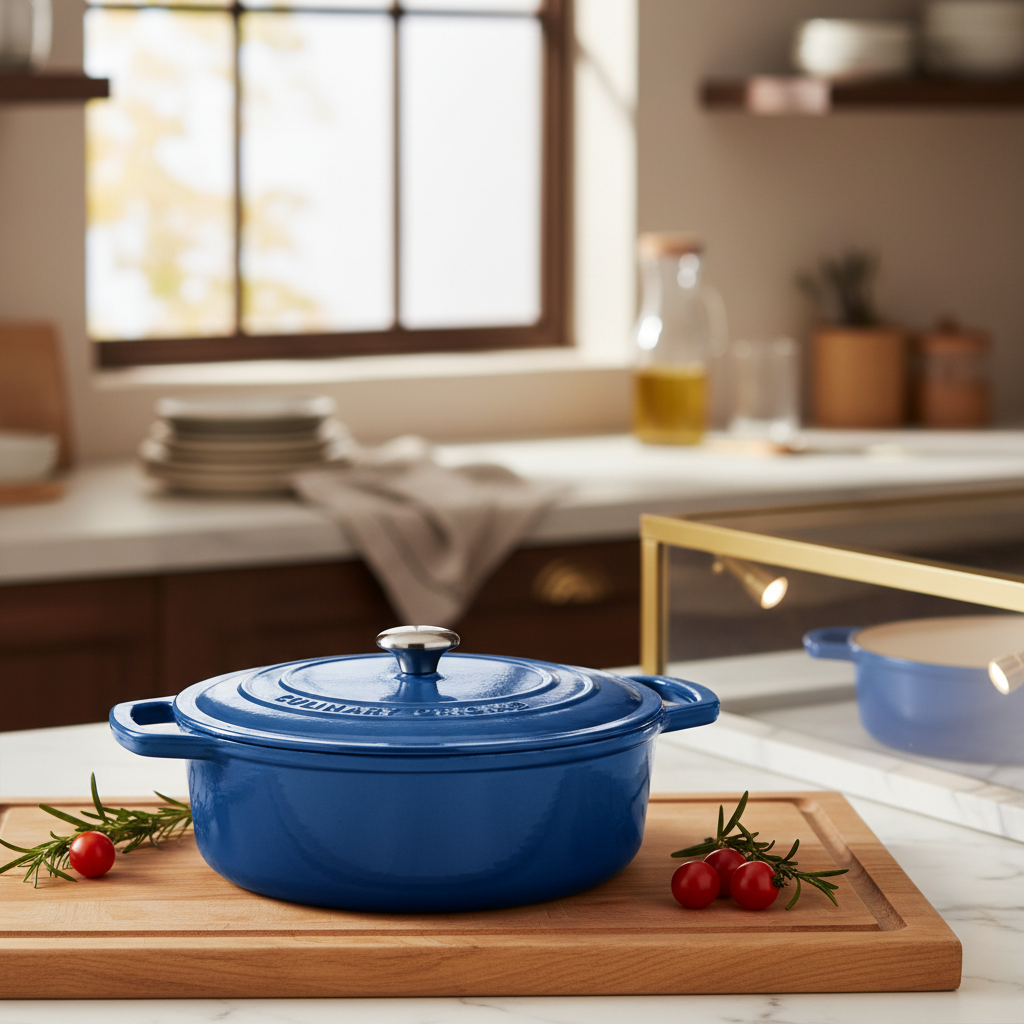
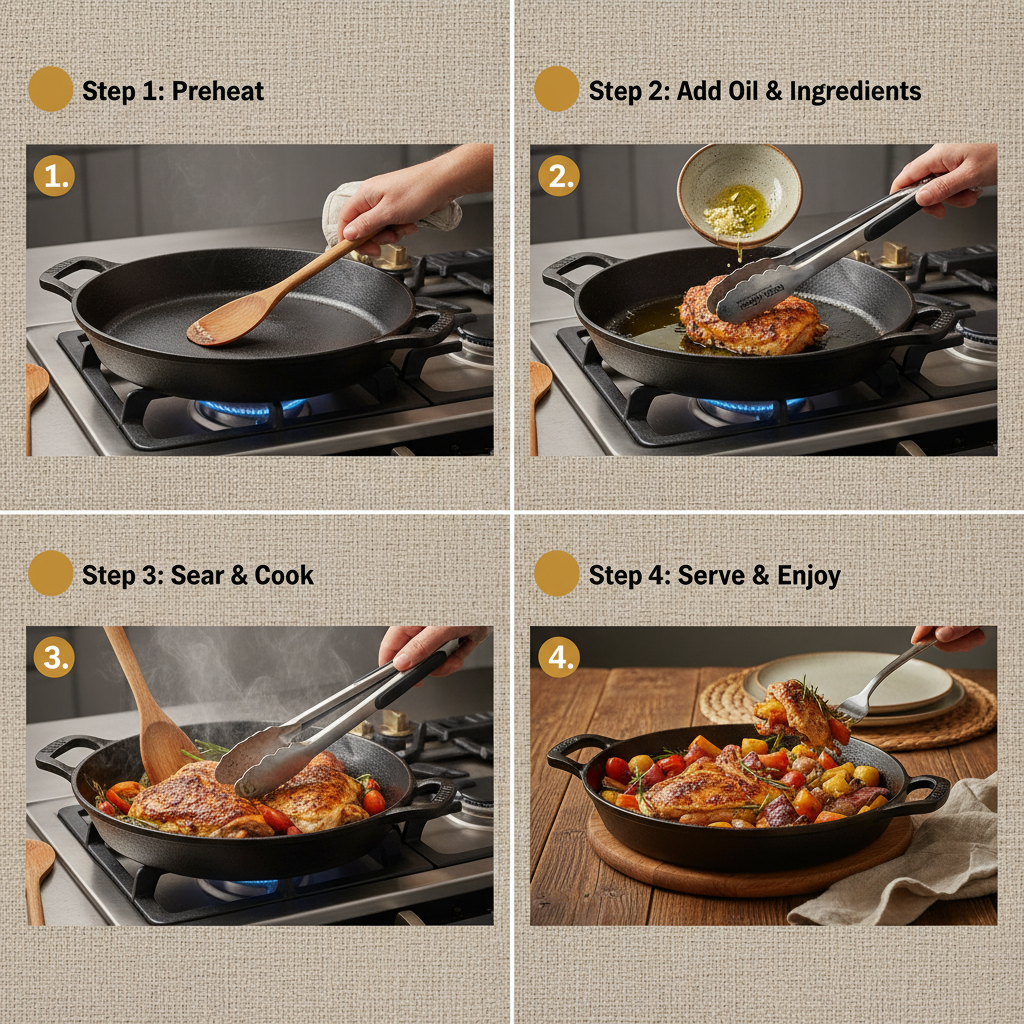
These versatile pieces come in various forms, including skillets, Dutch ovens, loaf pans, and pie dishes, each serving a specific baking purpose. Cast iron bakeware is not limited to the oven; it can often transition seamlessly from stovetop to oven, offering a unique level of flexibility in the kitchen.
The connection to modern industry lies in the continued refinement of casting processes and the increasing demand for sustainable and durable kitchenware. Humanitarian needs are indirectly addressed through the longevity of cast iron, reducing the need for frequent replacements and contributing to a more sustainable consumption model.
Core Components and Characteristics
Several key factors contribute to the unique performance of cast iron bakeware. Firstly, its density is significantly higher than other cookware materials, resulting in exceptional heat retention. This means that cast iron maintains a consistent temperature even when exposed to cold ingredients, crucial for achieving even baking.
Secondly, cast iron's ability to distribute heat evenly eliminates hot spots, preventing uneven baking and ensuring consistent results. This is particularly important for delicate pastries and cakes. Thirdly, the natural non-stick properties develop over time with proper seasoning, reducing the need for excessive oil or butter.
Finally, its inherent durability allows for generations of use, making it a sustainable and cost-effective investment. The composition of the iron alloy itself contributes to these features, lending strength and stability to the bakeware.
Performance Metrics of cast iron bakeware
Evaluating the performance of cast iron bakeware necessitates a consideration of several key metrics. Heat retention, measured in minutes to cool down, is a primary indicator of quality. Uniformity of heat distribution, assessed by observing baking results across the surface, is another crucial factor.
Durability, expressed in years of expected lifespan with proper care, speaks to the long-term value of the investment.
Comparison of cast iron bakeware Performance
Global Usage and Market Trends
The use of cast iron bakeware is prevalent across diverse culinary traditions worldwide. In the Southern United States, it’s a cornerstone of home cooking, particularly for cornbread, pies, and skillet desserts. In France, Dutch ovens (often made of cast iron) are essential for braising and slow-cooking.
Globally, there’s a growing trend towards heritage cooking and a renewed appreciation for the quality and durability of cast iron. Market reports show increased sales in North America, Europe, and Asia, driven by both traditional consumers and a new generation of home bakers.
The demand for eco-friendly kitchen products further fuels this growth. In post-disaster relief operations, durable cast iron cookware can provide long-lasting cooking solutions in areas lacking reliable infrastructure.
Advantages and Long-Term Benefits
The advantages of cast iron bakeware extend beyond its exceptional baking performance. The cost-effectiveness is a significant draw; while the initial investment might be higher than other materials, the longevity of cast iron means fewer replacements, saving money in the long run.
From a sustainability perspective, cast iron is a remarkably eco-friendly choice. It’s made from a readily available and recyclable material, and its durability reduces waste. The emotional benefits include the satisfaction of using a piece of cookware that will last for generations, fostering a connection to culinary traditions.
Future of cast iron bakeware and Innovations
The future of cast iron bakeware is likely to involve further refinement of manufacturing processes and the integration of new technologies. Lightweight cast iron alloys are being explored to reduce the weight without sacrificing heat retention.
Innovative seasoning techniques and pre-seasoned options are making cast iron more accessible to beginners. The rise of smart kitchens and connected appliances could lead to the development of cast iron cookware with integrated temperature sensors and automated control systems.
Sustainability will remain a key driver of innovation, with a growing emphasis on responsible sourcing of materials and environmentally friendly production methods.
Summary of Challenges and Potential Solutions for cast iron bakeware
| Challenge |
Impact on User Experience |
Potential Solution |
Implementation Cost (1-10) |
| Weight |
Difficult to maneuver, particularly for some users. |
Development of lightweight cast iron alloys. |
8 |
| Seasoning Maintenance |
Requires regular seasoning to prevent rusting and maintain non-stick properties. |
Improved pre-seasoning techniques and user-friendly seasoning guides. |
5 |
| Rusting |
Can occur if not properly seasoned and cared for. |
Protective coatings and rust-resistant alloys. |
7 |
| Uneven Heating (Early Stages) |
Can lead to uneven baking results initially. |
Thorough pre-heating procedures and optimized casting designs. |
4 |
| Cleaning |
Requires hand washing and specific cleaning protocols. |
Development of seasoning-safe detergents and easier-to-clean coatings. |
6 |
| Price |
Can be more expensive than other bakeware options initially. |
Value proposition emphasizing long-term durability and benefits. |
3 |
FAQS
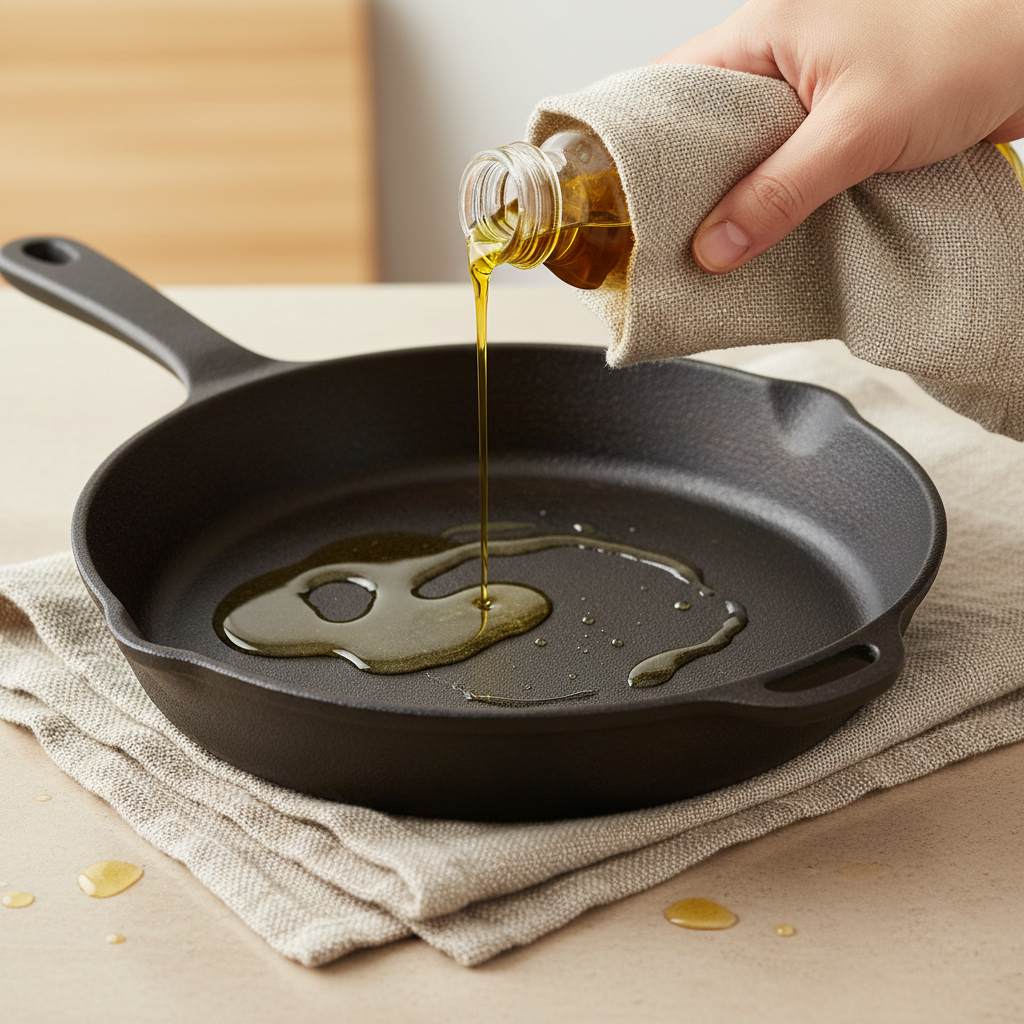
Seasoning cast iron involves coating it with a thin layer of oil and baking it at a high temperature to create a polymerized surface. Start with a clean, dry piece of cast iron. Apply a small amount of oil (flaxseed, grapeseed, or vegetable oil work well) and rub it in thoroughly, ensuring every surface is coated. Wipe off any excess oil. Bake upside down in a preheated oven at 450-500°F (232-260°C) for one hour. Let it cool completely in the oven. Repeat this process several times for a robust seasoning.
While traditionally discouraged, modern dish soaps are generally safe to use on well-seasoned cast iron. The key is to use a mild soap and avoid prolonged soaking. Wash gently with warm water and soap, then dry immediately and lightly oil the surface. Avoid harsh scouring pads that can strip the seasoning. If your seasoning is compromised, re-season the piece.
Rust is the enemy of cast iron, but it's easily preventable. Always dry your cast iron bakeware thoroughly after washing. Apply a thin coat of oil to prevent moisture from contacting the iron. Store it in a dry location. If rust does appear, scrub it off with steel wool, then re-season the piece.
Acidic foods, like tomatoes or citrus, can react with the iron in cast iron bakeware if the seasoning is thin or damaged. While a brief exposure isn't usually problematic, prolonged cooking with acidic foods can strip the seasoning and impart a metallic taste. A well-seasoned piece will be more resistant. Avoid prolonged simmering of highly acidic ingredients.
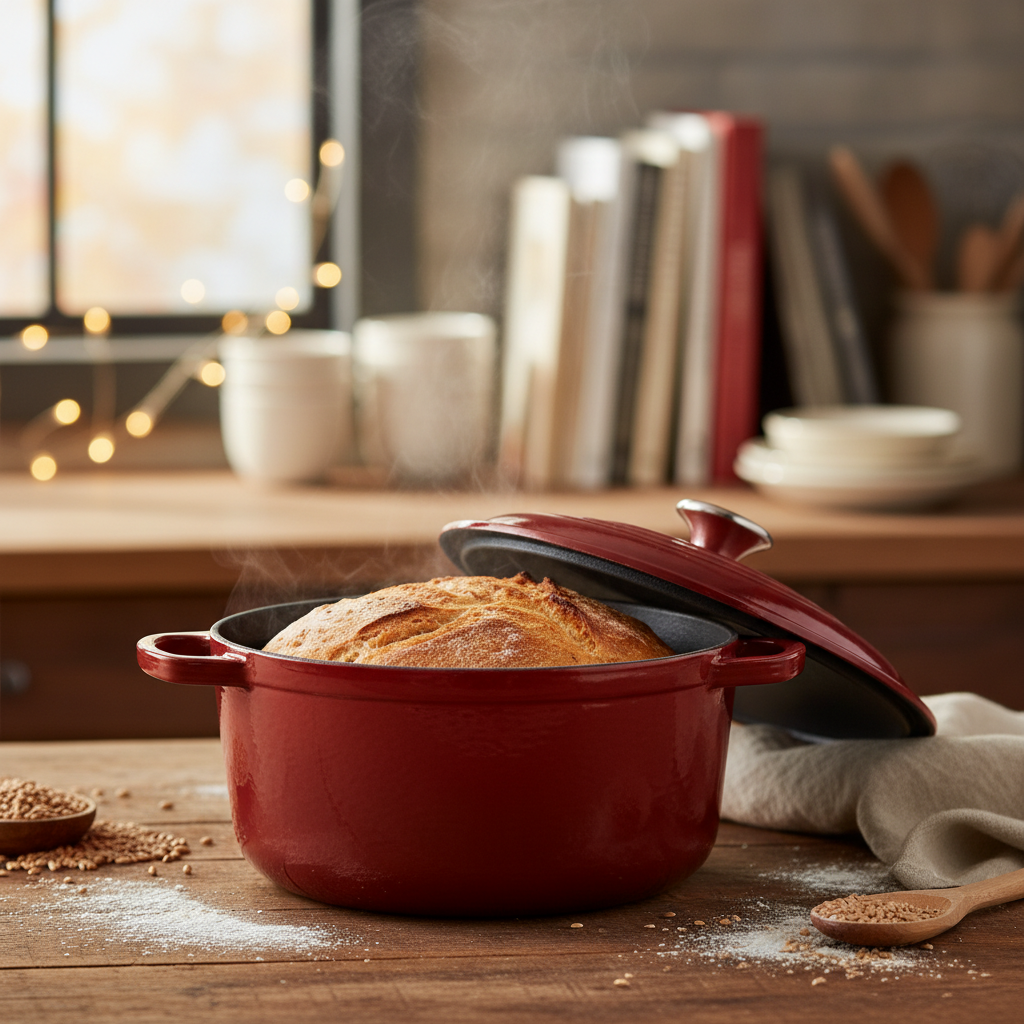
Cast iron excels at recipes that require even heating and heat retention. These include pies, cakes, breads, cornbread, cobblers, and skillet desserts. Dutch ovens are perfect for slow-cooked casseroles, stews, and braised meats. The even heating also makes it ideal for achieving a crispy crust on pizzas and breads.
Yes, you can use metal utensils on well-seasoned cast iron bakeware, although care should be taken to avoid scraping aggressively. While metal utensils won't immediately ruin your seasoning, repeated harsh scraping can gradually wear it down. Silicone or wooden utensils are gentler options if you're concerned about maintaining the seasoning.
Conclusion
In conclusion, cast iron bakeware represents more than just a cooking tool; it's a legacy of craftsmanship, durability, and culinary versatility. Its exceptional heat retention, even heating, and long lifespan make it an invaluable addition to any kitchen. From historical roots to modern applications, cast iron bakeware continues to inspire bakers and chefs worldwide.
Looking ahead, continued innovation in materials, seasoning techniques, and design will further enhance the user experience and sustainability of cast iron bakeware. We encourage exploration of this enduring kitchen staple and its transformative potential in unlocking baking perfection. Visit our website at www.hapichefcastiron.com.com to discover our collection of premium cast iron bakeware.