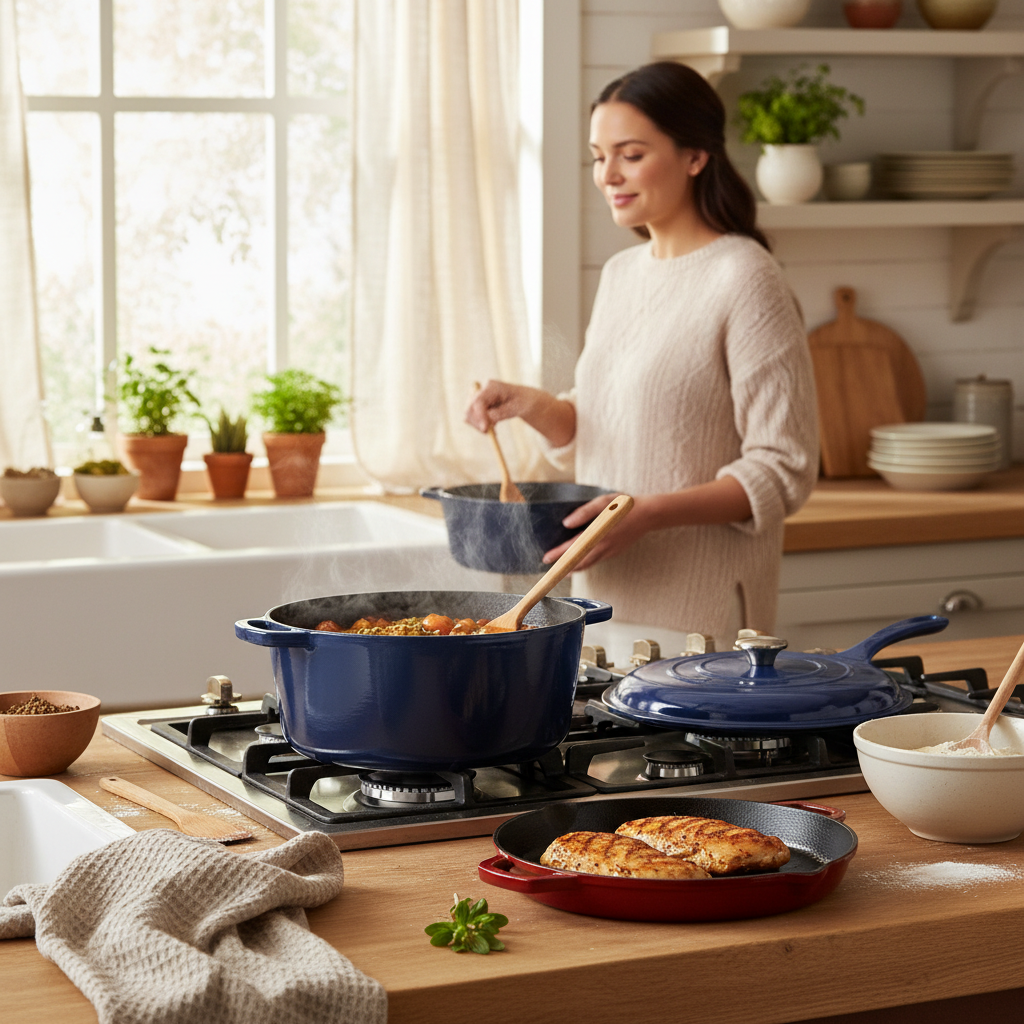
For professional chefs and home culinary enthusiasts alike, the search for the perfect sear and consistent heat distribution leads inevitably to cooks cast iron cookware. This timeless material has remained a cornerstone of the kitchen for centuries, bridging the gap between ancestral cooking methods and modern gastronomic precision. Its ability to withstand extreme temperatures and develop a natural non-stick surface makes it an indispensable tool for anyone serious about the art of cooking.
In a global market increasingly saturated with disposable, short-lived non-stick pans, the resurgence of cooks cast iron cookware represents a shift toward sustainability and long-term value. From the heavy-duty Cast Iron Dutch Ovens used in slow-braising to the precision of a Cast Iron Griddle for the perfect breakfast, these tools are designed to last generations, provided they are cared for with the right seasoning techniques.
Understanding the nuances of cast iron—its thermal mass, its reactivity, and its versatility—allows a cook to master techniques that are simply impossible with aluminum or stainless steel. Whether you are utilizing a Cast iron wok/pot for high-heat stir-frying or a Cast Iron Pizza pan for a crispier crust, the reliability of this material ensures that the focus remains on the ingredients and the flavor profile.
The Industrial Evolution of cooks cast iron cookware
The journey of cooks cast iron cookware from primitive smelting to precision industrial casting is a testament to human engineering. Historically, the process involved pouring molten iron into sand molds, a method that created rustic, heavy pieces with significant character. Today, the industry has integrated advanced quality control to ensure that every Cast iron Skillet /Frypan and Cast Iron Roasting Pan meets rigorous standards for flatness and heat distribution.
As global culinary standards evolved, the demand for specialized tools grew. This led to the diversification of the product line, moving beyond simple pots to include highly specialized items like the Cast iron meat press and Cast Iron Bakeware. The industrialization of these tools has allowed for a consistent "seasoning" baseline, ensuring that chefs worldwide receive a product that is ready for high-performance use in any commercial or home environment.
Defining the Standards of Professional Cast Iron
When we speak of cooks cast iron cookware, we are referring to high-density ferrous alloys cast into shapes that optimize heat retention. Unlike thin-walled pans, cast iron acts as a thermal battery, absorbing immense energy and releasing it steadily. This makes it the gold standard for searing proteins, where a sudden drop in surface temperature can lead to steaming rather than browning.
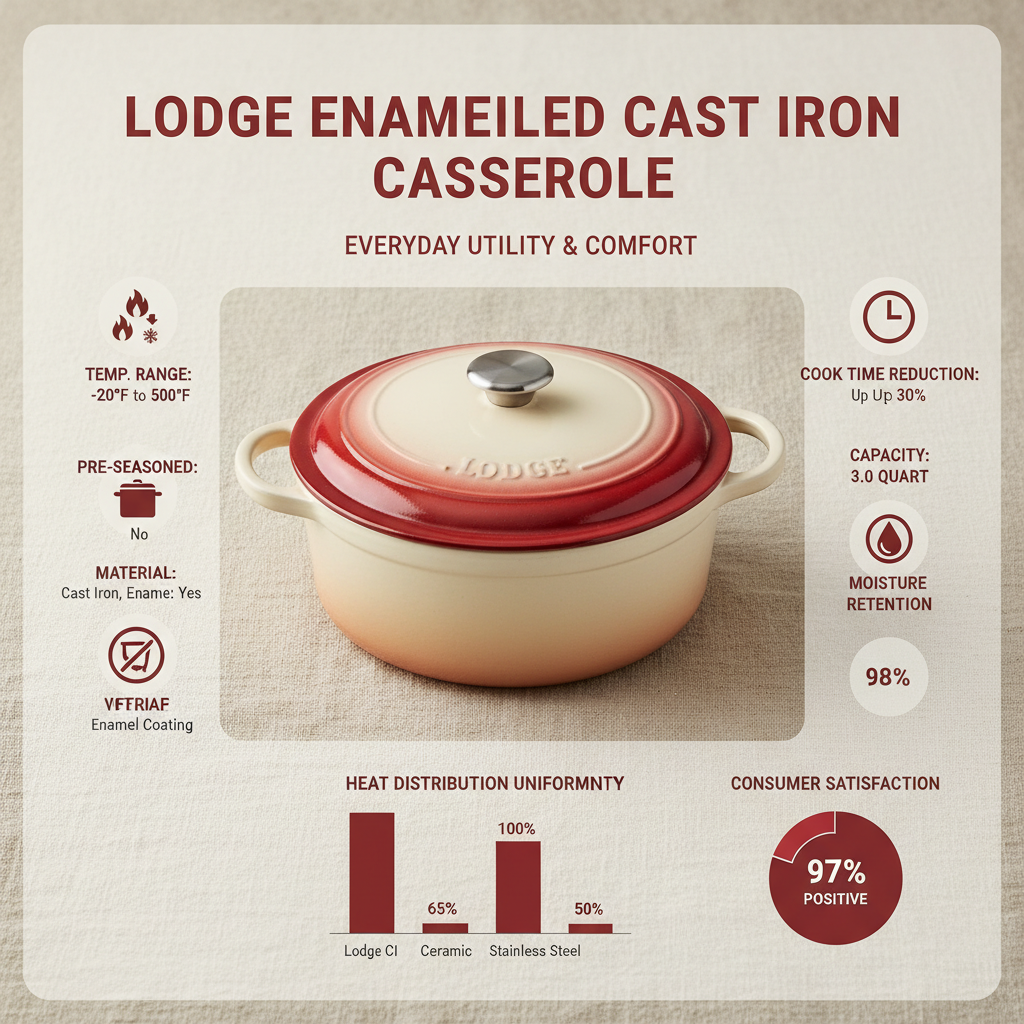
In the context of modern industry, the "professional" standard implies a balance between weight and usability. While the mass is necessary for heat retention, precision casting reduces unnecessary bulk, making a Cast Iron Saucepan or a Cast Iron Casserole manageable for the cook without sacrificing the heat capacity that defines the material.
Furthermore, the definition extends to the surface chemistry. The interaction between the iron and polymerized fats—known as seasoning—creates a hydrophobic barrier. This natural coating is what transforms a raw piece of metal into a high-performance tool, blending humanitarian needs for durable, non-toxic cookware with the high demands of the Michelin-star kitchen.
Core Engineering Factors of Thermal Performance
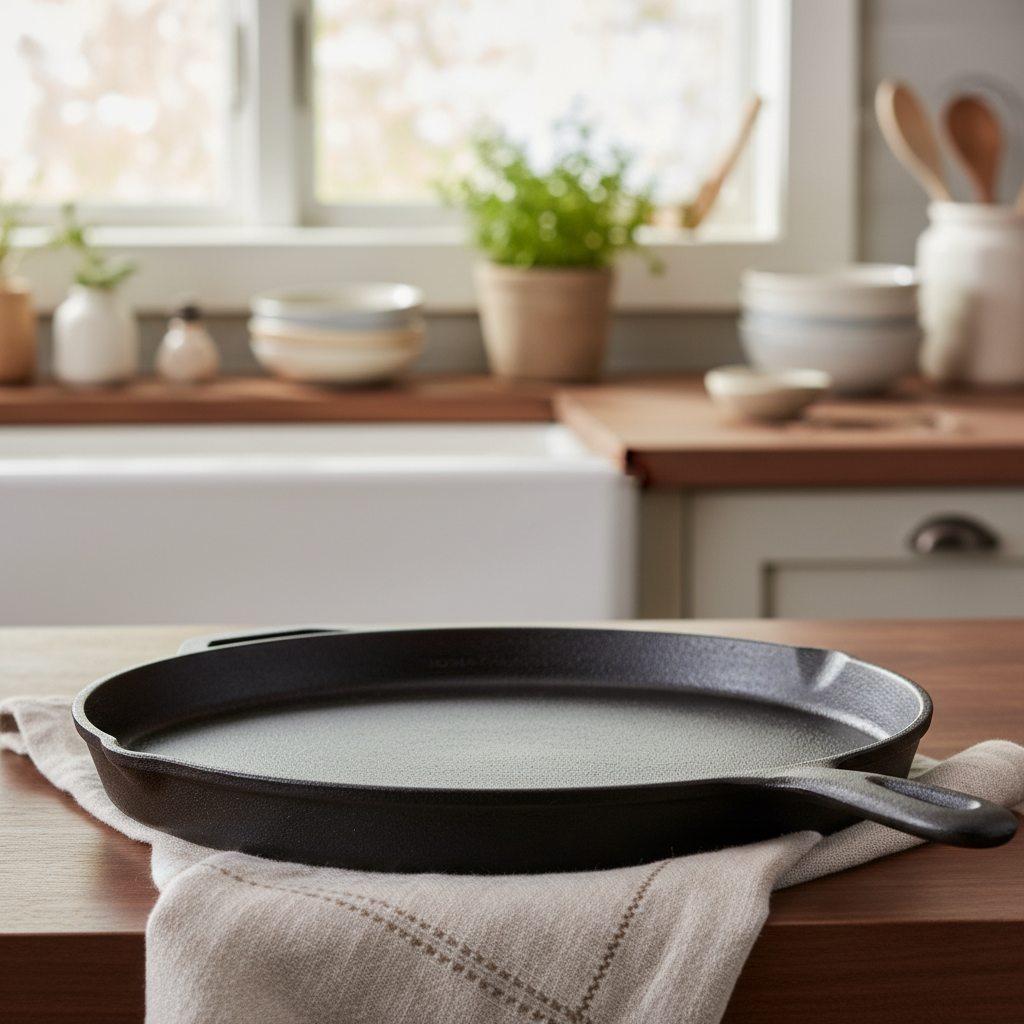
The efficiency of cooks cast iron cookware is primarily driven by its thermal mass. Because iron has a high capacity for heat storage, it prevents the "cold spot" phenomenon often seen in cheaper cookware. This is critical for tools like the Cast Iron Griddles, where a large surface area must maintain a uniform temperature regardless of how many items are placed on it.
Durability and scalability are also key factors. The structural integrity of cooks cast iron cookware allows it to be used across various heat sources—from open campfires and BBQ grills to induction cooktops and ovens. This versatility ensures that whether you are using a Cast iron BBQ Grill / Stove in a remote outdoor setting or a Cast Iron Dutch Oven in a professional bakery, the performance remains consistent.
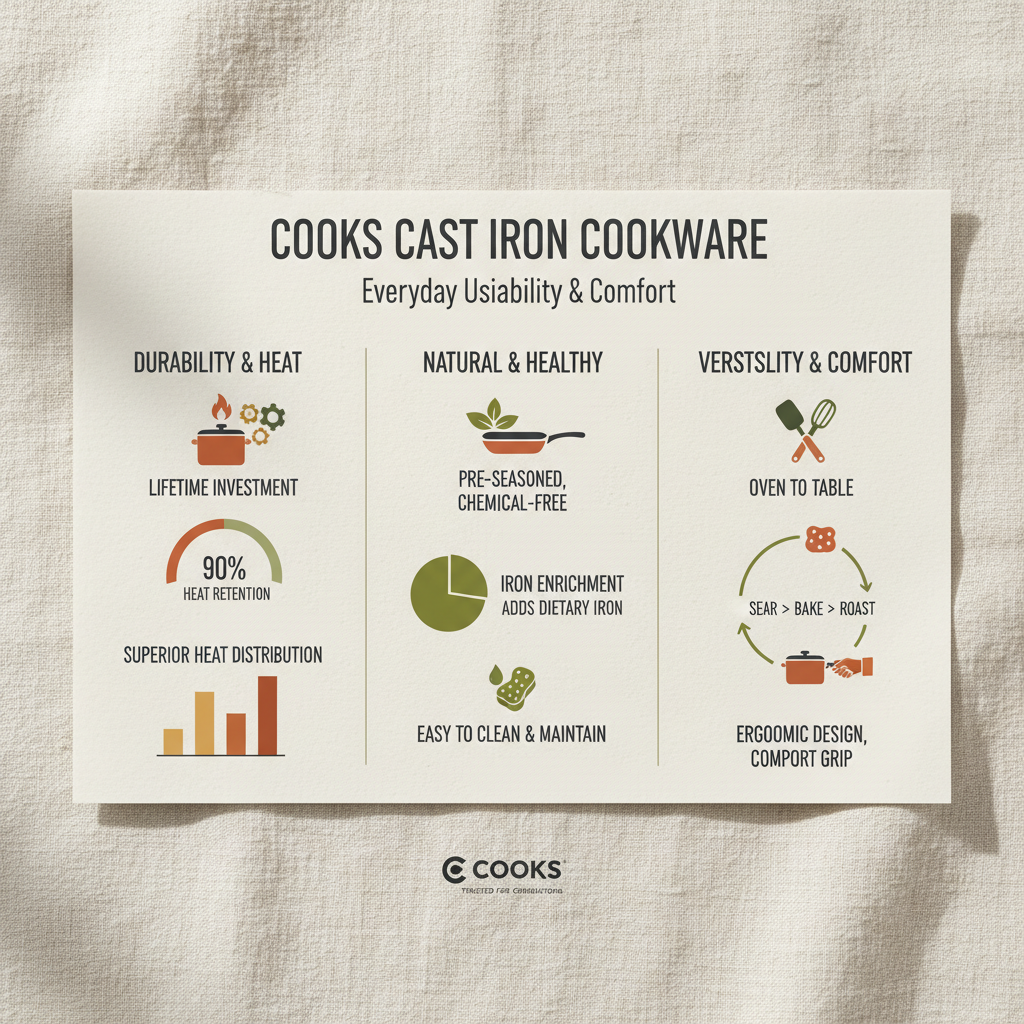
Finally, the cost-efficiency of the material is unmatched over the long term. While the initial investment in high-quality cast iron may be higher than teflon, the lack of a degrading chemical coating means the product never needs replacing. This makes cooks cast iron cookware an economically sound choice for both commercial kitchens and eco-conscious households.
Global Versatility and Practical Application
Around the world, cooks cast iron cookware is applied in diverse culinary traditions. In North America, the skillet is a staple for comfort foods, while in Asia, the Cast iron wok/pot is essential for the high-heat requirements of stir-frying. The ability of these tools to function in rugged environments makes them popular in outdoor cooking and disaster relief zones where electricity is scarce but fire is available.
In industrial zones and remote camps, the reliability of cast iron is a safety feature. Because it cannot "melt" or warp under extreme heat like aluminum might, it provides a stable platform for feeding large groups. From Cast Iron Roasting Pans in European holiday feasts to grill pans in urban apartments, the application is universal.
Performance Metrics of Different cooks cast iron cookware Types
The Economic and Sustainable Value of Longevity
The long-term value of cooks cast iron cookware is rooted in its near-infinite lifespan. In a "throwaway" culture, owning a piece of cookware that can be passed down through three generations is a radical act of sustainability. By eliminating the need for periodic replacements caused by peeling non-stick coatings, users significantly reduce their environmental footprint and waste production.
Beyond the environmental impact, there is a profound emotional connection to these tools. A well-seasoned Cast Iron Dutch Oven carries the "memory" of thousands of meals, creating a bond of trust between the cook and their equipment. This reliability provides a sense of dignity and stability, knowing that the tool will never fail, regardless of the intensity of the cooking process.
Modern Innovations in Cast Iron Metallurgy
The future of cooks cast iron cookware is being shaped by advancements in metallurgy and green energy. New casting techniques are reducing the porosity of the iron, which allows for an even smoother surface and a more efficient seasoning process. This means that modern Cast Iron Bakeware and Saucepans are more responsive to temperature changes than their predecessors.
Automation in the polishing and pre-seasoning stages has also ensured that consumers receive products with a professional-grade finish right out of the box. By integrating eco-friendly vegetable-based oils for factory seasoning, manufacturers are aligning with global sustainability goals while maintaining the classic performance of the metal.
Furthermore, the integration of digital thermal sensors in commercial kitchens is helping chefs understand exactly how cooks cast iron cookware behaves under different heat loads. This data-driven approach is leading to the design of more ergonomically balanced pans, such as lighter-weight skillets that maintain the heat retention of traditional heavy-duty iron.
Overcoming Common Challenges in Cast Iron Care
Despite its benefits, cooks cast iron cookware is often feared by beginners due to the perceived difficulty of maintenance. The most common challenges include rust formation and the loss of seasoning. However, these are easily solved with a basic understanding of polymerization: applying a thin layer of fat and heating it until it bonds to the metal.
Another hurdle is the weight, which can be daunting for some. To solve this, designers are optimizing the geometry of the cookware—creating thinner walls where heat retention is less critical and reinforcing the base where it is essential. This makes items like the Cast iron meat press and Grill Pan more accessible without compromising their core utility.
The perceived "difficulty" of cleaning is also a myth; with the right approach, a simple scrub and a quick oil rub are all that is needed. By educating users on the resilience of cooks cast iron cookware, we empower them to move away from chemical-laden alternatives and return to a more natural, healthy way of cooking.
Analysis of Maintenance and Performance Across Cast Iron Categories
| Product Category |
Maintenance Level |
Heat Retention Score |
Primary Use Case |
| Dutch Oven |
Medium |
10/10 |
Slow Cooking/Braising |
| Skillet/Frypan |
Medium |
8/10 |
Searing/Frying |
| Griddle |
High |
7/10 |
Pancakes/Breakfast |
| Wok/Pot |
Medium |
9/10 |
High-Heat Stir-fry |
| Bakeware |
Low |
7/10 |
Cornbread/Baking |
| Pizza Pan |
Low |
8/10 |
Crispy Crust Pizza |
FAQS
To prevent rust, always dry your cast iron immediately after washing. Never let it air dry or soak in water. Once dry, apply a very thin layer of cooking oil over the entire surface and heat it slightly on the stove to seal the pores of the metal. This maintains the protective barrier known as seasoning.
Yes, you can use a small amount of mild dish soap. Modern soaps are not as harsh as the lye-based soaps of the past and will not strip away the polymerized seasoning. However, avoid using the dishwasher, as the harsh chemicals and high-pressure water will strip the seasoning and cause rust.
The best method is to apply a thin coat of unsaturated fat (like flaxseed or grapeseed oil) and bake it upside down in the oven at 450°F (230°C) for one hour. Allow it to cool in the oven. Repeating this process 2-3 times creates a durable, non-stick surface that improves with every use.
Absolutely. Because cast iron is ferromagnetic, it is one of the most efficient materials for induction cooking. It provides a strong connection with the induction coil, allowing for rapid heating and excellent temperature stability, provided the base of the pan is relatively flat.
While you can, long-term simmering of highly acidic foods can strip the seasoning and may impart a slight metallic taste to the food. For quick sauces, it is perfectly fine. For long braises with tomatoes, ensure your pan is exceptionally well-seasoned or consider using an enameled cast iron alternative.
The most effective way is to use a chainmail scrubber or a coarse salt paste. Rub the salt and a bit of oil into the burnt areas to lift the residue without damaging the seasoning. For very stubborn deposits, you can simmer a small amount of water in the pan to loosen the food before scrubbing.
Conclusion
In summary, cooks cast iron cookware is far more than just a kitchen tool; it is a lifelong investment in culinary excellence. By combining unmatched heat retention, extreme durability, and a commitment to sustainability, cast iron provides a professional-grade experience for any cook. From the versatility of the Dutch Oven to the precision of the grill pan, these tools empower users to achieve textures and flavors that simply cannot be replicated by modern synthetic alternatives.
As we move toward a more conscious way of consuming, returning to these enduring materials is a logical step. We encourage you to embrace the ritual of seasoning and the joy of a perfectly seared steak. To start your journey with the finest tools in the industry, visit our website: www.hapichefcastiron.com