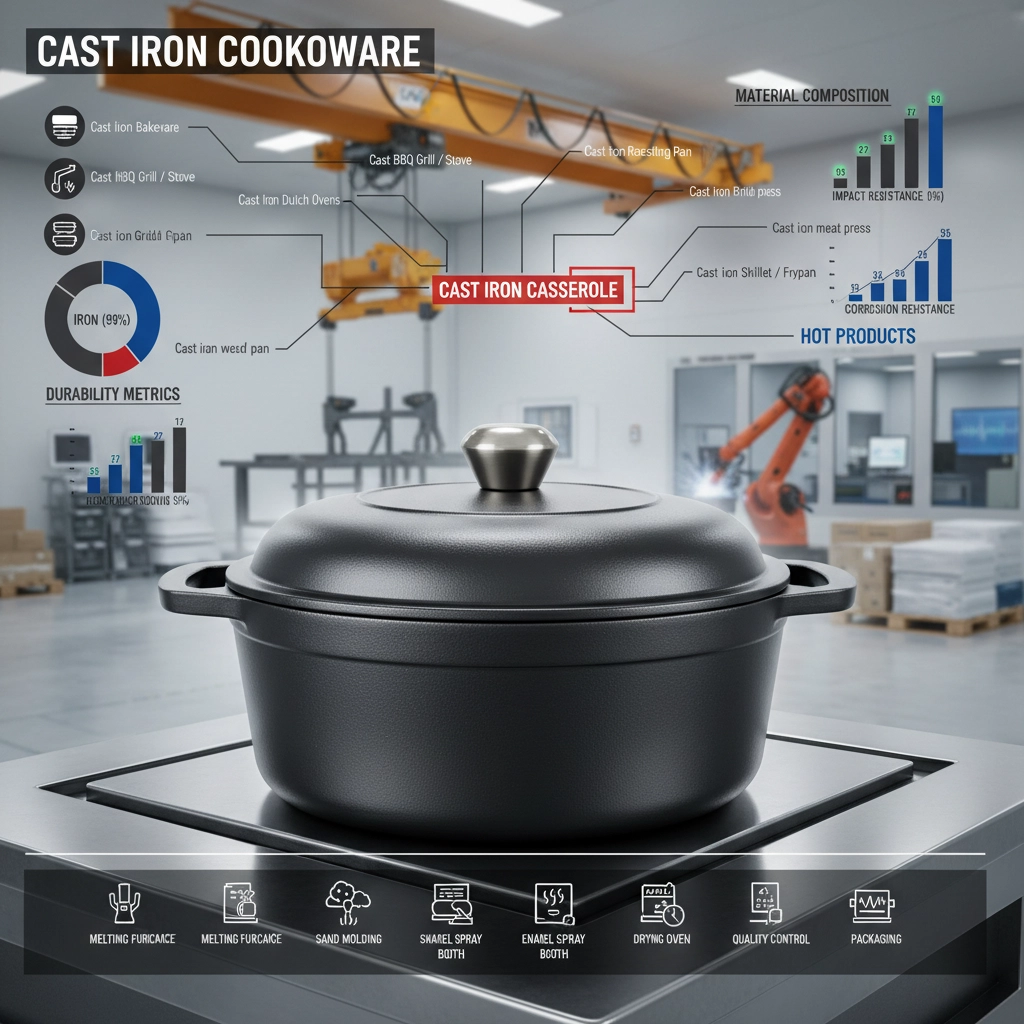
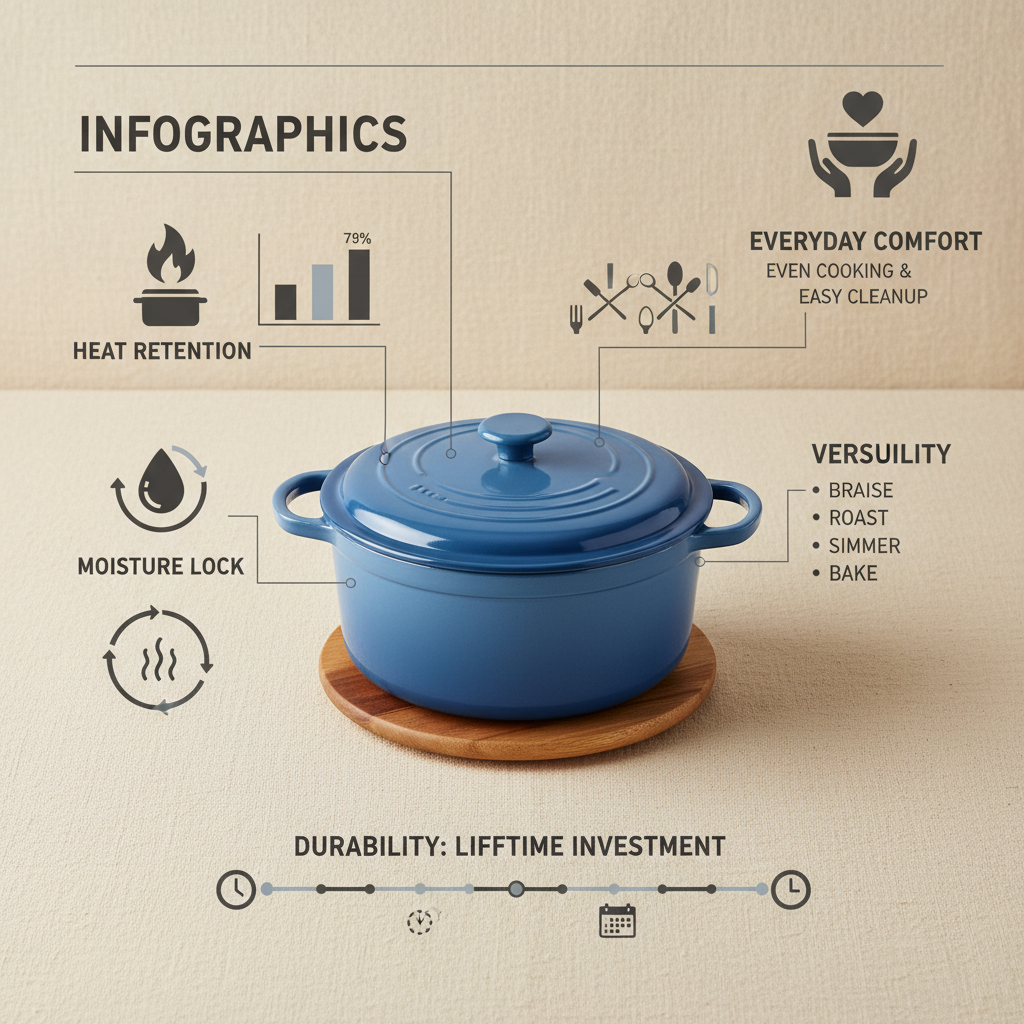
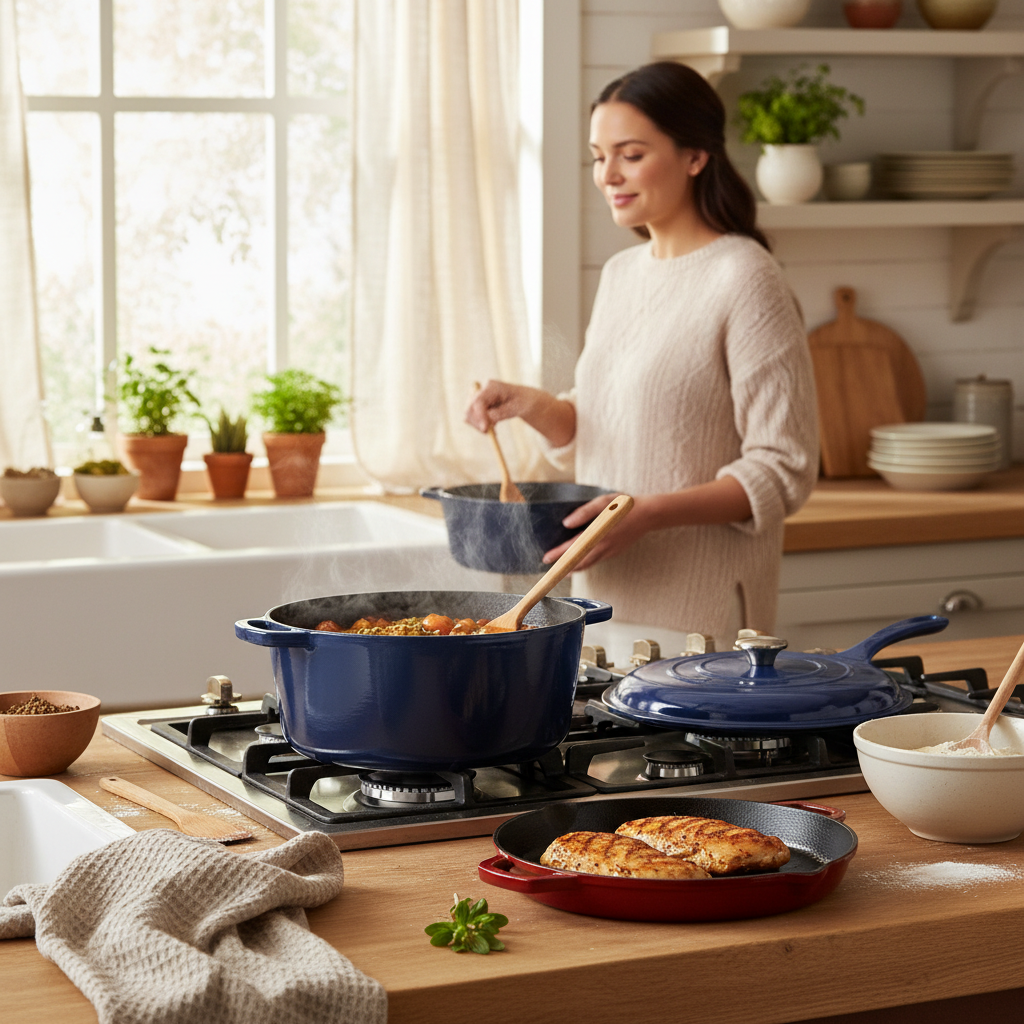
The cast iron casserole pan stands as a timeless cornerstone of the culinary world, bridging the gap between ancestral cooking traditions and modern gastronomic precision. Renowned for its unparalleled heat retention and distribution, this versatile vessel allows chefs and home cooks alike to achieve professional-grade searing and slow-simmering in a single pot. Understanding the nuances of this cookware is essential for anyone seeking to elevate their kitchen efficiency and food quality.
Globally, the resurgence of "slow food" and a heightened awareness of sustainable living have pushed cast iron back into the spotlight. Unlike modern non-stick alternatives that degrade over time and release chemicals, a well-maintained casserole pan lasts for generations. This longevity not only reduces environmental waste but also provides a reliable tool for complex cooking techniques like braising, roasting, and baking, making it a strategic investment for any household.
From the rustic kitchens of Europe to the high-energy culinary hubs of Asia, the cast iron casserole pan addresses the fundamental challenge of temperature stability. Whether you are preparing a hearty beef bourguignon or a delicate sourdough bread, the material's ability to maintain a steady thermal mass ensures that food cooks evenly without the hot spots common in thinner aluminum or stainless steel pans.
The Industrial Engineering Behind Cast Iron Casserole Pans
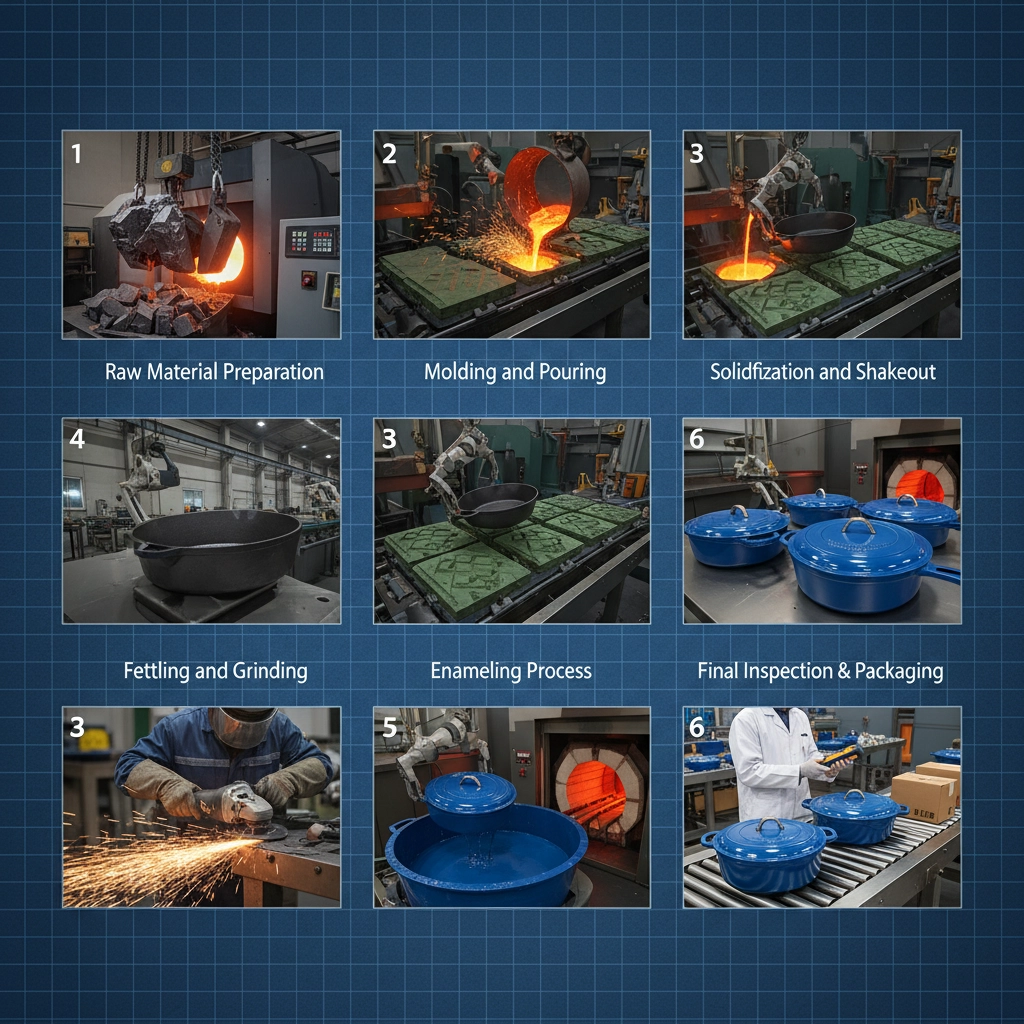
The production of a high-quality cast iron casserole pan begins with the precise melting of iron ore and scrap steel in a cupola or electric induction furnace. The engineering focus is on controlling the carbon content—typically between 2% and 4%—to ensure the metal remains fluid enough to fill intricate molds while retaining the hardness and durability required for heavy-duty kitchen use.
Once cast, the pan undergoes a rigorous cooling process to prevent internal stresses and cracking. Modern manufacturing incorporates precision grinding and polishing to ensure the lid fits perfectly, creating a tight seal that traps steam and moisture. This industrial precision is what separates a commercial-grade casserole pan from amateur castings, ensuring that every piece delivers consistent performance under extreme temperatures.
Thermal Dynamics and Heat Distribution Efficiency
One of the most critical advantages of the cast iron casserole pan is its exceptional thermal mass. Unlike thin-walled cookware, cast iron absorbs a significant amount of heat energy and releases it slowly and evenly. This prevents the "scorching" effect often seen in stainless steel, allowing for a gentle, steady simmer that is ideal for tough cuts of meat and slow-cooked stews.
Furthermore, the heat distribution extends not just to the bottom, but throughout the side walls and the lid. This creates a "convection oven" effect within the pot, where heat radiates from all directions. This uniform temperature environment is why these pans are preferred for braising; the meat is enveloped in heat, ensuring that the center is cooked through without overcooking the exterior.
In professional settings, this thermal stability means that when cold ingredients are added to the pan, the temperature doesn't drop precipitously. This allows for a superior sear—the Maillard reaction—which locks in flavors and creates a rich crust that is nearly impossible to achieve with non-cast iron materials.
Material Composition and Seasoning Science
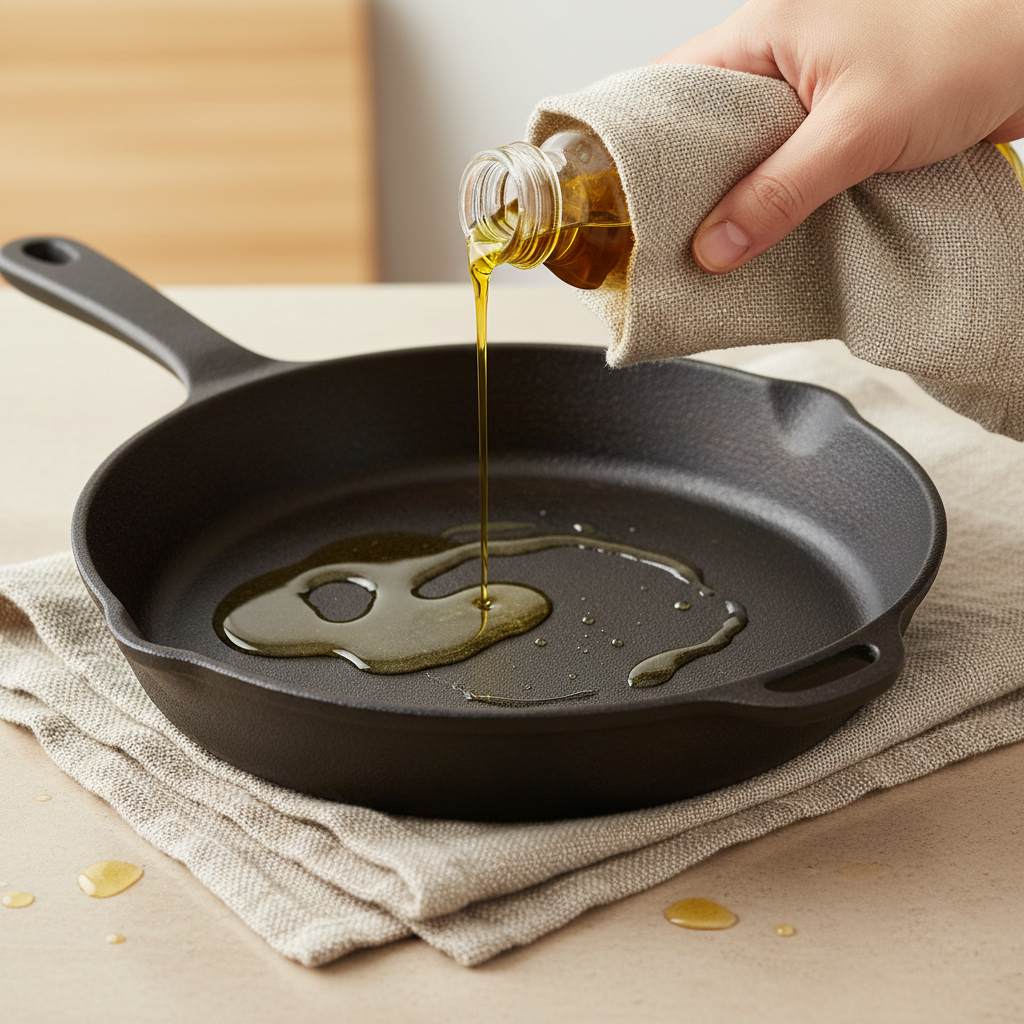
The raw material of a cast iron casserole pan is naturally porous. To transform this raw metal into a non-stick cooking surface, the process of "seasoning" is employed. This is not merely adding oil, but a chemical process called polymerization, where fats are heated beyond their smoke point to bond permanently to the iron.
The science behind the cast iron casserole pan seasoning involves creating a hard, plastic-like layer of carbonized oil. This layer fills the microscopic pores of the metal, creating a smooth surface that repels food and prevents rust. Over time, as more layers of polymerization occur, the pan develops a natural patina that improves its non-stick properties.
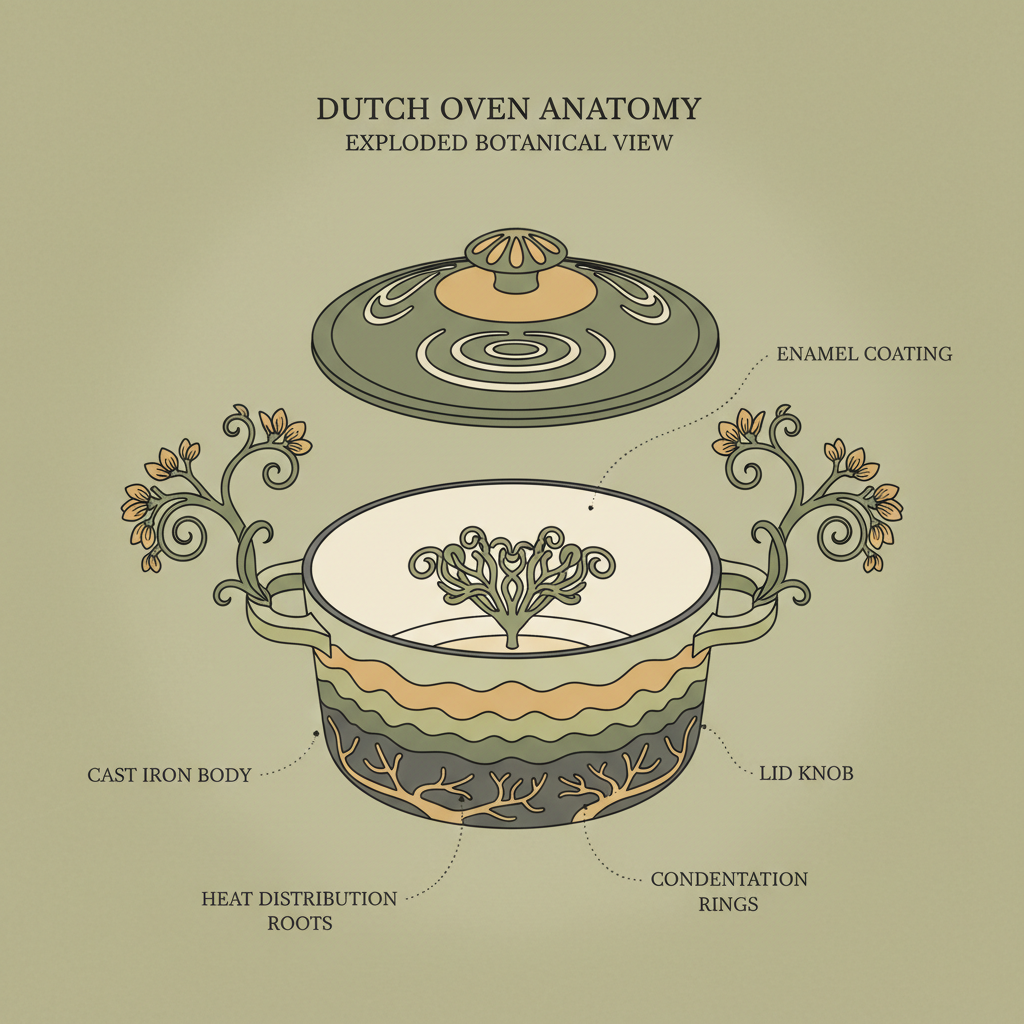
For those opting for enameled versions, a vitreous enamel coating is fused to the iron at extremely high temperatures. This eliminates the need for seasoning and allows the user to cook acidic foods, like tomato-based sauces, without the risk of the acid reacting with the iron and altering the taste of the dish.
Comparative Performance in Modern Kitchens
When comparing a cast iron casserole pan to alternatives like ceramic or anodized aluminum, the primary difference lies in longevity and heat retention. While aluminum heats up faster, it loses heat just as quickly, making it unsuitable for long-term oven braising where temperature consistency is paramount.
From a performance standpoint, the cast iron vessel excels in versatility. It can transition seamlessly from a stovetop sear to an oven roast, and even to a tabletop serving dish, maintaining food temperature for significantly longer than any other material. This versatility reduces the number of pots required during a complex meal preparation.
Performance Metrics of Various Cookware Types
Global Applications in Professional Gastronomy
In the world of professional gastronomy, the cast iron casserole pan is indispensable for "oven-to-table" service. High-end restaurants in France and Italy utilize these pans to maintain the temperature of signature dishes during the transit from the kitchen to the dining room, ensuring the guest receives the meal at the optimal serving temperature.
Beyond Western cuisine, these pans are increasingly used in modern fusion kitchens. For instance, they are utilized for slow-cooking traditional Asian braised pork belly, where the heavy lid prevents moisture loss and the iron base ensures the sugars in the glaze caramelize evenly without burning. This adaptability makes them a staple in diverse culinary environments globally.
Long-term Sustainability and Economic Value
From an economic perspective, the cast iron casserole pan is a "buy-it-once" product. While the initial cost may be higher than a cheap non-stick pan, the cost-per-use over a decade is significantly lower. Because it cannot be "worn out" in the traditional sense, it removes the need for the cycle of consumption and disposal that plagues the modern cookware industry.
Sustainability is further enhanced by the material's recyclability. Iron is one of the most recycled materials on earth. Even a damaged pan can be melted down and recast into new products without loss of quality. This circular economy approach aligns with global goals to reduce landfill waste and carbon footprints associated with aluminum smelting.
Emotionally, there is a value in "heritage cookware." A pan that has been seasoned over decades carries the history of a family's meals, creating a sentimental bond that mass-produced, disposable kitchenware cannot replicate. It represents a return to quality, patience, and the art of slow living.
Future Innovations in Cast Iron Metallurgy
The future of the cast iron casserole pan lies in the intersection of traditional casting and advanced material science. We are seeing the emergence of "lightweight cast iron," where alloys are adjusted to reduce the physical weight of the pan without compromising its legendary heat retention properties.
Digital transformation is also hitting the foundry. Automation and 3D printing for molds are allowing for more aerodynamic and ergonomically designed handles and lids, reducing the risk of wrist strain and improving the seal of the pan. These innovations make the product more accessible to a wider range of users, including the elderly and those with limited strength.
Finally, green energy initiatives are transforming how iron is smelted. The shift toward hydrogen-powered furnaces instead of coal-fired ones is reducing the CO2 emissions of production, ensuring that the cast iron casserole pan remains an eco-friendly choice from the moment of its creation to its use in the kitchen.
Analysis of Cast Iron Casserole Pan Material Variations
| Material Type |
Heat Distribution |
Maintenance Level |
Durability Score |
| Raw Cast Iron |
Excellent |
High (Seasoning req.) |
10/10 |
| Enameled Cast Iron |
Superior |
Low (Easy clean) |
9/10 |
| Lightweight Alloy |
Very Good |
Medium |
8/10 |
| Carbon Steel Hybrid |
Fast/Even |
High |
8/10 |
| Industrial Grade |
Maximum |
Medium |
10/10 |
| Ceramic Coated Iron |
Good |
Low |
7/10 |
FAQS
Start by cleaning the pan with mild soap and water, then dry it completely. Apply a very thin layer of unsaturated fat (like flaxseed or grapeseed oil) over the entire surface, including the handles. Rub off any excess oil with a clean paper towel. Place the pan upside down in an oven preheated to 450°F (230°C) for one hour. Let it cool inside the oven. Repeat this process 3-5 times to create a robust, non-stick polymerization layer.
Yes, absolutely. This is one of the primary advantages of enamel. The vitreous glass coating acts as a barrier between the food and the iron, meaning acidic ingredients like tomatoes, wine, or lemon juice will not react with the metal or impart a metallic taste to your food. This makes enameled pans ideal for stews, braises, and slow-cooked sauces.
Generally, no. For raw cast iron, the dishwasher will strip away the seasoning and cause the pan to rust almost immediately. For enameled cast iron, while some brands claim they are dishwasher safe, the harsh detergents can dull the enamel finish over time. We strongly recommend hand-washing with a soft sponge and warm water to preserve the lifespan of your cookware.
Sticking usually occurs for two reasons: either the pan hasn't been seasoned sufficiently, or the food was added before the pan reached the correct temperature. Ensure your seasoning is intact and glossy. When cooking, preheat the pan slowly. If you are searing meat, wait until the oil shimmers before adding the protein; the meat will naturally "release" from the surface once a proper sear has formed.
Don't panic; rust is superficial. Use a steel wool scrubber or a coarse salt scrub with a bit of oil to scrub away the oxidized areas. Once the bare metal is exposed, wash the pan and immediately dry it. Follow this with a full re-seasoning process in the oven to seal the metal again. Your pan will be as good as new.
Yes, cast iron is one of the best materials for induction cooking because it is ferromagnetic. The magnetic field of the induction cooktop interacts directly with the iron, allowing for incredibly efficient and fast heating. Just ensure the bottom of your pan is flat to maintain maximum contact with the cooktop surface.
Conclusion
The cast iron casserole pan is far more than just a piece of cookware; it is a synthesis of metallurgical engineering and culinary art. From its unmatched ability to regulate heat to its sustainable, lifelong durability, it solves the most common problems of modern cooking: inconsistent temperatures and disposable consumerism. By investing in a high-quality cast iron vessel, you are securing a tool that enhances flavor, simplifies preparation, and respects the environment.
As we look toward a future of sustainable gastronomy, the move back to heritage materials like cast iron is a logical step. Whether you are a professional chef or a home enthusiast, embracing the unique properties of this material allows for a deeper connection to the cooking process. We encourage you to explore our range of professional-grade cookware to find the perfect companion for your kitchen. Visit our website: www.hapichefcastiron.com