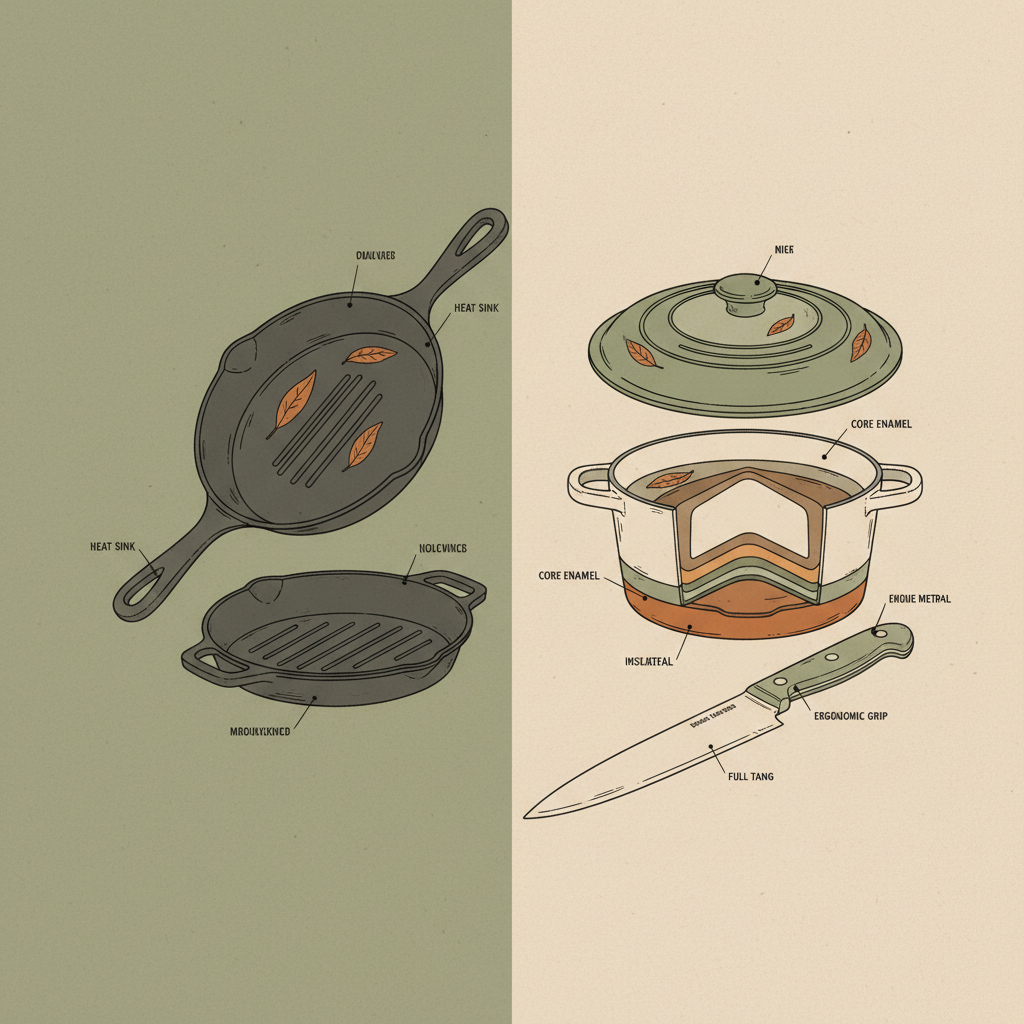
The enameled cast iron casserole represents the perfect marriage of traditional metallurgical strength and modern culinary convenience. For generations, cast iron has been prized for its unmatched heat retention, but the addition of a vitreous enamel coating has revolutionized its utility, eliminating the need for arduous seasoning while providing a non-reactive surface for acidic ingredients.
Globally, the shift toward sustainable, "buy-it-for-life" cookware has propelled the enameled cast iron casserole into the spotlight of professional and home kitchens alike. By combining the heavy-duty performance of industrial casting with a smooth, glass-like finish, these vessels offer a versatile solution for searing, braising, and baking, bridging the gap between high-heat stovetop work and slow-roasting in the oven.
Understanding the nuances of this cookware—from the chemistry of the enamel bond to its thermal conductivity—allows chefs and homeowners to maximize the efficiency of their energy use and the quality of their meals. Whether you are preparing a complex French Coq au Vin or a simple hearty stew, the structural integrity of a high-quality enameled cast iron casserole ensures consistent results every time.
The Global Market Context of Enameled Cookware
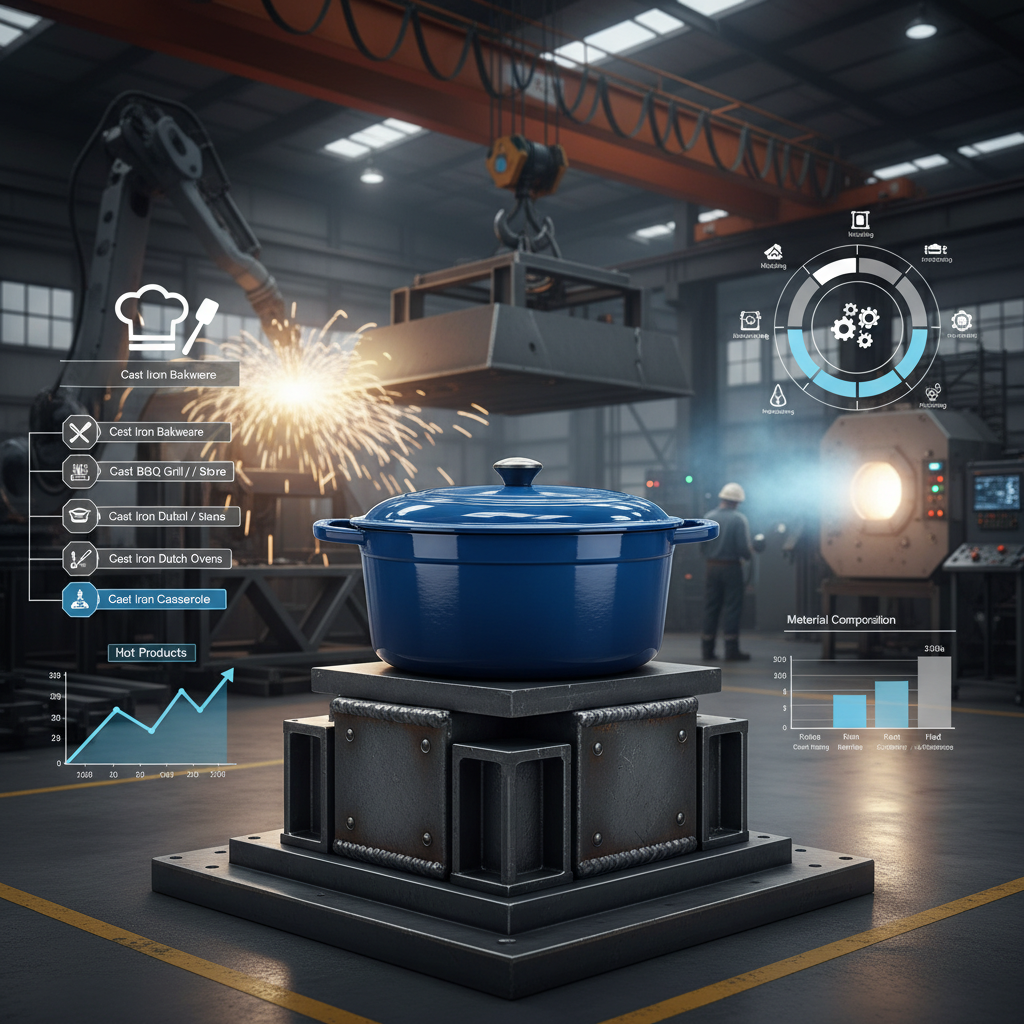
In the current global kitchenware landscape, the demand for an enameled cast iron casserole has surged as consumers move away from short-lived non-stick coatings. Market data suggests a growing preference for materials that comply with strict ISO safety standards and environmental regulations, as the toxicity associated with some synthetic polymers becomes a primary concern for health-conscious households.
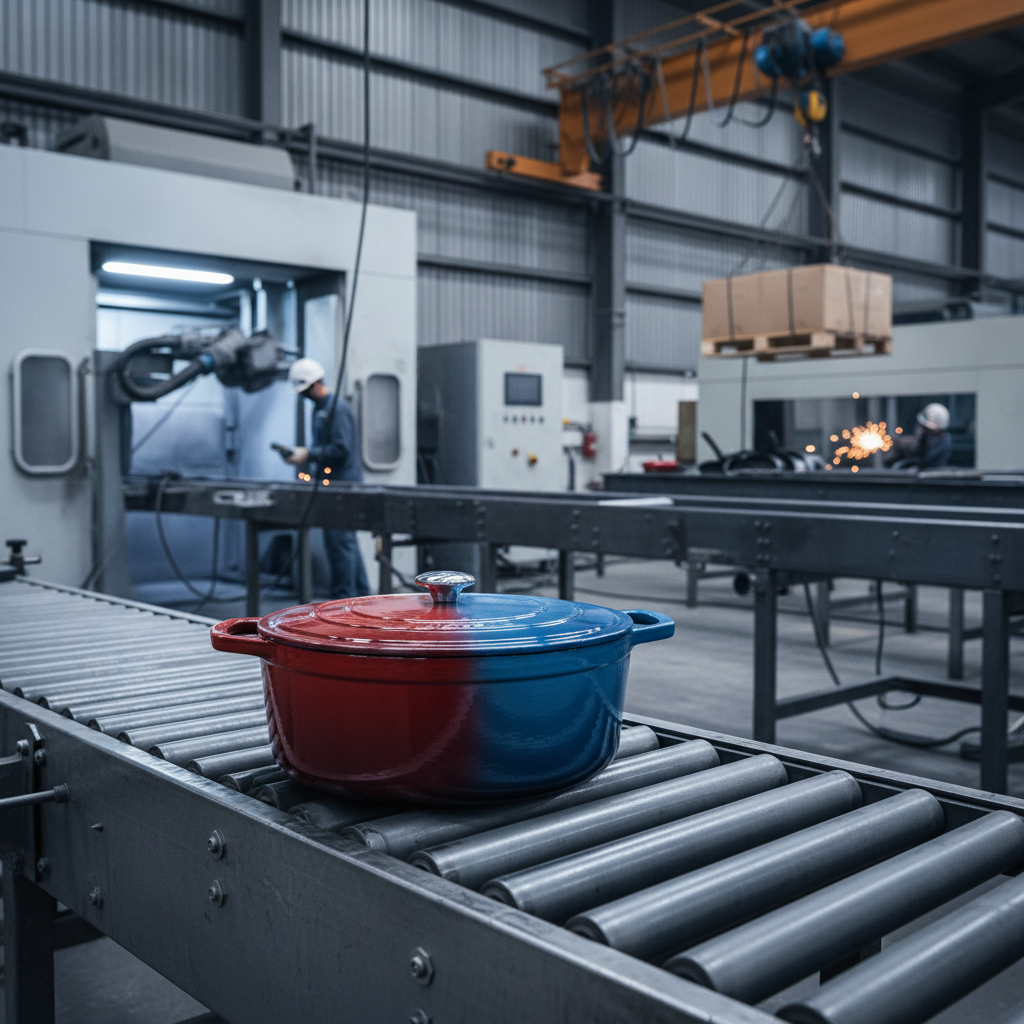
The industrial challenge has historically been the balance between the weight of the cast iron and the fragility of the enamel. However, advancements in fused-glass technology have allowed manufacturers to create a bond that resists chipping and thermal shock, making these pots a staple in both European bistros and North American home kitchens.
Defining the Enameled Cast Iron Casserole
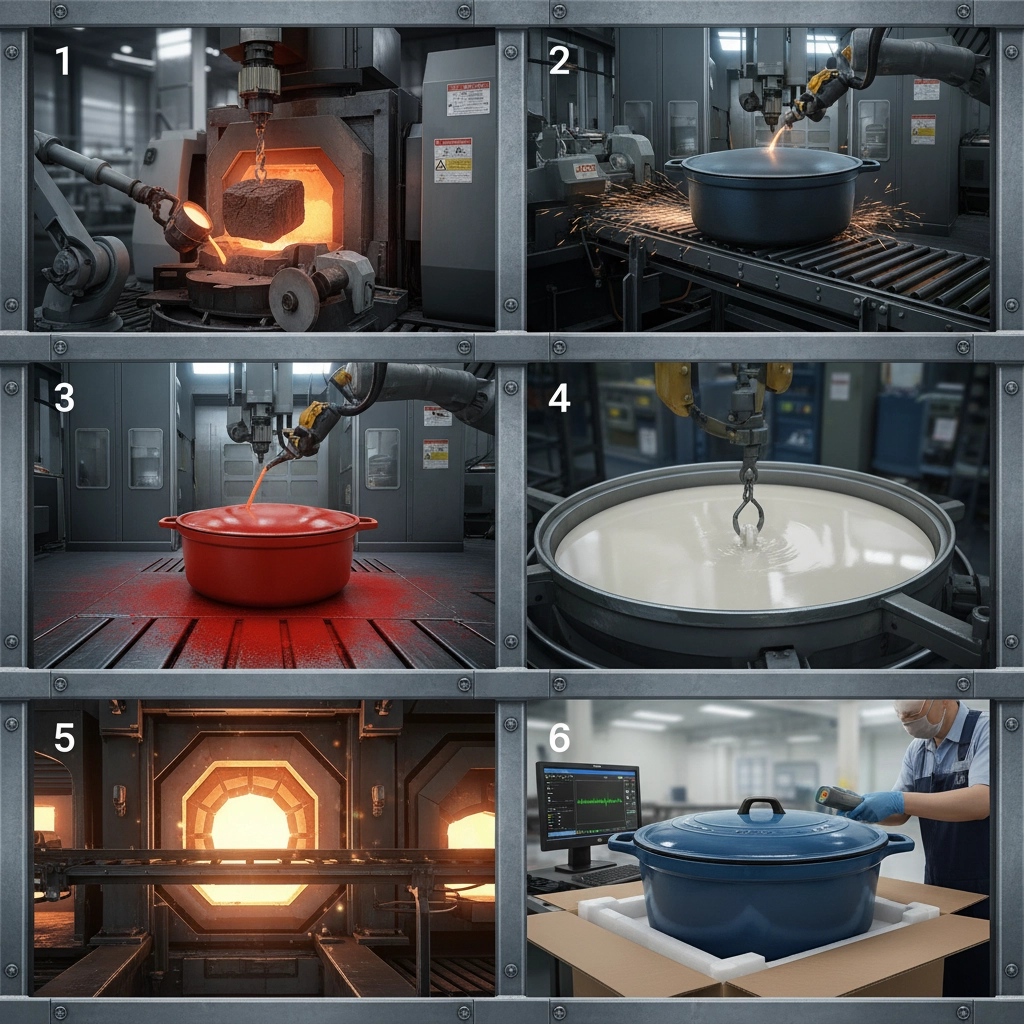
An enameled cast iron casserole is essentially a heavy-duty cast iron pot that has been coated with a porcelain enamel—a layer of powdered glass that is fused to the metal at extremely high temperatures. This process creates a smooth, non-porous surface that prevents the iron from reacting with acidic foods like tomatoes or wine, which would otherwise impart a metallic taste to the dish.
From an industrial perspective, this cookware solves the most significant drawback of raw cast iron: the requirement for constant seasoning and the risk of rust. By sealing the metal, the enamel provides a hygienic barrier that is easy to clean and maintain, making it accessible to the modern cook who demands professional results without the high-maintenance routine of traditional ironware.
Beyond its functional definition, it represents a shift toward "slow food" culture. The design of the casserole, typically featuring a heavy, tight-fitting lid, is engineered to trap steam and moisture, facilitating the braising process and ensuring that meats remain tender and flavorful over long cooking periods.
Core Components of Premium Casting and Coating
The durability of a high-end enameled cast iron casserole begins with the purity of the iron ore. Proper casting ensures that there are no air pockets or structural weaknesses in the walls of the pot, which prevents uneven heating and potential cracking under extreme temperature shifts.
The enamel coating itself is the critical component. A dual-layer application—often featuring a matte black interior for high-heat searing and a glossy exterior for aesthetics—ensures that the enameled cast iron casserole can handle everything from a searing steak to a slow-simmered soup without compromising the integrity of the surface.
Finally, the ergonomics of the handles and the precision of the lid fit are what separate industrial-grade cookware from budget options. A well-fitted lid creates a near-hermetic seal, reducing liquid evaporation and increasing the energy efficiency of the cooking process, which is vital in an era of rising energy costs.
Performance Metrics and Heat Distribution Analysis
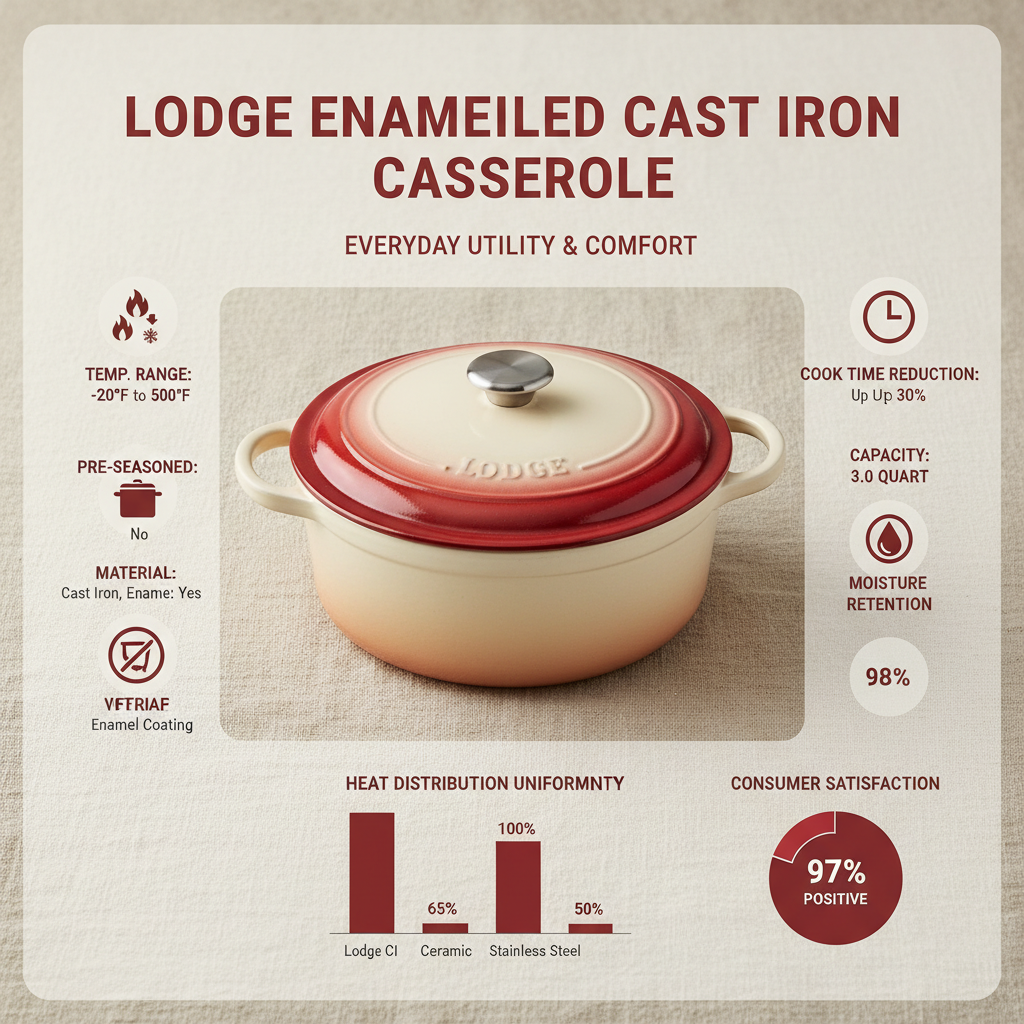
When evaluating the efficiency of an enameled cast iron casserole, the primary metric is thermal mass. Because cast iron is dense, it absorbs a significant amount of heat and distributes it evenly across the entire surface, eliminating the "hot spots" commonly found in thinner stainless steel or aluminum pans.
This consistency is what allows for a perfect Maillard reaction during the searing phase, followed by a steady, low-temperature simmer. The following data illustrates how different variations of enameled cast iron perform across key culinary requirements compared to standard cookware.
Comparative Performance of Enameled Cast Iron Casserole Types
Versatile Applications in International Cuisines
The enameled cast iron casserole is a global tool, adapting to the unique needs of various culinary traditions. In France, it is the cornerstone of the "pot-au-feu," where the vessel's ability to maintain a steady, low temperature for hours is essential for breaking down tough cuts of meat into tender delicacies.
In Asia, these pots are increasingly used for slow-cooked braised pork belly and clay-pot style rice dishes, providing the same heat-retention qualities as traditional ceramic pots but with the added durability of iron. The non-reactive nature of the enamel allows for the use of soy sauce and vinegars without the risk of leaching metallic flavors into the food.
Long-Term Value and Sustainability Benefits
Investing in an enameled cast iron casserole is an act of sustainability. Unlike Teflon-coated pans that degrade over a few years and end up in landfills, a high-quality enameled pot can last for decades, if not generations, provided it is cared for correctly.
From an economic perspective, the cost-per-use of these vessels is remarkably low. The reliability of the material means that home cooks do not need to replace their primary braising pot every few years, reducing overall consumption and waste.
Furthermore, the efficiency of heat retention means that once the pot reaches temperature, it requires less active energy to maintain that heat, contributing to a lower carbon footprint in the kitchen. This logical alignment with eco-friendly living makes it a preferred choice for the modern, conscious consumer.
Future Innovations in Enamel Metallurgy
The future of the enameled cast iron casserole lies in the integration of smarter materials and more sustainable production methods. We are seeing a shift toward "green casting," where foundries utilize recycled iron scrap and renewable energy to power the high-temperature furnaces required for the enameling process.
Innovation is also focusing on "smart enamel," which incorporates nano-coatings to further increase scratch resistance and enhance non-stick properties without the use of PFAS or other harmful chemicals. These advancements aim to make the pots lighter without sacrificing the thermal mass that makes them so effective.
As automation increases in the manufacturing sector, the precision of the enamel application is improving, leading to thinner, more uniform layers that are less prone to chipping. This ensures that the next generation of cookware will be even more durable and efficient.
Comparison of Enameled Cast Iron Casserole Specifications and Performance
|
Casserole Grade
|
Thermal Retention (1-10)
|
Enamel Durability (1-10)
|
Recommended Use Case
|
|
Entry-Level Enamel
|
7
|
6
|
Occasional Home Cooking
|
|
Mid-Range Gourmet
|
8
|
8
|
Frequent Braising & Baking
|
|
Professional Series
|
9
|
9
|
High-Volume Restaurants
|
|
Industrial Heavy-Wall
|
10
|
8
|
Slow-Roasting/Commercial
|
|
Nano-Coated Future
|
9
|
10
|
Ultra-Durable Modern Kitchen
|
|
Lightweight Alloy Mix
|
6
|
7
|
Rapid Stovetop Cooking
|
FAQS
No, unlike raw cast iron, an enameled cast iron casserole does not require seasoning. The enamel coating provides a non-porous, protective barrier that prevents the iron from rusting and eliminates the need for oil-based seasoning. Simply wash with warm soapy water and a soft sponge to maintain the surface.
It is highly recommended to use silicone, wood, or plastic utensils. While the enamel is very hard, metal utensils can scratch or chip the glass coating over time, which may expose the iron beneath and lead to rust or food sticking. To ensure your casserole lasts a lifetime, avoid abrasive tools.
Yes, one of the primary advantages of an enameled cast iron casserole is its oven-safe nature. Most are designed to withstand temperatures up to 500°F (260°C). Just be sure to use oven mitts, as the handles will become extremely hot due to the high thermal conductivity of the iron.
Avoid using steel wool or harsh scouring pads. Instead, simmer a mixture of water and a small amount of baking soda in the pot for 10 minutes. The heat and alkalinity will loosen the residue, allowing you to wipe it away easily with a soft cloth or nylon brush.
The weight comes from the density of the cast iron. This is a functional feature, not a flaw. The high mass is what allows the pot to retain heat so efficiently and distribute it evenly, which is critical for the slow-cooking and braising processes that these vessels are designed for.
Absolutely. Since the base is made of iron—a ferromagnetic material—it is perfectly compatible with induction hobs. The flat bottom of a quality casserole ensures maximum contact with the induction surface for optimal energy transfer and heating speed.
Conclusion
The enameled cast iron casserole stands as a testament to the enduring value of quality metallurgy in the modern age. By combining the legendary heat retention of cast iron with the hygienic, non-reactive benefits of vitreous enamel, it provides a versatile tool that enhances the flavor and texture of a wide array of global cuisines. From its industrial precision to its sustainability as a lifelong investment, it is far more than just a cooking pot; it is a cornerstone of a mindful and professional kitchen.
As we look toward the future of cookware, the emphasis on eco-friendly materials and energy-efficient cooking will only make the role of high-quality cast iron more prominent. For those seeking to elevate their culinary skills while reducing their environmental impact, investing in a premium enameled vessel is the most logical choice. Discover the perfect blend of tradition and innovation for your kitchen. Visit our website: www.hapichefcastiron.com