The enameled cast iron casserole dish represents the pinnacle of traditional metallurgical craft meeting modern culinary demands. Globally, these vessels are prized for their unparalleled heat retention and versatility, allowing a single pot to transition seamlessly from the stovetop to the oven and finally to the dining table. Understanding the science behind the enamel coating and the cast iron core is essential for any professional chef or home enthusiast seeking consistent, high-quality gastronomic results.
From a global industrial perspective, the demand for high-performance cookware has surged as consumers shift toward sustainable, lifelong kitchenware over disposable non-stick alternatives. The integration of vitreous enamel on cast iron solves the age-old problem of iron reactivity and the intensive maintenance required for seasoning, making the enameled cast iron casserole dish an accessible luxury that enhances food safety and flavor.
Whether it is used for a slow-simmered French beef bourguignon or a rustic sourdough bread bake, this tool addresses the challenge of temperature fluctuation. By providing a stable thermal environment, it eliminates hot spots that often lead to scorched food, ensuring that every meal is cooked with precision and care.
The Engineering Excellence of Enameled Cast Iron
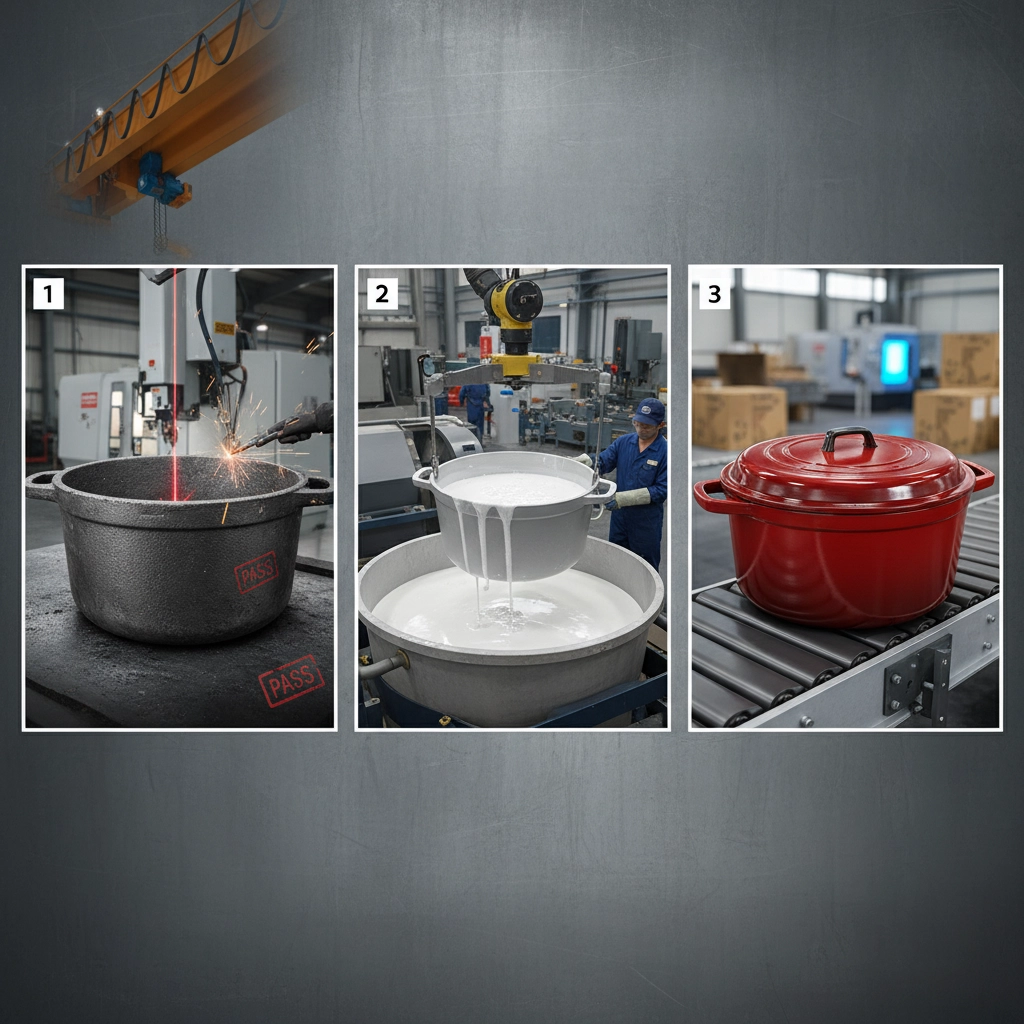
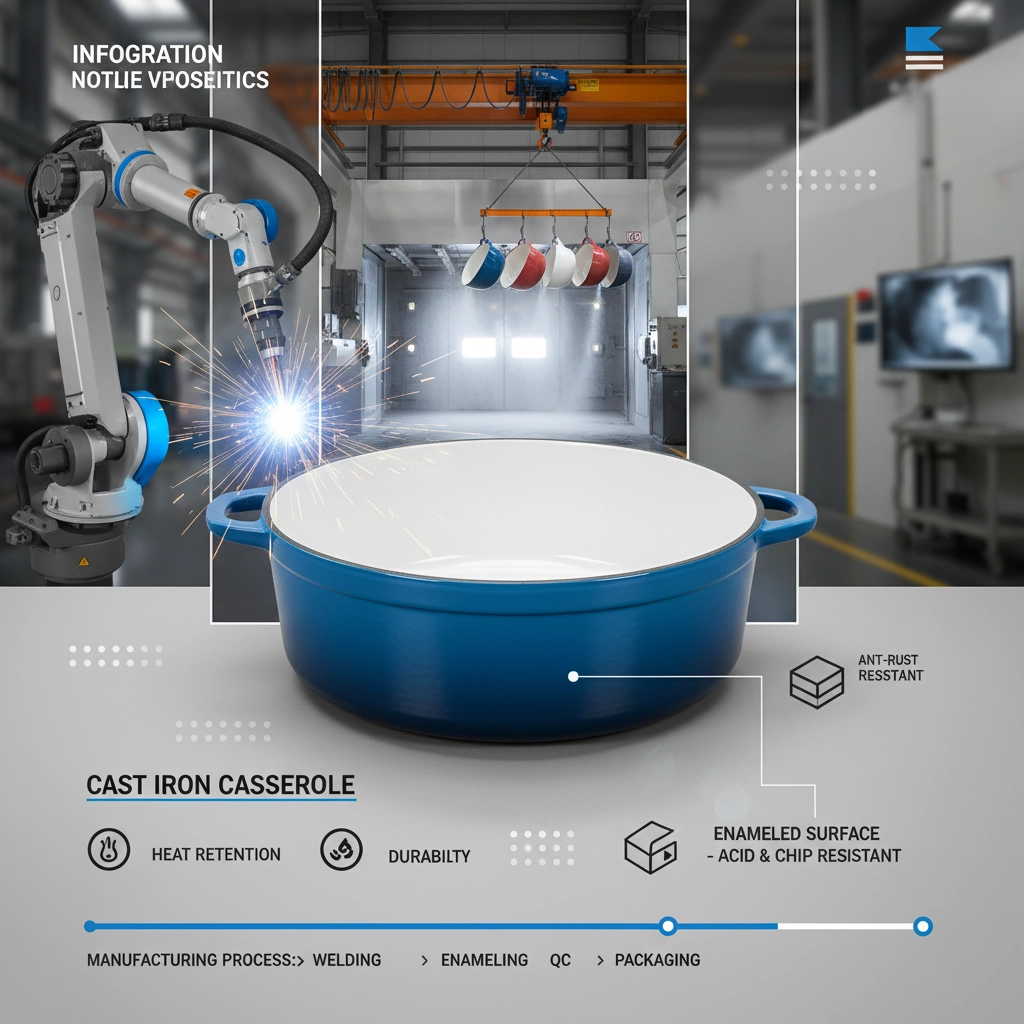
The production of an enameled cast iron casserole dish begins with the precision casting of molten iron, which provides the essential structural density and heat-holding capacity. This raw iron is then fused with a vitreous enamel—a glass-like coating—through a high-temperature firing process. This fusion creates a non-reactive surface that protects the iron from oxygen and moisture, effectively eliminating the risk of rust while removing the need for traditional oil seasoning.
From a technical standpoint, the synergy between the heavy iron base and the smooth enamel finish allows for superior heat distribution. While raw cast iron can sometimes be erratic, the enameled layer helps in diffusing heat more evenly across the surface, reducing the likelihood of localized burning. This engineering balance makes it an indispensable tool for braising, stewing, and roasting.
Global Market Trends and Culinary Adoption
In recent years, the global appetite for the enameled cast iron casserole dish has expanded beyond traditional European markets. Statistics indicate a growing trend in North America and Asia, where the "slow food" movement encourages cooking methods that prioritize flavor development over speed. This shift is mirrored in the ISO standards for cookware quality, where durability and non-toxicity are now primary drivers for consumer purchasing decisions.
One of the primary challenges addressed by this product is the inefficiency of thin-walled aluminum or stainless steel pots, which lose heat rapidly when lids are removed or ingredients are added. The heavy-duty nature of cast iron solves this by maintaining a constant internal temperature, which is critical for the collagen breakdown in tough cuts of meat—a cornerstone of traditional slow-cooking.
Furthermore, the rise of home-baking, particularly the artisanal sourdough trend, has repositioned the casserole dish as a "Dutch Oven" alternative. By trapping steam inside the enameled walls, these dishes simulate the environment of a professional steam-injection oven, allowing home bakers to achieve a bakery-style crust and airy crumb.
Defining the Anatomy of a Premium Casserole
To truly understand an enameled cast iron casserole dish, one must look at the relationship between the core and the coating. The core provides the "thermal mass," which acts as a heat battery, while the enamel provides the "chemical barrier," ensuring that acidic foods like tomato sauces do not leach metallic tastes into the meal.
A professional-grade enameled cast iron casserole dish is characterized by its tight-fitting lid, which prevents excessive moisture loss. This "seal" is what allows for the slow-braising process to occur without the need for constant water refills, concentrating the flavors of the ingredients into a rich, velvety sauce.
Beyond the materials, the ergonomics of the handles and the radius of the interior corners are critical for cleaning and handling. A well-designed dish ensures that there are no "dead zones" where food can get trapped, combining the ruggedness of industrial iron with the refined finish of modern glassware.
Key Performance Indicators of Thermal Efficiency
When evaluating the performance of an enameled cast iron casserole dish, we look at heat conductivity, retention, and distribution. Unlike copper, which heats quickly but loses it just as fast, cast iron absorbs energy slowly and releases it steadily. This makes it the ideal medium for long-duration cooking where a steady simmer is required for hours.
The efficiency of these vessels is often measured by their ability to maintain internal temperature after being removed from the heat source. This "carry-over cooking" capability ensures that the food stays warm throughout the serving process, providing a high level of reliability for large family gatherings or professional catering.
Thermal Performance Comparison of Casserole Materials
Real-World Applications in Professional Kitchens
In the high-pressure environment of a commercial kitchen, the enameled cast iron casserole dish is used as a "workhorse" for base sauces and protein braising. Because it can handle extreme heat, chefs often sear meats directly in the pot before adding liquids and moving the entire vessel into the oven. This reduces the number of pans used, simplifying the cleaning process and preventing the loss of flavorful brown bits (fond) during transfer.
Beyond traditional dining, these dishes are increasingly used in boutique hotels and farm-to-table restaurants where the aesthetic of the pot is part of the presentation. The vibrant enamel colors allow the dish to serve as both the cooking vessel and the serving platter, maintaining the food's temperature from the kitchen pass to the guest's table while adding a rustic, artisanal charm to the dining experience.
Long-Term Value and Sustainable Investment
When considering the lifecycle cost, an enameled cast iron casserole dish is significantly more sustainable than modern non-stick pans. While Teflon-coated pans often degrade within two to five years, a high-quality enameled pot can last for generations if cared for properly. This longevity reduces the environmental impact of manufacturing and lowers the frequency of landfill waste.
From a financial perspective, the "cost per use" becomes negligible over time. The reliability of the materials ensures that there is no need for frequent replacements, and the versatility of the dish (functioning as a pot, oven-dish, and serving bowl) eliminates the need for purchasing multiple specialized pieces of cookware.
Moreover, the emotional value of "heirloom cookware" cannot be overstated. Many users find a sense of dignity and trust in owning a tool that is built to outlast the user, fostering a connection to traditional cooking methods and a slower, more intentional way of living.
Future Innovations in Enamel Coating Technology
The future of the enameled cast iron casserole dish lies in the advancement of "smart enamel" and eco-friendly firing processes. Researchers are exploring new compositions of vitreous enamel that are even more resistant to chipping and thermal shock, ensuring that the bond between the glass and the iron remains intact even under extreme temperature swings.
Digital transformation is also impacting the manufacturing stage. Automated precision casting and robotic enamel spraying are reducing material waste and ensuring a perfectly uniform thickness of the coating. This precision eliminates the "weak spots" that traditionally led to enamel cracking, thereby extending the product's lifespan.
Additionally, there is a strong push toward "green energy" in the foundries. By utilizing induction melting and carbon-neutral firing kilns, the production of cast iron bakeware and casserole dishes is becoming more aligned with global sustainability goals, ensuring that the products are as green as they are durable.
Comparative Analysis of Enameled Cast Iron Technical Specifications
| Material Grade |
Enamel Type |
Thermal Stability |
Expected Lifespan |
| Premium Grey Iron |
Vitreous Double-Coat |
Exceptional (9/10) |
50+ Years |
| Standard Cast Iron |
Single-Layer Enamel |
High (7/10) |
20-30 Years |
| Lightweight Alloy |
Ceramic Coating |
Moderate (6/10) |
5-10 Years |
| Industrial Grade |
Matte Black Enamel |
Very High (8/10) |
40+ Years |
| Eco-Cast Iron |
Lead-Free Glass |
High (8/10) |
30+ Years |
| Composite Iron |
Hybrid Glaze |
Moderate (7/10) |
15-20 Years |
FAQS
No, unlike raw cast iron, the enameled version does not require seasoning. The enamel coating acts as a non-reactive barrier that prevents food from sticking and protects the iron from rusting. You can use it straight out of the box with just a simple wash. However, using a small amount of oil or butter during cooking is still recommended for searing meats.
Yes, absolutely. Because the core of the dish is made of cast iron, which is a ferromagnetic material, it is perfectly compatible with induction hobs. The enamel coating does not interfere with the magnetic field, ensuring efficient and rapid heating across the entire base of the pot.
Avoid using steel wool or harsh abrasive scrubbers, as these can scratch the enamel. The best method is to simmer a mixture of water and baking soda in the dish for 10-15 minutes. This will loosen the burnt residue, allowing you to wipe it away easily with a soft sponge or nylon brush.
High-quality enameled cast iron is made from vitreous enamel, which is essentially a form of glass. It is non-reactive, meaning it won't leach chemicals or metallic flavors into your food, even when cooking highly acidic ingredients like tomatoes or wine. Always ensure your cookware is certified lead-free and food-safe.
While many manufacturers claim they are dishwasher safe, it is highly recommended to hand-wash your enameled cast iron. Dishwasher detergents can be quite abrasive and may dull the shine of the enamel over time. A gentle wash with warm soapy water is the best way to maintain the finish for decades.
Most premium enameled dishes can withstand temperatures up to 500°F (260°C). However, to prevent the enamel from cracking due to thermal shock, it is best to avoid extreme temperature jumps—such as putting a cold pot directly onto a high-heat burner or plunging a hot pot into ice-cold water.
Conclusion
The enameled cast iron casserole dish stands as a masterclass in functional design, bridging the gap between industrial durability and culinary precision. By combining the heat-retentive power of cast iron with the hygienic, non-reactive properties of vitreous enamel, it provides a versatile solution for everything from slow-cooked stews to artisanal baking. Its ability to provide consistent thermal performance makes it not just a tool, but an investment in the quality and health of the meals we prepare.
As we move toward a future defined by sustainability and a return to mindful consumption, choosing heirloom-quality cookware is a meaningful step. We encourage chefs and home cooks alike to embrace the longevity and reliability of enameled cast iron to elevate their culinary artistry. To explore our full range of professional-grade cookware, visit our website: www.hapichefcastiron.com.