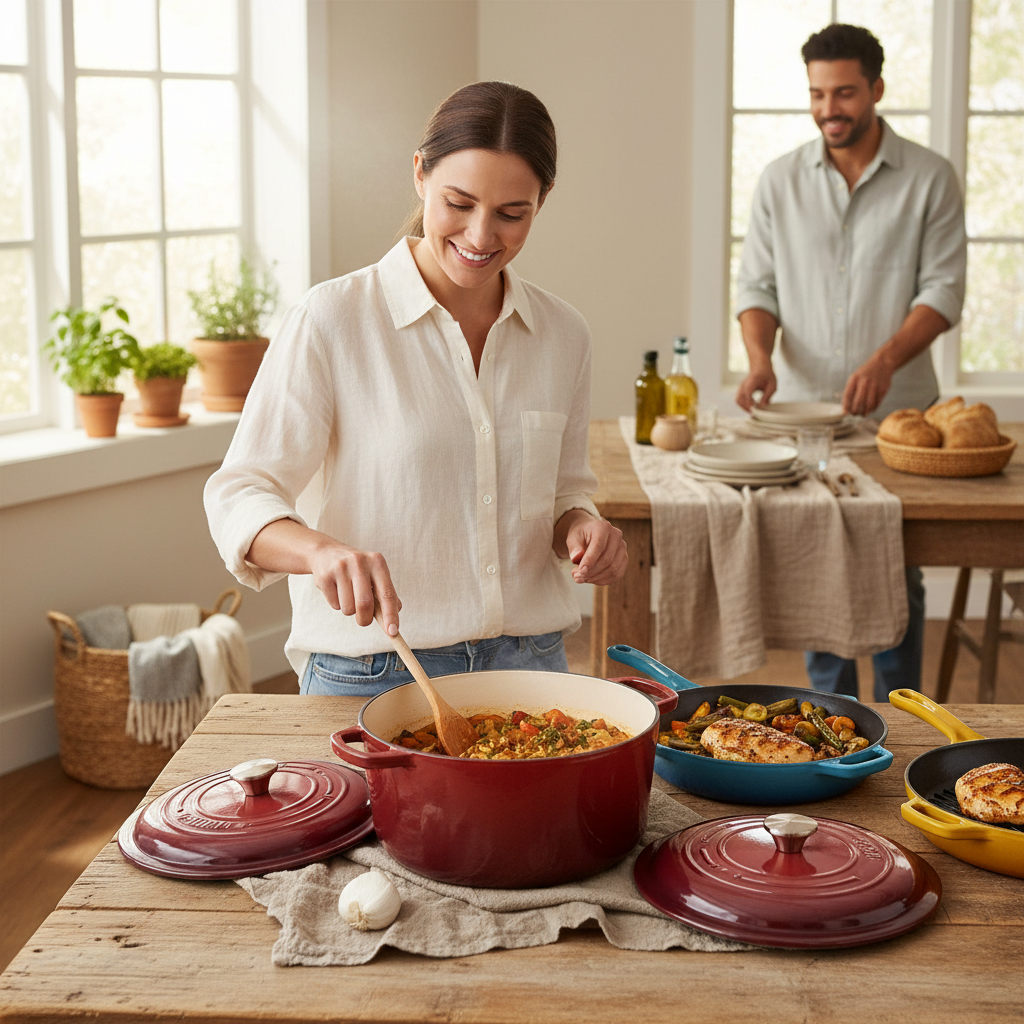
The cast iron casserole dish represents a timeless intersection of metallurgical durability and culinary artistry. Across the globe, these heavy-duty vessels are revered for their unmatched heat retention and the ability to transition seamlessly from a stovetop sear to a slow oven braise, making them an essential tool for professional chefs and home enthusiasts alike.
Beyond mere functionality, the appeal of the cast iron casserole dish lies in its longevity and sustainability. In an era of disposable non-stick pans that degrade within a few years, a well-maintained cast iron piece can last for generations, absorbing the flavors of a thousand meals and becoming a cherished family heirloom.
Understanding the nuances of material composition, seasoning, and thermal dynamics is key to unlocking the full potential of this cookware. Whether you are simmering a rich beef bourguignon or baking a crusty sourdough loaf, the steady, enveloping heat of a cast iron casserole dish ensures consistent results and deep flavor development.
Global Relevance of the Cast Iron Casserole Dish
The global demand for the cast iron casserole dish has seen a significant resurgence, driven by a worldwide shift toward "slow food" and sustainable living. According to industry trade data, the market for traditional metalware has stabilized as consumers move away from synthetic coatings, favoring the natural, non-toxic properties of seasoned cast iron. This trend is particularly evident in European and North American markets, where heritage cooking methods are being rediscovered.
However, the industry faces a challenge: the perception that cast iron is too heavy or difficult to maintain. To address this, modern manufacturing has focused on optimizing the weight-to-strength ratio and introducing pre-seasoned finishes that lower the barrier to entry for new users without compromising the metallurgical integrity of the vessel.
Defining the Cast Iron Casserole Dish in Modern Kitchens
In simple terms, a cast iron casserole dish is a heavy, thick-walled pot made from molten iron poured into a mold. Unlike thinner aluminum or stainless steel pots, it is designed for high thermal mass, meaning it holds a vast amount of heat energy and distributes it evenly across the surface, preventing "hot spots" that often burn food.
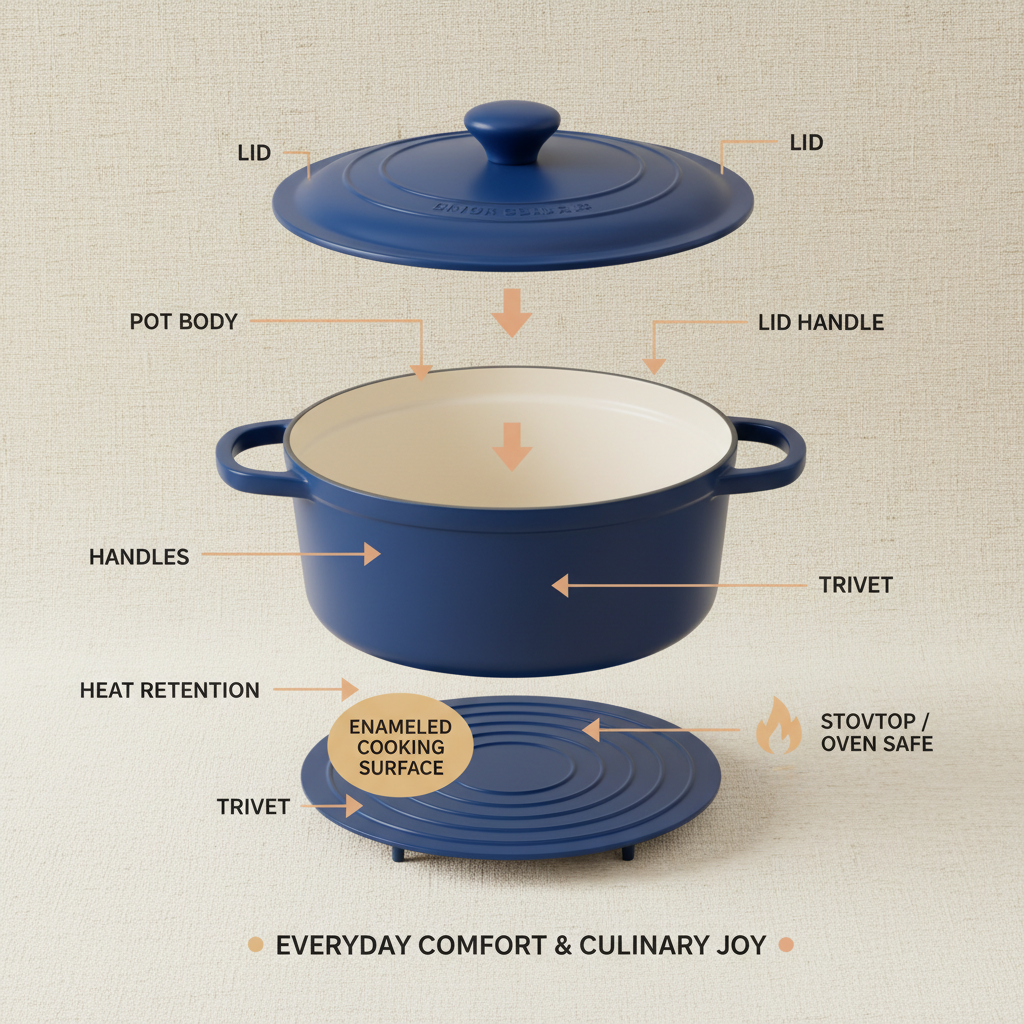
In the context of modern industry, these dishes are no longer just rustic tools but are engineered precision instruments. They often feature tight-fitting lids to create a self-basting environment, where steam condenses on the lid and drips back into the food, keeping meats moist and vegetables tender during long roasting processes.
From a humanitarian and economic perspective, the cast iron casserole dish is a symbol of efficiency. Because it can be used over an open fire, a gas range, or in an electric oven, it provides a versatile solution for food preparation across diverse socio-economic environments, from high-end urban kitchens to remote rural areas.
Core Components of High-Quality Cast Iron Performance
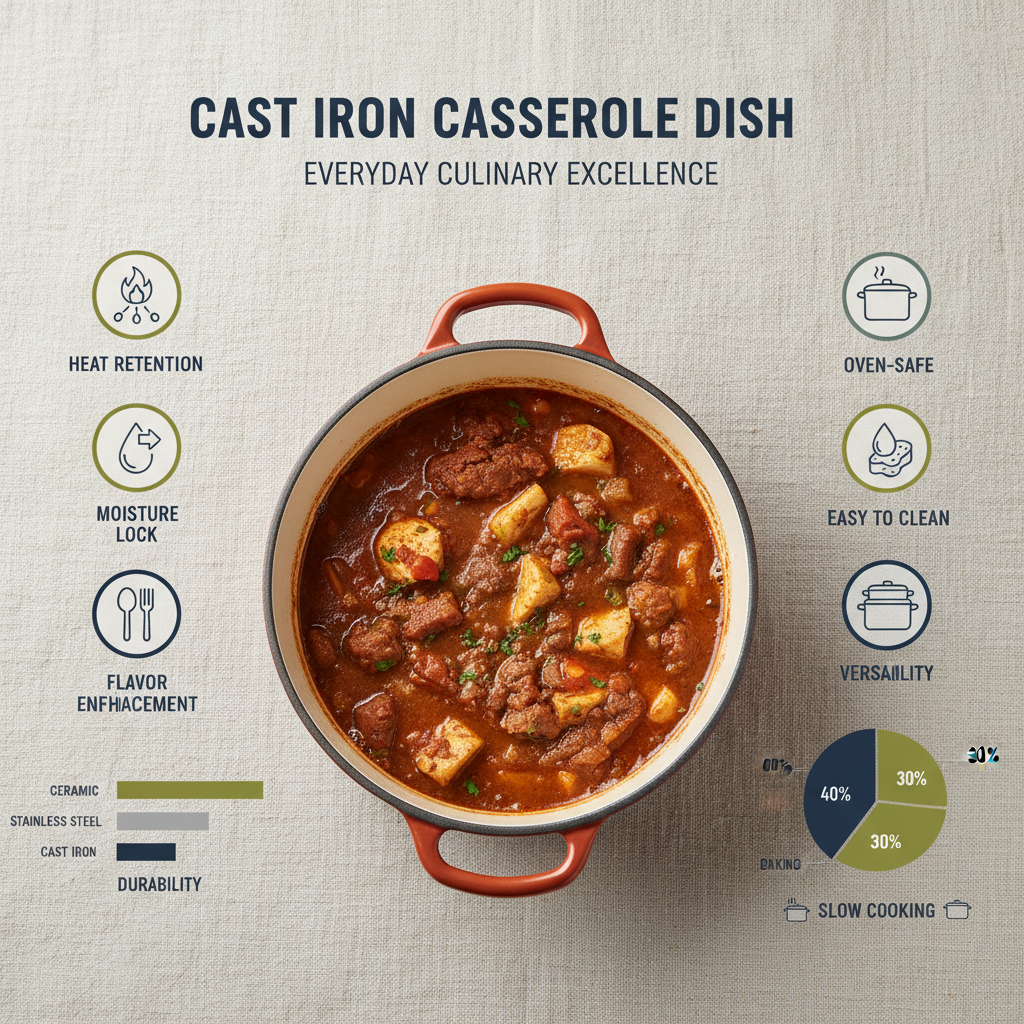
The primary factor in the performance of a cast iron casserole dish is its Thermal Stability. The density of the iron ensures that when the dish is heated, it maintains a consistent temperature even when cold ingredients are added, which is critical for achieving a perfect sear on proteins before transitioning to a slow simmer.
Durability and Resilience are the hallmarks of the cast iron casserole dish. Unlike ceramic or glass, which can crack under thermal shock, or Teflon, which peels over time, cast iron is nearly indestructible. Its ability to be "re-seasoned"—the process of baking oil into the metal to create a natural polymer layer—means that even a rusted pan can be restored to mint condition.
Finally, Chemical Inertness and Health play a huge role. A properly seasoned cast iron casserole dish provides a naturally non-stick surface without the use of PFOAs or PFAS, making it a preferred choice for health-conscious consumers who wish to avoid synthetic chemicals in their food preparation.
Global Applications and Culinary Use Cases
The application of the cast iron casserole dish spans continents and cuisines. In France, it is the gold standard for the "Cocotte" style of cooking, essential for slow-cooked stews. In the United States, it is frequently used for Southern-style baking, such as cornbread and pot roasts, where the bottom heat must be intense and steady to create a golden crust.
Beyond the domestic kitchen, these vessels are utilized in professional catering and outdoor culinary events. Because they can withstand extreme heat, they are often used in wood-fired oven settings or over campfires in remote industrial zones where traditional electrical appliances are unavailable, proving their reliability in the harshest conditions.
Performance Efficiency of Various Cast Iron Casserole Dish Types
Long-Term Value and Sustainable Benefits
Investing in a cast iron casserole dish is a logical move for both the wallet and the planet. From a cost-efficiency perspective, the "cost-per-use" drops to nearly zero over several decades, as the item does not require replacement. This stands in stark contrast to the "planned obsolescence" found in many modern kitchen gadgets.
Furthermore, the sustainability impact is profound. Cast iron is 100% recyclable. When a piece finally reaches the end of its life—which could be a century from now—the metal can be melted down and repurposed without any loss in quality. This circular lifecycle reduces the demand for new mining and lowers the carbon footprint associated with the manufacturing of short-lived cookware.
Future Innovations in Cast Iron Manufacturing
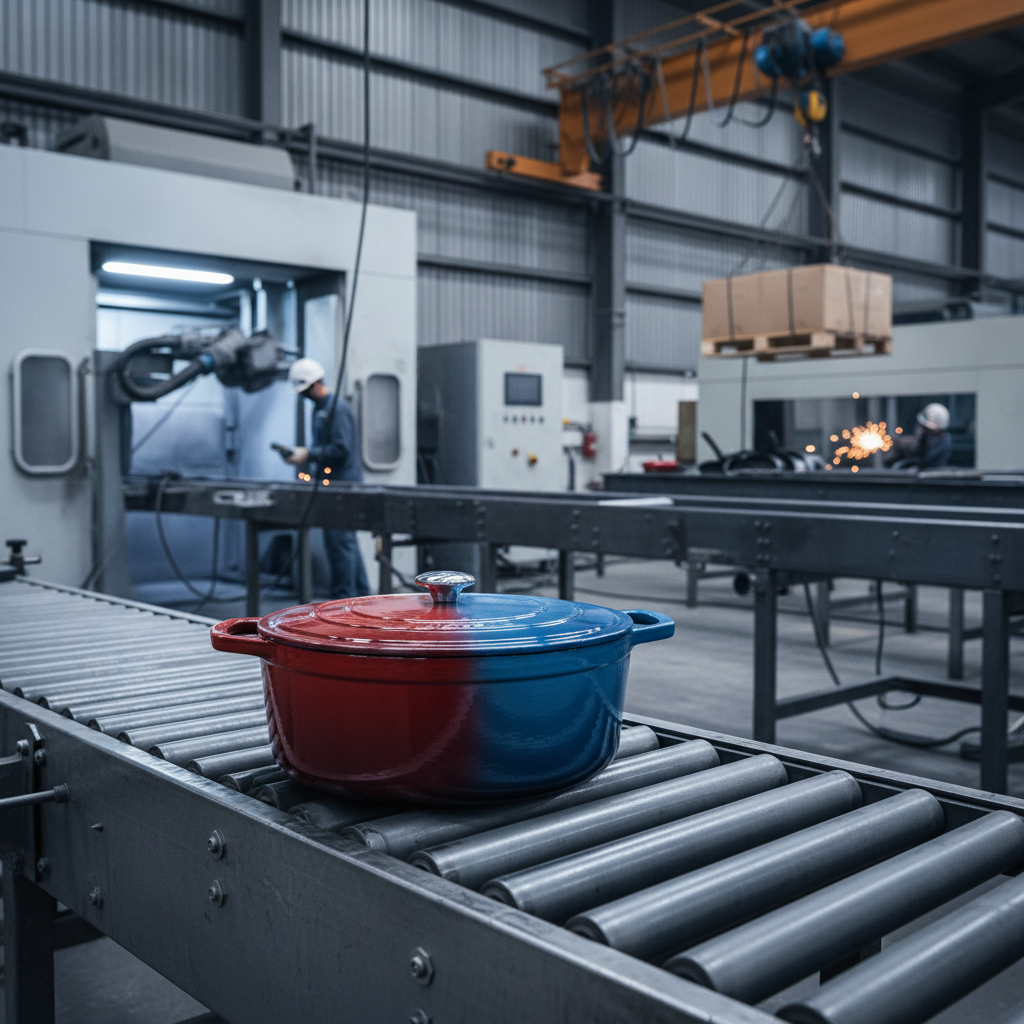
The future of the cast iron casserole dish is being shaped by advances in material science and automation. We are seeing the introduction of "precision casting" techniques that allow for thinner walls in certain areas to reduce weight while maintaining thickness at the base for heat retention. This makes the vessels more accessible to a broader range of users.
Additionally, the industry is exploring eco-friendly enameling processes. By replacing traditional lead-based or heavy-metal glazes with organic, mineral-based alternatives, manufacturers are enhancing the safety and "green" credentials of enameled cast iron.
Digital transformation is also playing a role. Smart induction-compatible bases are being developed, allowing the cast iron casserole dish to work more efficiently with energy-saving induction hobs, blending old-world durability with 21st-century energy policies.
Overcoming Common Challenges in Cast Iron Usage
The most common complaint regarding the cast iron casserole dish is the risk of rust. This occurs when moisture reacts with the iron surface. The solution is simple but disciplined: immediate drying after washing and a thin application of cooking oil. For those who find this tedious, the transition to enameled cast iron provides a glass-like coating that eliminates the need for seasoning and prevents oxidation entirely.
Another challenge is the "weight factor." To overcome this, ergonomic handle designs are being implemented, allowing for a more secure grip and easier transport from the oven to the table. Education on "low and slow" heating also prevents the common mistake of overheating the pan, which can damage the seasoning.
By combining professional maintenance tips with improved industrial design, the barriers to using cast iron are vanishing. The result is a cookware experience that combines the reliability of the past with the convenience of the present.
Analysis of Cast Iron Casserole Dish Maintenance and Performance Factors
| Material Type |
Maintenance Level |
Heat Distribution Score |
Lifespan Expectancy |
| Raw Cast Iron |
High (Requires Seasoning) |
10/10 |
Lifetime/Generational |
| Enameled Cast Iron |
Low (Dishwasher Safe) |
9/10 |
20-50 Years |
| Pre-Seasoned Iron |
Medium |
10/10 |
Lifetime |
| Lightweight Alloy |
Medium |
7/10 |
10-15 Years |
| Industrial Grade |
Medium |
10/10 |
Lifetime |
| Cast Aluminum Mix |
Low |
6/10 |
5-10 Years |
FAQS
Yes, for slow-cooking and braising. While stainless steel is better for quick boiling or acidic reductions, the cast iron casserole dish offers superior heat retention and distribution. This prevents food from burning in one spot and ensures that large cuts of meat are cooked evenly throughout, which is nearly impossible in thinner stainless steel pots.
Modern dish soaps are generally mild enough that they won't strip a well-polymerized seasoning layer. However, for raw cast iron, it is best to use warm water and a brush. For enameled versions, you can use soap and even a dishwasher, although hand-washing is always recommended to preserve the enamel's luster over the long term.
You will notice the need for re-seasoning if food begins to stick more than usual, or if you see dull patches or small spots of rust on the surface. When the surface loses its "glassy" black sheen and becomes matte or grey, it's time to apply a thin layer of oil and bake it in the oven at high heat.
Absolutely. This is one of the greatest advantages of the cast iron casserole dish. You can sear your meat on a high-heat burner to lock in juices and then move the entire pot into the oven for a low-temperature braise. Just remember that the handles will be extremely hot, so always use oven mitts.
Yes, small amounts of dietary iron can leach into food, especially when cooking acidic ingredients like tomatoes. For most people, this is a beneficial nutritional boost. However, if you are on a strictly controlled iron diet, you may prefer an enameled cast iron casserole dish, as the enamel layer creates a barrier between the food and the metal.
The weight is a result of the high density of iron. This mass is exactly what allows the dish to absorb and hold heat so efficiently. While it requires a bit more effort to lift, this weight ensures that your food doesn't drop in temperature when you add new ingredients, which is the secret to professional-grade culinary results.
Conclusion
The cast iron casserole dish is more than just a piece of cookware; it is a commitment to quality, sustainability, and the art of slow cooking. By combining unmatched thermal efficiency with a lifespan that spans generations, it solves the modern dilemma of disposable consumerism while delivering professional-grade results in any kitchen environment.
As we move toward a future of conscious consumption, the return to traditional materials like cast iron is not a step backward, but a step toward a more sustainable and flavorful way of living. We encourage you to invest in a piece that will grow with your culinary skills and eventually become a legacy for your children. Visit our website for more premium options: www.hapichefcastiron.com