The culinary world has seen a resurgence in traditional cookware, with the cast iron casserole pot standing as a testament to enduring quality and performance. Unlike modern non-stick alternatives that degrade over time, these heavy-duty vessels offer unparalleled heat retention and distribution, making them indispensable for slow-cooking, braising, and baking. Understanding the nuances of this tool is key to unlocking professional-grade results in a home kitchen.
Globally, the demand for high-performance cookware is shifting toward sustainability and longevity. The cast iron casserole pot addresses the modern consumer's desire to move away from "disposable" kitchenware. By investing in a piece that can last for generations, cooks not only improve their gastronomic output but also reduce the environmental footprint associated with frequent replacements of Teflon-coated pans.
Whether you are a professional chef managing a high-volume restaurant or a home cook preparing a Sunday roast, the versatility of a cast iron casserole pot provides a unique bridge between stove-top searing and oven-baked tenderness. In this comprehensive guide, we will explore the technical superiority, practical applications, and long-term value of incorporating this essential tool into your culinary arsenal.
The Global Significance of Cast Iron Casserole Pot
From the rustic kitchens of France to the bustling street markets of Asia, the cast iron casserole pot has remained a global staple. Its ability to withstand extreme temperatures and maintain a steady heat source makes it ideal for diverse cooking styles, including the slow-simmering techniques required for traditional stews and the high-heat searing needed for modern fusion cuisine.
In an era of rapid industrialization, the return to cast iron reflects a broader movement toward "Slow Food" and mindful consumption. By leveraging the thermal mass of a heavy pot, cooks can achieve a level of moisture retention and flavor depth that is simply impossible with thinner, aluminum-based cookware, making it a cornerstone of global culinary heritage.
Defining the Engineering of a Cast Iron Casserole Pot
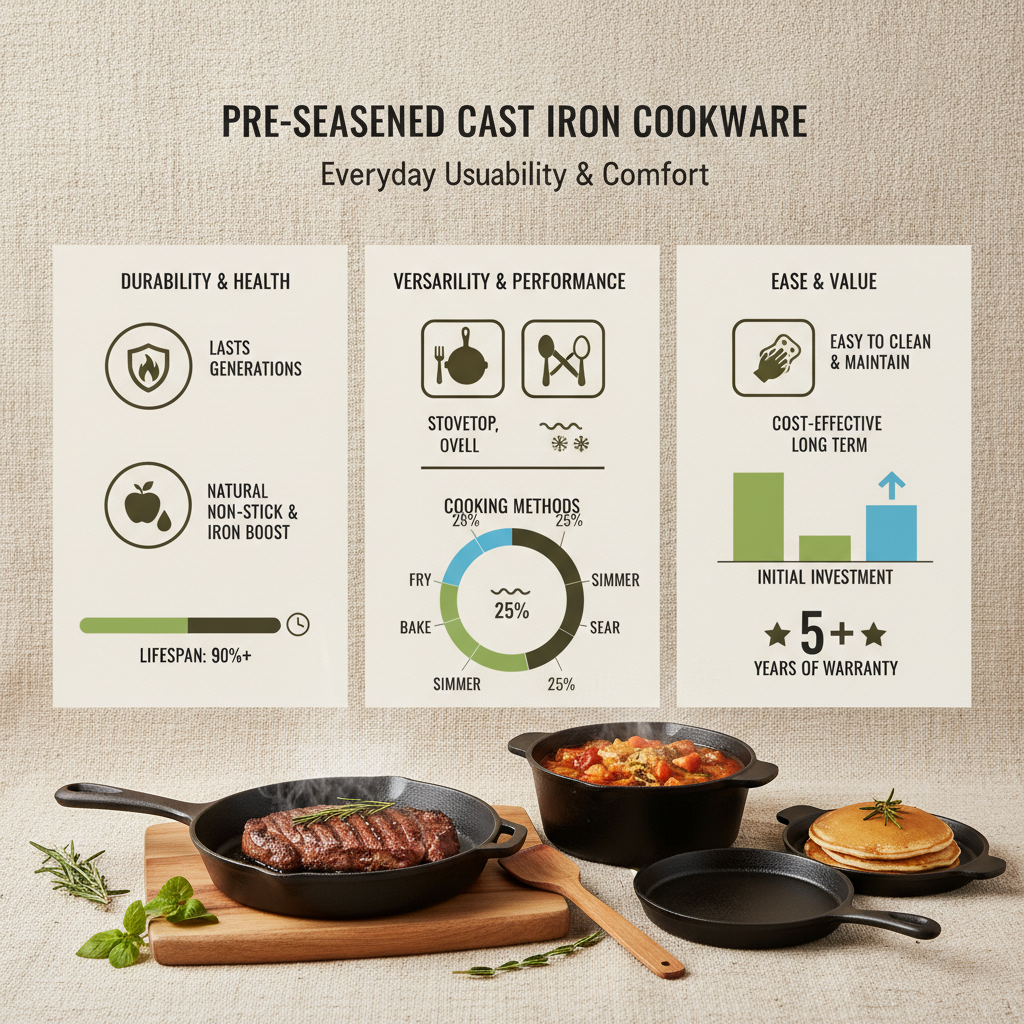
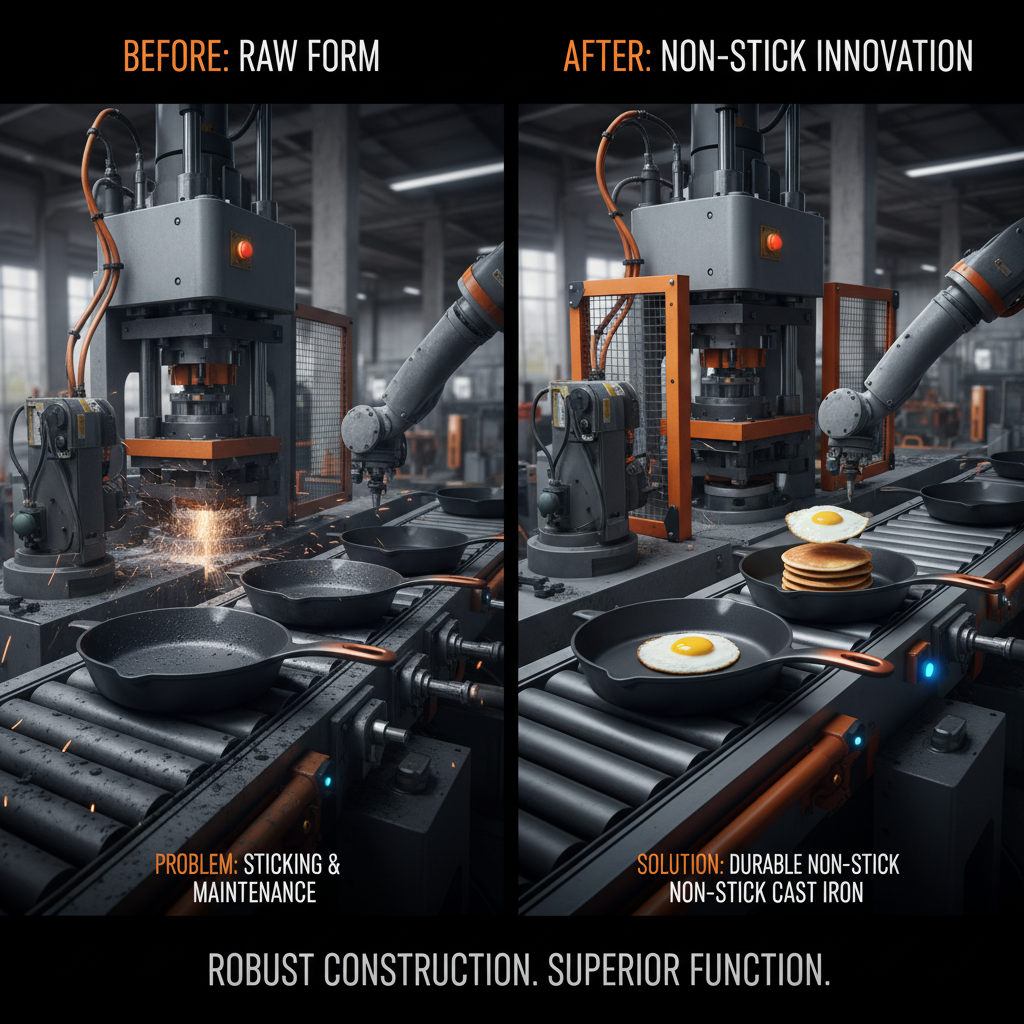
At its core, a cast iron casserole pot is a heavy-duty cooking vessel created by pouring molten iron into a mold. This process results in a dense, porous structure that, when seasoned correctly, creates a natural non-stick surface. Unlike stainless steel, which reflects heat, cast iron absorbs and radiates it, creating an oven-like environment even when placed on a stovetop.
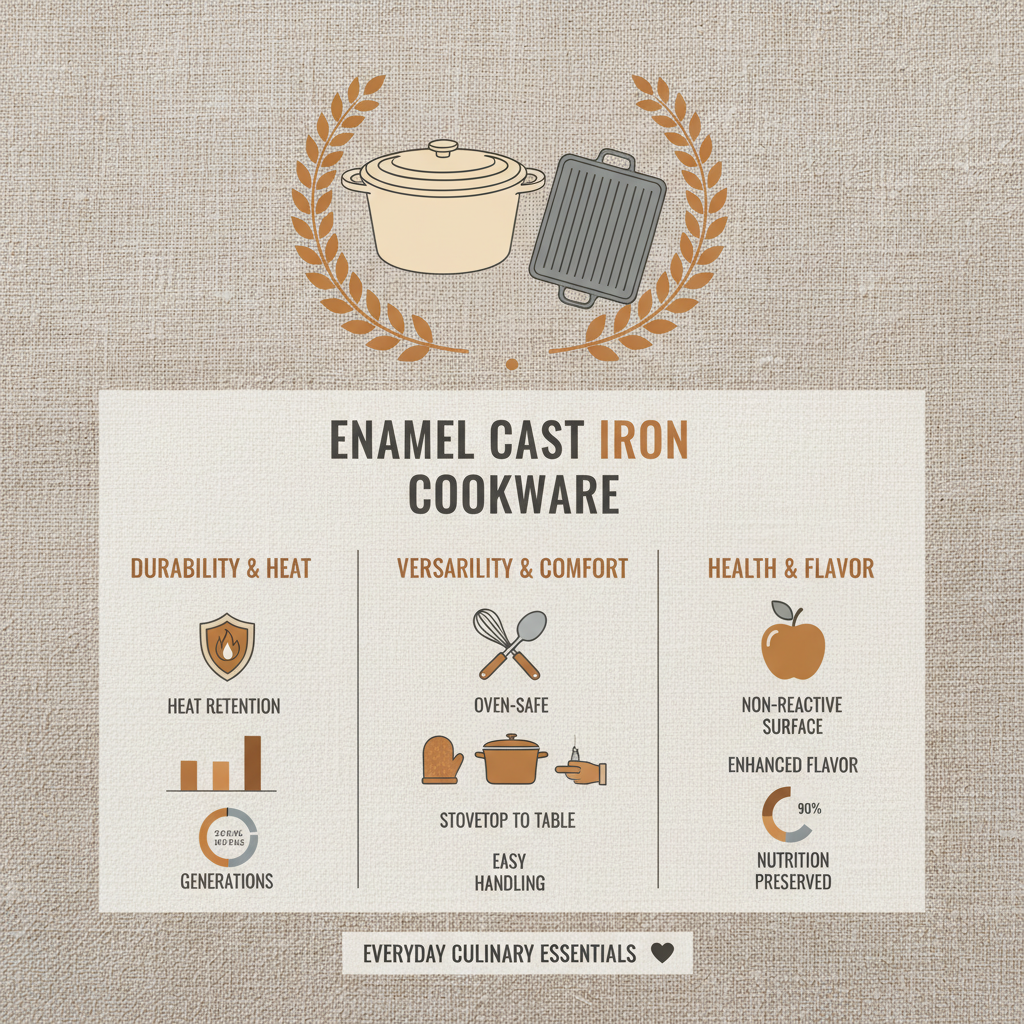
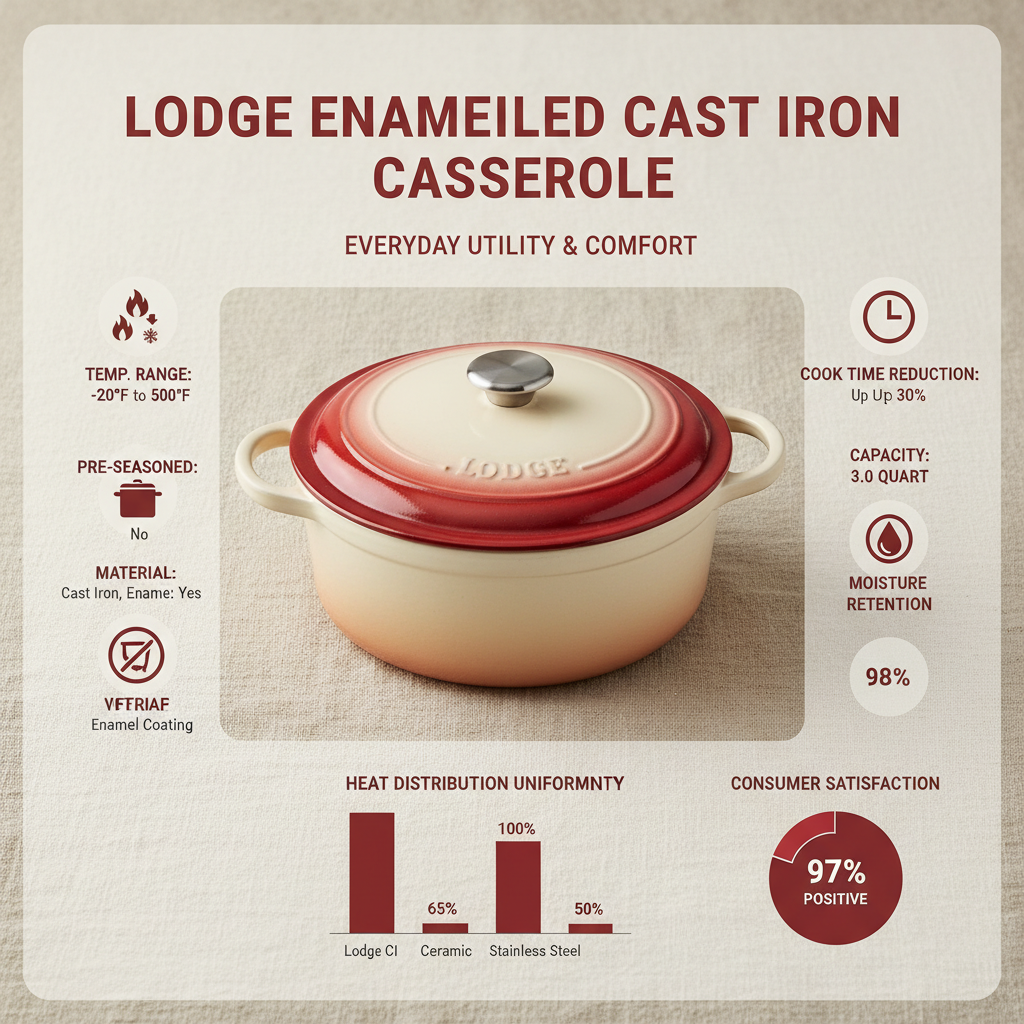
Modern iterations often feature an enamel coating, which solves the traditional issue of reactivity with acidic foods (like tomatoes or wine). This fusion of traditional metallurgy and modern coating technology ensures that the pot remains easy to clean while maintaining the legendary heat-holding properties of the raw iron.
The "casserole" design specifically emphasizes a tight-fitting lid, which is crucial for creating a closed-loop steaming system. As moisture evaporates from the food, it condenses on the lid and drips back into the pot, effectively self-basting the ingredients and ensuring that meats remain tender during long hours of cooking.
Core Components and Performance Factors
The primary strength of a cast iron casserole pot lies in its thermal mass. Because cast iron is significantly denser than other metals, it requires more energy to heat up, but once it reaches the desired temperature, it resists cooling down. This is why it is the gold standard for braising; it prevents the "temperature dip" that occurs when cold meat is added to a pan.
Another critical factor is the seasoning process. For raw cast iron, a layer of polymerized oil creates a protective barrier that prevents rust and improves food release. In an enamel cast iron casserole pot, the glass-like coating provides this protection permanently, allowing for a seamless transition between different types of ingredients without the risk of metallic aftertastes.
Finally, the geometry of the pot—specifically the wall thickness and the curvature of the base—plays a vital role in heat distribution. A well-engineered pot ensures there are no "cold spots," allowing for a consistent sear across the entire surface, which is essential for developing the Maillard reaction (the browning of proteins) that defines a rich, savory dish.
Global Applications and Culinary Use Cases
The application of a cast iron casserole pot extends far beyond simple soups. In professional European kitchens, it is used for classic Coq au Vin, where the pot starts on the flame to brown the chicken and finishes in the oven to slow-cook the wine sauce. In North American households, it has evolved into a premier vessel for artisanal sourdough bread, as the heavy lid traps steam to create a bakery-style crust.
Beyond the home, these pots are utilized in remote industrial zones or outdoor catering where heat sources may be inconsistent. Because a cast iron casserole pot can be used over an open fire, a charcoal grill, or an induction cooktop, it offers a level of adaptability that is critical for field operations and luxury glamping experiences alike.
Performance Comparison of Casserole Pot Materials
Long-Term Value and Sustainability Benefits
From an economic perspective, the cast iron casserole pot represents a "buy it once" philosophy. While the initial investment is higher than that of a cheap non-stick pot, the lifespan of cast iron is effectively infinite. When maintained correctly, these pots do not wear out; instead, they improve with age as the seasoning deepens, providing better performance over decades of use.
Sustainability is another major advantage. Most modern non-stick pans rely on PFAS or PTFE chemicals that can flake off and enter the food chain or pollute the environment during manufacture and disposal. Cast iron is a natural material, and the enamel used in premium pots is essentially glass—both of which are far more eco-friendly and safer for long-term human health.
Future Trends in Cast Iron Manufacturing
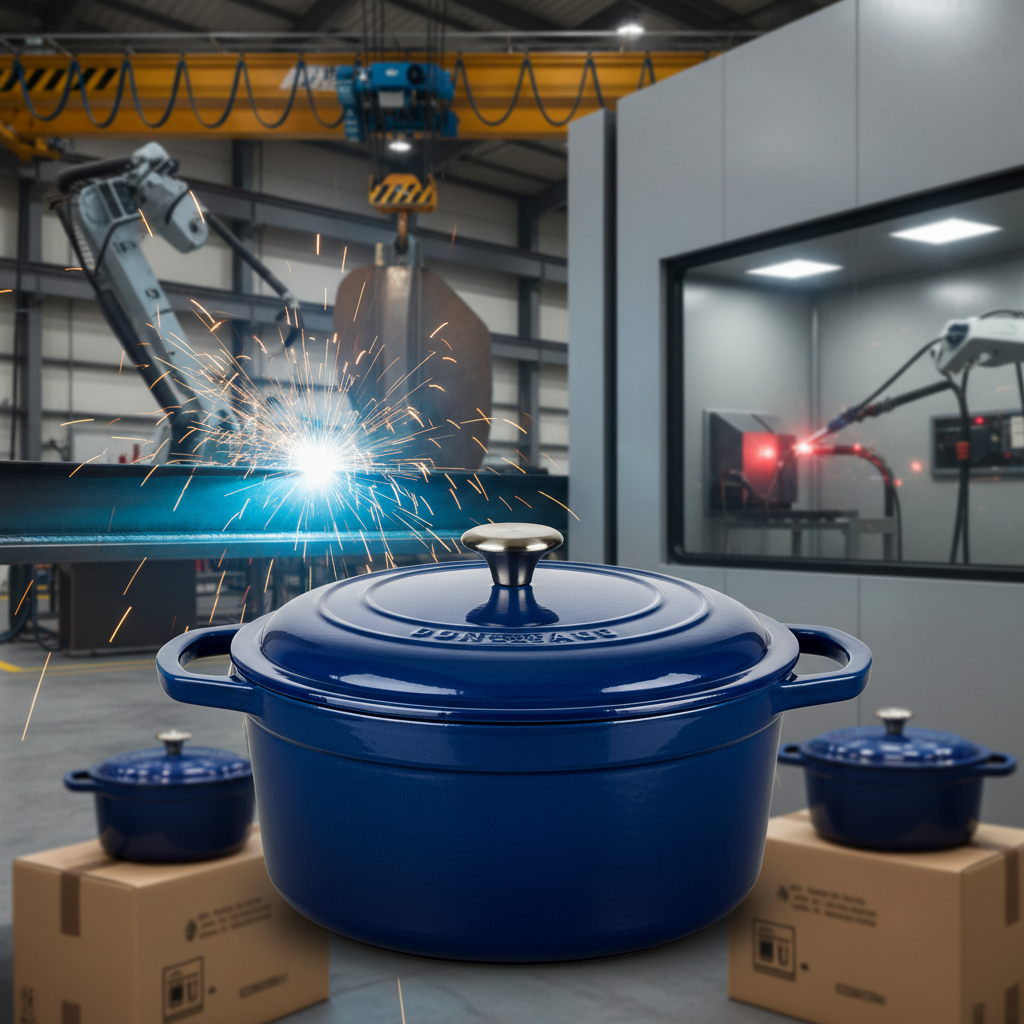
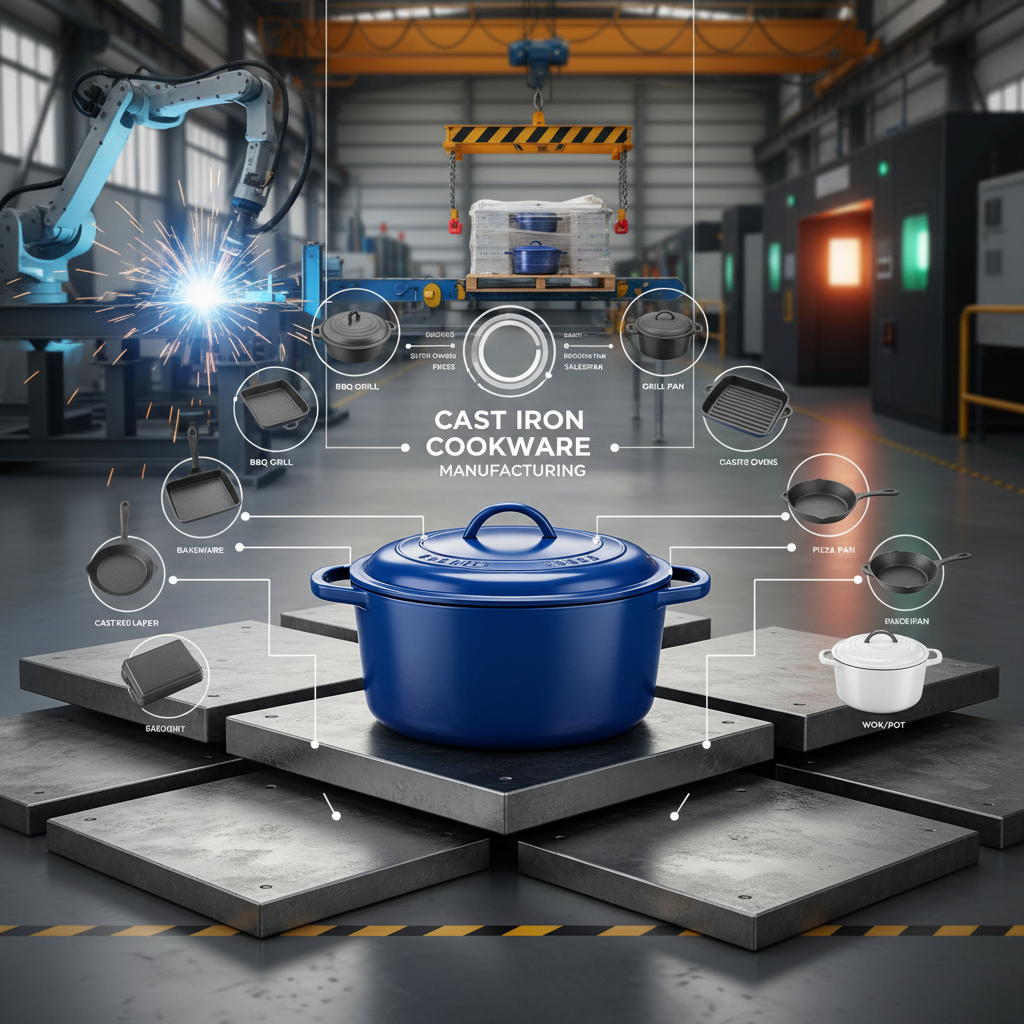
The future of the cast iron casserole pot is being shaped by digital transformation in the foundry. Advanced 3D printing for molds allows manufacturers to create more precise geometries, reducing the overall weight of the pot without sacrificing the critical thermal mass. This makes the pots more accessible to users who struggle with the extreme weight of traditional ironware.
Furthermore, the industry is moving toward "green casting," utilizing recycled scrap iron and induction-powered furnaces to reduce the carbon footprint of production. By integrating automation into the enameling process, brands can now achieve a more uniform coating that is significantly more resistant to chipping and cracking.
We are also seeing a trend toward multifunctional design. New cast iron casserole pot models are being engineered with integrated measuring marks and specialized lid vents to cater to the precise needs of the molecular gastronomy movement, combining old-world materials with new-world science.
Challenges and Professional Solutions
Despite their benefits, cast iron pots come with challenges, most notably their weight and the risk of rust in raw versions. For many, the sheer heaviness of a cast iron casserole pot can be a deterrent. Professional solutions include the introduction of ergonomic "stay-cool" handles and the use of high-grade alloys that maintain heat but reduce bulk.
Maintenance is another common pain point. To overcome the fear of "ruining" the pot, manufacturers are providing clearer, science-based education on the difference between cleaning a seasoned pot and an enameled one. The shift toward enameled surfaces has largely solved the rust issue, making cast iron accessible to the "low-maintenance" modern cook.
Finally, thermal shock—the cracking of a pot due to sudden temperature changes—is a technical risk. Experts recommend a gradual heating process and avoiding the use of ice-cold water on a piping hot pot. By educating consumers on the physical properties of iron, the industry ensures that these heirlooms remain functional for a lifetime.
Comparison of Cast Iron Casserole Pot Specifications and Performance
| Pot Type |
Heat Distribution |
Maintenance Level |
Durability Score |
| Traditional Raw Cast Iron |
Excellent |
High (Seasoning req.) |
10/10 |
| Enameled Cast Iron |
Superior |
Low (Easy clean) |
9/10 |
| Lightweight Alloy Iron |
Good |
Medium |
8/10 |
| Commercial Grade Heavy |
Maximum |
Medium |
10/10 |
| Small-Batch Artisan |
Very Good |
High |
9/10 |
| Budget Cast Iron |
Average |
High |
7/10 |
FAQS
Yes, absolutely. Because cast iron is ferromagnetic, it is one of the best materials for induction cooking. It creates a strong magnetic connection with the cooktop, allowing for efficient energy transfer and precise temperature control, provided the bottom of the pot is flat.
To avoid chipping, avoid using metal utensils; stick to silicone, wood, or plastic. Additionally, avoid sudden temperature shocks—never put a hot pot directly into cold water. Use a soft sponge for cleaning and avoid abrasive steel wool scrubbers.
No, you do not need to season an enameled pot. The enamel coating acts as the protective barrier that raw cast iron needs seasoning for. This allows you to cook acidic foods like tomato sauces without worrying about stripping a seasoned layer or adding metallic tastes.
The weight is a feature, not a flaw. The density of the iron is what allows the pot to retain heat so effectively. This thermal mass ensures that your food cooks evenly and stays hot long after it has been removed from the heat source.
While you can, it is generally recommended to transfer food to an airtight container. For raw cast iron, moisture in the fridge can lead to rust. For enameled pots, while rust isn't an issue, some foods can stain the enamel over long periods.
Yes, it is one of the best tools for baking. The pot acts as a mini-oven, trapping the steam released by the dough, which keeps the crust moist during the initial rise and results in a professional, crispy exterior and airy interior.
Conclusion
The cast iron casserole pot remains an unrivaled tool in the kitchen, blending timeless metallurgical strength with modern culinary versatility. By providing superior heat retention, extreme durability, and an eco-friendly alternative to chemical coatings, it empowers both amateur and professional cooks to achieve consistent, high-quality results. From the initial sear to the final slow-braise, its performance is grounded in the physics of thermal mass and the art of slow cooking.
As we move toward a more sustainable future, investing in high-quality cast iron is more than just a culinary choice—it is a commitment to quality over quantity. Whether you are upgrading your kitchen or starting a new culinary journey, we recommend prioritizing a well-crafted pot that will serve your family for generations. To explore our professional range of durable cookware, visit our website: www.hapichefcastiron.com.