


Unlock Bold Flavors with the Power of Cast Iron Woks
Cooking with a cast iron wok is more than just a culinary choice—it’s a celebration of flavor, tradition, and precision. From smoky stir-fries to deep-seared meats, a cast iron wok transforms every dish into an experience. Whether you’re cooking over a modern stovetop or an open flame, these woks are prized for their exceptional heat retention, versatile design, and durability. For chefs and home cooks alike, owning a cast iron wok is a testament to serious cooking. Let's dive into the unique benefits and features of various cast iron wok styles and how they elevate your kitchen performance.
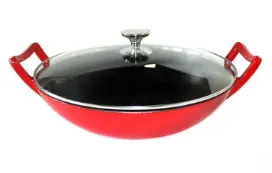
Enhance Stir-Fry Perfection with a Classic cast iron wok
Nothing delivers the signature smoky aroma of stir-fry better than a traditional cast iron wok. Its thick base absorbs and holds high temperatures, making it ideal for searing proteins and tossing vegetables in rapid succession. With each use, the seasoned surface of the wok improves, developing a natural non-stick patina that adds depth to your meals. Whether you’re searing, steaming, or stir-frying, this wok responds consistently and evenly, giving every ingredient a perfect finish.
Embrace Authentic Technique with a Traditional cast iron round bottom wok
The cast iron round bottom wok is the cornerstone of classic Asian cooking. Designed for use with gas burners and open flames, its curved base facilitates the continuous movement of ingredients, essential for quick-cooking techniques. The round bottom concentrates heat at the base, while the sloping sides allow for easy tossing and flipping. This design ensures that food cooks rapidly and uniformly, locking in flavor and texture. With proper seasoning and care, it becomes a long-lasting tool for bold and expressive cooking.
Combine Stability and Depth with a Functional cast iron skillet wok
Merging the qualities of a skillet and a wok, the cast iron skillet wok offers the best of both worlds. Its flat base provides stability on any stovetop, while the tall, flared sides mimic the movement-friendly design of a traditional wok. This hybrid form makes it ideal for everything from sautéing vegetables to frying rice, or even braising meats. The cast iron skillet wok shines when you need a multi-use pan with ample depth, especially in smaller kitchens where space is limited but flavor is not.
Explore Rapid Cooking with a Dedicated cast iron stir fry wok
Designed specifically for high-heat, quick-cook meals, the cast iron stir fry wok is a tool built for action. Its design facilitates intense heat concentration and rapid cooling when ingredients are removed. This means you can execute restaurant-level stir-fry dishes at home with minimal effort. The heavy-duty cast iron keeps heat consistent throughout cooking, allowing sauces to caramelize beautifully and proteins to char without overcooking. Whether it's beef and broccoli or fiery noodles, this wok guarantees performance and bold flavor.
Discover Kitchen Longevity with a Reliable cast iron pan wok
A cast iron pan wok brings unmatched durability and heritage to your kitchen. Its versatility allows it to transition from stovetop to oven, making it ideal for stews, roasts, and stir-fries alike. The thick material holds heat efficiently and evenly, which is crucial for consistent cooking results. It’s a one-pan solution that can do it all—from searing steaks to simmering sauces. With proper seasoning and maintenance, the cast iron pan wok not only enhances flavor but becomes a lifelong kitchen companion.
Why is a cast iron wok better for high-heat cooking?
Because of its dense structure, a cast iron wok retains heat longer and distributes it more evenly than other materials. This is especially beneficial in high-heat cooking methods like stir-frying, where constant and even temperature is key.
How does the shape of a cast iron round bottom wok improve stir-frying?
The curved design of a cast iron round bottom wok keeps food moving and encourages even cooking. It helps in building layers of flavor by allowing ingredients to toss freely in a centralized heat zone.
Cast Iron Wok FAQs
What are the differences between a cast iron wok and a cast iron skillet wok?
While both are made of cast iron, the cast iron wok is deeper and better suited for tossing ingredients, while the cast iron skillet wok offers a flatter base for stability and more versatility for everyday cooking.
Can I use a cast iron round bottom wok on an electric stove?
Yes, but it typically requires a wok ring for stability. Alternatively, you can opt for flat-bottom variants for better contact with the heat source.
Is a cast iron stir fry wok suitable for home kitchens?
Absolutely. Its heat retention makes it ideal for quick stir-frying on gas ranges, and its seasoning improves with each use, enhancing the flavor of your dishes over time.
How do I maintain a cast iron pan wok?
Clean it with hot water and a brush—avoid soap. After drying, apply a thin layer of oil to maintain its seasoning and prevent rust.
Can a cast iron skillet wok replace multiple pans?
Yes. It combines the functionality of a skillet and a wok, allowing you to stir-fry, sear, sauté, and even bake in one durable and versatile tool.
-
How to Choose and Maintain the Perfect Frying Pan for CookingNewsApr.16,2026
-
Mastering the Art of Cooking with a Dutch Oven GuideNewsApr.09,2026
-
Exploring the World of Casseroles A Kitchen Essential for Flavorful MealsNewsApr.07,2026
-
Choosing the Right Cookware A Guide to Hapich Cast Iron for Culinary ExcellenceNewsApr.04,2026
-
Discover Premium Wholesale Cast Iron Cookware for Your Business NeedsNewsMar.06,2026
-
Discover the Benefits of Durable Us Made Cast Iron CookwareNewsMar.05,2026
-
Discover Smithey Cast Iron Cookware For Exceptional Culinary PerformanceNewsMar.04,2026