


Round Cast Iron Casserole: Even Heat, Oven-Safe & Durable
Industry Insider’s Take: The All‑Purpose Round Cast Iron Casserole That Actually Delivers
If you’ve been cooking long enough, you know some pans are just hype. This one isn’t. The round cast iron casserole from Dongzhangfeng Village, Xushui District, Baoding, Hebei, comes from a region that’s quietly serious about metallurgy. I visited a few foundries there years back—surprisingly modern lines, old-school craft energy.
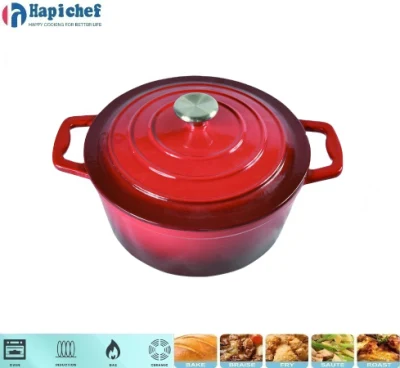
Why it’s winning kitchens
Even heat, deep heat—cast iron brings both. The vitreous enamel adds non-reactivity and easy cleanup. In real-world use, stews and braises hold a steady simmer without hot spots. The lid fit is snug enough to lock in moisture, which is half the battle for fork-tender short ribs. And yes, it goes from induction to gas to oven without drama.
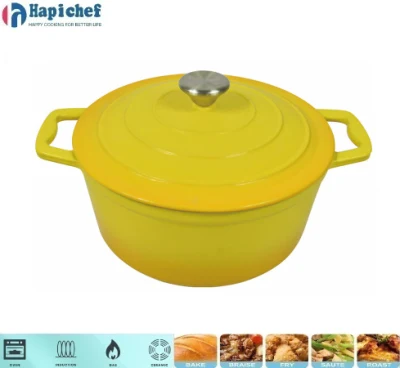
Key Specifications (typical)
| Parameter | Spec (≈ real-world) |
|---|---|
| Sizes / Capacity | 20–30 cm diam.; 2.4 L–6.7 L |
| Material | Grey cast iron core; dual-layer vitreous enamel (ground + cover) |
| Wall / Base Thickness | 3.8–5.0 mm walls; 5–6 mm base |
| Heat Sources | Induction, gas, ceramic, electric, oven |
| Oven Safe | Up to 260–280°C (knob dependent) |
| Compliance | EN 12983-1; EN ISO 4531; LFGB; FDA 21 CFR 175.300 |
| Expected Service Life | 10–20 years; 30+ years with care (use wood/silicone tools) |
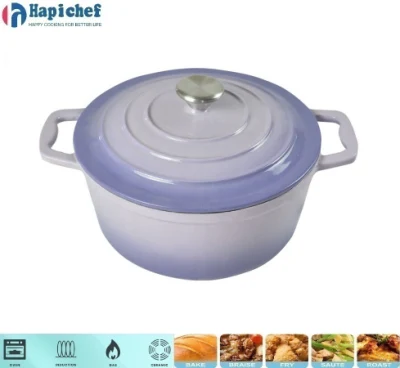
Process flow (shop-floor snapshot)
Materials: foundry-grade pig iron + controlled scrap → Induction melting → Green-sand casting (round pattern) → Shakeout & shot-blast → CNC trim/lid fit → Enamel prep (ground-coat slurry, then color topcoat) → Firing 780–830°C → Cool-down curve control → QC.
Testing: coating thickness by magnetic method (ISO 2178); migration per EN ISO 4531 (Pb/Cd release within legal limits); oven thermal shock cycles (20 cycles 20°C⇄180°C, pass); salt spray 48 h (ISO 9227) on exterior finish; handle torque/impact to EN 12983-1. Reported defect rate on enamel pinholes under 0.5% lot average—solid.
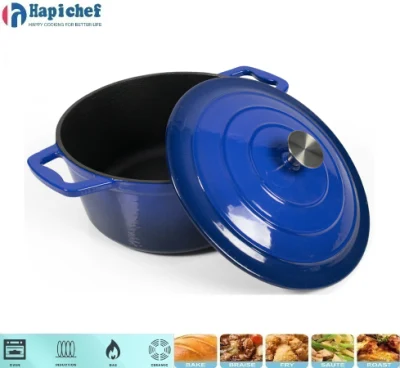
Where it shines
- Low‑and‑slow braises, sourdough boules, baked pastas (home and pro kitchens).
- Hospitality and meal-prep operations—batch consistency, better hold times.
- Retail private label programs needing colorways and tight QC.
Customer notes: “Heat holds like a champ,” one chef told me; home users say cleanup is “shockingly easy”—which tracks with the enamel chemistry.
Vendor snapshot (buying desk view)
| Vendor | Certs | MOQ | Lead Time | Customization |
|---|---|---|---|---|
| HapiChef (Baoding) | ISO 9001, LFGB, EN ISO 4531 | ≈300–500 units | 30–45 days | Colors, logo emboss, packaging, sizes |
| Aggregator A | Varies by sub-supplier | Low (100) | 45–60 days | Limited colors |
| Small Foundry B | Basic QC only | ≈200 | 40–55 days | Cast shapes, fewer enamel options |
Customization and trends
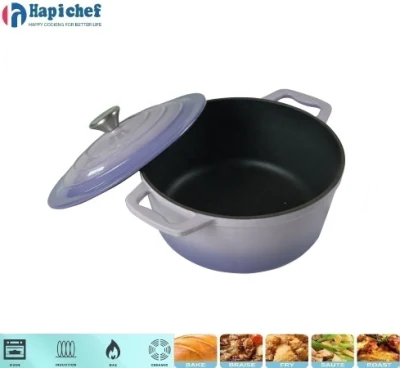
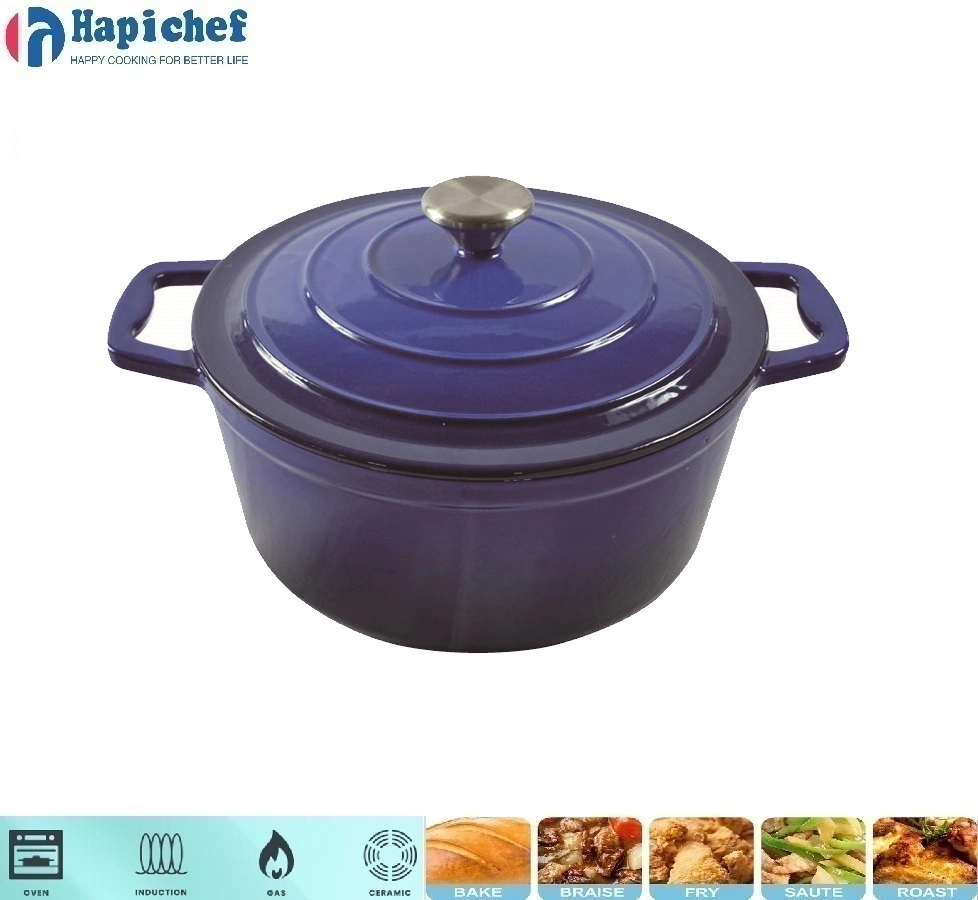
OEM color palettes (matte sage, deep navy, classic cherry), brass or stainless knobs, gift-ready packaging, and laser or embossed branding are common asks. Trend-wise, induction adoption is pushing buyers toward heavier bases and darker interiors; sustainability claims now focus on longevity—where a round cast iron casserole frankly shines.
Quick case note
A bistro client switched to a 26 cm round cast iron casserole for braised beef. After two weeks, they reported steadier yields (≈2–3% less moisture loss) and fewer scorched batches. Not a lab trial, but the chef’s P&L smiled.
Bottom line
If you want one pot that sears, simmers, bakes, and looks good on the table, a round cast iron casserole with verified enamel standards is the practical pick. It’s the workhorse you keep, not replace.
Authoritative references
- EN ISO 4531:2022 Vitreous and porcelain enamels — Release from enamelled articles in contact with food — Test method.
- EN 12983-1:2020 Cookware — Domestic cookware for use on hob — Part 1: General requirements.
- ISO 2178:2016 Non-magnetic coatings on magnetic substrates — Measurement of coating thickness — Magnetic method.
- ISO 9227:2017 Corrosion tests in artificial atmospheres — Salt spray tests.
- U.S. FDA 21 CFR 175.300 Resinous and Polymeric Coatings.
- EU Regulation (EC) No 1935/2004 on food-contact materials.
- LFGB (Germany) Food, Articles of Daily Use and Feed Code.
-
How to Choose and Maintain the Perfect Frying Pan for CookingNewsApr.16,2026
-
Mastering the Art of Cooking with a Dutch Oven GuideNewsApr.09,2026
-
Exploring the World of Casseroles A Kitchen Essential for Flavorful MealsNewsApr.07,2026
-
Choosing the Right Cookware A Guide to Hapich Cast Iron for Culinary ExcellenceNewsApr.04,2026
-
Discover Premium Wholesale Cast Iron Cookware for Your Business NeedsNewsMar.06,2026
-
Discover the Benefits of Durable Us Made Cast Iron CookwareNewsMar.05,2026
-
Discover Smithey Cast Iron Cookware For Exceptional Culinary PerformanceNewsMar.04,2026