


Essential Cast Iron Cookware for Sauces, Soups, and Milk-Based Delights
In the world of kitchen essentials, cast iron cookware stands out for its unparalleled heat retention, durability, and versatility. Among the most practical pieces are cast iron sauce pans, cast iron sauce pot, cast iron milk pot, 1 qt 1 l enameled cast iron milk pan, and enameled cast iron milk pan. These tools cater to a range of culinary tasks, from simmering rich sauces to heating delicate milk-based mixtures, ensuring consistent results and enhancing the flavor of every dish. Whether you’re a home cook or a professional, understanding their unique features allows you to elevate your cooking, turning everyday preparations into effortless culinary successes.
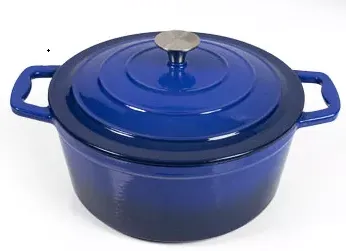
Cast Iron Sauce Pans: Versatile Workhorses for Sauces and More
Cast iron sauce pans are indispensable in any kitchen, designed to handle a variety of tasks from simmering gravies to boiling pasta. Their thick cast iron construction ensures even heat distribution, eliminating hot spots that can scorch sauces or soups, while their deep sides prevent splatters, keeping stovetops clean. Available in various sizes, from small 1-quart models to larger 3-quart options, they adapt to both single-serving needs and family-sized meals. Over time, cast iron sauce pans develop a natural non-stick patina through seasoning, which improves with use, making them ideal for cooking delicate sauces like hollandaise or Alfredo without sticking. For example, a well-seasoned cast iron sauce pan can simmer a tomato basil sauce for hours, allowing flavors to meld while the patina ensures easy cleanup—simply wipe with a cloth and re-season lightly. Their compatibility with all heat sources, including gas, electric, and induction, adds to their versatility, making them a staple for any cooking style.
Cast Iron Sauce Pot: Deep Design for Hearty Simmering
A cast iron sauce pot differs from a sauce pan with its deeper, more rounded shape, making it perfect for simmering large batches of soups, stews, or chili. The extra depth allows for more liquid and ingredients, reducing the risk of overflow, while the heavy cast iron walls retain heat to maintain a steady simmer—critical for tenderizing meats or cooking beans. Many cast iron sauce pots come with a lid, which traps steam to create a moist environment, ensuring that ingredients like root vegetables or slow-cooked roasts stay tender and flavorful. For instance, braising a beef shank in a cast iron sauce pot with broth, herbs, and vegetables results in fall-off-the-bone meat, as the pot’s heat retention and lid work together to lock in moisture. The durable construction also makes it suitable for oven use, allowing you to start a dish on the stovetop and finish it in the oven without transferring to another vessel.
Cast Iron Milk Pot: Precision for Delicate Milk-Based Tasks
A cast iron milk pot is specifically designed for heating and frothing milk, as well as preparing delicate mixtures like custards, hot chocolate, or cream-based sauces. Its small size—typically 1 to 2 quarts—and narrow base allow for precise temperature control, preventing milk from scorching, which is a common issue with larger pots. The cast iron material heats gradually, reducing the risk of boiling over, while the thick walls maintain a consistent temperature, ideal for scalding milk for baking or frothing for lattes. A cast iron milk pot often features a pouring spout for easy transfer, ensuring that hot milk or cream can be added to recipes without spills. While traditional uncoated models require seasoning, their natural non-stick surface helps prevent milk proteins from sticking, making them a reliable tool for dairy-based preparations.
1 Qt 1 L Enameled Cast Iron Milk Pan: Compact Convenience for Daily Use
The 1 qt 1 l enameled cast iron milk pan combines the heat retention of cast iron with the convenience of an enamel coating, making it a favorite for daily milk-related tasks. Its 1-quart (1-liter) capacity is perfect for heating milk for coffee, making a small batch of hot cocoa, or preparing a single serving of rice pudding. The enamel coating eliminates the need for seasoning, resists staining, and prevents reactions with dairy, ensuring that milk doesn’t absorb any metallic flavors. The smooth surface also makes cleanup effortless—even burnt milk residue wipes away with warm, soapy water. Many models feature a comfortable handle that stays cool to the touch, and a tight-fitting lid that traps heat, allowing milk to reach the perfect temperature without constant stirring. For example, heating oat milk in a 1 qt 1 l enameled cast iron milk pan results in a smooth, frothy texture ideal for lattes, with the enamel ensuring no residue clings to the pan.
Enameled Cast Iron Milk Pan: Stylish and Functional for Dairy Prep
An enameled cast iron milk pan is designed to simplify milk-based cooking with its non-reactive, easy-to-clean surface. The enamel coating—available in vibrant colors like red, blue, or white—not only adds a pop of style to the kitchen but also creates a barrier between the cast iron and acidic ingredients, making it safe for heating milk, cream, or citrus-based sauces. Its cast iron core ensures even heat distribution, preventing hot spots that can curdle milk, while the shallow depth allows for easy stirring, reducing the risk of burning. An enameled cast iron milk pan is also versatile beyond dairy tasks; it can be used to melt butter, warm syrup, or even cook a small batch of oatmeal, thanks to its efficient heat retention. Whether you’re a barista crafting specialty coffees or a home cook preparing breakfast, this pan combines functionality and aesthetics, making it a joy to use.
Cast Iron Milk and Sauce Pan FAQs
How does an enameled cast iron milk pan differ from a traditional cast iron milk pot?
An enameled cast iron milk pan features a porcelain coating that eliminates the need for seasoning, resists stains, and prevents reactions with dairy, making it easier to clean and ideal for milk-based tasks. A traditional cast iron milk pot requires seasoning to develop a non-stick surface but offers better heat retention over time and may impart a subtle flavor to foods. Enameled versions are also more visually versatile, doubling as serving pieces, while traditional cast iron develops a rich patina with use.
Can cast iron sauce pans be used on induction cooktops?
Yes, cast iron sauce pans are compatible with induction cooktops, as cast iron is magnetic and conducts heat efficiently on induction surfaces. Their flat bases ensure good contact with the cooktop, allowing for quick heating and precise temperature control—essential for simmering sauces or boiling liquids. Always check the manufacturer’s guidelines, but cast iron is generally a reliable choice for induction cooking.
What’s the best way to clean a cast iron sauce pot?
To clean a cast iron sauce pot, allow it to cool slightly, then rinse with hot water and scrub with a stiff brush to remove food residue—avoid using soap, as it can strip the seasoning. For stubborn bits, simmer water in the pot for a few minutes to loosen debris, then scrub again. Dry thoroughly with a towel, then heat the pot on low for a few minutes to evaporate any remaining moisture. Finish by applying a thin layer of vegetable oil to the interior and exterior to maintain the seasoning and prevent rust.
Is a 1 qt 1 l enameled cast iron milk pan large enough for a family?
A 1 qt 1 l enameled cast iron milk pan is ideal for small families or single servings—it can heat enough milk for 2–3 cups of coffee or hot chocolate, or prepare a small batch of pudding. For larger families, consider a 2-quart model, which can handle 4–6 servings. The 1-quart size excels at precision tasks, though, making it a great addition to any kitchen for daily use.
Why is cast iron better than stainless steel for heating milk?
Cast iron retains heat more evenly than stainless steel, reducing the risk of hot spots that can scorch milk. Its gradual heating allows for better control over temperature, preventing boiling over, while the natural non-stick patina (in uncoated models) or enamel coating (in enameled versions) prevents milk proteins from sticking. Stainless steel may heat unevenly, requiring more frequent stirring, and is more prone to burning delicate mixtures like milk or cream.
-
How to Choose and Maintain the Perfect Frying Pan for CookingNewsApr.16,2026
-
Mastering the Art of Cooking with a Dutch Oven GuideNewsApr.09,2026
-
Exploring the World of Casseroles A Kitchen Essential for Flavorful MealsNewsApr.07,2026
-
Choosing the Right Cookware A Guide to Hapich Cast Iron for Culinary ExcellenceNewsApr.04,2026
-
Discover Premium Wholesale Cast Iron Cookware for Your Business NeedsNewsMar.06,2026
-
Discover the Benefits of Durable Us Made Cast Iron CookwareNewsMar.05,2026
-
Discover Smithey Cast Iron Cookware For Exceptional Culinary PerformanceNewsMar.04,2026