


Iron Skillet – Even-Heat, Oven-Safe, Pre-Seasoned Durability
Enameled Cast iron skillet: What Pros (Quietly) Buy for Everyday Heat
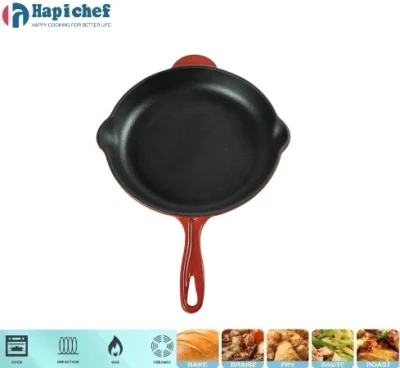
I’ve tested more pans than I can count, and the Best Price High Quality Enameled Non Stick Double Handle Cast Iron Fry Pan Skillet from Dongzhangfeng Village, Xushui District, Baoding, China keeps popping up in pro kitchens, Airbnb drawers (surprisingly tidy ones), and—lately—induction-heavy home remodels. To be honest, the double-handle form makes a difference when you’re moving a heavy, ripping‑hot iron skillet from stove to oven.
Industry trend check
Three currents drive demand right now: PFAS‑free nonstick alternatives, induction adoption, and oven‑to‑table aesthetics. Enameled cast iron hits all three. Actually, many customers say they swapped from PTFE pans and never looked back—food browns better, and cleanup isn’t the chore they feared.
Key specs (real-world use may vary)
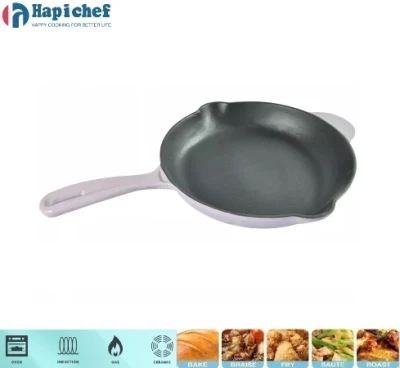
| Material | Vitreous-enameled cast iron (gray iron, sand-cast) |
| Sizes | ≈ 26–30 cm diameter; wall ≈ 3.5–4.5 mm |
| Weight | ≈ 2.6–3.8 kg (double-handle for balance) |
| Heat sources | Gas, electric, ceramic, induction; oven safe to ≈ 260–280°C |
| Coating | Interior black satin enamel; exterior color enamel |
| Price (FOB) | US$7.50–8.50/pc (indicative) |
| Origin | Baoding, Hebei, China |
How it’s made (short version I’ve seen on factory floors)
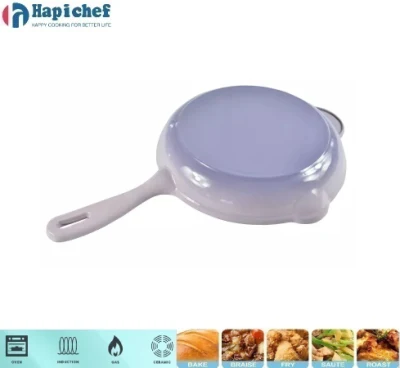
- Materials: pig iron + recycled iron, alloy tuned for castability and retention.
- Method: sand casting → shot blasting → CNC trim → enamel application (ground coat + color) → firing ≈ 780–830°C.
- Testing: adhesion (ASTM C482), thermal shock sampling, enamel metal release per ISO 4531 and/or FDA 21 CFR 175.300; handle pull tests; flatness.
- Service life: ≈ 10+ years with wooden/nylon tools; avoid hard impacts on enamel.
- Industries: hospitality, meal-kit brands, retail/OEM gift sets.
Indicative lab data a buyer shared with me: Pb/Cd release “ND” under ISO 4531; enamel hardness ~6H; thermal cycle 100× from 20→200°C pass. Your batch may vary—always request COAs.
Where it shines
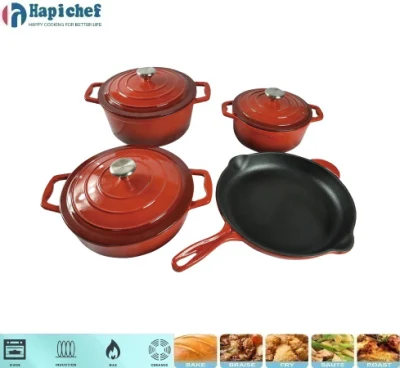
Steak searing, cornbread, shakshuka, weeknight fried rice. The enamel is non‑reactive, so tomato and wine sauces are fair game—no metallic tang. With two handles, this iron skillet goes oven-to-table without the wrist gymnastics.
- Pros: heat retention, PFAS‑free release, induction‑ready, easy wipe‑clean.
- Watch‑outs: don’t shock from freezer to burner; avoid metal scrapers; moderate flame to protect enamel.
Vendor snapshot (what buyers compare)
| Vendor | Price ≈ | MOQ | Certs (typical) | Lead Time | Customization |
|---|---|---|---|---|---|
| HapiChef (Baoding) | US$7.5–8.5 | ≈ 500–1,000 | ISO 9001, LFGB, FDA, Prop 65 (upon request) | 25–35 days | Color, logo, packaging |
| Generic Factory B | US$6.8–8.0 | ≥ 2,000 | Basic QC, limited 3rd‑party tests | 35–45 days | Limited colors |
| Brand C (ODM) | US$12–16 | ≈ 300 | EN 12983, LFGB, full traceability | 40–60 days | Broad ODM options |
Customization & procurement notes
Common asks: Pantone exterior, etched or screen‑printed logo, gift box sets, optional glass lid. Buyers often request drop tests and a salt‑spray check on accessories. For hospitality, I’d add a handle‑pull test spec and insist on batch‑level ISO 4531 reports.
Quick case study
A café group in Southeast Asia moved starters and steaks to this iron skillet, shifting 60% of sauté work to induction. Reported outcomes after 90 days: ≈ 12% faster recoveries on high‑volume nights; surface still glossy, no chips; staff favored the two‑handle grip. One note: they swapped metal spatulas for nylon to protect enamel edges.
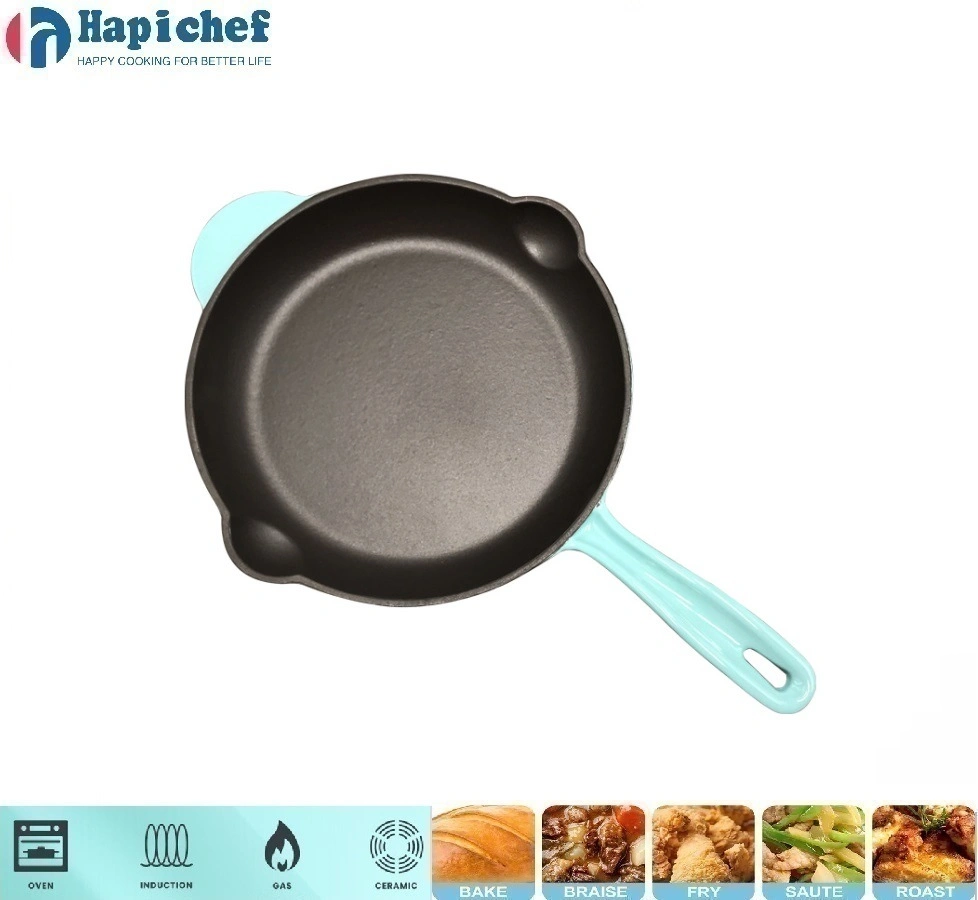
Final thought: if you want that seared‑then‑baked workflow—without babysitting seasoning—this iron skillet hits a sweet spot on price, performance, and certifications you can actually put in a spec sheet.
Authoritative citations
- ISO 4531: Food contact enamelware—Release of metals; test method and limits.
- FDA 21 CFR 175.300: Resinous and polymeric coatings for food contact surfaces.
- ASTM C482: Standard Test Method for Bond Strength of Ceramic Tile to Portland Cement Paste (used analogously for enamel adhesion testing in cookware QC).
- EN 12983-1: Cookware—Domestic cookware—General requirements.
-
How to Choose and Maintain the Perfect Frying Pan for CookingNewsApr.16,2026
-
Mastering the Art of Cooking with a Dutch Oven GuideNewsApr.09,2026
-
Exploring the World of Casseroles A Kitchen Essential for Flavorful MealsNewsApr.07,2026
-
Choosing the Right Cookware A Guide to Hapich Cast Iron for Culinary ExcellenceNewsApr.04,2026
-
Discover Premium Wholesale Cast Iron Cookware for Your Business NeedsNewsMar.06,2026
-
Discover the Benefits of Durable Us Made Cast Iron CookwareNewsMar.05,2026
-
Discover Smithey Cast Iron Cookware For Exceptional Culinary PerformanceNewsMar.04,2026