


Enamel Casserole Pot - Even-Heat, Oven-Safe, Built to Last?
Cast-Iron Confidence: Why an enamel casserole pot set still rules modern kitchens
If you cook for a living—or for a living room full of friends—you already know this: heat retention wins dinners. The Low MOQ OEM Cast Iron Cookware Sets Enamel Pots and Pans Set from Dongzhangfeng Village, Xushui District, Baoding, Hebei, China has been quietly making waves among buyers who want pro-grade performance without fussy maintenance. To be honest, it’s refreshing when a pan just…works.
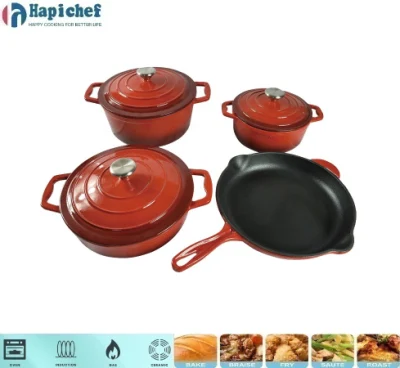
What’s trending in cookware (and why it matters)
Three currents are shaping buyer decisions: induction is now mainstream, non-toxic coatings are non-negotiable, and people want fewer, better pieces. Cast iron with enamel checks all three. Many customers say they switched from bare iron because enamel is non-reactive, easier to clean, and—surprisingly—sears just as well once it’s hot.
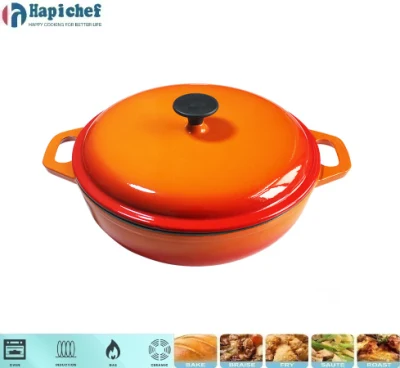
Technical snapshot
| Material | Cast iron core, multi-layer vitreous enamel (inside/outside) |
| Pieces | Grill pan (ridged), skillet (smooth); set expandable via OEM |
| Heat range | Oven-safe ≈ 260–280°C (real-world use may vary by enamel color/thickness) |
| Compatibility | Induction, gas, electric, ceramic, halogen; grill/oven safe |
| Compliance | ISO 4531 (Pb/Cd release), LFGB §30/31, EN 12983-1; Prop 65-ready |
| Service life | ≈10–20 years typical home use with basic care |
| Origin | Dongzhangfeng Village, Xushui District, Baoding, Hebei, China |
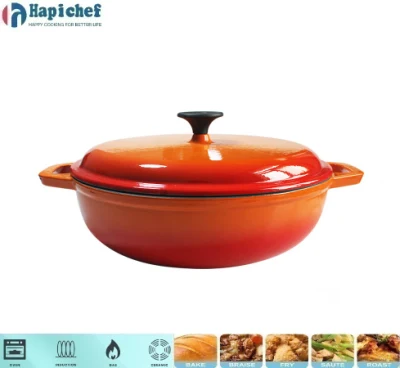
How it’s made (short version)
- Materials: high-carbon cast iron; low-lead frit enamel formulations.
- Methods: sand casting → shot-blast → grinding → 2–3 coat enameling (ground + color) → firing ≈ 780–830°C.
- Testing: ISO 4531 migration; thermal shock; enamel adhesion; salt-spray; abrasion cycles.
- QC: flatness for induction; weight tolerance; handle torque; color ΔE.
Internal test data on recent lots showed Pb
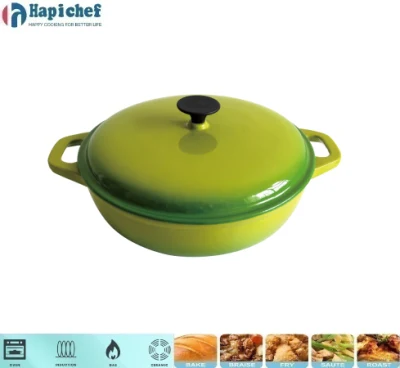
Where it shines
- Searing steaks on induction, then finishing in the oven. The grill pan’s ridges drain excess fat—healthier, and tastier. - High-acid braises where bare iron would react. - Hospitality: bistros, boutique hotels, and yes, camp kitchens (skillet over coals is still magic). Once preheated, a enamel casserole pot behaves like a tiny thermal battery.
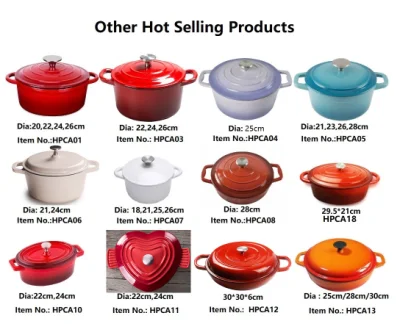
Vendor landscape (quick comparison)
| Vendor | MOQ | OEM/ODM | Certs | Lead time | Notes |
|---|---|---|---|---|---|
| HapiChef (Hebei) | Low (starter-friendly) | Yes, full color/logo/packaging | ISO 4531, LFGB, EN 12983 | ≈30–45 days | Value/performance balance |
| Premium EU Brand | High | Limited | Broad EU/US | ≈45–60 days | Top finish, premium pricing |
| US Value Brand | Medium | Partial | Core US/EU | ≈35–55 days | Budget-first, fewer colors |
Customization options
Pantone-matched enamel colors, matte or gloss interiors, laser-etched or embossed logos, lid-knob materials (SS/brass), and retail packaging. For private labels, that’s where a enamel casserole pot set becomes your brand ambassador on the shelf.
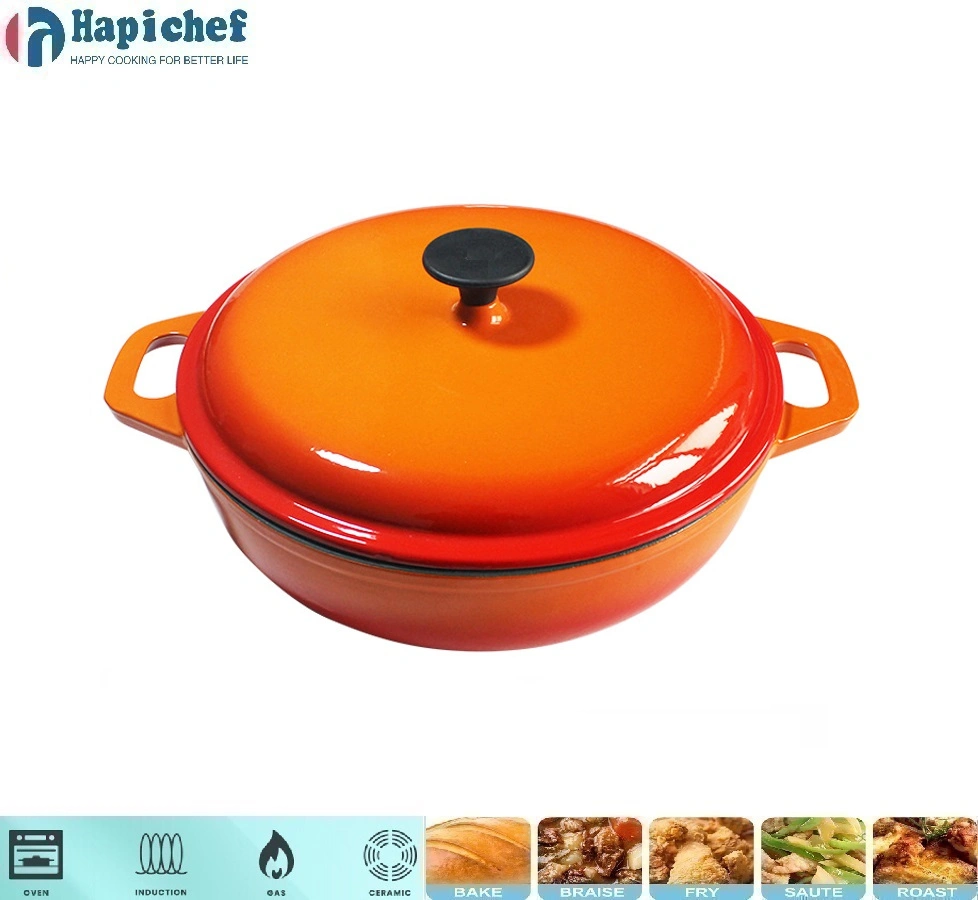
Field notes and mini case studies
- Boutique hotel kitchen in Southeast Asia reported ≈18% gas savings during service after switching to heavy enamel cast iron for mains—less burner cycling thanks to mass and retention. - Home users tell us cleanup is “two wipes and done” unless sugar burns (that’s true of any enamel casserole pot; soak first, avoid metal scourers).
Downsides? Weight. But that heft is the point. Also, avoid thermal shocks (don’t plunge hot pans into cold water). Basic care equals long life.
Certs and standards to look for
Ask vendors for ISO 4531 migration tests, LFGB reports, and EN 12983-1 performance data. For North America, Prop 65 statements help. A reputable factory will share batch-level results, not just a generic certificate.
References
-
How to Choose and Maintain the Perfect Frying Pan for CookingNewsApr.16,2026
-
Mastering the Art of Cooking with a Dutch Oven GuideNewsApr.09,2026
-
Exploring the World of Casseroles A Kitchen Essential for Flavorful MealsNewsApr.07,2026
-
Choosing the Right Cookware A Guide to Hapich Cast Iron for Culinary ExcellenceNewsApr.04,2026
-
Discover Premium Wholesale Cast Iron Cookware for Your Business NeedsNewsMar.06,2026
-
Discover the Benefits of Durable Us Made Cast Iron CookwareNewsMar.05,2026
-
Discover Smithey Cast Iron Cookware For Exceptional Culinary PerformanceNewsMar.04,2026