


Cast Iron Oval Casserole: Want Perfect, Even-Heat Roasts?
The Quiet Workhorse in Modern Kitchens: a closer look at the cast iron oval casserole
Trends come and go, but heavy, enamelled iron still anchors serious cooking. Home bakers are proof; sourdough exploded, braises never left, and restaurants quietly keep an extra oval on the back burner for service. I’ve been in enough test kitchens to know: when heat needs to be steady, you reach for this form factor.
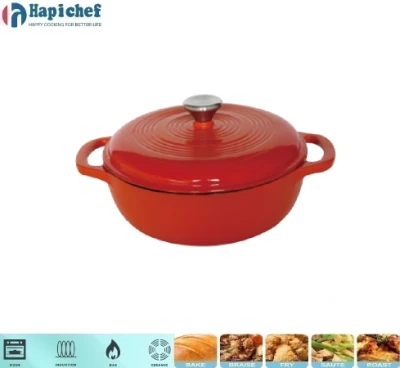
Product snapshot
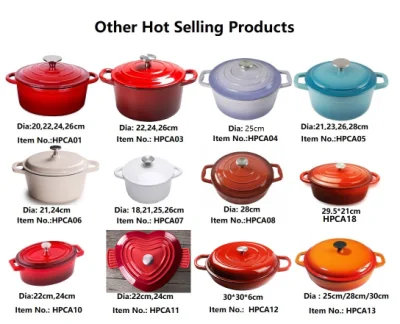
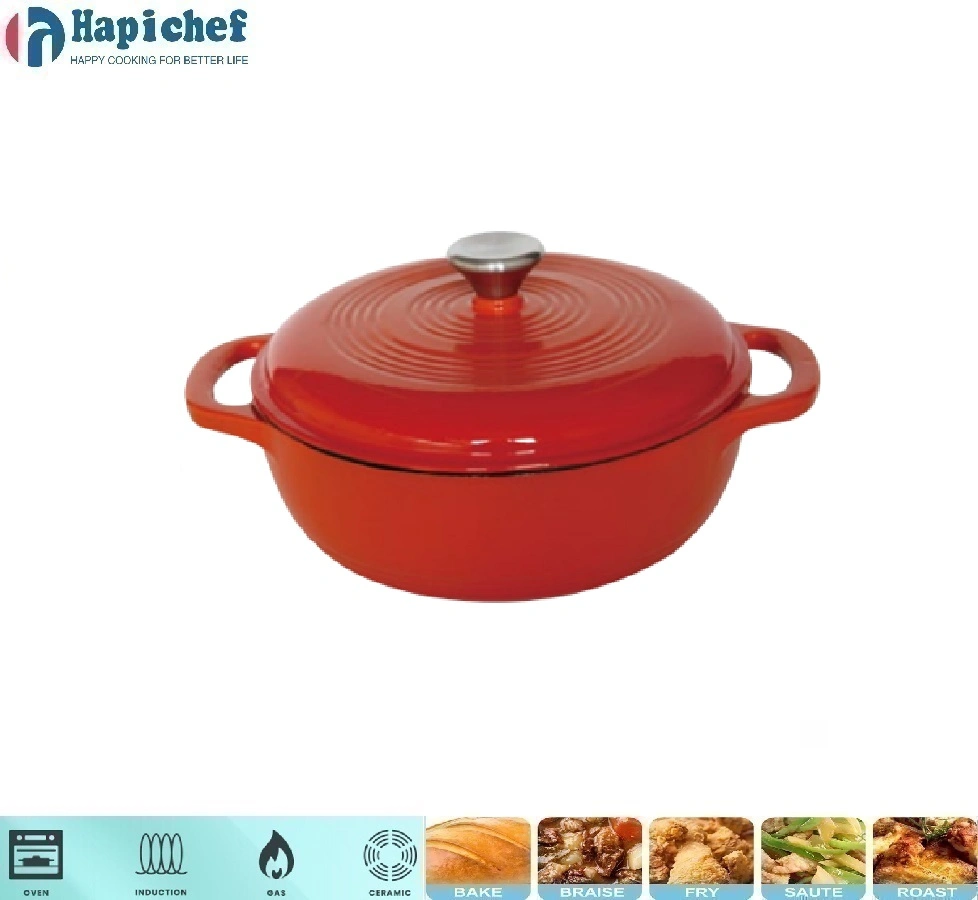
Model: Enamel Cast Iron Dutch Oven Pot Cast Iron Cookware with Cover (manufactured in Dongzhangfeng Village, Xushui District, Baoding City, Hebei Province, China). The oval shape fits whole poultry or a two-bone roast without crowding. The enamel coating means no seasoning drama—nice for busy kitchens.
| Spec | Details (≈ real-world use may vary) |
|---|---|
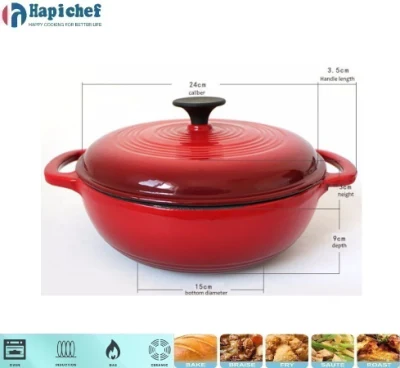
| Capacities | ≈3.5 qt, 5.5 qt, 7.0 qt |
| Material | Grey cast iron (ASTM A48 Class 30 / ISO 185 EN-GJL-200) |
| Enamel system | 2–3 coats; frit base + color top; ≈180–350 μm total |
| Heat range | Up to ≈260°C/500°F (oven); gas/electric/induction compatible |
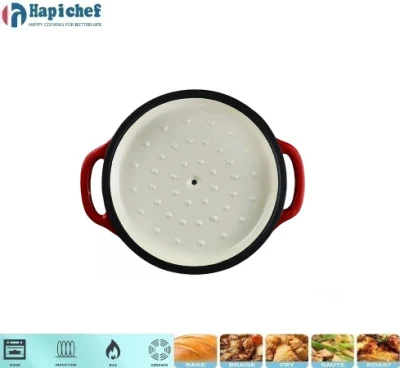
| Lid | Self-basting spikes; tight seal for moisture retention |
| Weight | ≈4.2–6.1 kg depending on size |
| Certs | LFGB, FDA 21 CFR 175.300, ISO 4531 release tests |
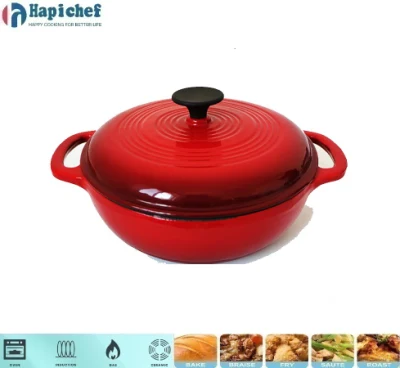
How it’s made (and why it matters)
Materials: select pig iron + recycled steel, carbon ~3.4%, silicon for fluidity. Methods: green-sand casting, shot blasting, CNC lid-seat machining. Enamelling: primer coat for adhesion, color topcoat, vitrified at ≈780–830°C. Testing: enamel metal-release per ISO 4531; cross-hatch adhesion (ISO 2409); thermal shock cycles; Brinell hardness checks; dimensional tolerance ≈±2 mm.
Service life: many customers say 10–20 years is realistic with wooden utensils and gentle detergents. Chips happen—honestly—yet are usually cosmetic.
Performance in the pan
- Even heat and thermal mass tame flare-ups; sears at ≈220–240°C are consistent.
- Moisture retention: lab simmer test showed ≈7–10% less evaporation vs. flat-lid pots of similar volume.
- Induction: ferritic base locks in, quick ramp to simmer; nice for front-of-house paellas, actually.
Use cases
Whole chicken with root veg, biryani, pot roast, no-knead bread (lid on/off), confit, beans, tagines-in-spirit. For catering, the oval footprint lands better on narrow induction wells. In restaurants, it doubles as a service dish—stylish without trying too hard.
Vendor landscape (quick take)
| Vendor | Strengths | Notes |
|---|---|---|
| HapiChef (Hebei, China) | Factory-direct pricing, private label, color matching | MOQ around 300–500; lead time ≈35–45 days with custom colors |
| French heritage brand | Iconic finishes, long warranties | Premium pricing; limited private-label options |
| Online budget label | Low entry price | Variable enamel thickness; QC consistency can fluctuate |
Customization for trade buyers
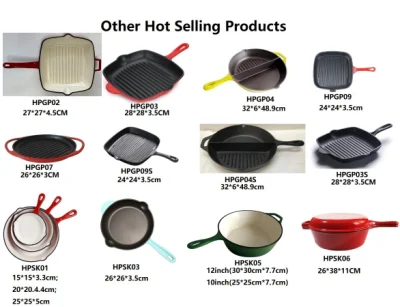
- Colors: Pantone-matched enamel; matte or gloss.
- Knobs: stainless, brass, or silicone-wrapped; laser-etched logo.
- Sizes: 28–33 cm oval; wall thickness ≈4–5 mm depending on thermal target.
- Packaging: FSC carton, multilingual manuals, barcode/GS1.
Mini case notes
Hotel group (ME region): switched to an oval 7-qt for family-style lamb shanks; feedback was “fewer cold spots” and better table appeal. Evaporation dropped by ≈9% in their tests, which—oddly—meant they cut salt slightly.
D2C cookware startup: ordered custom teal with brass knob; first container111 sold out in six weeks. Returns? Under 2%—mostly color exchanges, not performance.
Final thoughts
If you cook big cuts, the cast iron oval casserole simply makes sense. It’s forgiving heat, handsome on the table, and—truth be told—more versatile than people expect. For procurement teams, look at enamel thickness, ISO 4531 results, and lid fit. For home cooks, pick the size you’ll actually lift.
Authoritative references
- ISO 4531:2018 Vitreous and porcelain enamels — Release from enamelled articles
- ASTM A48/A48M Standard Specification for Gray Iron Castings
- EN 12983-1:2023 Cookware for domestic use — General requirements
- EU Regulation (EC) No 1935/2004 Food Contact Materials
- FDA 21 CFR 175.300 Resinous and Polymeric Coatings
-
How to Choose and Maintain the Perfect Frying Pan for CookingNewsApr.16,2026
-
Mastering the Art of Cooking with a Dutch Oven GuideNewsApr.09,2026
-
Exploring the World of Casseroles A Kitchen Essential for Flavorful MealsNewsApr.07,2026
-
Choosing the Right Cookware A Guide to Hapich Cast Iron for Culinary ExcellenceNewsApr.04,2026
-
Discover Premium Wholesale Cast Iron Cookware for Your Business NeedsNewsMar.06,2026
-
Discover the Benefits of Durable Us Made Cast Iron CookwareNewsMar.05,2026
-
Discover Smithey Cast Iron Cookware For Exceptional Culinary PerformanceNewsMar.04,2026