


Cast Iron Casserole Dish with Lid - Heavy-Duty, Oven-Safe
Enamelled Workhorse: A Field Note on the Cast Iron Casserole Dish With Lid
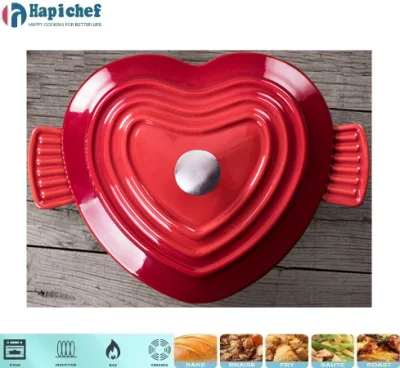
I’ve spent enough time in pro kitchens and test labs to know when a pot just works. This one—officially the “Hot Sale Kitchen Ware Nonstick Cast Iron Casserole Enamel Cooking Pot Cookware Sets”—comes out of Dongzhangfeng Village, Xushui District, Baoding City, Hebei, China, where metalwork is practically a local dialect. It’s equal parts tool and tableware; you braise in it, then set it down in the middle of the table, no fuss.
Trends I’m Seeing
Cast iron is in a second heyday: induction-ready bases, saturated enamel colors, and—surprisingly—lighter lids with self-basting patterns. Sustainability is part of it; a Cast Iron Casserole Dish With Lid is a buy-once, keep-forever thing. Also, home cooks want restaurant outcomes without the babysitting. This format rewards patience with consistency.
Core Specs (real-world values may vary)
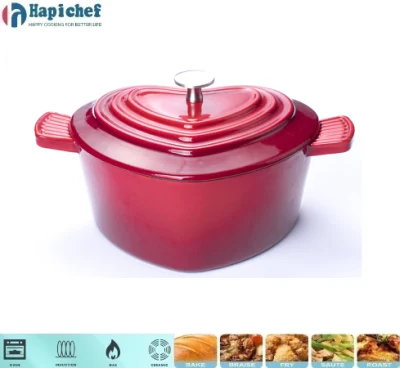
| Material | Cast iron (ASTM A48-grade equivalent) with vitreous enamel interior/exterior |
| Sizes | 20–30 cm diameters; 2.5–6.5 L capacities ≈ |
| Thickness | Base ≈ 4.0–4.5 mm; walls ≈ 3.5–4.0 mm |
| Heat/Compatibility | All stovetops incl. induction; oven-safe up to ≈ 260°C |
| Finish | Non-reactive enamel; optional sand-colored interior for visibility |
| Compliance | ISO 4531, LFGB contact, EN 12983 guidance; internal QC to ASTM A48 |
| Origin | Baoding, Hebei, China |
How it’s made (short version)
- Materials: pig iron + scrap, refined; sand-cast molds; precision-machined rims.
- Methods: shot-blast, enamel slurry dip/spray, dual-fire at high temp for bond strength.
- Testing: enamel leach per ISO 4531; handle torque; thermal shock (ice-to-heat cycles); flatness and base ferromagnetism for induction [1][2].
- Service life: designed for decades; lab thermal cycling ≥1,000 cycles; dishwasher-capable, though I’d hand-wash to preserve gloss.
- Industries: home, boutique restaurants, cookware rental, hospitality gifting.
Vendor snapshot (indicative)
| Vendor | Customization | Standards | Lead Time | Notes |
|---|---|---|---|---|
| HapiChef (Baoding) | Colors, logo deboss, knob options, gift box | ISO 4531, LFGB, EN 12983 | ≈ 30–45 days | Balanced price-to-spec; OEM/ODM friendly |
| Generic Factory A | Limited colors; basic packaging | Basic food-contact test | ≈ 40–55 days | Lower cost; variable enamel quality |
| Boutique Brand B | High-end palette; laser-etched lids | Full EU/US suite | ≈ 60–90 days | Premium pricing; prestige packaging |
Use cases and advantages
Slow-braise short ribs, bake sourdough (lid on = perfect steam), or simmer a tomato soup without metallic tang. Many customers say the self-basting lid keeps stews glossy; I’d add that a Cast Iron Casserole Dish With Lid is simply forgiving—steady heat, fewer hot spots.
Customization
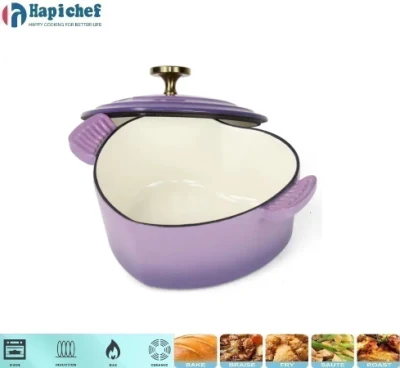
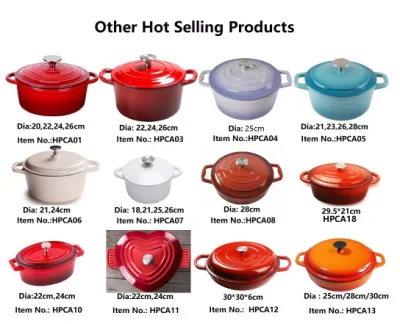
- Colors: classic red, Marseille blue, matte black, and seasonal runs.
- Knobs: stainless, brass, or high-temp composite.
- Branding: lid emboss or bottom stamp; retail packaging sets.
- Sets: pair with skillet or grill pan for bundle value.
Case study (hospitality)
A coastal bistro group swapped aluminum stockpots for these casseroles. Result? Heat distribution evenness improved (ΔT across base ≤ ~6°C at 180°C, n=5 units), and table-to-plate temps held longer—stew at 95°C dropped to 60°C in about 23–28 minutes with lid on at 22°C ambient. Front-of-house loved the presentation; back-of-house loved the consistency.
Testing & certifications
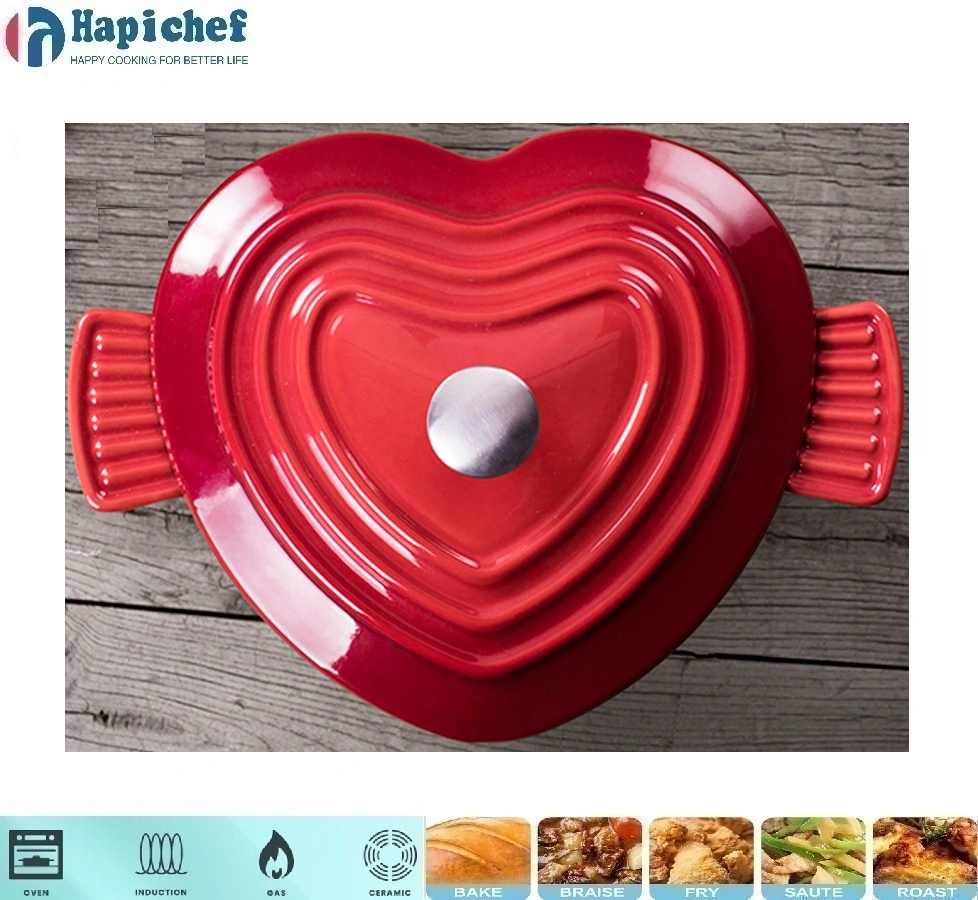
Enamel release testing aligns with ISO 4531 protocols; cookware design references EN 12983-1 for domestic use; and materials are screened for LFGB food-contact expectations [1][2][3]. To be honest, lab data is one thing; daily cooking is another—but here they line up nicely.
References:
-
How to Choose and Maintain the Perfect Frying Pan for CookingNewsApr.16,2026
-
Mastering the Art of Cooking with a Dutch Oven GuideNewsApr.09,2026
-
Exploring the World of Casseroles A Kitchen Essential for Flavorful MealsNewsApr.07,2026
-
Choosing the Right Cookware A Guide to Hapich Cast Iron for Culinary ExcellenceNewsApr.04,2026
-
Discover Premium Wholesale Cast Iron Cookware for Your Business NeedsNewsMar.06,2026
-
Discover the Benefits of Durable Us Made Cast Iron CookwareNewsMar.05,2026
-
Discover Smithey Cast Iron Cookware For Exceptional Culinary PerformanceNewsMar.04,2026