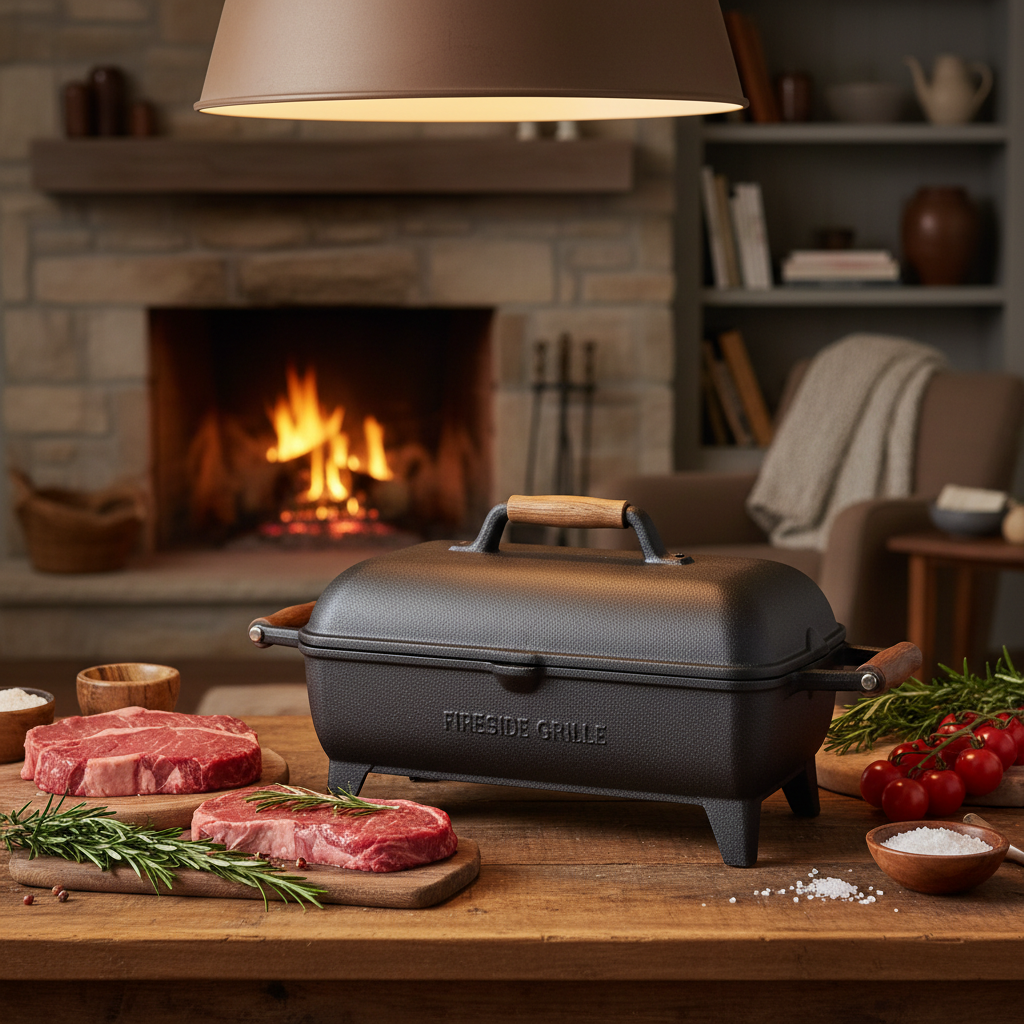
A cheap cast iron casserole dish is a budget-friendly, heavy-duty cookware essential designed for slow-cooking, braising, and baking. Unlike expensive luxury brands, these dishes prioritize the raw functional power of high-quality cast iron, offering exceptional heat retention and a natural non-stick surface that develops over time. They are ideal for home cooks seeking professional-grade thermal performance without a premium price tag.
Many kitchen enthusiasts struggle to balance cost and quality when selecting bakeware. The primary pain point is often the fear that "cheap" means "low quality" or "poorly seasoned." However, in the world of cast iron, the material's inherent properties—such as its ability to distribute heat evenly—remain constant regardless of the brand, provided the casting process is sound and the material is food-safe.
This guide will help you understand the technical advantages of affordable cast iron cookware, how to evaluate a dish for longevity, and the practical steps to maintain its performance. By the end of this article, you will be able to make an informed procurement decision based on material science and actual culinary utility rather than marketing hype.

1Understanding Cast Iron Material Properties

Cast iron is an alloy consisting primarily of iron and carbon. The high carbon content allows the metal to be melted at lower temperatures, making it easier to cast into complex shapes like casserole dishes. The molecular structure of cast iron provides high thermal mass, meaning it can absorb and store a significant amount of heat energy, which prevents the temperature from dropping rapidly when cold food is added.
The "cheap" aspect of these dishes usually refers to the lack of expensive brand licensing or elaborate packaging rather than a reduction in metal quality. Most standard cast iron dishes use a similar smelting process that results in a durable, heavy-duty product capable of withstanding high temperatures up to 450°F.
Understanding these properties is crucial because it explains why a budget casserole dish can perform as well as a luxury one: the physics of heat conduction in iron do not change based on the price of the pot.
2Core Functional Advantages of Budget Casseroles
The primary advantage of a cheap cast iron casserole dish is its versatility across different heat sources. These vessels are compatible with gas, electric, induction, and oven settings. This adaptability allows a single pot to be used for searing meat on the stovetop and then transferred directly into the oven for slow-roasting, which streamlines the cooking workflow.
Furthermore, the thick walls of the casserole dish minimize "hot spots," which are common in thinner aluminum or stainless steel pans. This ensures that stews and braised meats cook uniformly, preventing the bottom from burning while the top remains undercooked.
From a health perspective, cooking with cast iron can naturally increase dietary iron intake, making it a beneficial choice for individuals with iron deficiencies, provided the food is slightly acidic to aid absorption.
3Practical Applications and Culinary Scenarios
A cast iron casserole dish excels in "low and slow" cooking. For example, in the preparation of a traditional beef bourguignon or a slow-cooked vegetable stew, the dish maintains a steady simmer that breaks down tough connective tissues in meat, resulting in a tender texture. Its ability to retain heat also makes it perfect for serving, as the food stays warm on the table for significantly longer than in ceramic dishes.
Beyond stews, these dishes are ideal for baking corn bread, roasting whole chickens, or preparing deep-dish pizzas. The heavy base provides a superior crust and browning effect due to the consistent contact heat delivered to the food.
For high-volume home cooking or small catering needs, the durability of budget cast iron means it can be used daily for years without warping or degrading, offering a much lower cost-per-use than disposable or lightweight alternatives.
4Comparative Thermal Performance Analysis
When analyzing thermal performance, we look at heat absorption and distribution. Standard budget cast iron exhibits a linear heat increase, meaning it takes longer to heat up than aluminum but holds that heat with far greater stability. This stability is the key to achieving professional searing results.
The chart below illustrates how a typical cast iron casserole dish compares to general industry averages for mid-range cookware in terms of critical performance metrics like heat retention and durability.
cheap cast iron casserole dish Performance Metrics
As shown, the high density of the iron results in a significant lead in heat retention (approx. 92% efficiency), which is the most critical factor for slow-cooking applications. While the initial energy consumption to heat the pan may be slightly higher, the ability to maintain temperature reduces the need for constant heat adjustments.
5Procurement Criteria for Affordable Cookware
When purchasing a cheap cast iron casserole dish, buyers should look beyond the price tag and evaluate the casting quality. A well-made dish should have a smooth interior surface without deep pits or casting bubbles. Check the weight; a dish that feels too light may have thinner walls, which compromises its primary benefit: heat retention.
Another critical factor is the lid fit. A tight-fitting lid is essential for trapping steam and moisture, which is what makes the "casserole" method effective. If the lid is loose, moisture escapes, and you lose the efficiency of the braising process.
Finally, verify the coating. Most quality budget options use vegetation oil for seasoning. Avoid any products that use non-toxic black lacquers if you intend to use the dish at very high temperatures, as these can flake off over time.
6Maintenance and Longevity Constraints
The biggest constraint of cast iron is its susceptibility to rust. Because it is composed of iron, exposure to moisture and oxygen leads to oxidation. To prevent this, the dish must always be dried immediately after washing. A common mistake is leaving the dish to air-dry, which can lead to surface rust within hours.
Cleaning also requires a specific approach. We strongly suggest washing by hand with minimal soap. Harsh detergents can strip the seasoned oil layer, returning the pan to its raw state and increasing the likelihood of food sticking.
Despite these constraints, proper care makes a budget cast iron dish virtually immortal. Unlike Teflon-coated pans that must be replaced every few years, a seasoned cast iron dish can last for generations, actually improving in non-stick performance as it ages.
7Cast Iron vs. Alternatives: Selection Guide
Choosing between cast iron and other materials depends on your cooking style. Stainless steel is better for high-acid sauces and quick reductions, while ceramic is superior for presentation but lacks the stovetop searing capability of iron.
For those prioritizing value and durability, the comparison below highlights why a budget cast iron option often outweighs more expensive alternatives in the long run.
| Material | Heat Retention | Lifespan | Best Use Case |
|---|---|---|---|
| Budget Cast Iron | Excellent | Lifetime | Braising & Slow Cook |
| Stainless Steel | Moderate | Long | Searing & Acids |
| Aluminum | Low | Short/Medium | Quick Heating |
| Ceramic | Moderate | Medium | Baking & Serving |
| Enameled Iron | Excellent | Long | Acidic Stews |
| Teflon/Non-stick | Low | Short | Eggs & Delicate Foods |
In summary, while a cheap cast iron casserole dish requires more manual maintenance than a non-stick pan, its unmatched thermal efficiency and permanent lifespan make it the most cost-effective investment for any serious home kitchen.
Frequently Asked Questions
Conclusion
Investing in a cheap cast iron casserole dish is a strategic choice for those who value performance and longevity over brand prestige. By leveraging the inherent thermal properties of iron, these dishes provide professional-grade heat retention and versatility that far exceeds most modern non-stick alternatives. While they require a commitment to basic maintenance—specifically drying and oiling—the reward is a piece of cookware that lasts a lifetime.
For those looking to upgrade their kitchen with durable, eco-friendly, and high-performance bakeware, exploring specialized manufacturers can provide the best balance of quality and cost. You can review a wide range of available cast iron solutions and product specifications at www.hapichefcastiron.com.