Finding high-performance kitchen tools on a budget often leads consumers to a crossroads between disposable convenience and long-term value. While the market is flooded with low-cost options, the real challenge lies in identifying which materials actually withstand the rigors of daily high-heat cooking without compromising food safety or performance.
The shift toward sustainable, lifelong kitchenware has revitalized interest in traditional materials. Many home cooks are discovering that the most cost-effective approach is not buying the lowest-priced item available, but investing in durable materials that eliminate the need for frequent replacements.
In this analysis, we examine how to identify high-value, cheap cookware that offers professional-grade results, focusing specifically on the enduring utility of cast iron in the modern kitchen.


The concept of "cheap" in the cookware industry is often misunderstood. Most low-cost pans rely on thin aluminum bases and chemical non-stick coatings that degrade within 12 to 24 months. This creates a cycle of waste and recurring expense that actually increases the total cost of ownership over time.
Conversely, cast iron represents a different economic model. By utilizing a material that is naturally abundant and nearly indestructible, manufacturers can produce tools that cost very little per year of use. The value is found in the intersection of low initial price and indefinite lifespan.
The primary technical advantage of cast iron is its superior thermal mass. Unlike thin-walled stainless steel or aluminum, cast iron absorbs a significant amount of heat and distributes it evenly across the cooking surface. This prevents the "cold spot" phenomenon often seen when frozen proteins are added to a pan, ensuring a consistent Maillard reaction.
From a design perspective, the geometry of the tool plays a critical role. For instance, ribbed grill pans are engineered to elevate meat above the rendered fats, allowing for authentic char marks while simultaneously draining excess grease. This structural approach mimics professional outdoor grills in a compact indoor format.
Modern manufacturing has refined these processes, allowing for precise weights and thicknesses. By optimizing the iron casting process, companies can ensure that pans like the HPGR02 model maintain structural integrity across various dimensions, from 40cm to 51cm, without warping under extreme temperature fluctuations.
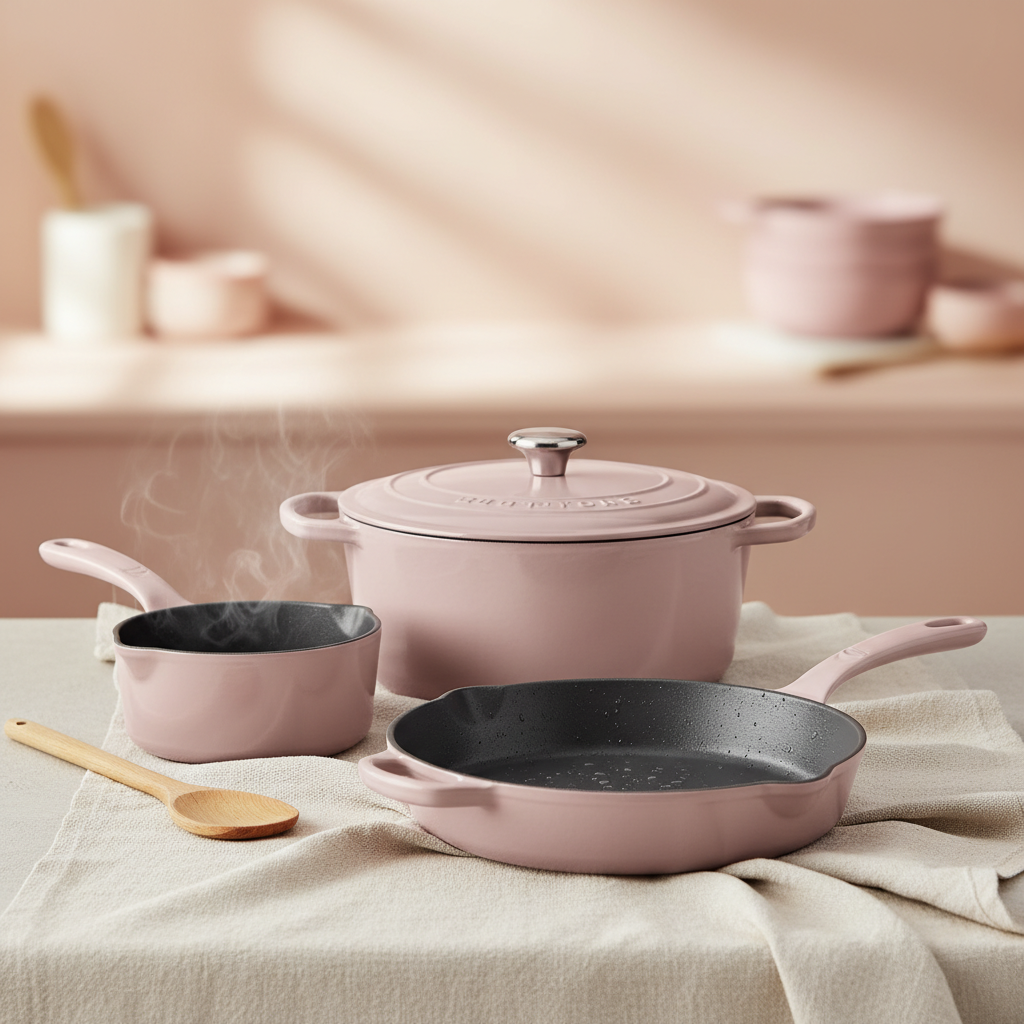
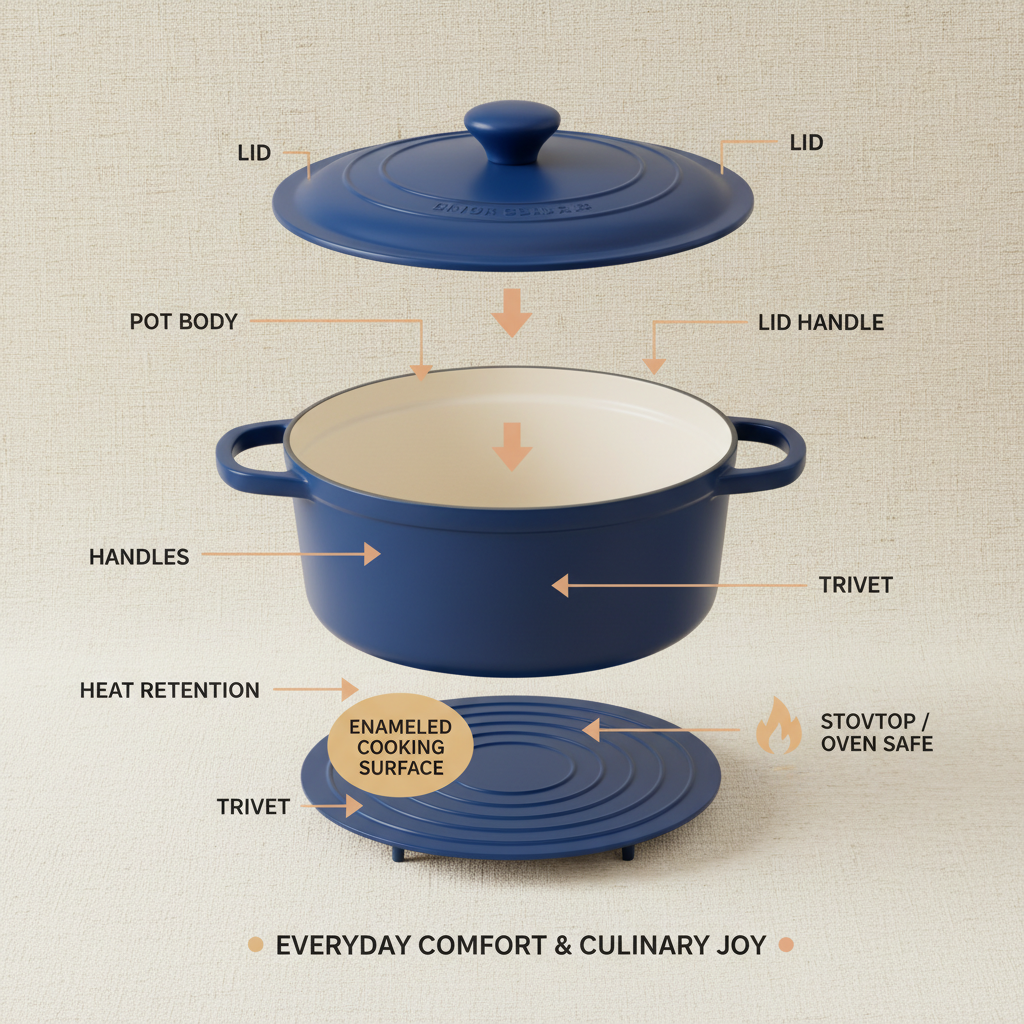
A common point of confusion for buyers is the difference between an enamel coating and traditional seasoning. Enameling involves fusing a glass-like layer to the iron, which eliminates the need for oil maintenance and prevents rust, making it ideal for acidic foods like tomato sauces.
The true longevity of cast iron depends on the polymerization of fats. Regular seasoning creates a natural, non-toxic carbon layer that serves as both a non-stick surface and a protective barrier against oxidation.
For those prioritizing the lowest maintenance, enamel is the solution. However, for those seeking the most versatile and repairable surface, pre-seasoned iron is unmatched. If a seasoned surface is damaged, it can be stripped and rebuilt, whereas a chipped enamel coating is permanent, highlighting the differing philosophies of "permanent" vs "renewable" surfaces.
One of the most significant advantages of cast iron is its universal appliance compatibility. Whether utilizing a gas flame, an electric coil, a modern induction hob, or an oven, the material responds consistently. This flexibility is a key driver in its classification as high-value cookware.
When evaluating heat efficiency, we look at thermal retention—the ability of the pan to stay hot after the heat source is removed. This is why cast iron is the standard for searing steaks or baking artisan bread in Dutch ovens; the material acts as a heat battery, maintaining a stable environment for the food.
In a typical home kitchen setting, a cast iron griddle serves as a multi-tool. For breakfast, it provides the expansive, even surface needed for pancakes and bacon. For dinner, the same tool transitions into a searing station for proteins or a vegetable grill. This versatility reduces the need for multiple specialized pans, further lowering the overall cost of kitchen equipment.
For those operating in outdoor environments, such as camping or BBQ grilling, cast iron's ability to withstand open flames without warping is essential. Whether placed directly on charcoal or used on a portable gas stove, the material's robustness ensures that the cookware does not become a liability in rugged conditions.
The manufacturing landscape has evolved significantly since the early 2000s. Hebei Hapichef Cookware Co., Ltd, established in 2006, exemplifies this shift toward integrating industrial efficiency with traditional casting techniques. By optimizing loading ports like Tianjin and streamlining OEM services, manufacturers can now offer customized logos and sizes without significantly increasing the end-user cost.
One of the most important advancements is the pre-seasoning process. Historically, the user had to spend hours preparing a pan before its first use. Modern factories now apply high-temperature vegetable oil coatings that cure the iron before it leaves the warehouse, making professional-grade tools accessible to novice cooks.
Furthermore, the integration of safety certifications such as FDA, LFGB, and BSCI ensures that "affordable" does not mean "unsafe." The industry has moved toward non-toxic black lacquers and high-purity iron, ensuring that the cookware remains safe for food contact across various international regulatory environments.
When shopping for cookware, the decision often boils down to the trade-off between initial price and longevity. A buyer must decide if they prefer the immediate convenience of a lightweight, coated pan or the long-term reliability of a heavier, cast iron alternative.
The evaluation should focus on three main pillars: compatibility with existing heat sources, the intended cooking style (searing vs. simmering), and the user's willingness to perform basic maintenance. For those who prefer dishwasher-safe options, enamel is the superior choice, while those seeking the best sear should opt for raw, seasoned iron.
Ultimately, the goal is to maximize the "utility-per-dollar" ratio. As shown in the framework below, cast iron consistently outperforms other materials in the long-term value category, provided the user understands the basic requirements of cleaning and oiling.
| Material | Durability | Maintenance | Value Index |
|---|---|---|---|
| Cast Iron | Lifetime | Moderate (Oil) | Extreme |
| Enamel Iron | High | Low (Soap) | High |
| Teflon Aluminum | Low (2-3 years) | Low | Moderate |
| Stainless Steel | High | Moderate | High |
| Ceramic Coated | Moderate | Low | Moderate |
| Carbon Steel | High | Moderate (Oil) | High |
Cast iron offers the lowest "cost per use" of any kitchen material. While a cheap non-stick pan may cost less initially, it must be replaced every few years as the coating wears off. Cast iron lasts for generations, meaning the initial investment is spread over decades, making it the most economical choice for the long term.
Yes, cast iron is naturally ferromagnetic, making it highly compatible with induction cooktops. Because it is a heavy material, it provides a stable base and excellent heat transfer, though it is recommended to heat the pan gradually to avoid thermal shock to the glass surface of the induction hob.
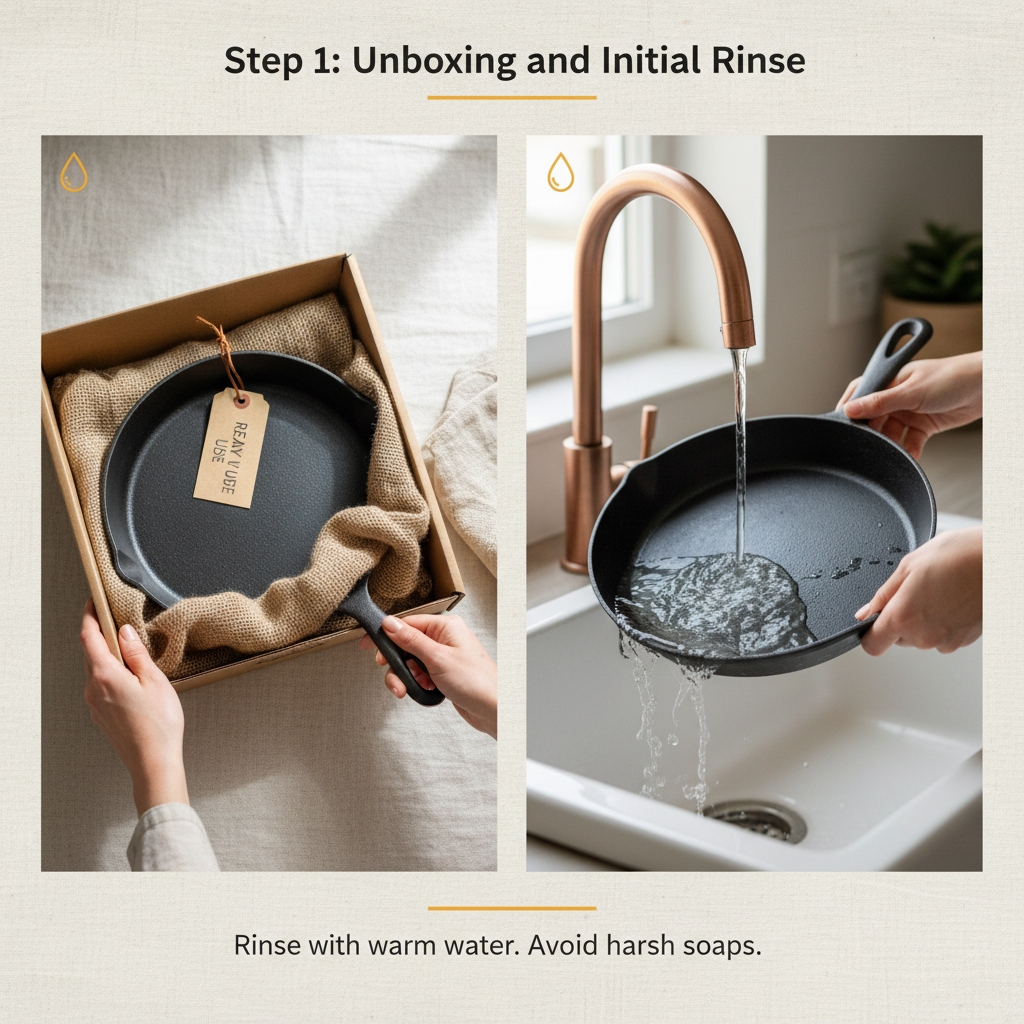
The key is to avoid soaking the pan in water and never letting it air dry. After washing with warm water (and minimal soap), dry the pan immediately with a towel or on a low-heat burner. Apply a very thin layer of vegetable oil while the pan is still warm to seal the pores of the metal from moisture.
Pre-seasoning is a layer of baked-on oil that creates a natural non-stick surface and protects the iron. Enamel is a fused glass coating. Enamel is easier to clean and can handle acidic foods (like lemon or vinegar) without stripping the surface, but it cannot be "repaired" if it chips, whereas seasoning can be reapplied.
Yes, provided they are produced by reputable manufacturers with certifications like FDA or LFGB. Pure cast iron is non-toxic. The main consideration is the coating; pre-seasoned pans use food-grade oils, and enamel uses food-safe glass. Avoid pans with unknown chemical coatings or lead-based glazes.
For those on a budget, a versatile cast iron griddle or a Dutch oven is a better starting point. These tools can perform multiple functions—frying, searing, baking, and stewing—reducing the number of items you need to purchase and store while providing professional results.
The pursuit of affordable cookware should not be a search for the lowest price tag, but for the highest endurance. Cast iron bridges the gap between budget constraints and professional performance, offering a sustainable alternative to the "buy-and-toss" culture of modern kitchenware.
By focusing on material properties like thermal mass and the renewable nature of seasoning, consumers can equip their kitchens with tools that not only save money but enhance the quality of every meal. Investing in durable, well-manufactured iron is the most strategic way to build a professional kitchen on a budget.