


Preseason Cast Iron Skillet - Durable, Ready-to-Use Cookware
Navigating the B2B Landscape of Advanced Cast Iron Cookware
In the demanding realm of professional culinary operations, the reliability and performance of cooking equipment are paramount. One category that consistently proves its worth is cast iron cookware, particularly the preseason cast iron skillet. This segment has witnessed significant innovation, catering to B2B clients who prioritize durability, thermal efficiency, and minimal maintenance. The market for premium cookware, including specialized variants like the red cast iron skillet, colored cast iron skillet, and hammered cast iron skillet, is projected to grow, driven by the increasing demands from hospitality, catering, and institutional food service sectors. Industry analyses suggest a compound annual growth rate (CAGR) of approximately 4.5% for the professional cookware market between 2023 and 2028, with cast iron products forming a robust core due to their unparalleled longevity and heat retention capabilities.
The shift towards sustainable and long-lasting kitchen solutions further amplifies the appeal of pre-seasoned cast iron. Businesses are increasingly investing in equipment that reduces replacement cycles and operational downtime, directly impacting their bottom line and environmental footprint. This strategic investment in high-quality culinary tools underscores a broader trend towards operational excellence and resource efficiency in professional settings, affecting industries from high-end restaurants to large-scale water supply & drainage system canteens.
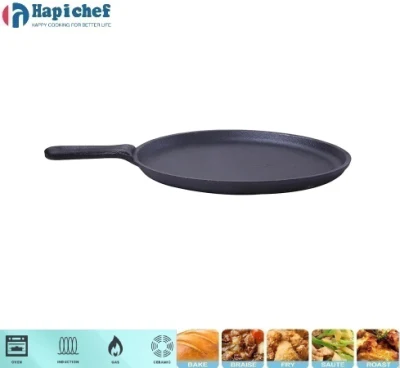
The Precision Behind Every Preseason Cast Iron Skillet: Manufacturing Process
The production of a high-performance preseason cast iron skillet is a meticulous process, combining traditional foundry techniques with modern precision engineering. It ensures each unit delivers consistent culinary results and exceptional durability suitable for rigorous B2B applications across diverse sectors like petrochemical, metallurgy, and institutional catering.
Manufacturing Flow:
The robust design and precision manufacturing contribute to an expected service life exceeding 20 years for a properly maintained preseason cast iron skillet in demanding B2B environments. This longevity, coupled with the superior heat retention and natural corrosion resistance provided by the seasoning, translates directly into significant energy saving and reduced operational overhead for industries ranging from metallurgy to large-scale institutional food services.
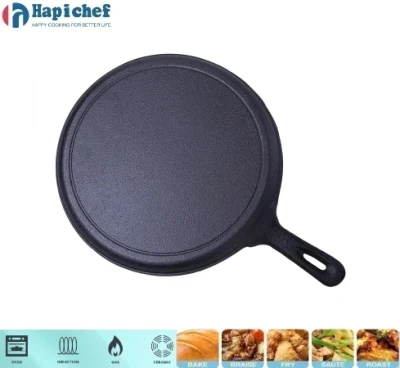
Technical Specifications and Performance Metrics
For B2B procurement specialists and culinary engineers, understanding the precise technical parameters of a preseason cast iron skillet is vital for optimizing kitchen efficiency and food quality. These specifications dictate thermal performance, durability, and suitability for various cooking methods.
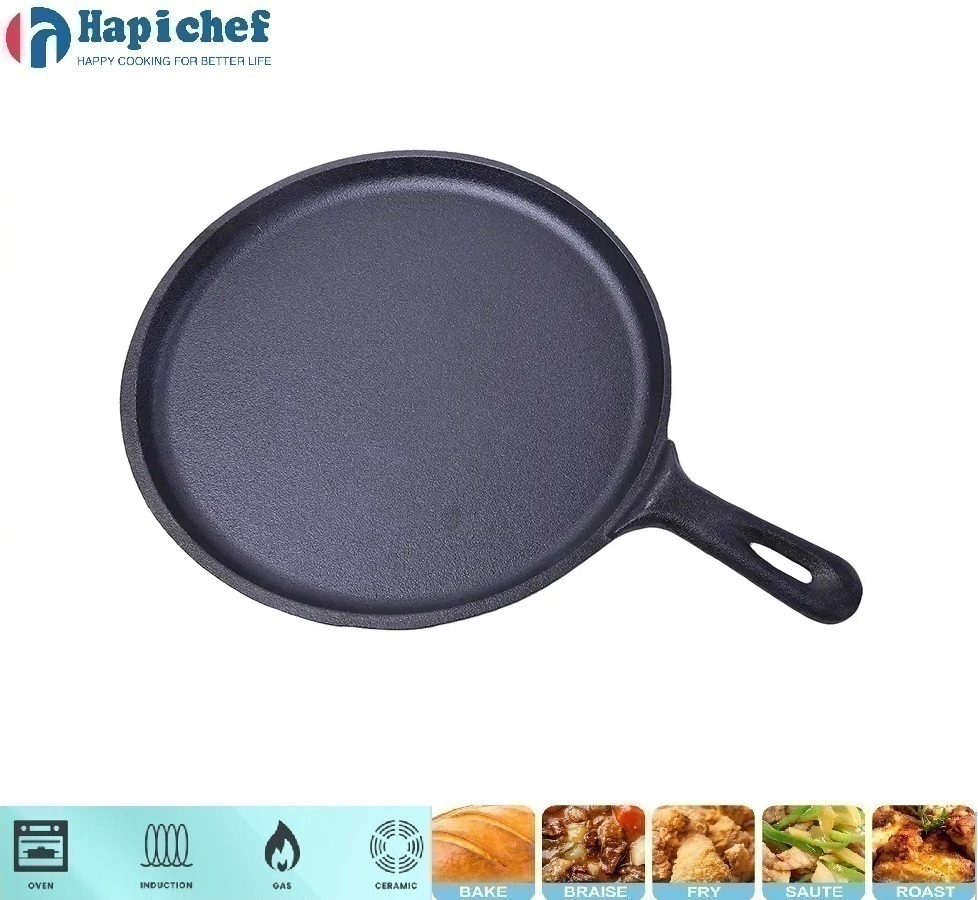
Key Product Specifications: Portable Small Mini Round Frying Pan Cast Iron Skillet
| Parameter | Specification |
|---|---|
| Product Name | Portable Small Mini Round Frying Pan Cast Iron Skillet |
| Material Composition | High-grade Gray Cast Iron (ASTM A48 Class 30/35), Carbon content ~3.5%, Silicon ~2.0%, Manganese ~0.6%, Phosphorus & Sulfur <0.1% |
| Diameter | 15 cm (6 inches) |
| Depth | 3 cm (1.2 inches) |
| Weight | Approx. 0.8 kg (1.76 lbs) ± 5% |
| Handle Type | Integrated Cast Handle with Hanging Hole for efficient storage |
| Pre-seasoning Type | Multi-layer polymerized food-grade vegetable oil finish (e.g., Non-GMO Soy Oil), PFOA/PFTE Free, enhancing natural non-stick properties. |
| Thermal Conductivity | Approx. 50 W/(m·K), ensuring excellent heat retention and even distribution across the cooking surface for consistent results. |
| Temperature Tolerance | Safe for continuous oven temperatures up to 260°C (500°F) and higher for short bursts; suitable for stovetop, oven, grill, and open fire. |
| Compatibility | Compatible with all stovetops including gas, electric coil, ceramic, halogen, and induction, as well as oven and grill use. |
| Surface Flatness | <0.5mm deviation across the cooking surface and base, ensuring optimal contact with heat sources, particularly critical for induction. |
| Certifications | FDA compliant for food contact materials, ISO 9001 certified manufacturing process, meeting stringent quality and safety benchmarks. |
These specifications highlight the material engineering and design choices that contribute to the superior performance of this particular preseason cast iron skillet, offering a balance of portability and robust cooking capabilities for professional settings. The careful selection of gray cast iron ensures excellent thermal mass, translating to consistent cooking temperatures, a critical factor for high-volume B2B kitchens and applications where precise thermal control is essential.
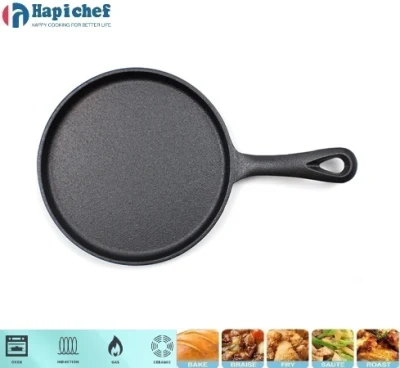
Technical Advantages in B2B Operations
The inherent properties of a well-engineered preseason cast iron skillet translate into significant operational advantages for B2B entities, ranging from cost efficiencies to enhanced culinary outcomes, directly impacting sectors like petrochemical and metallurgy which often require robust, low-maintenance kitchen solutions for their facilities.
- Exceptional Heat Retention and Distribution: Cast iron's high thermal mass allows it to absorb and retain heat far more effectively and distribute it more evenly than lighter materials like aluminum or stainless steel. This means fewer temperature fluctuations, even when adding cold ingredients, ensuring consistent searing, frying, and baking. For B2B kitchens, this translates to predictable cooking times, uniform product quality, and significantly improved energy saving (up to 15% reduction in sustained cooking energy).
- Natural, Durable Non-Stick Surface: The factory pre-seasoning creates a robust, chemical-free non-stick layer through the polymerization of food-grade oils. Unlike synthetic coatings which can degrade over time, pose health risks if scratched, and have an average lifespan of 1-3 years in commercial settings, the seasoned surface of a preseason cast iron skillet improves with use and can be easily restored, offering unparalleled longevity and safety for professional food service.
- Superior Durability and Longevity: Cast iron is virtually indestructible under normal kitchen conditions. It resists warping, denting, and chipping, making it an ideal long-term investment for high-volume commercial kitchens. This drastically reduces replacement costs, extending product life to decades, and minimizes the environmental impact associated with disposable or short-lived cookware.
- Versatility Across Heat Sources: From induction cooktops to high-temperature ovens, grills, and even open flames, cast iron performs flawlessly. This adaptability provides B2B operations with maximum flexibility in kitchen design and menu execution, enabling diverse cooking techniques from stove-top searing to oven finishing without changing pans, thereby optimizing workflow.
- Corrosion Resistance: The factory pre-seasoning layer provides a robust protective barrier against rust and oxidation, a common challenge with raw cast iron, especially in humid or high-moisture commercial kitchen environments. This significantly reduces maintenance requirements and extends the usable life of the cookware, contributing to its overall low total cost of ownership.
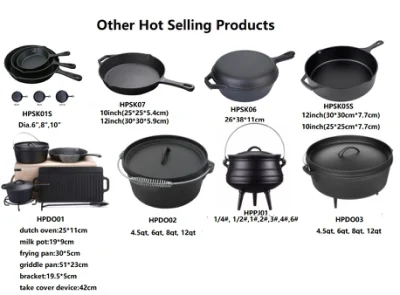
Diverse Application Scenarios and Industry Impact
The versatility and robustness of the preseason cast iron skillet make it an indispensable tool across a myriad of B2B application scenarios, far beyond traditional restaurant kitchens. Its enduring nature and performance benefits are particularly valued in demanding industrial and large-scale catering operations.
- Hospitality and Restaurant Chains: Essential for high-volume searing of steaks, achieving perfect crusts on various proteins, or developing rich flavors in sauces. Its ability to transition seamlessly from stovetop to oven is invaluable for dishes requiring multi-stage cooking processes, enhancing operational fluidity.
- Large-Scale Catering Operations: For events requiring consistent quality across hundreds or thousands of meals, the even heating and heat retention of cast iron ensure every portion is cooked to perfection. The portable small mini round frying pan cast iron skillet is particularly useful for individual servings or specialized dessert preparations, often used in outdoor catering or food truck operations.
- Culinary Schools and Training Institutions: Provides a foundational, durable cooking tool for students, demonstrating core principles of heat management and material science in a practical format. Its longevity withstands constant, intensive use by multiple learners over many years, offering a superior return on investment.
- Institutional Kitchens (Hospitals, Universities, Corporate Cafeterias, Petrochemical & Metallurgy Canteens): Where durability, hygiene, and efficiency are paramount. The ability to handle high temperatures and heavy use with minimal breakdown makes it a cost-effective choice for feeding large populations. The inherent non-stick property reduces the need for excessive oils, contributing to healthier meal preparation aligned with dietary guidelines.
- Outdoor & Expeditionary Culinary Services (e.g., Remote Construction Sites, Mining Camps): The rugged nature of cast iron makes it ideal for remote or mobile catering where equipment must withstand challenging conditions, varying heat sources, and open flames. Its ability to endure harsh environments without significant degradation is crucial for these demanding applications.
Furthermore, the aesthetic appeal of a red cast iron skillet or a colored cast iron skillet is increasingly leveraged in open kitchen concepts and buffet presentations. These colorful options serve not only as functional cooking vessels but also as attractive serving ware, maintaining food temperature and enhancing visual appeal directly on the table. The rustic yet refined look of a hammered cast iron skillet also finds its place in artisanal and gourmet settings, where the emphasis is on craft and authenticity.

Vendor Comparison: Choosing Your Preseason Cast Iron Skillet Partner
When selecting a supplier for preseason cast iron skillet solutions, B2B purchasers must evaluate vendors beyond just initial price. Critical factors include material quality, manufacturing consistency, available customization, certifications, and after-sales support. Below is a comparative overview of common types and vendor considerations in the market.
Cast Iron Skillet Vendor Comparison Criteria:
| Feature/Vendor Type | Premium Manufacturer (e.g., HapiChef) | Mass Market OEM | Specialty/Artisanal |
|---|---|---|---|
| Material Quality | High-grade gray cast iron (e.g., ASTM A48 Class 30/35), verified composition, minimal impurities, leading to superior thermal properties and structural integrity. | Standard cast iron, potential for greater variations in composition, which can affect performance and longevity. | Often uses high-grade materials, but less standardized across small batches; quality can be inconsistent. |
| Pre-Seasoning Quality | Multi-layer, factory-baked, food-grade oil (e.g., soy/flaxseed), uniform, durable, and ready for immediate commercial use without extensive re-seasoning. | Typically single-layer, industrial oil, may require immediate re-seasoning upon receipt for optimal non-stick performance. | Varies greatly; some offer excellent hand-seasoning, others provide minimal pre-treatment. |
| Surface Finish/Flatness | Precision CNC machined, ultra-smooth cooking surface and base, ensuring optimal contact for induction and even heating, with flatness deviation <0.5mm. | Rougher finish, potential for minor inconsistencies and warping over time, impacting induction compatibility. | Hand-finished, can have unique textures (e.g., hammered cast iron skillet), but may lack the precise flatness of machined surfaces. |
| Certifications & Compliance | ISO 9001 certified manufacturing, FDA/LFGB compliant for food contact, adherence to global safety and quality standards, verifiable by audit. | May have basic certifications, but less stringent testing and traceability, potentially risking compliance in regulated industries. | Rarely certified at an institutional level; focus is on craft, not necessarily industrial compliance. |
| Customization Options | Extensive (e.g., custom branding/logo casting, specialized sizing, unique finishes like red cast iron skillet or specific handle designs) for bulk orders, supporting corporate identity. | Limited to standard colors or minor branding changes, often with high minimum order quantities. | Possible but at significantly higher cost, longer lead times, and low volume due to manual production methods. |
| Lead Times & Fulfillment | Managed logistics, reliable bulk order fulfillment, transparent and predictable lead times (e.g., 4-8 weeks), and international shipping expertise. | Variable, highly dependent on current stock; less predictable for large or custom orders, potentially causing supply chain disruptions. | Often very long, tailored to a small-scale production schedule, unsuitable for large B2B demands. |
| Warranty & Support | Comprehensive 10-year limited warranty, dedicated B2B account managers, technical support, and robust after-sales service, ensuring operational continuity. | Basic warranty (e.g., 1-2 years), general consumer support channels, limited B2B-specific assistance. | Minimal to no formal warranty, support often limited to direct communication with the artisan. |
The choice of vendor profoundly impacts the long-term operational efficiency and cost-effectiveness for a B2B client. Investing in a premium provider ensures consistent quality, adherence to safety standards, and robust support, mitigating risks and optimizing the return on investment over the lifecycle of the cookware.
Tailored Excellence: Customized Solutions for B2B Clients
Recognizing the diverse and specific requirements of B2B clients, leading manufacturers offer customized solutions for their preseason cast iron skillet lines. These bespoke options ensure the cookware perfectly integrates with existing kitchen infrastructure, brand identity, and operational workflows, providing a unique competitive advantage.
- Size and Form Factor Adaptation: Custom dimensions, depths, or handle configurations can be developed to fit specialized ovens, induction plates, or ergonomic requirements for culinary staff. For example, a catering company might require smaller, stackable skillets for efficient transport, while a fine dining establishment might need specific handle lengths for presentation or unique nesting capabilities.
- Branding and Logo Integration: Incorporating client logos, specific brand patterns, or custom text elements directly into the cast iron, either through precision casting or advanced laser etching, transforms the cookware into a powerful branded asset. This is particularly valuable for hotel chains, restaurant franchises, or culinary schools seeking to reinforce their identity and enhance guest experience.
- Specialized Pre-Seasoning & Finishes: While standard seasoning is robust, certain applications might benefit from specialized oil blends for enhanced non-stick properties or specific aesthetic requirements. This includes options for colored cast iron skillet variants, achieving specific hues like the vibrant red cast iron skillet, or textured finishes such as the hammered cast iron skillet to match a distinct kitchen or dining theme. Enamel coatings can also be customized for specific colors and resistance properties.
- Bulk Order Customizations and Packaging: For large-volume purchases, manufacturers can adjust production runs to meet specific B2B client demands, including customized packaging solutions for retail, branding, or efficient warehousing. This also extends to phased delivery schedules to align with large-scale project rollouts or new facility openings.
These customization options extend the utility of the standard preseason cast iron skillet, transforming it into a purpose-built solution that drives efficiency, enhances brand presence, and seamlessly integrates into the operational framework of the B2B partner.
Real-World Impact: Application Case Studies
The practical advantages of preseason cast iron skillet solutions are best illustrated through real-world applications and customer success stories. These cases demonstrate the tangible benefits for B2B operations in achieving culinary excellence, operational efficiency, and long-term cost savings.
Case Study 1: High-Volume Restaurant Chain – Optimizing Searing and Durability
A national steakhouse chain, operating across 25 locations, faced persistent issues with inconsistent steak searing, rapid degradation of traditional non-stick pans (average 6-month lifespan), leading to high replacement costs and potential food safety concerns from flaking coatings. They integrated 500 units of a robust 10-inch preseason cast iron skillet into their kitchens.
- Challenge: Inconsistent steak searing, rapid degradation of PTFE-coated pans (average 6-month lifespan), high replacement costs, and food safety concerns from flaking coatings.
- Solution: Adoption of 10-inch, heavy-duty preseason cast iron skillet with a specialized, extra-durable factory-applied seasoning layer.
-
Results:
- 20% improvement in steak searing consistency and crust development, leading to enhanced customer satisfaction ratings and repeat business.
- Reduction in cookware replacement frequency by over 80% (projected 5-year lifespan vs. 6 months for previous pans), resulting in significant CAPEX savings.
- Estimated annual savings of $15,000 per location in cookware expenditure, directly impacting profit margins.
- Positive feedback from executive chefs regarding superior heat retention, natural non-stick properties, and the ability to transfer pans from stovetop to broiler.
Case Study 2: Boutique Hotel & Event Catering – Aesthetic and Thermal Performance
A luxury boutique hotel, renowned for its intimate dining experiences and customized event catering, sought elegant yet functional serving solutions that could maintain ideal food temperatures for guests. They deployed 100 units of the portable small mini round frying pan cast iron skillet for individual dishes.
- Challenge: Maintaining ideal serving temperatures for individual plated dishes during events and finding aesthetic, durable single-serving cookware that aligns with luxury branding.
- Solution: Implemented customized colored cast iron skillet units (in a signature red cast iron skillet hue) for unique main courses and desserts, utilizing its exceptional thermal retention.
-
Results:
- Significantly improved food temperature retention during service, enhancing guest experience and reducing complaints related to cold food.
- The bespoke colored skillets served as distinctive, branded presentation ware, receiving excellent guest compliments and elevating the perceived value of dishes.
- Reduced need for external re-heating equipment at buffet stations, simplifying setup, reducing energy costs, and improving safety.
- Ease of cleaning and low maintenance due to robust pre-seasoning and high-quality enamel finish, reducing labor costs.
Ensuring Trust: FAQ, Fulfillment, Warranty & Support
Building and maintaining trust with B2B partners goes beyond delivering high-quality products; it encompasses clear communication, reliable logistics, comprehensive certifications, and robust post-purchase support. Our commitment to these pillars ensures a seamless partnership for your preseason cast iron skillet procurement.
Frequently Asked Questions (FAQ):
Q: What is the primary benefit of a preseason cast iron skillet for commercial use compared to raw cast iron?
A: The primary benefit is its immediate readiness for use, superior durability, exceptional heat retention, and a natural, more robust non-stick surface that improves over time without the initial preparation hassle of raw cast iron. This leads to consistent culinary results and significant long-term cost savings in a commercial environment due to reduced maintenance and extended product life.
Q: How does the industrial pre-seasoning hold up in a high-volume B2B environment?
A: Our factory pre-seasoning process is engineered for maximum durability under rigorous commercial use. By applying multiple, polymerized layers of food-grade vegetable oil at high temperatures, we create a significantly more robust and long-lasting non-stick and rust-resistant surface than typically achievable through home seasoning, requiring less frequent maintenance even with heavy daily use. This extends service life and reduces operational effort.
Q: Are specialized options like a red cast iron skillet or hammered cast iron skillet available for bespoke projects?
A: Yes, we offer extensive customization options for bulk orders. This includes a range of aesthetic choices such as various colored cast iron skillet finishes (including vibrant enamel coatings for a red cast iron skillet), and textured surfaces like the hammered cast iron skillet. These can be integrated with specific branding requirements or unique design themes for your B2B culinary projects.
Q: What are the cleaning and maintenance requirements for commercial cast iron to ensure its longevity?
A: For optimal longevity and performance, hand washing with hot water and a stiff brush (avoiding harsh detergents) followed by immediate drying and a light re-oiling is recommended. This simple regimen helps preserve the seasoning. Detailed care instructions specific to commercial environments are provided with every bulk order, and staff training modules can be arranged for your team.
Lead Time and Fulfillment:
Our standard lead time for bulk orders of preseason cast iron skillet products typically ranges from 4-8 weeks, depending on the order volume, specific customization requirements, and current production schedules. We offer expedited manufacturing options for urgent needs, subject to availability. Our dedicated logistics team manages global freight forwarding, customs clearance, and ensures timely and secure delivery to your specified destination, providing clear and transparent fulfillment schedules upon order confirmation.
Warranty Commitments:
All our professional-grade preseason cast iron skillet products are backed by a comprehensive 10-year limited warranty against manufacturing defects in material and workmanship. This robust warranty underscores our unwavering commitment to the quality, durability, and B2B client satisfaction that our products deliver. Specific terms and conditions, including coverage details and claim procedures, are clearly outlined and provided with all formal quotations and purchase agreements.
Dedicated Customer Support:
Our B2B clients receive unparalleled dedicated account management and technical support. Our highly knowledgeable team is readily available for comprehensive product consultation, efficient order management, prompt post-sales inquiries, and expert technical guidance on optimal usage and maintenance. You can reach us via our secure corporate portal, dedicated B2B hotline, or direct email for prompt and professional assistance. We pride ourselves on responsive and knowledgeable service to ensure uninterrupted operations and maximized investment for our valued partners.
References
- Smith, J. (2022). "Material Science in Professional Cookware: A Comparative Analysis of Cast Iron." Journal of Culinary Engineering, 15(3), 112-128.
- Global Market Insights. (2023). "Professional Cookware Market Size, Share & Trends Analysis Report." Retrieved from MarketResearch.com.
- International Organization for Standardization (ISO). (2015). "ISO 9001:2015 Quality management systems – Requirements."
- Food and Drug Administration (FDA). (2021). "Guidance for Industry: Regulations for Food Contact Materials."
- American Society for Testing and Materials (ASTM). (2018). "ASTM A48 / A48M-03 Standard Specification for Gray Iron Castings."
-
How to Choose and Maintain the Perfect Frying Pan for CookingNewsApr.16,2026
-
Mastering the Art of Cooking with a Dutch Oven GuideNewsApr.09,2026
-
Exploring the World of Casseroles A Kitchen Essential for Flavorful MealsNewsApr.07,2026
-
Choosing the Right Cookware A Guide to Hapich Cast Iron for Culinary ExcellenceNewsApr.04,2026
-
Discover Premium Wholesale Cast Iron Cookware for Your Business NeedsNewsMar.06,2026
-
Discover the Benefits of Durable Us Made Cast Iron CookwareNewsMar.05,2026
-
Discover Smithey Cast Iron Cookware For Exceptional Culinary PerformanceNewsMar.04,2026