


Portable Stainless Steel Camping Stove | Durable Wood Burning Heater
Understanding the Evolving Market for Stainless Steel Camping Stoves
The market for outdoor cooking equipment is experiencing significant innovation, driven by demand for durability, efficiency, and portability. Among these advancements, the stainless steel camping stove stands out as a critical solution for diverse applications, from recreational camping to humanitarian aid and emergency preparedness. This segment, characterized by robust construction and superior performance, is witnessing a surge in adoption across various B2B sectors.
Industry trends indicate a growing preference for sustainable and multi-fuel capable stoves. The shift towards renewable fuel sources like wood pellets and biomass, coupled with the inherent advantages of stainless steel, positions these stoves at the forefront of modern outdoor and remote-site culinary solutions. Data from the Outdoor Industry Association (OIA) suggests a consistent year-over-year growth in outdoor equipment sales, with cooking gear being a significant contributor, partly fueled by a heightened focus on self-sufficiency and disaster readiness. Furthermore, the global market for portable stoves is projected to reach USD 7.2 billion by 2027, driven by increased participation in outdoor activities and the demand for efficient, reliable cooking solutions in off-grid environments.
Key drivers for this growth include technological advancements in combustion efficiency, material science improvements leading to lighter yet stronger alloys, and a broader understanding of the environmental impact of traditional cooking methods. Organizations in sectors such as disaster relief, remote construction, and adventure tourism are increasingly specifying compact, efficient, and durable cooking systems that can withstand harsh conditions and operate reliably with locally sourced fuels.
The Manufacturing Process: Crafting a Reliable Stainless Steel Camping Stove
The production of a high-quality stainless steel camping stove involves a meticulous process flow, ensuring structural integrity, thermal efficiency, and longevity. Adherence to stringent quality control and material specifications is paramount for products designed for demanding outdoor and operational environments.
1. Material Selection & Procurement
The foundation of any durable stove is its material. For a stainless steel camping stove, premium-grade stainless steel, typically AISI 304 or 316, is selected for its exceptional corrosion resistance, high-temperature strength, and hygienic properties. AISI 304 is widely used for its balance of cost and performance, while AISI 316 offers enhanced resistance to chlorides, ideal for marine or coastal applications. Material certifications (e.g., ASTM A240) are verified upon receipt.
2. Precision Cutting & Forming
Stainless steel sheets are precisely cut using CNC laser or plasma cutting machines to ensure accurate dimensions for each component (combustion chamber, fuel tray, pot stand, body panels). Subsequent processes involve CNC bending and stamping to form the intricate shapes and interlocking mechanisms that define the stove's structure and portability.
3. Welding & Assembly
Components are joined using TIG (Tungsten Inert Gas) welding, preferred for stainless steel due to its clean, precise welds and minimal distortion. Weld quality is crucial for structural integrity and thermal performance. Automated welding processes are often employed for consistency. Sub-assemblies are then integrated to form the complete stove unit.
4. Surface Finishing & Deburring
Post-welding, components undergo deburring to remove sharp edges and surface finishing to enhance aesthetics and corrosion resistance. Techniques include pickling, passivation, and sometimes electropolishing, which removes surface contaminants and forms a protective oxide layer.
5. Quality Control & Testing
Each stainless steel camping stove undergoes rigorous testing. This includes visual inspection, dimensional verification, and functional testing to confirm proper assembly and operation. Critical tests include burn efficiency, heat output, and structural stability under load. Products are tested against internal benchmarks and relevant industry standards like ISO 9001 for quality management and ANSI Z21.75 for outdoor cooking gas appliances (where applicable, for hybrid models). Service life is designed to exceed 10 years under typical usage conditions.
6. Packaging & Distribution
Finished stoves are carefully packaged to prevent damage during transit. Eco-friendly packaging materials are prioritized. Products are then dispatched to target industries such as outdoor recreation, disaster relief, military logistics, and remote industrial sites (e.g., mining camps, construction sites) where reliable and efficient cooking is essential.
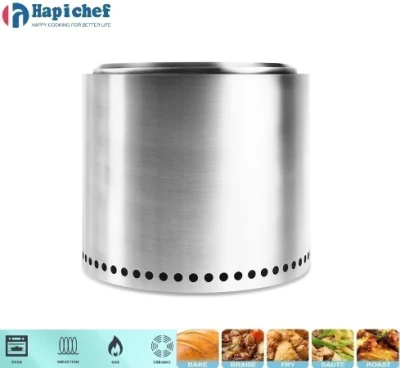
Technical Specifications and Performance Metrics
The performance of a stainless steel camping stove is defined by its core technical specifications, which directly impact its efficiency, durability, and user experience. Understanding these parameters is crucial for B2B procurement and application planning.
Key Product Specifications
Performance Insights
- Combustion Efficiency: Advanced gasification and secondary combustion designs ensure near-complete fuel burn, minimizing smoke and particulate emissions, crucial for health and environmental considerations in enclosed or semi-enclosed spaces.
- Heat Transfer: The design optimizes convection and radiation heat transfer, directing maximum thermal energy to the cooking vessel, which is vital for rapid cooking and fuel conservation.
- Corrosion Resistance: The use of high-grade stainless steel ensures the stove withstands exposure to moisture, acids (from certain wood types), and high temperatures without degradation, maintaining structural integrity over prolonged use. This is particularly important for a stainless steel wood stove used in varied climates.
- Structural Stability: Engineered with interlocking components and robust welding, the stove provides a stable platform for various cookware sizes and weights, preventing accidental spills or tip-overs.
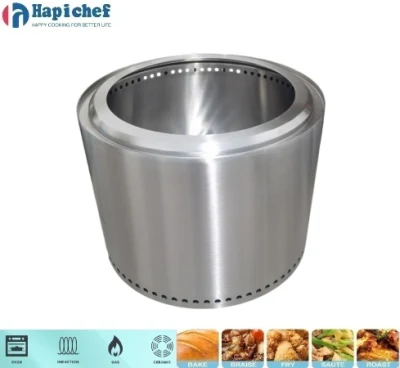
Application Scenarios and Technical Advantages
The versatility and robust nature of a stainless steel camping stove make it indispensable across a spectrum of professional and humanitarian applications. Its technical advantages translate directly into operational benefits for B2B entities.
Typical Application Scenarios:
- Disaster Relief & Humanitarian Aid: Providing reliable cooking solutions in emergency camps, refugee settlements, and post-disaster zones where traditional fuel sources are scarce or infrastructure is compromised. The ability to utilize locally available biomass is critical.
- Remote Industrial & Field Operations: Supporting culinary needs for crews in mining, oil & gas exploration, construction, and scientific expeditions where access to grid power or bottled gas is impractical. A small stainless steel wood stove is often preferred for individual or small team use.
- Military & Tactical Deployments: Ensuring food preparation capability for deployed personnel, offering a discreet and efficient heat source that minimizes logistical dependency on specialized fuels.
- Outdoor Education & Adventure Tourism: Facilitating cooking for groups during expeditions, wilderness therapy programs, and extended treks, emphasizing self-sufficiency and minimal environmental impact.
- Energy-Saving Initiatives in Developing Regions: Replacing inefficient open-fire cooking, thereby reducing deforestation, indoor air pollution, and fuel costs for communities. Our products, like the Stainless Steel Wood Pellet Rocket Stove Charcoal Stove for Africa and America, are specifically designed for such impactful applications.
Technical Advantages:
- Energy Saving & Fuel Efficiency: Rocket stove designs, characteristic of many stainless steel wood burning stove models, harness advanced combustion principles to achieve exceptionally high thermal efficiency. This significantly reduces fuel consumption (by 50-70% compared to open fires) and cooking times, leading to lower operational costs and reduced ecological footprint.
- Superior Corrosion Resistance: Stainless steel, particularly AISI 304/316, offers inherent resistance to rust, oxidation, and chemical corrosion from various fuel byproducts. This ensures extended product lifespan and reliable performance in diverse climates, including humid, saline, or acidic environments.
- High Heat Resistance: Withstands extreme temperatures generated during combustion without warping, cracking, or degrading, maintaining structural integrity and safety. This is a critical advantage over conventional steel or aluminum alloys.
- Hygienic & Easy to Clean: The non-porous surface of stainless steel prevents bacterial growth and is easy to clean, meeting hygiene standards for food preparation in professional settings.
- Portability & Compact Design: Engineered for easy assembly, disassembly, and transport. Many models feature interlocking parts that pack flat, minimizing bulk and weight, crucial for logistics in remote deployments.
- Multi-Fuel Capability: Designed to efficiently burn a wide range of biomass fuels (twigs, leaves, wood pellets, charcoal), offering unparalleled flexibility in fuel sourcing, a major advantage in unpredictable operational environments.

Vendor Comparison: Why Choose Our Stainless Steel Outdoor Stove
In a competitive market, discerning procurement teams must carefully evaluate vendors based on product quality, adherence to standards, customization capabilities, and after-sales support. Our commitment to excellence positions our stainless steel outdoor stove offerings as a superior choice.
Competitive Landscape Analysis:
While numerous manufacturers offer portable stoves, significant differentiators exist in material quality, design efficacy, and manufacturing consistency. Many lower-cost alternatives use thinner gauge stainless steel or inferior alloys, compromising durability and heat resistance. Others may lack optimized combustion chamber designs, leading to inefficient fuel use and excessive smoke.
Our Distinctive Value Proposition:
- Uncompromised Quality: Our stainless steel wood stove models are manufactured using precision CNC machinery and TIG welding, adhering to ISO 9001 quality management standards. This ensures consistent product integrity and performance, even under extreme operational demands.
- Proven Expertise: With years of experience in fabricating high-performance stainless steel products, our engineering team possesses deep metallurgical knowledge and combustion science expertise, leading to superior stove designs.
- Global Reach & Partnership: We serve an international clientele, including major NGOs, government agencies, and outdoor equipment retailers. Our client testimonials and long-term partnerships attest to our reliability and service commitment. Our products are trusted globally, including for critical applications in Africa and America.
- Sustainable Manufacturing: We prioritize environmentally responsible manufacturing processes and design stoves that reduce carbon emissions and deforestation, aligning with global sustainability goals.
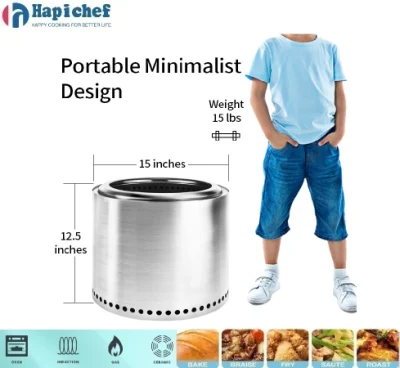
Customized Solutions and Application Case Studies
Recognizing the diverse needs of B2B clients, we offer comprehensive OEM/ODM services for our wood burning stove stainless steel range, tailoring products to specific operational requirements and brand identities.
Customization Capabilities:
- Material Variations: While AISI 304 is standard, we can utilize AISI 316 for enhanced corrosion resistance in highly aggressive environments or specific specialized alloys.
- Dimensional & Design Modifications: Adjustments to stove dimensions, pot stand configurations, fuel chamber size, and overall footprint to integrate seamlessly with existing equipment or meet specific logistical constraints. This includes developing custom variants of the stainless steel camping stove for unique applications.
- Branding & Packaging: Custom logo embossing, color schemes, and tailored packaging solutions to align with client branding guidelines and shipping requirements.
- Fuel System Adaptation: Integration of specific fuel feeders, grates, or combustion air controls to optimize performance for a particular type of biomass or pellet, or even hybrid fuel systems.
- Accessory Development: Design and production of bespoke accessories such as carrying cases, specialized griddles, or integrated power generation modules (e.g., thermoelectric generators).
Application Case Studies:
Case Study 1: Humanitarian Aid in Sub-Saharan Africa
Client: Major International NGO
Challenge: Provide efficient, safe, and locally fuel-compatible cooking solutions for displaced populations in remote areas, reducing reliance on dwindling firewood resources and mitigating health risks from indoor smoke.
Solution: We supplied 5,000 customized stainless steel camping stove units, featuring an enlarged biomass fuel chamber optimized for local dry grasses and agricultural waste. The stoves were designed for quick field assembly and robust operation in dusty, high-temperature environments. Our certification for low emissions (meeting WHO guidelines for clean cooking) was a key factor in selection.
Outcome: Implemented across three large camps, the stoves reduced fuel consumption by an average of 60% per household, leading to a significant decrease in deforestation rates around the camps and a 45% reduction in respiratory illness incidents among users due to cleaner combustion. User feedback highlighted the durability and ease of use.
Case Study 2: Remote Wilderness Expedition Support
Client: Leading Adventure Tourism Operator
Challenge: Equip expedition teams with lightweight, reliable cooking systems capable of operating efficiently at high altitudes and low temperatures, with minimal fuel carriage.
Solution: We developed a compact, ultra-lightweight stainless steel camping stove variant using thinner-gauge AISI 304 SS, reinforced at critical stress points, and integrated with a specialized pot support system for stability on uneven terrain. The design emphasized quick setup and tear-down, crucial for fast-paced expeditions. Each stove was supplied with a custom waterproof carrying bag.
Outcome: The stoves significantly reduced the logistical weight burden for teams, improving mobility. Field reports consistently praised the stove's rapid boil times and resilience against harsh weather conditions, including strong winds and freezing temperatures. The client reported enhanced operational efficiency and positive feedback from expedition leaders.
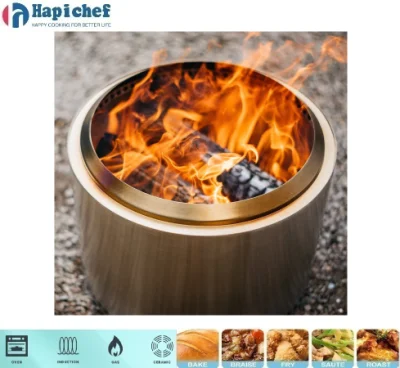
Trustworthiness: FAQ, Fulfillment, and Support
Our commitment to our B2B partners extends beyond product delivery, encompassing comprehensive support and transparent operational policies. This ensures complete trustworthiness when investing in our stainless steel camping stove solutions.
Frequently Asked Questions (FAQ):
Q: What is the primary advantage of stainless steel over other materials for a camping stove?
A: Stainless steel offers superior corrosion resistance, high-temperature stability, and inherent hygiene properties, making it ideal for harsh outdoor conditions and prolonged use. It prevents rust and maintains structural integrity far better than carbon steel or aluminum under heat stress.
Q: Can your stoves operate efficiently with various types of biomass?
A: Yes, our stoves are designed with optimized combustion chambers (e.g., rocket stove principles) to efficiently burn a wide range of biomass, including small sticks, twigs, leaves, pinecones, wood pellets, and charcoal, depending on the specific model. This multi-fuel capability enhances versatility in diverse environments.
Q: What are your minimum order quantities (MOQ) for B2B orders?
A: Our standard MOQ typically starts at 100 units, but this can be flexible for initial pilot projects or specific customization requests. Please contact our sales team to discuss your specific volume requirements and potential tiered pricing.
Q: Are your stoves compliant with international safety and environmental standards?
A: Absolutely. Our manufacturing processes adhere to ISO 9001 standards, and our products carry CE and RoHS certifications, ensuring compliance with European safety and environmental directives. We also design for low emissions, often meeting or exceeding global clean cooking guidelines.
Lead Time & Fulfillment:
- Standard Orders: For standard product configurations, lead times typically range from 4-6 weeks, depending on order volume and current production schedules.
- Customized Orders: OEM/ODM projects may require 8-12 weeks, including design, prototyping, and final production. A detailed timeline will be provided upon project scope finalization.
- Shipping & Logistics: We facilitate global shipping via established freight forwarders, offering various options (sea, air cargo) to meet your delivery deadlines and budgetary constraints. All shipments are meticulously packed to ensure product integrity upon arrival.
Warranty Commitments:
We stand behind the quality and craftsmanship of our stainless steel camping stove products. All units come with a 2-year limited warranty against manufacturing defects in materials and workmanship from the date of purchase. This warranty covers structural integrity and primary functional components under normal operating conditions. Full warranty terms and conditions are available upon request.
Customer Support:
Our dedicated B2B customer support team is available to assist you with technical inquiries, order status, and after-sales service. We provide comprehensive support to ensure your satisfaction and the optimal performance of our products in your applications.
Contact Us:
- Email: sales@hapichefcookware.com
- Phone: +86-XXX-XXXX-XXXX (For B2B inquiries)
- Website: www.hapichefcastiron.com.com
References
- Outdoor Industry Association. (2023). Outdoor Recreation Economy Report.
- MarketsandMarkets. (2022). Portable Stove Market - Global Forecast to 2027.
- World Health Organization. (2021). WHO guidelines for indoor air quality: Household fuel combustion.
- ASTM International. (2023). Standards for Stainless Steel Plate, Sheet, and Strip.
- ISO. (2023). ISO 9001:2015 Quality management systems.
-
How to Choose and Maintain the Perfect Frying Pan for CookingNewsApr.16,2026
-
Mastering the Art of Cooking with a Dutch Oven GuideNewsApr.09,2026
-
Exploring the World of Casseroles A Kitchen Essential for Flavorful MealsNewsApr.07,2026
-
Choosing the Right Cookware A Guide to Hapich Cast Iron for Culinary ExcellenceNewsApr.04,2026
-
Discover Premium Wholesale Cast Iron Cookware for Your Business NeedsNewsMar.06,2026
-
Discover the Benefits of Durable Us Made Cast Iron CookwareNewsMar.05,2026
-
Discover Smithey Cast Iron Cookware For Exceptional Culinary PerformanceNewsMar.04,2026