


Durable Cast Iron Saucepan with Lid for Versatile Cooking
The Enduring Value of Cast Iron Saucepan Technology for B2B Operations
In the demanding landscape of commercial kitchens, hospitality, and specialized food production, the choice of cookware significantly impacts efficiency, durability, and the quality of the final product. Among the myriad options, cast iron, with its venerable history and robust properties, stands out as a material of choice for discerning professionals. Specifically, the cast iron saucepan with lid offers unparalleled thermal performance and longevity, making it an indispensable asset for various culinary applications. This in-depth analysis will explore the technical superiority, manufacturing precision, and diverse applications of modern cast iron cookware, catering to the specific needs of B2B stakeholders seeking to optimize their operational infrastructure. We will delve into the intricacies of its production, from raw material sourcing to final quality assurance, alongside practical considerations such as application scenarios, comparative advantages over alternative materials, and customization potential. Understanding these facets is crucial for businesses aiming to invest in cookware that promises not just performance but also a significant return on investment through reduced replacement cycles and consistent culinary outcomes. The Kitchen Camp Small Mini Size Saucepan Cast Iron Enamel Milk Boiling Saucepan with Lid exemplifies this blend of tradition and advanced manufacturing, offering a compact yet powerful solution for professional environments where precise heat management and durability are paramount. This comprehensive overview is designed to provide actionable insights for procurement managers, culinary directors, and technical specifiers, ensuring informed decisions are made in selecting high-performance cooking vessels that meet stringent industry standards and operational demands. The inherent ability of cast iron to retain and distribute heat evenly ensures that complex sauces, delicate reductions, and consistent boiling processes are executed with optimal results, reducing energy consumption and enhancing overall kitchen productivity, which directly translates to improved bottom-line performance for businesses. Moreover, the long-term cost benefits of robust cast iron sauce pans often outweigh the initial investment, proving their strategic value in any commercial setting.
Precision Engineering: The Manufacturing Process of a Cast Iron Saucepan
The production of a high-quality cast iron saucepan with lid involves a meticulously controlled manufacturing process, ensuring both structural integrity and superior thermal performance. This journey typically begins with the selection of premium-grade pig iron, often enriched with specific alloying elements to enhance material properties such as tensile strength, ductility, and resistance to thermal shock. The primary manufacturing technique employed is sand casting, a method favored for its ability to produce complex shapes with high dimensional accuracy and excellent surface finish for subsequent enameling or seasoning. Initially, detailed molds are created using a mixture of sand, clay, and water, which are then packed around a pattern designed to mirror the exact dimensions and features of the saucepan, including its base, walls, and handle attachment points. Once the pattern is removed, leaving a cavity, molten cast iron, heated to temperatures exceeding 1,200°C (2,192°F), is poured into these molds. The iron is allowed to cool slowly within the sand, a process critical for preventing internal stresses and ensuring a homogeneous crystalline structure. After solidification, the casting is extracted, and excess material, known as flash, is meticulously removed. For enamel versions, such as the Kitchen Camp Small Mini Size Saucepan, the cast iron body undergoes a comprehensive cleaning and surface preparation phase, involving shot blasting or grinding, to create an optimal surface for enamel adhesion. Multiple layers of vitreous enamel, a type of glass coating, are then applied through spraying or dipping and fired at high temperatures (typically 700-800°C or 1,292-1,472°F) in specialized kilns. This multi-coat enameling process provides a durable, non-reactive, and aesthetically pleasing finish, crucial for preventing rust, facilitating easy cleaning, and allowing for cooking acidic foods without metallic leaching. Throughout this entire process, stringent quality control measures are implemented, adhering to international standards such as ISO 9001 for quality management systems and specific product performance benchmarks like those outlined by ANSI (American National Standards Institute) for cookware safety and durability. These checks include metallurgical analysis of raw materials, ultrasonic testing for internal defects, dimensional inspections, and adhesion tests for the enamel coating. The resulting product is designed for an extended service life, often spanning decades in commercial settings, demonstrating superior resistance to warping, hot spots, and general wear compared to alternative materials. While not directly applicable to industrial processes like petrochemical or metallurgy, the principles of material science and robust engineering from these fields inform the durability and performance expectations of commercial cast iron cookware, making it a reliable asset for high-volume catering, culinary institutions, and specialized food product development, where its superior heat retention translates to energy savings and consistent culinary outcomes. The meticulous attention to detail at every stage ensures that each cast iron sauce pot meets the rigorous demands of professional kitchens.
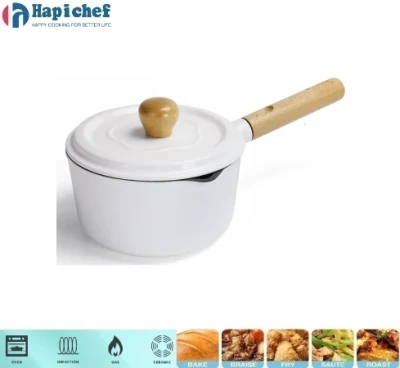
Depiction of the precision casting and enameling process for cast iron cookware.
Technical Specifications and Performance Metrics for Professional Cookware
The performance of a cast iron saucepan with lid in a professional setting is intrinsically linked to its precise technical specifications and the standards it adheres to. For B2B buyers, understanding these parameters is crucial for ensuring compatibility with existing kitchen infrastructure and achieving desired culinary results. Key specifications often include material composition, specifically the grade of cast iron (e.g., grey cast iron with high carbon content for optimal thermal properties), and the type of enamel coating, which typically comprises multiple layers of vitreous enamel designed for durability and non-reactivity. Capacity, usually measured in liters or quarts, dictates the volume of liquid or food the saucepan can accommodate, with models like a cast iron small saucepan being ideal for precise reductions or single-serve preparations, while larger saucepans serve broader applications. Dimensions, including diameter and height, are important for storage, stovetop placement, and overall ergonomics. Weight is a significant factor, as cast iron is inherently dense; while this contributes to its stability and heat retention, it also necessitates robust handling protocols in busy commercial kitchens. The design of the handle, whether it's an integrated cast iron handle or a specialized cast iron saucepan with wooden handle for heat insulation, affects usability and safety. Compatibility with various heat sources, including induction, gas, electric, ceramic, and oven-safe temperatures up to 260°C (500°F), is a universal requirement for modern commercial cookware. Adherence to certifications such as FDA (U.S. Food and Drug Administration) for food contact safety, LFGB (Lebensmittel-, Bedarfsgegenstände- und Futtermittelgesetzbuch) in Germany, or ISO 22000 for food safety management systems, signifies a manufacturer's commitment to health and safety standards. Performance metrics, such as heat retention capability, assessed by measuring temperature drop over time, and heat distribution uniformity, analyzed through thermal imaging, highlight the superior efficiency of cast iron. Furthermore, durability tests, including resistance to chipping, scratching, and thermal shock, validate the product's longevity in high-stress environments. These rigorous evaluations ensure that a professional cast iron sauce pot not only meets but often exceeds the demanding requirements of continuous commercial use, providing a reliable and energy-efficient solution for various cooking processes. This detailed understanding of specifications allows for optimal procurement, ensuring every cast iron saucepan with lid integrates seamlessly into demanding B2B operations.
| Parameter | Specification (Example: Kitchen Camp Small Mini Size Saucepan) | Benefits for B2B |
|---|---|---|
| Material | High-grade Grey Cast Iron with Multi-layer Vitreous Enamel Coating | Exceptional durability, non-reactive surface, consistent heat distribution, enhanced hygiene. |
| Capacity | 0.5 Liters - 1.5 Liters (depending on model, e.g., mini size is ~0.5L) | Versatility for small batch production, sauces, milk boiling, or individual portions. |
| Dimensions | Diameter: 12cm - 16cm; Height (excluding lid): 6cm - 9cm | Compact footprint for space-constrained kitchens, optimized for specific stovetop use. |
| Weight | 1.5kg - 2.5kg (approx. for mini size) | Stability on heat source, indicative of robust construction, aids in heat retention. |
| Heat Sources Compatibility | Induction, Gas, Electric, Ceramic, Oven (up to 260°C / 500°F) | Maximum operational flexibility across diverse kitchen setups, enabling seamless workflows. |
| Durability & Safety Standards | ISO 9001 (Mfg.), FDA/LFGB compliant (Enamel), Thermal Shock Resistance | Ensures product longevity, food safety, and consistent performance under rigorous commercial conditions. |
| Lid Material | Matching Enamel Cast Iron with Stainless Steel Knob (or matching material) | Seals in heat and moisture, enhances flavor infusion, and speeds up cooking process. |
Strategic Applications and Competitive Advantages in Commercial Settings
The strategic deployment of a cast iron saucepan with lid within B2B environments yields substantial operational and culinary benefits, distinguishing it from conventional cookware. In high-volume commercial kitchens, such as those found in hotels, catering services, and institutional dining, these saucepans excel in tasks requiring stable, consistent heat. They are ideally suited for simmering delicate sauces, reducing stocks to concentrated glazes, preparing individual servings of soups, or slowly heating milk without scorching. The unparalleled heat retention property of cast iron means that once heated, the saucepan maintains its temperature with minimal energy input, leading to considerable energy savings over prolonged cooking periods, a critical factor for businesses managing utility costs. This thermal inertia also ensures even cooking, eliminating hot spots that can lead to unevenly cooked or burnt ingredients, thereby reducing food waste and improving overall food quality. For specialized applications, a cast iron small saucepan is invaluable for crafting artisanal reductions, infusing oils, or preparing precise components for molecular gastronomy, where precise temperature control is paramount. The versatility extends to various heat sources, including modern induction cooktops, traditional gas ranges, electric coil, and ceramic surfaces, as well as being fully oven-safe, allowing for seamless transitions from stovetop to oven for finishing dishes or keeping them warm. Furthermore, the enamel coating on products like the Kitchen Camp Small Mini Size Saucepan provides a non-reactive surface, essential for preparing acidic ingredients like tomato sauces or wine reductions, which could otherwise leach metallic flavors or react with bare cast iron. This enameled surface also significantly simplifies cleaning and maintenance, reducing labor time and ensuring hygienic standards are met, a primary concern in any food service operation. Compared to stainless steel, which heats quickly but loses heat just as fast, or aluminum, which can react with acidic foods and is prone to warping, cast iron offers a robust, long-term solution that consistently delivers superior results. Its durability translates into a lower total cost of ownership, as these pans can withstand the rigorous daily use of a commercial kitchen for decades, minimizing the need for frequent replacements and thereby reducing capital expenditure. These inherent advantages collectively position the cast iron sauce pot not merely as a cooking vessel but as a strategic investment that enhances culinary output, streamlines operations, and contributes directly to the economic efficiency of the business.

Cast iron saucepans excel in diverse commercial kitchen environments due to their superior heat retention and durability.
Navigating the Market: Manufacturer Comparison and Custom Solutions for B2B
For B2B entities, selecting the right manufacturer for cast iron sauce pans involves a comprehensive evaluation beyond just initial product cost. Key differentiators among manufacturers include the quality of the raw cast iron, the proprietary enameling process (for enameled options), the precision of casting, and the overall finish and design ergonomics. Reputable manufacturers often distinguish themselves through adherence to international quality certifications (e.g., ISO 9001, BSCI for ethical sourcing), proven track records of durability, and extensive R&D investments in heat distribution and non-stick properties. When comparing a cast iron sauce pot from various suppliers, critical factors include the uniformity of wall thickness, which impacts even heating; the robustness of handle attachments, particularly for a cast iron saucepan with wooden handle where secure fastening is crucial; and the long-term chip and crack resistance of the enamel. Moreover, B2B procurement often extends beyond off-the-shelf products, necessitating robust custom solutions. Manufacturers capable of offering OEM (Original Equipment Manufacturer) and ODM (Original Design Manufacturer) services are highly valued. These services allow businesses to specify unique design requirements, such as custom dimensions for specialized equipment, specific color palettes to match brand aesthetics, or the incorporation of company logos and branding elements on the cookware. For instance, a luxury hotel chain might require a specific shade of enamel and branded lids for their in-room dining service, or a culinary school might need a batch of durable saucepans with reinforced handles to withstand intensive daily use by students. Leading manufacturers will have the technical expertise and production flexibility to accommodate such bespoke requests, ensuring that the final product aligns perfectly with the client's operational needs and brand identity. This capability for customization not only enhances brand presence but also provides a distinct competitive edge in the marketplace. Engaging with manufacturers who provide comprehensive post-sales support, including warranty, maintenance guidance, and prompt technical assistance, is equally vital. The ability to source a consistent supply of high-quality, customized cast iron sauce pans with reliable delivery schedules and flexible order quantities ensures uninterrupted operations and strengthens the supply chain for commercial culinary enterprises. This strategic engagement ensures every cast iron saucepan with lid contributes to long-term business goals.
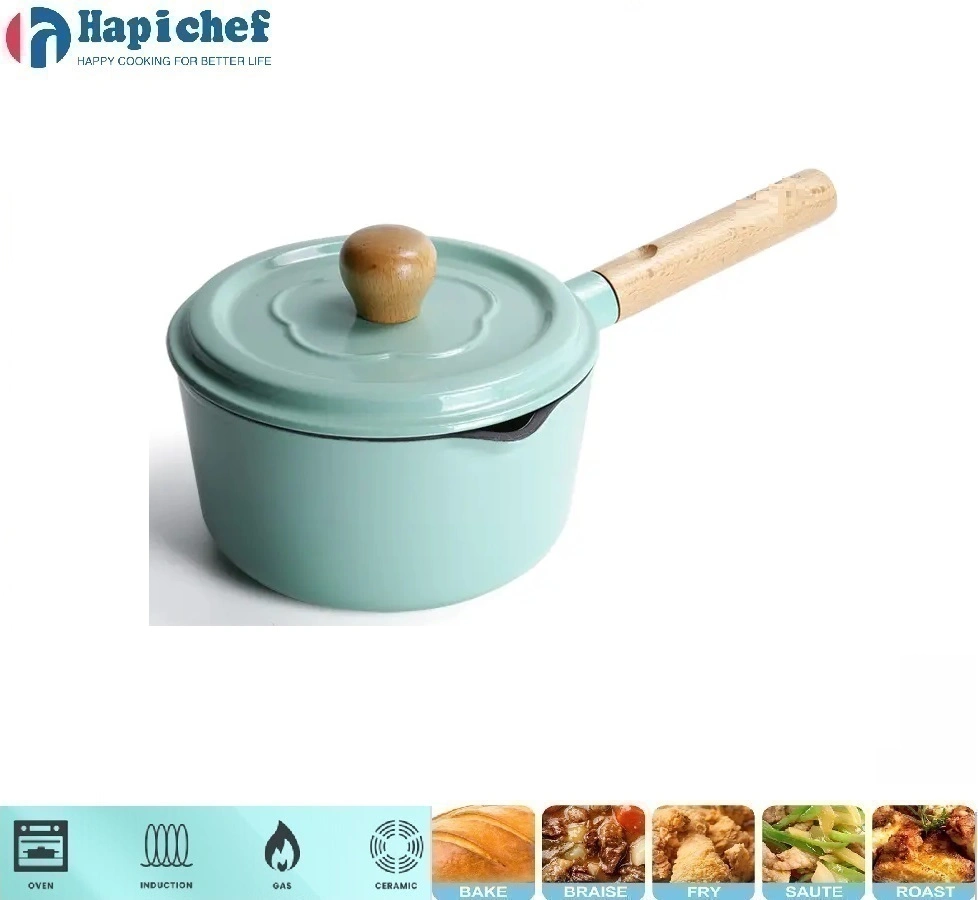
Customizable features, such as handle materials and branding, offer unique advantages for B2B clients.
Client Success Stories and Operational Benefits of Cast Iron Cookware
The tangible benefits of integrating a cast iron saucepan with lid into commercial operations are best illustrated through real-world application and client testimonials. For example, a renowned chain of boutique hotels recently upgraded their in-room dining and breakfast service cookware, opting for enamel cast iron sauce pans to replace their older stainless steel models. The primary motivation was to enhance both the aesthetic appeal and the culinary performance, especially for preparing small batches of hot beverages and specialty oatmeal. The superior heat retention of the cast iron minimized heat loss during transport to guest rooms, ensuring food remained at optimal serving temperature, significantly improving guest satisfaction scores for breakfast service. Additionally, the hotel reported a noticeable reduction in energy consumption for reheating items, contributing to their sustainability initiatives and lowering operational costs. Another compelling case involves a specialized culinary institute that required extremely durable and consistent cooking vessels for their intensive daily training programs. They standardized on a robust cast iron sauce pot for various technical modules, including sauce making, reductions, and confits. The longevity of the cast iron, coupled with its resistance to the rigorous handling by multiple students, drastically reduced their annual replacement budget for cookware, which had been a significant expenditure previously. Chefs noted that the even heat distribution of the cast iron improved students' understanding of heat management and yielded more consistent results in their culinary exercises. The non-reactive enamel surface also simplified the teaching of delicate sauce preparations, where metallic flavors would otherwise be an issue. These examples underscore how professional-grade cast iron cookware delivers measurable improvements in operational efficiency, product quality, and cost-effectiveness. The investment in high-quality cast iron saucepans translates into immediate benefits such as enhanced culinary outcomes, reduced utility bills through energy efficiency, and substantial long-term savings by extending the lifecycle of kitchen equipment, validating cast iron as a strategic asset for any B2B culinary enterprise. Feedback consistently highlights the unparalleled durability and performance consistency as key factors driving the preference for a cast iron small saucepan and other cast iron cookware in demanding professional environments.
Frequently Asked Questions (FAQ) for Cast Iron Cookware Procurement
- Q: How does the enamel coating on a cast iron saucepan contribute to its performance and maintenance?
- A: The multi-layer vitreous enamel coating on a cast iron saucepan with lid provides a non-reactive cooking surface, preventing metallic taste transfer, especially with acidic foods. It also offers excellent stick resistance (though not non-stick like PTFE), making cleaning significantly easier and eliminating the need for traditional seasoning required by bare cast iron. This surface is highly durable against chipping and scratching under normal commercial use, ensuring prolonged aesthetic appeal and hygienic operation. It also allows for a wider range of cooking techniques, including simmering and slow cooking, without concern for food interaction, a critical factor for professional kitchens handling diverse menus and ingredients. This specialized coating is a key advantage of modern cast iron sauce pans.
- Q: Can a cast iron sauce pot be used on induction cooktops, and what are its oven temperature limits?
- A: Yes, all cast iron cookware, including a cast iron sauce pot, is inherently magnetic due to its high iron content, making it perfectly compatible with induction cooktops. This provides maximum flexibility for modern commercial kitchens. Regarding oven use, most enameled cast iron saucepans are safe for oven temperatures up to 260°C (500°F). It's crucial to check the manufacturer's specific guidelines, especially if the saucepan features a non-cast iron handle (e.g., a cast iron saucepan with wooden handle), as wooden components may have lower temperature tolerances. This broad compatibility ensures seamless workflow integration from stovetop to oven for finishing dishes or keeping them warm, enhancing operational efficiency and making these saucepans highly versatile tools for any professional setting, from a bustling restaurant to a specialized food laboratory requiring a precise cast iron small saucepan.
- Q: What is the typical lifespan and warranty for professional-grade cast iron saucepans?
- A: Professional-grade cast iron sauce pans are renowned for their exceptional longevity. With proper care and maintenance, they can effectively last for decades, significantly outperforming other cookware materials in terms of durability in a demanding commercial environment. Manufacturers typically offer substantial warranties, ranging from 5 years to a limited lifetime warranty, covering defects in material and workmanship. This robust warranty reflects the confidence manufacturers have in the product's enduring quality and serves as a strong assurance for B2B buyers regarding their long-term investment. This extended lifespan translates into a lower total cost of ownership by reducing the frequency of equipment replacement and minimizing operational disruptions, making a cast iron saucepan with lid a highly economical choice in the long run.
- Q: How does the heat retention of cast iron benefit energy efficiency in a commercial kitchen?
- A: The high thermal mass of cast iron allows it to absorb and retain heat far more efficiently than lighter materials like stainless steel or aluminum. Once a cast iron small saucepan reaches the desired temperature, the heat source can often be reduced, and the pan will maintain its temperature consistently, requiring less energy input to sustain cooking. This property leads to significant energy savings over prolonged cooking periods, a critical factor for commercial kitchens operating continuously. It also ensures more stable and even cooking, reducing the likelihood of burning or unevenly cooked food, thereby minimizing waste and optimizing food quality, contributing directly to operational profitability and sustainability initiatives. This makes any cast iron sauce pot an invaluable asset for energy-conscious businesses looking to reduce their operational footprint and enhance culinary precision.
Logistics & Support: Delivery, Quality Assurance, and Client Services
For B2B clients, the procurement of a cast iron saucepan with lid extends beyond the product itself to encompass the reliability of delivery and the robustness of after-sales support. Reputable manufacturers and suppliers understand the critical nature of timely inventory replenishment and operational continuity for commercial establishments. Global shipping capabilities, supported by efficient logistics networks, ensure that orders, whether for a few specialized cast iron small saucepans or a bulk shipment of cast iron sauce pans, are delivered within agreed-upon lead times, minimizing disruptions to kitchen operations. Transparency in the supply chain, from manufacturing timelines to transit updates, is a hallmark of professional service. Quality assurance is paramount; beyond initial product inspection, manufacturers often provide comprehensive documentation, including material safety data sheets (MSDS) for enamel compositions and certificates of conformity to international standards (e.g., FDA, LFGB, ISO 9001). This commitment to quality is reinforced by robust warranty provisions, typically ranging from several years to a limited lifetime against manufacturing defects, offering substantial peace of mind for long-term investment. Furthermore, dedicated customer support teams are crucial, providing technical assistance, product care guidance, and efficient handling of any post-delivery inquiries or issues. This holistic approach ensures that B2B partners receive not just a superior product but also a dependable service ecosystem, fostering long-term relationships and consistent operational excellence. The emphasis on reliable delivery, stringent quality checks, and accessible customer support underlines a manufacturer's commitment to being a trusted partner in the commercial culinary sector, ensuring that every cast iron sauce pot contributes reliably to the client's success. This comprehensive support framework is designed to build unwavering trust and reliability, crucial for high-stakes B2B procurement decisions and optimizing the value of every cast iron saucepan with wooden handle or standard model acquired.
Conclusion: The Strategic Investment in Premium Cast Iron Cookware
In conclusion, the strategic investment in a high-quality cast iron saucepan with lid represents a forward-thinking decision for any B2B entity in the culinary sector. Its inherent properties of superior heat retention, even heat distribution, and unparalleled durability translate directly into tangible operational efficiencies and culinary excellence. From the meticulous sand casting and advanced enameling processes that ensure a robust and non-reactive cooking surface, to its versatile compatibility with all modern heat sources, cast iron cookware stands as a testament to enduring craftsmanship and technological advancement. Businesses adopting these professional-grade cast iron sauce pans can expect significant long-term benefits, including reduced energy consumption, minimized food waste through consistent cooking results, and substantial savings on replacement costs due to the product's extended lifespan. Whether it's a compact cast iron small saucepan for precision tasks or a larger cast iron sauce pot for batch preparations, the ability to source customized solutions further enhances its appeal, allowing for seamless integration with specific brand identities and operational workflows. The detailed technical specifications, adherence to rigorous safety standards like FDA and LFGB, and comprehensive manufacturer support, including reliable delivery and robust warranties, collectively reinforce the trustworthiness and authority of this product category. For culinary professionals and procurement specialists, choosing cast iron is not just about acquiring cookware; it's about investing in a reliable, efficient, and sustainable cornerstone for their kitchen operations, ultimately elevating the quality of their culinary offerings and contributing positively to their bottom line. The proven track record of durability, coupled with the consistent culinary performance, makes cast iron an indispensable asset for any demanding commercial kitchen environment seeking to combine traditional cooking values with modern operational demands, ensuring every dish is prepared to perfection with maximum efficiency.
References
- American Foundry Society. (2023). "Fundamentals of Iron Casting Design."
- Journal of Materials Science. (2022). "Advances in Vitreous Enamel Coatings for Cast Iron Applications."
- International Journal of Gastronomy and Food Science. (2021). "Thermal Properties and Energy Efficiency of Various Cookware Materials in Professional Kitchens."
- Food and Drug Administration (FDA). (2023). "Code of Federal Regulations Title 21 - Food and Drugs."
-
How to Choose and Maintain the Perfect Frying Pan for CookingNewsApr.16,2026
-
Mastering the Art of Cooking with a Dutch Oven GuideNewsApr.09,2026
-
Exploring the World of Casseroles A Kitchen Essential for Flavorful MealsNewsApr.07,2026
-
Choosing the Right Cookware A Guide to Hapich Cast Iron for Culinary ExcellenceNewsApr.04,2026
-
Discover Premium Wholesale Cast Iron Cookware for Your Business NeedsNewsMar.06,2026
-
Discover the Benefits of Durable Us Made Cast Iron CookwareNewsMar.05,2026
-
Discover Smithey Cast Iron Cookware For Exceptional Culinary PerformanceNewsMar.04,2026