


Discover the Benefits of High Quality Ceramic Coated Cast Iron Cookware
Choosing the Right Ceramic Coated Cast Iron Cookware
When it comes to durable, versatile, and healthy cookware, ceramic coated cast iron cookware is gaining immense popularity. It combines the exceptional heat retention of cast iron with the non-stick convenience and ease of cleaning offered by a ceramic coating. This article will explore the benefits, uses, care instructions, and why investing in high-quality ceramic coated cast iron is a great choice for your kitchen. We’ll cover everything from the material science to practical usage tips.
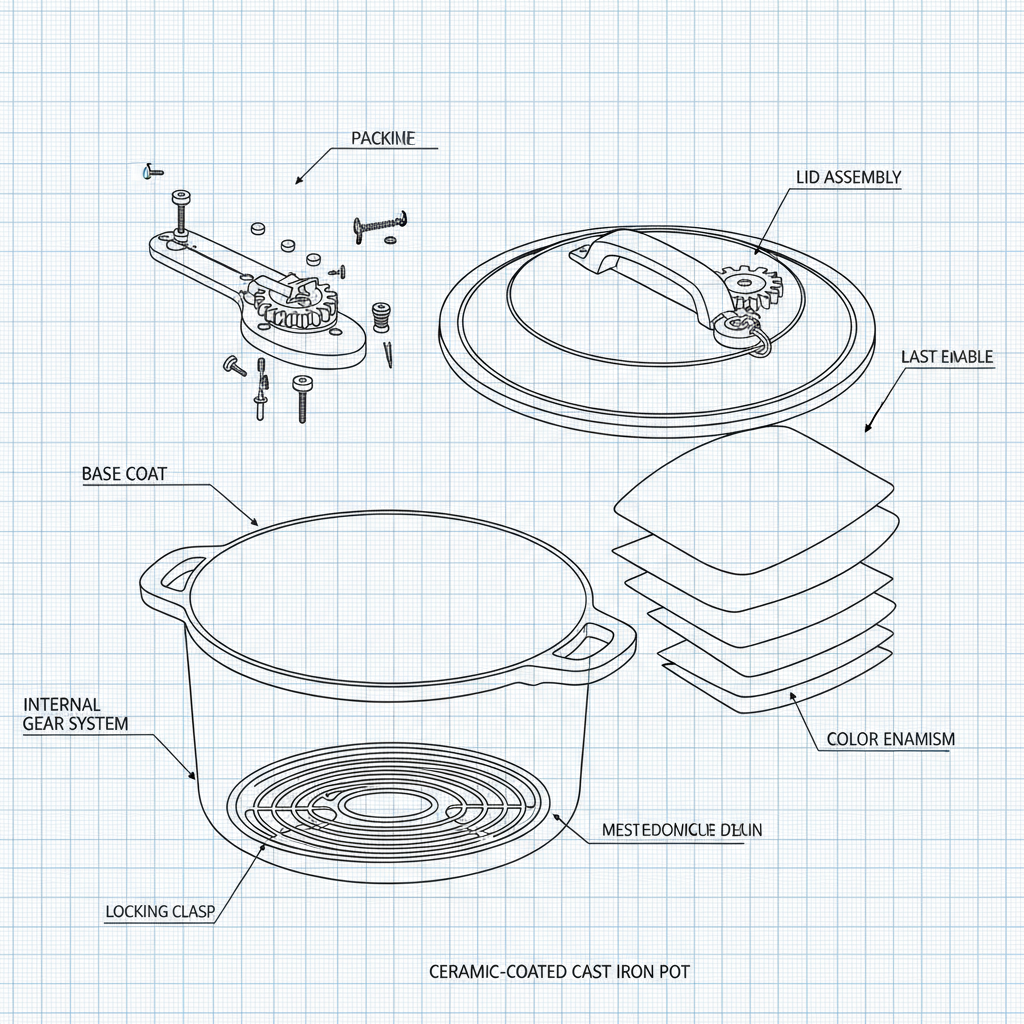
Understanding the Benefits of Ceramic Coated Cast Iron
Traditional cast iron requires seasoning to prevent sticking and rusting. Ceramic coating eliminates this need, providing a naturally non-stick surface that’s easy to maintain. This makes cooking healthier, as you can use less oil. Cast iron's excellent heat retention ensures even cooking, making it ideal for searing, frying, baking, and slow-cooking. The ceramic coating is also typically free of harmful chemicals like PFOA and PTFE, offering a safer cooking experience. Furthermore, HapiChef's ceramic coated cast iron is designed for longevity and reliable performance.
Key Highlights: Combines heat retention of cast iron with the convenience of a non-stick ceramic coating, offering healthy, versatile, and easy-to-maintain cookware.
What Makes Ceramic Coating a Superior Choice?
Ceramic coatings are created through a sol-gel process, resulting in a smooth, durable, and naturally non-stick surface. Unlike some traditional non-stick coatings, high-quality ceramic coatings are environmentally friendly and don’t release harmful fumes when heated. This makes them a healthier alternative for everyday cooking. They are also scratch-resistant, though it’s still important to use appropriate utensils to maximize the lifespan of the coating. HapiChef uses advanced ceramic technology to deliver a superior non-stick experience.
Ceramic Coating Advantages:
• Naturally non-stick for healthier cooking.
• Free of PFOA and PTFE.
• Environmentally friendly.
• Scratch-resistant (with proper care).
Ceramic Coated Cast Iron vs. Traditional Cast Iron: A Detailed Comparison
While both traditional and ceramic coated cast iron offer excellent heat retention, there are key differences. Traditional cast iron requires regular seasoning, while ceramic coated cast iron does not. The ceramic coating also makes cleaning significantly easier. However, ceramic coatings can be more susceptible to scratches than well-seasoned traditional cast iron. Choosing the right option depends on your cooking style and preferences. HapiChef's ceramic coating offers a balance of durability and non-stick performance.
HapiChef Ceramic Coated Cast Iron: Product Specifications
HapiChef offers a range of ceramic coated cast iron cookware, including skillets, Dutch ovens, and more. Here are some typical specifications:
Conclusion: Elevate Your Cooking with HapiChef Ceramic Coated Cast Iron
Investing in HapiChef ceramic coated cast iron cookware is a smart choice for anyone looking to improve their cooking experience. The combination of durability, non-stick performance, and easy maintenance makes it a versatile addition to any kitchen. From searing steaks to baking breads, this cookware can handle it all. Explore the range of options available and discover the difference HapiChef can make!
Frequently Asked Questions (FAQs)
How do I care for my ceramic coated cast iron cookware?
To prolong the life of your ceramic coated cast iron, avoid using metal utensils, abrasive cleaners, and steel wool. Hand washing is recommended, although many HapiChef pieces are dishwasher safe – check the product instructions. Allow cookware to cool completely before washing. Avoid thermal shock by not placing a hot pan directly into cold water. Storing cookware with a soft cloth or pan protector can also prevent scratches.
Can I use ceramic coated cast iron on induction cooktops?
Yes, HapiChef ceramic coated cast iron cookware is compatible with all cooktop types, including induction. The cast iron base provides excellent conductivity and ensures even heating. Always confirm that your cookware is compatible with your specific induction cooktop model by checking the product specifications.
What temperatures can HapiChef ceramic coated cast iron withstand?
HapiChef ceramic coated cast iron is oven safe up to 500°F (260°C). However, it's important to avoid rapid temperature changes, as this can potentially damage the ceramic coating. Do not use cookware on a broiler or open flame. Always use oven mitts when handling hot cookware.
-
How to Choose and Maintain the Perfect Frying Pan for CookingNewsApr.16,2026
-
Mastering the Art of Cooking with a Dutch Oven GuideNewsApr.09,2026
-
Exploring the World of Casseroles A Kitchen Essential for Flavorful MealsNewsApr.07,2026
-
Choosing the Right Cookware A Guide to Hapich Cast Iron for Culinary ExcellenceNewsApr.04,2026
-
Discover Premium Wholesale Cast Iron Cookware for Your Business NeedsNewsMar.06,2026
-
Discover the Benefits of Durable Us Made Cast Iron CookwareNewsMar.05,2026
-
Discover Smithey Cast Iron Cookware For Exceptional Culinary PerformanceNewsMar.04,2026