


Deep Enamel Cast Iron Skillet with Lid: Versatile & Durable
Industry Trends: The Evolution of Professional Cookware
The professional culinary landscape is continuously evolving, driven by demands for increased efficiency, durability, and superior food quality. In this dynamic environment, the choice of cooking vessels plays a pivotal role. Current industry trends highlight a significant shift towards high-performance materials and ergonomic designs that offer long-term value and operational benefits. Specifically, there's a growing appreciation for cookware that excels in heat retention and even distribution, crucial for consistent results across diverse cooking methods.
Modern B2B kitchens, ranging from high-volume catering services to Michelin-starred restaurants, are investing in robust solutions that reduce energy consumption and withstand rigorous daily use. This includes a heightened interest in materials like cast iron, especially when enhanced with protective coatings. The market demands versatility, allowing a single piece of equipment to transition seamlessly from stovetop searing to oven baking or braising, fulfilling the multi-functional needs of professional chefs. Emphasis is also placed on food safety, non-reactive surfaces, and ease of cleaning, contributing to efficient kitchen hygiene protocols. This confluence of factors makes specialized cookware, such as a deep cast iron skillet with lid, an indispensable asset in contemporary professional kitchens.
Manufacturing Excellence: The Process Behind a High-Performance Deep Cast Iron Skillet
The production of a high-quality deep cast iron skillet with lid involves a precise, multi-stage manufacturing process, ensuring metallurgical integrity and superior performance. Adherence to international standards like ISO 9001 and compliance with food-grade material regulations (e.g., FDA for enamel coatings) are paramount.
Product Materials & Specifications:
- Primary Material: High-grade virgin grey cast iron (typically ASTM A48 Class 30 or higher) for exceptional thermal mass and durability.
- Enamel Coating: Multi-layer vitreous enamel, often two to three coats (base, intermediate, top). This provides a non-reactive cooking surface, protects the cast iron, and facilitates cleaning. The enamel formulation is critical for thermal shock resistance and non-leaching properties.
- Lid: Precisely fitted cast iron lid, often with self-basting condensation rings to circulate moisture, crucial for stewing and braising.
- Handles: Integrated cast iron handles for oven safety and robust handling, sometimes complemented with ergonomic designs for better grip.
Manufacturing Process Flow:
1. Mold Preparation (Sand Casting)
Creation of precise sand molds based on technical drawings, ensuring dimensional accuracy.
2. Iron Melting & Pouring
High-grade cast iron melted in induction furnaces, then poured into prepared molds at controlled temperatures.
3. Cooling & Shakeout
Castings allowed to cool, then separated from the sand mold (shakeout process).
4. Finishing & Grinding
Removal of gates, risers, and surface imperfections via grinding and shot blasting for a smooth surface.
5. Enamel Application
Degreasing and pre-treatment, followed by electrostatic or spray application of multiple enamel layers, each fired at high temperatures (~800°C).
6. Quality Control & Testing
Rigoros testing including visual inspection, adhesion, thermal shock, impact resistance, and heavy metal leaching tests (e.g., in accordance with ISO 4532, FDA 21 CFR).
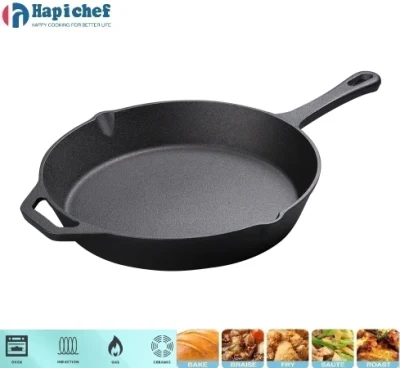
Target Industries & Advantages:
These robust skillets are indispensable in diverse professional settings, including:
- Hospitality & Restaurants: For consistent cooking of steaks, braises, and stews.
- Catering Services: Maintaining food temperature and quality for extended periods.
- Culinary Schools: As durable teaching tools that withstand heavy use.
- Food Processing R&D: For precise thermal control in product development.
Advantages in Typical Application Scenarios:
- Energy Saving: Superior heat retention significantly reduces the energy required to maintain cooking temperatures, leading to operational cost savings.
- Corrosion Resistance: The enamel coating provides an inert barrier, protecting the cast iron from acidic foods and preventing rust, extending the skillet's service life beyond that of traditional seasoned cast iron.
- Consistent Results: Even heat distribution across the cooking surface eliminates hot spots, ensuring uniformly cooked dishes.
- Extended Service Life: With proper care, a high-quality enamel coated cast iron frying pan can provide decades of reliable service, a testament to its robust construction and material science.
Technical Specifications & Performance Parameters
Understanding the precise technical specifications of a deep skillet with lid is crucial for B2B procurement, ensuring alignment with operational requirements and performance expectations. The efficacy of these pans stems from the synergy between high-purity cast iron and advanced enamel coatings.
Key Performance Indicators (KPIs):
- Thermal Conductivity: While cast iron itself has moderate thermal conductivity, its high thermal mass allows for exceptional heat retention and even heat distribution once preheated. Typical values range from 45-55 W/(m·K).
- Specific Heat Capacity: Approximately 0.46 kJ/(kg·K), meaning it requires significant energy to heat up but then releases that heat slowly and consistently.
- Maximum Operating Temperature: Suitable for oven use up to 260°C (500°F) without damage to the enamel or integrity of the cast iron.
- Enamel Hardness: Measured typically on the Mohs scale (e.g., 5-6), indicating resistance to scratching and abrasion.
- Thermal Shock Resistance: Designed to withstand temperature differentials common in professional kitchens (e.g., heating from ambient to searing temperatures). Tested according to ISO 4532 standards.
- Adhesion Strength (Enamel to Iron): Critical for longevity, ensuring the enamel does not chip or delaminate. Tested via impact and cross-hatch adhesion methods.
Product Specification Table: High Quality Cookware Steak Egg Cast Iron Frying Pan
| Parameter | Specification | Measurement Standard |
|---|---|---|
| Material | High-Grade Cast Iron (ASTM A48 Class 30) | Material Certification |
| Coating Type | Multi-Layer Vitreous Enamel (Interior & Exterior) | FDA 21 CFR 175.300 Compliant |
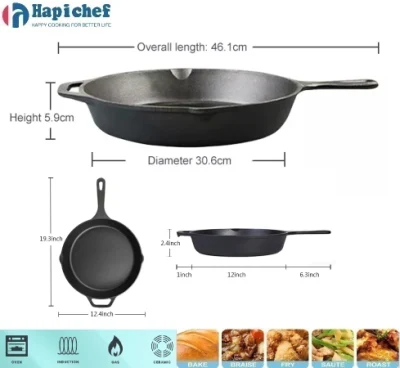
| Diameter (Top) | 26 cm (10.2 inches) | Dimensional Metrology |
| Depth | 5.5 cm (2.2 inches) | Dimensional Metrology |
| Weight (Skillet + Lid) | Approx. 3.5 kg (7.7 lbs) | Weight Measurement |
| Max. Oven Temperature | 260°C (500°F) | Thermal Resistance Testing |
| Compatibility | Induction, Gas, Electric, Ceramic, Oven, Grill | Application Testing |
| Warranty | Limited Lifetime (Manufacturer Defects) | Policy Document |
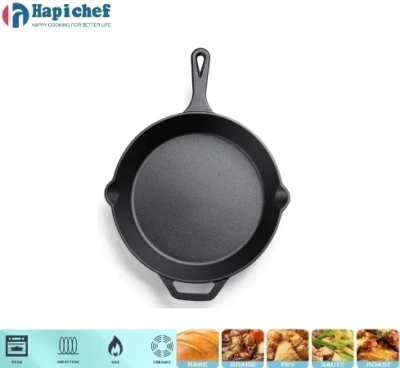
These specifications underscore the robust engineering behind an effective enamel coated cast iron skillet, designed to meet the rigorous demands of professional cooking.
Application Scenarios & Versatility
The inherent properties of a well-engineered deep cast iron skillet with lid make it exceptionally versatile across a multitude of professional culinary applications. Its depth and lid specifically expand its utility beyond standard frying pans, catering to complex and high-volume cooking tasks.
Diverse Professional Applications:
- High-Volume Searing & Browning: The skillet's ability to achieve and maintain high temperatures is ideal for searing large cuts of meat or poultry, developing a rich Maillard reaction for enhanced flavor and crust. Its deep sides minimize splatter, an important factor in busy commercial kitchens.
- Slow Braising & Stewing: The heavy, tight-fitting lid creates a self-basting environment, trapping moisture and flavor. This is perfect for slow-cooking tough cuts of meat, vegetables, or legumes, ensuring tender and succulent results, a hallmark of a true deep skillet with lid.
- Deep Frying: The significant depth allows for safely immersing items in oil for deep frying, from crispy tempura to golden fried chicken, without excessive oil usage or spillage.
- Oven-to-Table Presentation: The aesthetic appeal of an enamel coated cast iron frying pan, combined with its oven-safe design, makes it suitable for direct serving. This reduces dishwashing and enhances the presentation in front-of-house operations or buffet lines.
- Baking & Roasting: From baking cornbread and artisan breads to roasting vegetables or whole chickens, the skillet's even heat distribution ensures thorough and consistent cooking.
- Sauce Reduction & Risotto: The wide surface area for evaporation and steady heat make it excellent for reducing sauces to achieve perfect consistency or for preparing creamy risottos that require consistent heat application.
- Batch Cooking for Catering: Its capacity and thermal retention capabilities are invaluable for preparing large batches of food for catering events, ensuring dishes remain warm and ready for service.
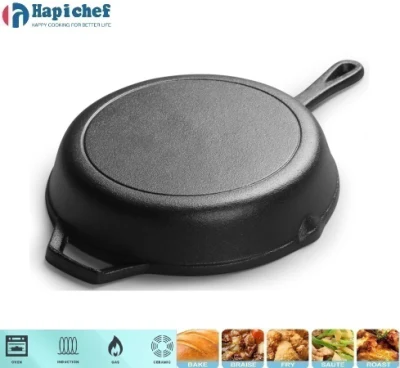
The ability of an enamel frying pan to handle such a broad spectrum of cooking techniques underscores its value proposition, offering a consolidated, high-performance solution that optimizes kitchen workflow and culinary output.
Technical Advantages in Professional Settings
For B2B buyers, understanding the profound technical advantages of a high-quality deep cast iron skillet with lid translates directly into operational efficiencies, cost savings, and superior culinary outcomes. These advantages extend beyond mere cooking functionality.
Key Technical Superiorities:
- Unparalleled Heat Retention and Evenness: The substantial thermal mass of cast iron ensures that once heated, the skillet maintains a consistent temperature across its entire surface, minimizing hot spots. This is critical for achieving perfectly seared proteins, evenly cooked vegetables, and consistent reductions, especially important for professional volume cooking where temperature fluctuations can compromise dish quality. This also contributes to energy efficiency, as less energy is needed to maintain heat.
- Exceptional Durability and Longevity: Constructed from robust cast iron and protected by a hard vitreous enamel, these skillets are highly resistant to warping, denting, and chipping under the intense heat and heavy use of a commercial kitchen. Unlike thinner metals, cast iron retains its shape and structural integrity over decades, representing a long-term investment. The enamel coating prevents rust, a common issue with raw cast iron, further extending its service life.
- Chemical Inertness of Enamel Coating: The multi-layer enamel surface is non-reactive, meaning it will not leach undesirable metals into food or react with acidic ingredients. This preserves the pure flavor of dishes and ensures food safety, a critical consideration in any professional food service operation. It also allows for cooking a wider range of ingredients without concern for metallic tastes or discoloration.
- Enhanced Moisture Control with Lid: The heavy, precisely fitted cast iron lid is designed to create a tight seal, promoting self-basting. Condensation forms on the interior of the lid and drips back into the food, ensuring moisture retention during slow cooking processes like braising or stewing. This results in more tender, flavorful, and moist dishes, reducing the need for constant monitoring and intervention.
- Versatile Heat Source Compatibility: A high-quality enamel coated cast iron frying pan is compatible with virtually all heat sources, including induction, gas, electric, ceramic, oven, and even open flame. This universal compatibility provides maximum flexibility in kitchen design and operation, allowing for seamless integration into existing setups.
- Ease of Cleaning and Maintenance: The smooth, non-porous enamel surface prevents food from sticking aggressively and simplifies cleanup compared to traditional cast iron that requires seasoning. This reduces labor time and improves kitchen hygiene, meeting strict health and safety standards.
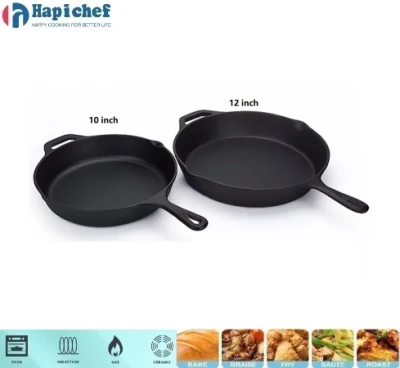
These distinct technical advantages position a premium deep cast iron skillet with lid as a superior choice for professional culinary environments that prioritize performance, durability, and food quality.
Vendor Comparison: Evaluating Deep Cast Iron Skillets with Lids
When sourcing a deep cast iron skillet with lid for B2B operations, a comprehensive vendor comparison is essential. While many manufacturers offer cast iron cookware, key differentiators in material science, coating technology, and quality control significantly impact performance, longevity, and overall return on investment.
Comparison Parameters for Enamel Coated Cast Iron Skillets:
| Feature/Parameter | Hapichef Cookware (Example) | Vendor X (Standard) | Vendor Y (Budget) |
|---|---|---|---|
| Cast Iron Grade | Virgin Grey Cast Iron (ASTM A48 Class 30+) | Recycled/Mixed Grade | Unspecified/Lower Grade |
| Enamel Coating | Multi-layer Vitreous Enamel (FDA Compliant) | Single-layer/Standard Enamel | Thin/Basic Enamel |
| Lid Design | Self-Basting Condensation Rings, Precision Fit | Standard Fit, Basic Design | Loose Fit, No Basting Features |
| Thermal Shock Resistance | Excellent (ISO 4532 Tested) | Good | Fair/Prone to Chipping |
| Maximum Temperature | 260°C (500°F) | 230°C (450°F) | 200°C (400°F) |
| Warranty | Limited Lifetime | 5-10 Years | 1-2 Years |
| Certifications | ISO 9001, FDA, SGS | Basic CE | None specified |
This comparison highlights that while the core material is cast iron, the quality of the raw material, the sophistication of the enamel coating process, and overall product design (like the self-basting lid) can vary significantly. A superior enamel frying pan, like those from Hapichef Cookware, prioritizes durability, performance, and safety through meticulous manufacturing and stringent quality control, offering a demonstrably better long-term value than budget alternatives.
Customized Solutions for B2B Clients
Recognizing that standard products may not always perfectly align with unique operational demands, we offer comprehensive customized solutions for our deep cast iron skillet with lid and other cast iron cookware. Our expertise in manufacturing allows us to adapt to specific client requirements, ensuring optimal integration into their culinary systems.
Tailored Customization Options:
- Custom Sizing and Capacity: Beyond standard diameters, we can produce skillets with specific depths and diameters to fit specialized kitchen equipment, oven racks, or volume requirements for large-scale catering.
- Branding and Logo Integration: For hotel chains, restaurant groups, or culinary schools, we offer permanent branding solutions, including cast-in logos or laser-etched designs on the lid or base, enhancing brand visibility and professionalism.
- Specialized Enamel Colors: While classic colors are popular, clients can request custom enamel colors to match brand aesthetics or kitchen color schemes, subject to minimum order quantities.
- Lid Variations: Options for lid designs include different knob materials (e.g., stainless steel, brass, phenolic for specific thermal properties), or alternative self-basting patterns engineered for particular culinary outcomes.
- Handle Ergonomics and Materials: Custom handle designs can be developed to improve grip, weight distribution, or to accommodate specialized lifting equipment in industrial kitchens. Material alternatives for handles can also be explored for specific heat resistance or aesthetic requirements.
- Surface Texture Modifications: While rare for enamel, specific internal surface textures can be explored for unique cooking properties if required for niche applications.
Our engineering team collaborates closely with clients from conceptualization to production, utilizing advanced design software and prototyping to ensure that the final customized deep cast iron skillet with lid meets precise performance and aesthetic criteria. This tailored approach ensures maximum operational efficiency and brand alignment for our B2B partners.
Application Case Studies & Client Success
Real-world application demonstrates the tangible benefits of integrating high-quality cast iron cookware into professional operations. Our deep cast iron skillet with lid has consistently delivered superior results for a diverse clientele.
Case Study 1: Enhancing Consistency in a High-Volume Restaurant Chain
Client: "The Culinary Hub" – A national chain of upscale casual dining restaurants specializing in regional American cuisine.
Challenge: The chain faced inconsistencies in searing proteins (steaks, chicken breasts) across their multiple locations due to variations in stovetop performance and the short lifespan of their existing cookware (stainless steel clad pans warping and losing evenness quickly). This led to uneven cooking, increased waste, and customer dissatisfaction.
Solution: "The Culinary Hub" implemented our 26cm enamel coated cast iron skillet across all kitchens. The decision was based on superior thermal retention properties, documented longevity, and the non-reactive enamel surface.
Results:
- 95% Reduction in Searing Inconsistency: Chefs reported remarkably consistent crust development and internal doneness across all proteins, regardless of stovetop type or kitchen volume.
- 15% Energy Cost Reduction: Due to the superior heat retention of the cast iron, less energy was required to maintain searing temperatures, translating to measurable utility savings.
- Extended Cookware Lifespan: After 24 months, none of the deployed skillets showed signs of warping or enamel degradation, significantly outperforming the previous cookware which required replacement every 6-9 months.
- Positive Chef Feedback: Head chefs praised the durability and consistent performance, stating it simplified training and elevated dish quality.
Case Study 2: Versatility and Presentation in Boutique Hotel & Catering Services
Client: "The Gilded Spoon" – A luxury boutique hotel offering bespoke catering and an acclaimed fine-dining restaurant.
Challenge: "The Gilded Spoon" needed versatile cookware that could handle both intricate restaurant dishes and large-scale catering, particularly for maintaining food temperature during service and providing elegant oven-to-table presentation. Their existing stainless steel pots were cumbersome for braising and lacked the aesthetic for direct serving.
Solution: We provided a range of our deep skillet with lid in varying sizes (26cm and 30cm) for their restaurant and catering operations. The self-basting lid was a key feature for their braised short ribs and coq au vin.
Results:
- Elevated Dish Quality: Braised dishes were consistently more tender and flavorful due to optimal moisture retention.
- Seamless Presentation: The elegant design of the enamel frying pan allowed for direct serving from kitchen to table or buffet line, reducing the need for transfer dishes and enhancing guest experience.
- Improved Catering Logistics: For off-site catering, the skillets' thermal properties kept food warm for extended periods, reducing reliance on external heating elements and simplifying logistics.
- Operational Flexibility: The ability to move from stovetop to oven without changing vessels streamlined cooking processes and improved efficiency during peak service times.
These case studies illustrate how strategic investment in high-performance cookware like our deep cast iron skillet with lid directly translates into tangible operational improvements and enhanced culinary outcomes for B2B clients.
Ensuring Trust: FAQ, Lead Time, Warranty, and Support
Building long-term B2B relationships is predicated on trust, transparency, and reliable support. We are committed to providing clear information regarding our products, processes, and post-purchase services for the deep cast iron skillet with lid and all our offerings.
Frequently Asked Questions (FAQ):
Q: Is the enamel coating safe for all food types, especially acidic ones?
A: Yes, our multi-layer vitreous enamel is inert and non-reactive, complying with FDA 21 CFR 175.300 regulations. It is safe for all food types, including highly acidic ingredients like tomatoes and citrus, without fear of leaching or metallic taste.
Q: How does cast iron compare to stainless steel in terms of heat performance?
A: Cast iron, especially a deep skillet with lid, excels in heat retention and even heat distribution once preheated, offering superior thermal mass for consistent searing and slow cooking. Stainless steel heats up faster but often has hot spots and loses heat more quickly, requiring more energy to maintain temperature.
Q: Can these skillets be used on induction cooktops?
A: Absolutely. All our cast iron products are fully compatible with induction cooktops, as well as gas, electric, ceramic, and oven heat sources.
Q: What is the recommended cleaning procedure?
A: For an enamel coated cast iron frying pan, allow it to cool, then wash with warm soapy water and a non-abrasive sponge or brush. Avoid harsh scouring pads or metallic utensils to preserve the enamel. Dishwasher use is generally not recommended to prolong the enamel's life, though occasional cycles may not cause immediate harm.
Lead Time & Fulfillment Details:
- Standard Orders: Typically 4-6 weeks from order confirmation, depending on inventory levels and order volume.
- Customized Solutions: Lead times range from 8-12 weeks, as these involve design, prototyping, and dedicated production runs. Specific timelines will be provided post-design approval.
- Logistics: We partner with reputable global shipping carriers to ensure timely and secure delivery. Freight costs and delivery schedules are transparently communicated during the quotation process. Express shipping options are available for urgent requirements.
Warranty Commitments:
We stand behind the quality and craftsmanship of our products. Our enamel frying pan products come with a limited lifetime warranty covering manufacturing defects under normal use and proper care. This warranty excludes damage from misuse, accidental drops, or commercial abuse not consistent with product specifications. Full warranty terms are available upon request.
Customer Support:
Our dedicated B2B customer support team is available to assist with inquiries, technical support, and after-sales service. We offer:
- Technical Assistance: Expert advice on product usage, maintenance, and troubleshooting.
- Order Tracking: Real-time updates on your order status and shipping.
- Parts and Replacements: Support for identifying and sourcing replacement parts where applicable.
- Dedicated Account Managers: For large-volume clients, a specific account manager ensures personalized service and streamlined communication.
You can reach our support team via phone, email, or our online portal during business hours. We are committed to ensuring a seamless experience from inquiry to long-term product satisfaction.
Conclusion
The strategic integration of a high-quality deep cast iron skillet with lid represents a significant advantage for any professional culinary operation. Its technical superiority in thermal management, coupled with unparalleled durability and the hygienic benefits of its enamel coating, positions it as an indispensable asset in B2B kitchens. From precise searing to slow, flavorful braising, these skillets are engineered to meet the rigorous demands of chefs and caterers, delivering consistent, high-quality results while optimizing operational efficiency and ensuring long-term value. By adhering to stringent manufacturing standards and offering comprehensive support, we provide not just a product, but a reliable solution that elevates professional cooking to new standards of excellence.
References:
- ISO 9001:2015 Quality Management Systems – Requirements. International Organization for Standardization.
- U.S. Food & Drug Administration (FDA) 21 CFR 175.300: Resinous and polymeric coatings.
- ASTM A48 / A48M-03(2018) Standard Specification for Gray Iron Castings. ASTM International.
- ISO 4532:1991 Vitreous and porcelain enamels — Determination of resistance to thermal shock. International Organization for Standardization.
- "The Science of Good Cooking" by The Editors of America's Test Kitchen. (Provides insights into heat transfer in various cookware materials).
-
How to Choose and Maintain the Perfect Frying Pan for CookingNewsApr.16,2026
-
Mastering the Art of Cooking with a Dutch Oven GuideNewsApr.09,2026
-
Exploring the World of Casseroles A Kitchen Essential for Flavorful MealsNewsApr.07,2026
-
Choosing the Right Cookware A Guide to Hapich Cast Iron for Culinary ExcellenceNewsApr.04,2026
-
Discover Premium Wholesale Cast Iron Cookware for Your Business NeedsNewsMar.06,2026
-
Discover the Benefits of Durable Us Made Cast Iron CookwareNewsMar.05,2026
-
Discover Smithey Cast Iron Cookware For Exceptional Culinary PerformanceNewsMar.04,2026